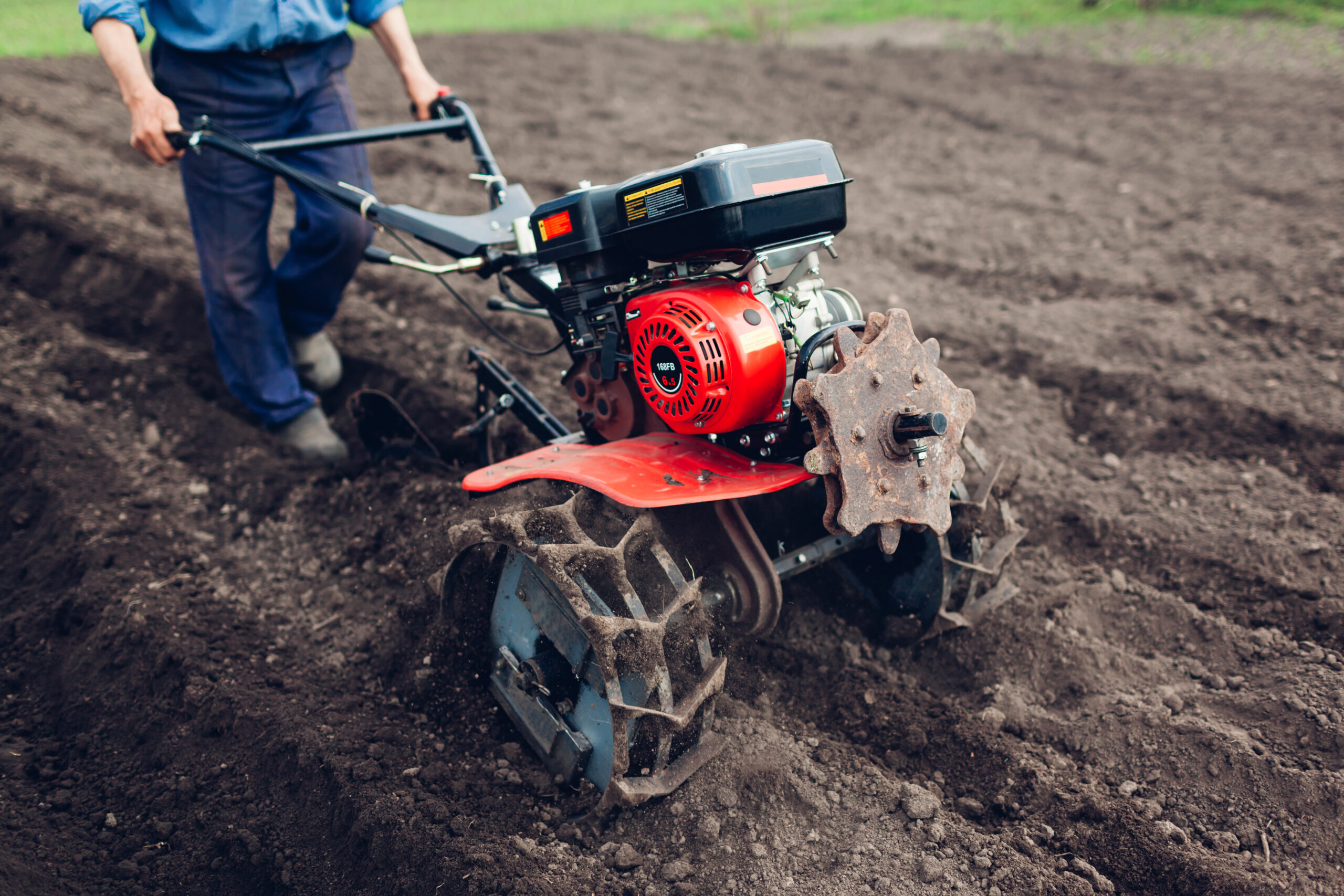
Small engine maintenance is one of the easiest ways to ensure your equipment runs smoothly when the busy season starts. Before you fire up small engine-powered tools for the first time this year, take a few minutes to do a little pre-season maintenance. A quick check now can prevent frustration later.
Most small engines rely on three essentials to run properly: air, fuel and spark. Taking the time to inspect these basic systems can keep tools running reliably and extend the life of your equipment.
If you still have the owner’s manual, check it for preventative or seasonal maintenance tips. If the manual can’t be found, try a quick internet search using the engine brand and model. When I searched for the Tecumseh motor on my loader-mounted post auger, I was able to download both a manual and troubleshooting guide.
With that information in hand, walk through the following simple checklist.
Check and Clean the Air Filter
Engines need clean air to run efficiently. Start by inspecting the air filter.
Remove the filter and check for dust, dirt or debris. Many foam filters can be cleaned and reused, but paper filters often need to be replaced if they are heavily clogged. Also clear any dust or debris from the air intake so airflow isn’t restricted.
A clean air filter helps the engine run smoothly and prevents unnecessary wear.
Inspect the Fuel System
Old fuel and sediment are common causes of small engine trouble.
Before filling the tank, check for any leftover debris from the previous season. Shine a flashlight into the lowest point of the tank to see if sediment has collected. If you notice buildup, shut off the fuel line and wipe it out if possible.
If needed, disconnect the fuel line—or even remove the tank—and flush it with a small amount of fresh gasoline. If your engine has a sediment bowl or fuel filter, remove it and clean or replace it as necessary.
Check the Spark Plug and Ignition System
Next, inspect the ignition system.
Remove the spark plug and clean it if it is dirty or carbon-covered. Reset the gap according to the owner’s manual specifications. If the spark plug is badly worn, replacing it is inexpensive insurance for reliable starting.
If your equipment uses a battery, use a voltage tester to ensure it is fully charged. While you’re there, clean battery terminals and check electrical cables for cracked insulation or corrosion.
Lubricate Moving Parts
Proper lubrication reduces wear and helps small engines run smoothly.
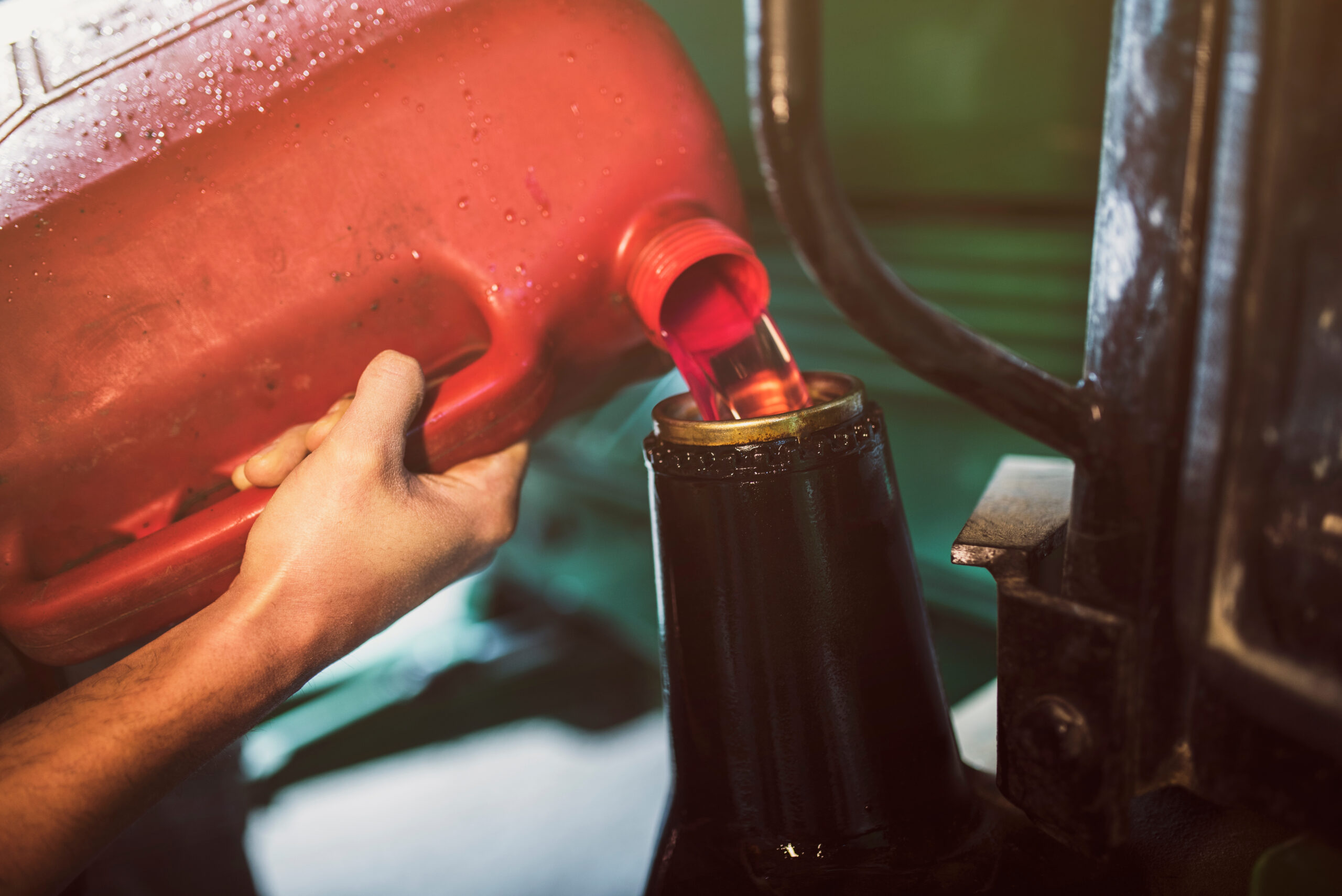
Change the engine oil if it hasn’t been replaced recently. Also check greaseable bearings, chains and control cables to ensure they are properly lubricated. Fresh oil and grease help reduce friction and extend the life of the equipment.
Small Engine Maintenance Includes a Test Run
Once these steps are complete, start the engine and let it run for a few minutes.
Listen for unusual noises and make sure everything is operating smoothly. A quick test run gives you confidence that your equipment will be ready when the real work begins.
Lean back, listen to the steady purr, and enjoy the satisfaction of a machine that’s ready for the season.
FAQ: Small Engine Maintenance
How often should small engine maintenance be performed?
Basic maintenance should be done at least once a year, usually before the start of the working season. Heavy-use equipment may benefit from more frequent checks.
What causes most small engine starting problems?
The most common causes are old fuel, dirty air filters, and worn spark plugs. Addressing these issues often solves starting problems quickly.
Should I replace old gasoline in a small engine?
Yes. Gasoline that sits for several months can degrade and cause starting or performance issues. It’s best to use fresh fuel at the start of each season.
Is it necessary to change the oil in small engines?
Yes. Even small engines rely on clean oil for lubrication. Changing the oil regularly helps prevent wear and keeps the engine running smoothly.
Small Engine Maintenance Goes a Long Way
A few minutes of small engine maintenance at the beginning of the season can save hours of frustration later. By checking the air filter, fuel system, ignition components and lubrication, you help ensure your tools start easily and run reliably.
Before long, your equipment will be humming along and ready to handle whatever work the season brings.
This article about small engine maintenance was written for Hobby Farms magazine. Click here to subscribe.