Researchers find that fungicides and miticides meant to protect bees from parasites might actually impair their immune systems’ ability to ward off the diseases on their own.
The USDA encourages landowners to use native plants to benefit their surrounding ecosystem, economy and agriculture.
American Farmland Trust is raising awareness about local farmers’ markets while raising money for the farmers who keep the markets afloat.

No surprise to small-scale farmers, scientists are now looking to traits in heirloom plant varieties to learn how to improve plant production.
The Johns Hopkins Center for a Livable Future further investigates industrial farm-animal production’s effect on public health and animal welfare.
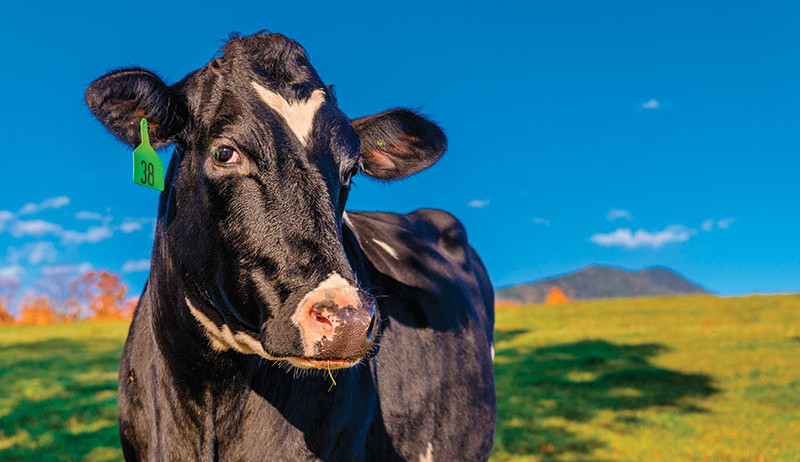
Texas Longhorn cattle are among two new breeds added to the American Livestock Breeds Conservancy’s Conservation Priority List, while several others graduate from the program.
A new documentary recounts the first quarter-century of the Slow Food movement.
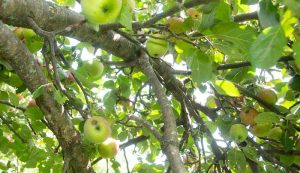
Researchers create a lure to capture codling moths and keep them out of fruit and nut trees.
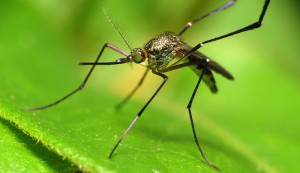
Avoid painful bites and diseases by eliminating mosquito habitats around the farm this season.
A poultry scientist is studying ways to use enzymes to improve feed digestibility in broiler chickens to save you money and make better chicken litter.
New research suggests the way we store harvested produce can affect its circadian rhythm and nutrient offerings.
A new initiative out of Nevada will provide research and education surrounding crop production for small- to medium-sized desert farms.