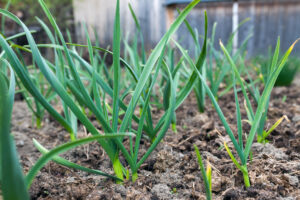
New research suggests the way we store harvested produce can affect its circadian rhythm and nutrient offerings.
A new initiative out of Nevada will provide research and education surrounding crop production for small- to medium-sized desert farms.
A study shows genetically modified feed affects condition of pigs’ stomach and uterus, opening up more questions about GMOs’ effects on livestock.
The second major wildfire to devastate Colorado in two years leaves animal rescuers scrambling to keep pets and farm animals safe and healthy.
Due to their quicker growth rate, black locusts demonstrate better biomass production qualities than other woody plants.
With only 100 individuals left in the U.S., the Choctaw hog is the center of a new conservation campaign spearheaded by the American Livestock Breeds Conservancy.
A new online guide from the University of New Hampshire helps farmers identify young wildflowers native to New England.
Dairy cows that consume poor-quality water produce less milk than cows not subject to water-quality problems, a study shows.
A newly created cell line helps scientists identify pig and cattle tissue infected with foot-and-mouth disease much quicker than current detection methods.
New technology developed by the USDA enables testing of olive oil for quality control.
The nation’s leading organics-industry trade association formed a Farmers Advisory Council to allow organic producers direct communication on industry matters.
Extension specialist analyzes new reports surrounding food-borne illness in the U.S. and points to proper preparation as key to illness prevention.