Plant dormancy is an important survival strategy for many plants, shrubs, trees and other perennial plants. As fall approaches, they don’t simply shut down for winter. They actively prepare by recycling nutrients from their leaves, storing energy in roots and bulbs, and producing hormones that help prevent new growth during cold weather. But why do leaves change color and fall? How do plants protect themselves from freezing temperatures? And where do they store the energy they’ll need when spring arrives?
Plant Dormancy: Key Takeaways
- Plants reclaim useful nutrients from their leaves before dropping them to reduce moisture loss during winter.
- Natural sugars and hormones help protect plants from freezing temperatures and keep them dormant until conditions are right for growth.
- Plants store energy in roots, bulbs and other structures to fuel new growth the following season
Why Plants Drop Their Leaves
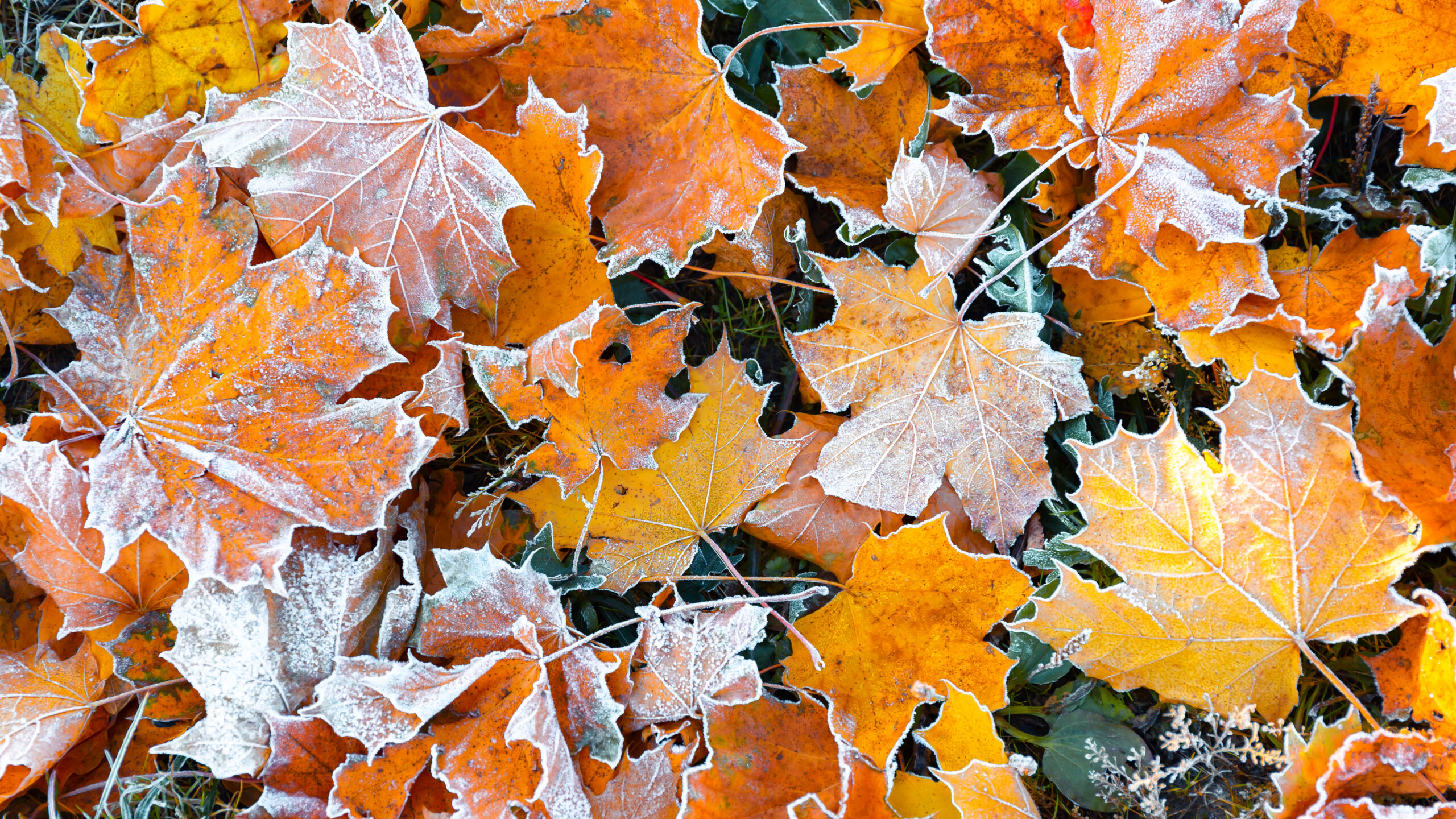
Leaves that turn color and fall to the ground are such an iconic piece of autumn that it’s easy to overlook why this is happening in the first place. Why can’t a plant or tree simply hold onto its leaves all winter? Part of the reason is that broadleaves release a lot of moisture into the surrounding air. This is fine and necessary during the summer when the plant is actively growing and photosynthesizing, but during the winter, when water is not as readily available, the leaves must be discarded. But first, the plant or tree pulls helpful nutrients like nitrogen out of the leaves, and also some of the chlorophyll that makes the leaf green to begin with. Without chlorophyll, the other components of the leaf become visible at last, providing a red, yellow, or brown shade. The plant basically recycles useful ingredients from its leaves in the fall, and then lets them go to prevent moisture loss.
Evergreen plants keep their green leaves of course. White pines, blue spruce—many types of conifers retain their living needles all through winter. But they can do this because the needles are waxy and small, and don’t contribute to excessive moisture loss. If it gets above freezing, the needles can even photosynthesize in the winter!
How Dormancy Hormones Work
Deciduous shrubs and trees must be able to go dormant for the winter and not accidentally “wake up” and start growing prematurely. So as winter approaches, the plants begin to increase their content of abscisic acid—a hormone designed to restrict growth until conditions are ideal. Seeds also use abscisic acid to help them remain in a dormant state until the right time to sprout. During the fall, plant buds pack themselves with a large amount of abscisic acid, which then slowly reduces as the cold weather of winter lingers on. By the time spring comes with longer days and warmer temperatures, the hormones for plant growth are ready to take over. The plant often requires a certain number of “chilling hours” of temperatures around 45°F before it will restart spring growth.
How Plants Store Energy for Winter
Some plants like daffodils, crocus, tulips, lilies, and many others will bloom fairly early in the growing season and then lose their flowers. But the foliage keeps on growing and photosynthesizing all the way to winter. The plant is harvesting—and, importantly, storing—energy from the sun in its roots or bulbs. This energy will be used next year to regrow the plant and regrow the flowers. So it’s important to avoid mowing down or trimming away flower foliage during the summer, even if the blooming season is finished. The plants need their leaves! Many other plants, trees, and shrubs store winter energy in the roots.
Frequently Asked Questions about Plant Dormancy
Do plants make their own antifreeze?
In a way. As temperatures drop, many plants increase the concentration of sugars and other dissolved compounds in their cells. These substances can help protect cells from freezing damage by lowering the freezing point of their fluids. This is also one reason some fruits and vegetables, such as apples and kale, can taste sweeter after exposure to cold temperatures.
Do dormant plants need water?
It depends on the climate, plant and soil conditions. Plants in regions with frozen ground or substantial winter precipitation generally need little supplemental water during dormancy. In warmer or drier climates, dormant plants may still need occasional watering when the soil becomes dry. Newly planted trees and shrubs can also need more attention than established plants.
What triggers plant dormancy?
Temperature and day length are two important signals, although the exact triggers vary among species. As days become shorter and temperatures fall, plants adjust their growth and metabolism in preparation for winter. Some plants also require a period of exposure to cold temperatures before they can resume normal growth in spring.
Plant dormancy may look like a period when plants simply stop growing, but plenty is happening beneath the surface. In fall, plants reclaim nutrients from their leaves, shed foliage, protect their cells from freezing temperatures and store energy in roots and bulbs. These preparations allow them to remain inactive through unfavorable conditions and resume growth when spring brings the right combination of light, temperature and moisture.
This article about plant dormancy was written for Hobby Farms magazine. Click here to subscribe.