Spotted lanternfly control is top of mind as these invasive insects are spreading across the eastern U.S., threatening fruit trees, grapevines, and hardwoods. Hobby farmers and home gardeners may not face the full brunt of an infestation, but taking steps to manage these pests early is crucial. From identifying nymphs and adults to preventing egg clusters, effective spotted lanternfly control can protect your plants, preserve yields, and keep your garden or orchard healthy.
Identifying the Spotted Lanternfly in Your Garden
The spotted lanternfly (Lycorma delicatula) is an invasive species of insect from Asia that first appeared in Pennsylvania in 2014. The spotted lanternfly is a planthopper that feeds on more than 70 kinds of plants, including grapevines, maple trees and fruit trees.
How to Recognize Lanternfly Nymphs and Adults
Spotted lanternfly nymphs are easy to recognize with their black bodies covered in distinct white polka dots. In later stages of development, the nymphs may take on red patches.
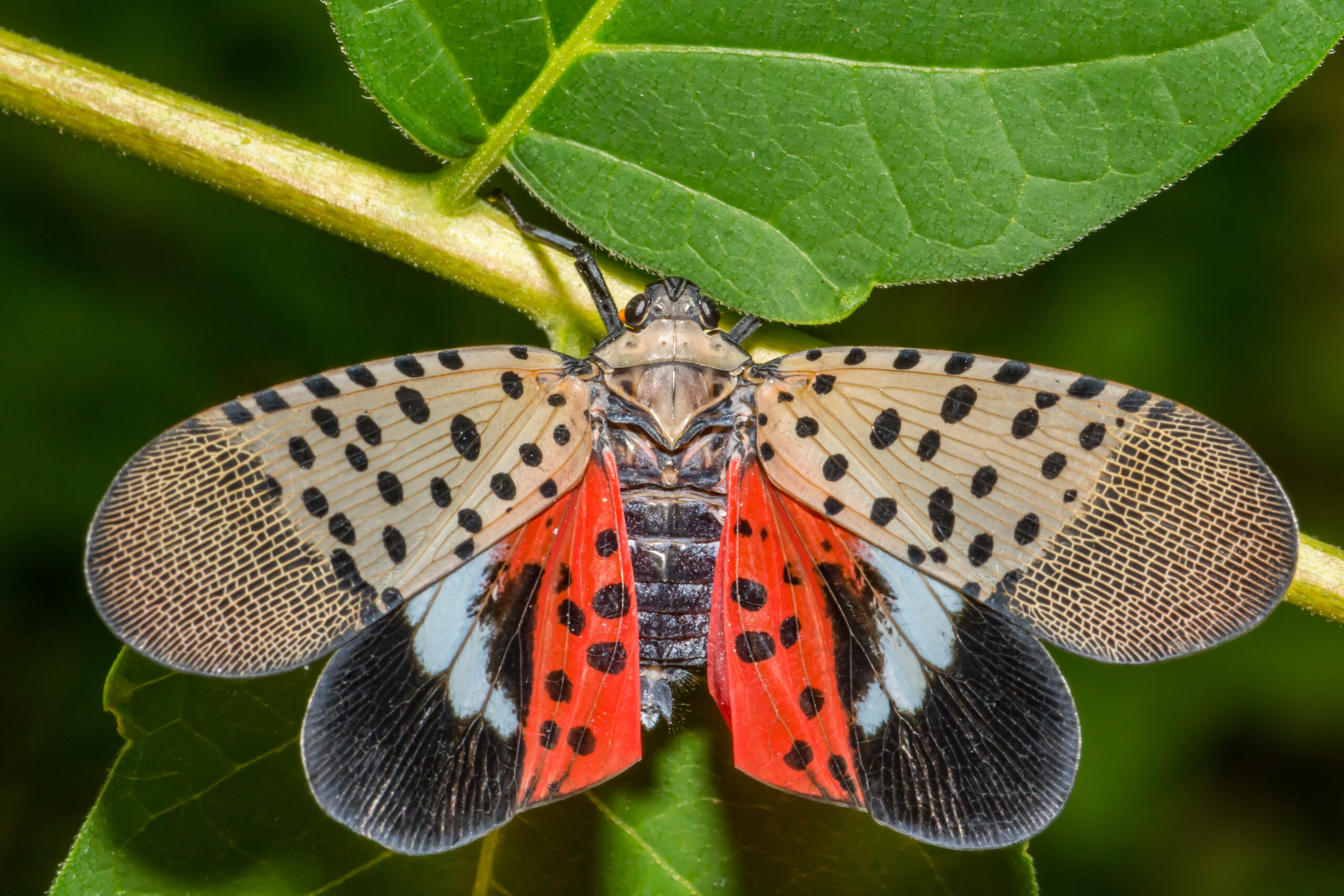
Adult spotted lanternflies are about one inch long, with grayish, beige forewings speckled with black. The hindwings are more flashy, sporting a bright red with black and white bands. The abdomen is yellow with black bands, while the head, feet, and legs are completely black. When resting, only the forewings are easy to spot.
Spotted lanternflies spread by crawling, flying and hitchhiking on vehicles, plants, firewood and other materials.

Spotted Lanternfly late nymph on a birch leaf. Adobe Stock/Roman Tiraspolsky
States Where Spotted Lanternflies Are Spreading
Spotted lanternflies have spread beyond their original range in Pennsylvania and are now established in multiple states across the eastern and central United States. Their range continues to expand, so gardeners and farmers should check current information from their state department of agriculture or local extension office to determine whether spotted lanternflies have been reported in their area.
These invasive insects can spread quickly by hitchhiking on vehicles, plants, firewood, outdoor equipment and other materials. If you find spotted lanternflies in an area where they have not previously been reported, contact your local extension office or state agriculture department for guidance on identification, reporting and control.
Because the spotted lanternfly’s range changes over time, check with your state’s agriculture department for the most current distribution information before taking action.
How Lanternflies Damage Trees and Vineyards
Before diving into spotted lanternfly control, it’s helpful to know how this invasive species causes harm to trees and vineyards.
Both adults and nymphs feed on plants, causing stress on the plants and trees it is consuming. While feeding, the spotted lanternfly excretes large amounts of sticky substance called “honeydew.” This honeydew works to weaken trees and other plant life by encouraging mold to grow.
As the mold begins to grow, it decreases photosynthesis, causing a decrease in fruit growth and yield, and encourages other harmful insects to feed on the infected trees and plants.

Hundreds of invasive spotted lanternflies (Lycorma delicatula) covering the trunk of their host tree, the tree of heaven. Adobe Stock/Eric Dale Creative
Plants Most at Risk from Spotted Lanternflies
There are more than seventy different plants affected by this invasive species, so it’s important to do our part in maintaining spotted lanternfly control. Here are some of the most popular hosts and species to be affected.
- Tree of Heaven (Most common host)
- Blueberry bushes
- Fruit Trees including Apple, Cherry, Peach and Plum.
- Grapes
- Hardwood Trees, including Birch, Maple, walnut, and Willow
- Hops
- Raspberry bushes
Spotted Lanternfly Control: Using Chemicals Safely
Insecticides can be used against spotted lanternflies, but they may also harm pollinators and other beneficial insects. If chemical control is necessary, follow the product label carefully and check with your local extension service for products and application methods appropriate for your plants and location.
Natural Methods for Spotted Lanternfly Control
Several nonchemical methods can help reduce spotted lanternfly numbers. When confronted face on, spotted lanternflies have a “flight during fright” behavior, causing them to fly into you when confronted. This behavior makes them very easy to kill with a fly swatter.
Prevent future nymphs from hatching by scraping egg clusters (eggs look like gray-brown mud splashes about one inch in diameter, located on the trunks of trees) into a plastic resealable storage bag. Put the bag in the freezer for one week or pour rubbing alcohol into the bag to destroy the eggs.
Another natural method is wrapping tree trunks with mesh screening to protect the trunk and placing sticky bands over the mesh to prevent the bugs from destroying the tree. This method is the least effective of the spotted lanternfly control methods due to the bugs flying over the bands and feeding further up on the tree, and the risk of trapping beneficial bugs, birds, and pollinators.
Protecting Grapevines and Berry Bushes
To prevent grapevines and berry bushes from being destroyed, cover them with netting or spray bushes and vines with soapy water to help keep spotted lanternflies away from grapevines and bushes.
Another useful method is handpicking the adults, nymphs, and eggs from the bushes and vines, and manually crushing or placing them in a resealable bag in the freezer for several days before disposing.
Lanternfly Predators and Helpful Wildlife
The spotted lanternfly has several natural predators, including praying mantis, parasitic wasps, spined soldier bugs, spiders, wheel bugs, and birds (including Bluejays, Cardinals, Chickadees, Robins, and Flycatchers).
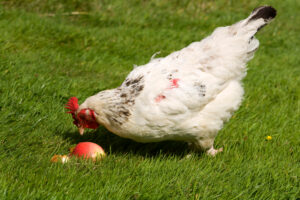
Chickens and domestic ducks also enjoy catching and killing these bugs when allowed out for supervised free-range time, but care should be taken to limit their consumption, as ingesting these bugs may cause vomiting. Also, be careful that the lanternflies backyard birds are catching have not been exposed to pesticides.
Reporting and Tracking Lanternfly Infestations
When dealing with an infestation of spotted lanternflies on your trees, grapevines, and berry bushes, or if these bugs have not been previously spotted in your area, contact your county extension office to report the problem.
Final Tips for Effective Spotted Lanternfly Control
Spotted lanternflies are difficult to eliminate once established, but early action can help reduce their numbers and limit their spread. Remove egg masses when possible, monitor susceptible plants and use control methods appropriate for your property. If you find spotted lanternflies in a new area, contact your local extension office for guidance on reporting and management.
This article about spotted lanternfly control on hobby farms was written for Hobby Farms magazine. Click here to subscribe.