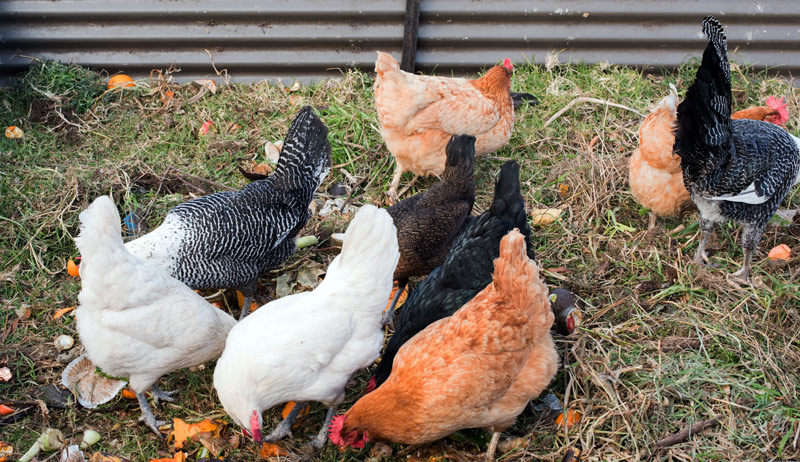
Toxic foods for chickens are more common than many flock owners realize, especially in summer, when seasonal treats are plentiful. From kitchen scraps to leftovers, it’s tempting to share with your hens, some foods can seriously harm them. Here are four summer foods that are toxic to chickens and should be kept off the menu.
1. Spinach – High Oxalates Can Block Calcium
Fresh spinach salads are a summer-meal staple, tossed with everything from sliced eggs and chopped walnuts to crunchy pepitas and juicy strawberries. While these toppings are totally safe for chickens, the spinach itself is not.
Spinach leaves contain oxalic acid, which binds with calcium, blocking its absorption into the body. This can be catastrophic for laying hens, leading to soft-shelled or no-shelled eggs, egg binding and skeletal issues. Also known as oxalates, oxalic acid can also cause kidney stones and renal failure.
How much spinach is too much? The answer varies, since no two birds are alike and flock owners define “in moderation” differently. Proponents of feeding chickens spinach point out that small amounts are beneficial to birds, due to all the nutritional positives provided by this leafy green … nutrients and vitamins that are already fully provided by chicken feed.
The safest option for your flock is to not offer spinach at all and, instead, provide safer greens such as dandelion leaves and beet greens, both of which are abundant during the summer. For me, toxic foods are best kept away from chickens altogether!
2. Green Potatoes – Solanine Poisoning Risk
Whole potatoes, wrapped in aluminum foil and cooked amidst charcoal briquettes, were part of every family cookout during my childhood. My sons, for some reason, dislike baked potatoes but adore potato salad and hand-cut fries, both of which are essential parts of our summer dining menus.
The sheer number of potatoes I peel to feed our family of six would floor you … and possibly earn me honorary citizenship in Idaho.
During prep, I make sure to carefully gather all my potato peels and carefully dispose of them in the trash. As much as I dislike adding biomass to the local landfill, I also understand that potato peels are laden with the alkaloid solanine, a toxin common to plants in the nightshade family.
Effects of solanine ingestion by chickens include diarrhea, dizziness, arrhythmia, paralysis and death. Even buts of green potato flesh contain enough solanine to endanger your chickens. Because my birds free range—and to avoid potentially poisoning wildlife, my raw potato peels never get composted. However, fully cooked potatoes—and their peels—can be safely ingested by chickens.
So remember: cooked potatoes are fine, but raw potatoes are one of the toxic foods for chickens.
3. Avocados – A Hidden Danger in the Pit and Skin
Avocados and summer go hand in hand. I fondly recall plucking ripe avocados from my grandmother’s trees when I was a child. My Uncle George and I would sit on the low wall surrounding the garden, eagerly diving into these delicious home-grown treats with our spoons.
Every now and then, the avocados I picked were nowhere near ripe. My uncle would amuse himself by hurling these into the garbage bin. Every now and then, my grandmother would scold him, telling him we could always just set the unripe fruit on the wall to ripen for a few days. My uncle’s expression would grow serious and he’d reply, “You know we can’t.”
I never understood his mysterious words and solemn expression until years later, when I learned that not even a half-ounce of avocado flesh was enough to fatally poison a parakeet. It’s not just the avocado flesh: the skin, the pit, even the leaves all contain the toxin persin, which can cause labored breathing, myocardial necrosis (heart-tissue death) and death within hours of ingestion.
Enjoy adding avocados to your summer salads and tacos, but toss all leftovers, skins, pits, and leaves in the trash. As far as foods toxic to chickens go, this is one of the really big ones!
4. Stone Fruit – Choking Hazard and Cyanide Risk
Peaches, nectarines, and cherries abound during the summer months. My husband Jae and I love going to our local farmers’ market to stock up on these fresh summer fruits, which we eat as snacks, as dessert and as ingredients in light, healthful entrees.
Our birds adore these fresh fruits as well and, when our enthusiasm causes us to buy more fruit than we can actually eat, we share them with our chickens … but not before we remove the pits.
All members of the Prunus genus—which includes chokecherries, almonds, apricots, cherries, nectarines and peaches—contain pits high in amygdalin. Amygdalin converts into the toxin cyanide when digested. Chickens poisoned by cyanide typically die within 15 to 30 minutes of ingesting the poison, which prevents cells from absorbing and using oxygen, causing irreversible cellular damage and death.
Share your summer fruits with your flock, as long as you first put the pits in their place: safely in the garbage can.
FAQ: Toxic Foods for ChickensQ: What foods are most toxic to chickens?A: Avocados, chocolate, moldy foods, and green potatoes or tomatoes are among the most toxic. They can cause digestive distress, respiratory issues, or death. Q: Can chickens eat watermelon or other fruits?A: Yes, most fruits like watermelon, berries, and apples (without seeds) are safe in moderation and help keep chickens hydrated in summer. Q: What happens if a chicken eats something toxic?A: You may see symptoms like lethargy, diarrhea, tremors, or difficulty breathing. Contact a veterinarian immediately. Q: Are moldy scraps ever safe for chickens?A: No. Moldy food can contain mycotoxins that are extremely dangerous and should never be fed to chickens. |
Final Thoughts: Toxic Foods for Chickens
Keeping your flock healthy starts with knowing what not to feed them. Toxic foods for chickens—especially those common in summer—can lead to serious health issues or even be fatal. By avoiding risky treats like avocados, chocolate, moldy scraps, stone fruit pits, green potatoes, and high-oxalate greens like spinach, you’ll help ensure your hens stay safe, productive, and happy all season long. When in doubt, stick to fresh produce and chicken-safe snacks, and always monitor your flock after introducing something new.
This article about what not to feed chickens was written for Chickens and Hobby Farms magazines. Click here to subscribe.