The turnip jack-o’-lantern was the original Halloween lantern long before pumpkins took its place. Weekends at my grandparents’ farm often included Saturday morning pancakes, blackberry picking, fishing … and turnip snacks before bedtime. I was not the least bit insulted that while Grammy cut slices of the white and purple vegetable, she alternated between feeding me and the dog.
Turnips have gone from being a common treat to mystifying the checkout girl at our local grocery store. I was reminded of those late-night turnips recently as I began preparing for Halloween. If you haven’t already guessed, I’m a plant geek. While other parents happily tote home pumpkins for their kids to decorate, I try to persuade mine to carve turnips instead. After all, turnips were the original jack-o’-lantern.
Key Takeaways
- Turnips were the original Halloween lanterns: In Ireland, people carved root vegetables such as turnips to create glowing lanterns associated with the legend of Stingy Jack.
- Pumpkins eventually replaced turnips: Irish immigrants brought the lantern-carving tradition to North America, where pumpkins became the more popular choice.
- Turnips are easy to grow: These cool-season root vegetables mature in about two months and can be planted in spring or fall.
- Turnips are edible, too: The roots and leafy greens provide nutrients and can be eaten raw or cooked.
The Folklore Behind the Turnip Jack-O’-Lantern
The story of the jack-o’-lantern varies, as all good stories do. Jack either made a deal with the devil never to take his soul or escaped from the fiery pit. Either way, because he fit neither in the land of the living nor beyond, he was doomed to wander the world searching for a final resting place. According to legend, he carved his favorite vegetable and placed a hot coal inside to guide him through the darkness.
The Irish legend of Stingy Jack has been passed down for generations, helping explain the tradition of carving lanterns from root vegetables. In Ireland, winter was approaching, and root vegetables like turnips were valuable staples that could keep well in cold storage.
Why Turnip Jack-O’-Lanterns Are Perfect for Halloween
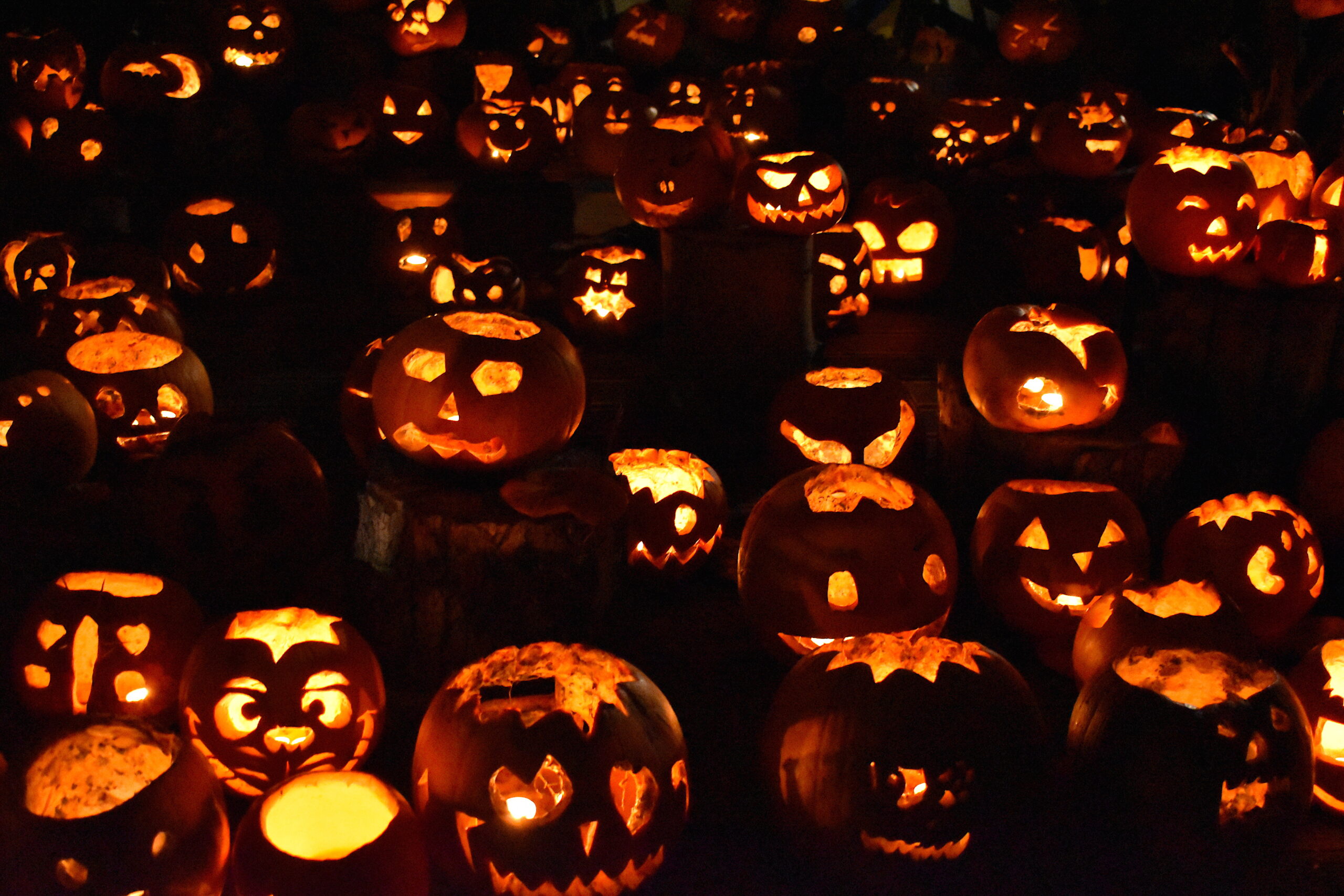
Turnips were ideal for carving because of their sturdy nature. They could hold a candle or a coal and provide light during long autumn nights. When the tradition of carving vegetables came to the New World, pumpkins eventually replaced turnips — but the turnip jack-o’-lantern is the original spooky, glowing symbol of Halloween.
Health Benefits of Turnips
Beyond folklore, turnips (Brassica rapa) are nutritional powerhouses. High in fiber, this cousin to broccoli may help lower the risk of digestive issues, some forms of cancer, and high blood pressure. They are packed with vitamins B and C, potassium, and can be enjoyed raw, roasted or sautéed. Don’t forget the greens — they’re edible and full of nutrients too.
Growing & Storing Turnips
Growing turnips for your own turnip jack-o’-lantern is easy. They mature in just two months, allowing multiple plantings. Turnips prefer full sun, acidic and well-drained soil, and plenty of compost. Avoid soggy soil to prevent rot. The best time to harvest is spring and fall, when the roots are small and sweetest.
For winter storage, you can leave turnips in the ground under a thick layer of mulch or harvest them, remove the greens, and store them in a refrigerator or root cellar.

Shutterstock
Turnip Jack-O’-Lantern FAQs
Were turnips the original jack-o’-lanterns?
Yes. In Ireland and other parts of the British Isles, people carved turnips and other root vegetables into lanterns before pumpkins became the familiar Halloween choice in North America.
Why did people carve turnips for Halloween?
Turnip lanterns were associated with the Irish legend of Stingy Jack. People carved faces into the vegetables and illuminated them with candles or embers as part of old Halloween traditions.
How do you make a turnip jack-o’-lantern?
Choose a large turnip, carefully cut off the top, and scoop out enough of the firm flesh to create a hollow space. Carve a simple face into the side, then add a battery-operated tea light. Because turnips are dense and difficult to carve, use a sturdy tool carefully and supervise children.
Can you eat turnips after carving them?
You can eat turnips that are fresh, clean, and suitable for food, but carving can introduce dirt and bacteria. If the turnip has been sitting out, has been handled extensively, or has been exposed to candle residue, discard it rather than eating it.
From Turnips to Pumpkins
Though pumpkins have become the iconic Halloween vegetable, the turnip jack-o’-lantern holds a special place in history. If you’re looking for an old-world, slightly spooky, and authentic Halloween tradition, carving a turnip is a fun way to honor the original tale of Jack and his lantern.
This article about making a turnip jack-o’-lantern was written for Hobby Farms magazine. Click here to subscribe.