Winter livestock management is crucial for keeping animals healthy, maintaining proper body weight, and preparing for spring births. Midwinter is the ideal time to evaluate the condition of your herd or flock, identify animals that may be underweight, and adjust feeding or care as needed. One of the most reliable ways to do this without scales is body condition scoring (BCS)—a hands-on method that assesses fat coverage and muscle tone in horses, cattle, goats, sheep, and even backyard poultry. Regularly checking winter livestock helps ensure each animal is thriving and ready for the season ahead. Let’s go through a few to take a closer look.
Assessing Body Condition in Horses
Horse owners should use the Henneke Horse Body Condition Score, which utilizes a range of 1 to 9, with 1 being extremely emaciated and 9 being extremely obese. This score emphasizes evaluating a horse’s neck, withers, tailhead and ribs, as these are common places for fat deposits.
Given that many horses grow thick winter coats, in order to best determine a horse’s BCS, get your hands on your horse and see how easily you can feel ribs or how rounded the crest of the neck really is. Keep in mind that there isn’t one perfect score for all horses. Lanky, athletic thoroughbreds are frequently at a score of 4, while chunkier ponies tend to sit about a 6.
The importance of using this system is to monitor changes in an individual animal over time. If your horse started as a 5 in the fall but now is a 4 or a 3, this indicates the animal is not consuming enough calories to maintain body weight, and some management changes are needed. Likewise, if your horse started as a 6 but is now an 8, maybe you’ve given that animal too much time off for Christmas vacation.
Evaluating Winter Livestock: Cattle Condition
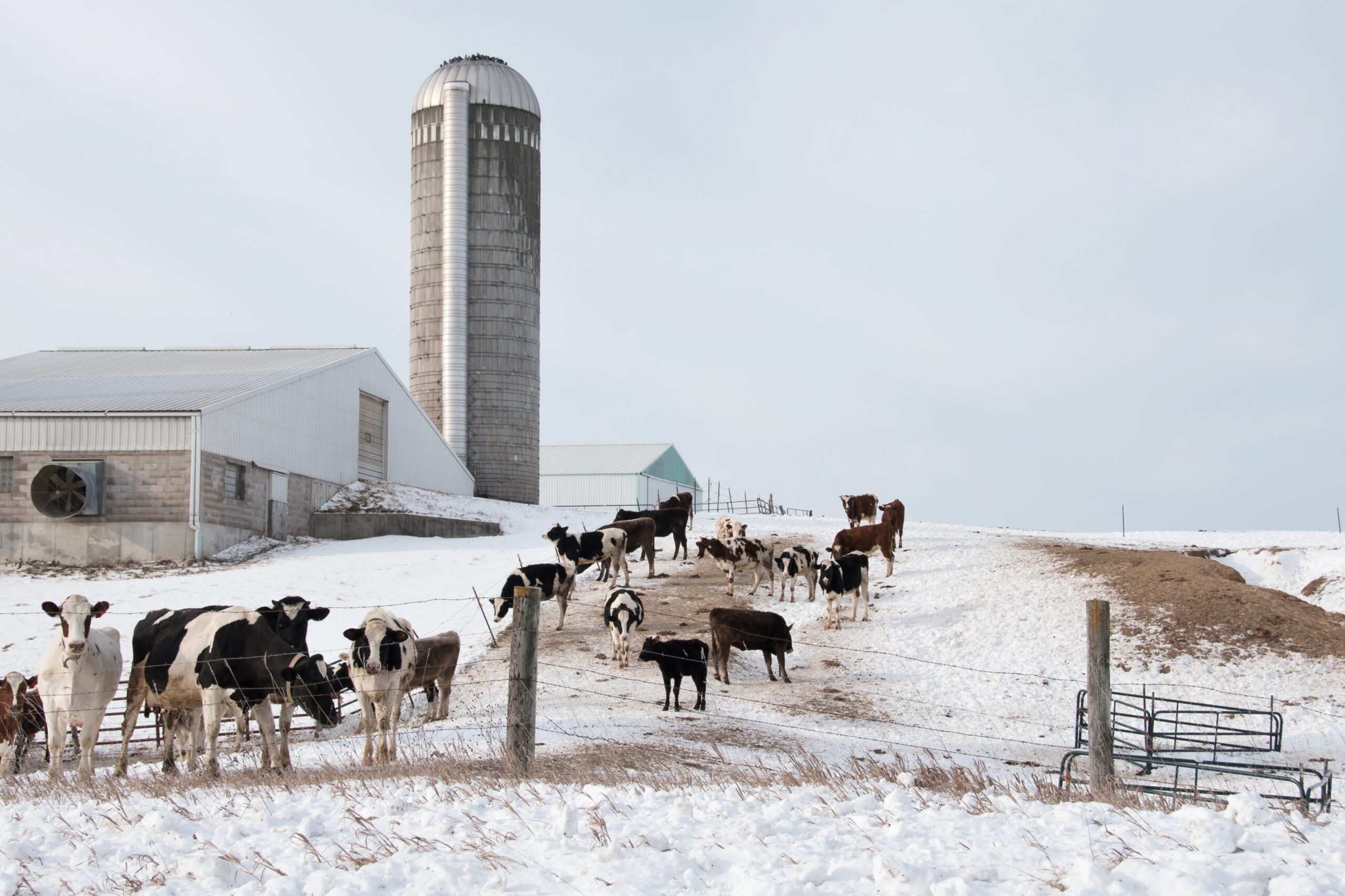
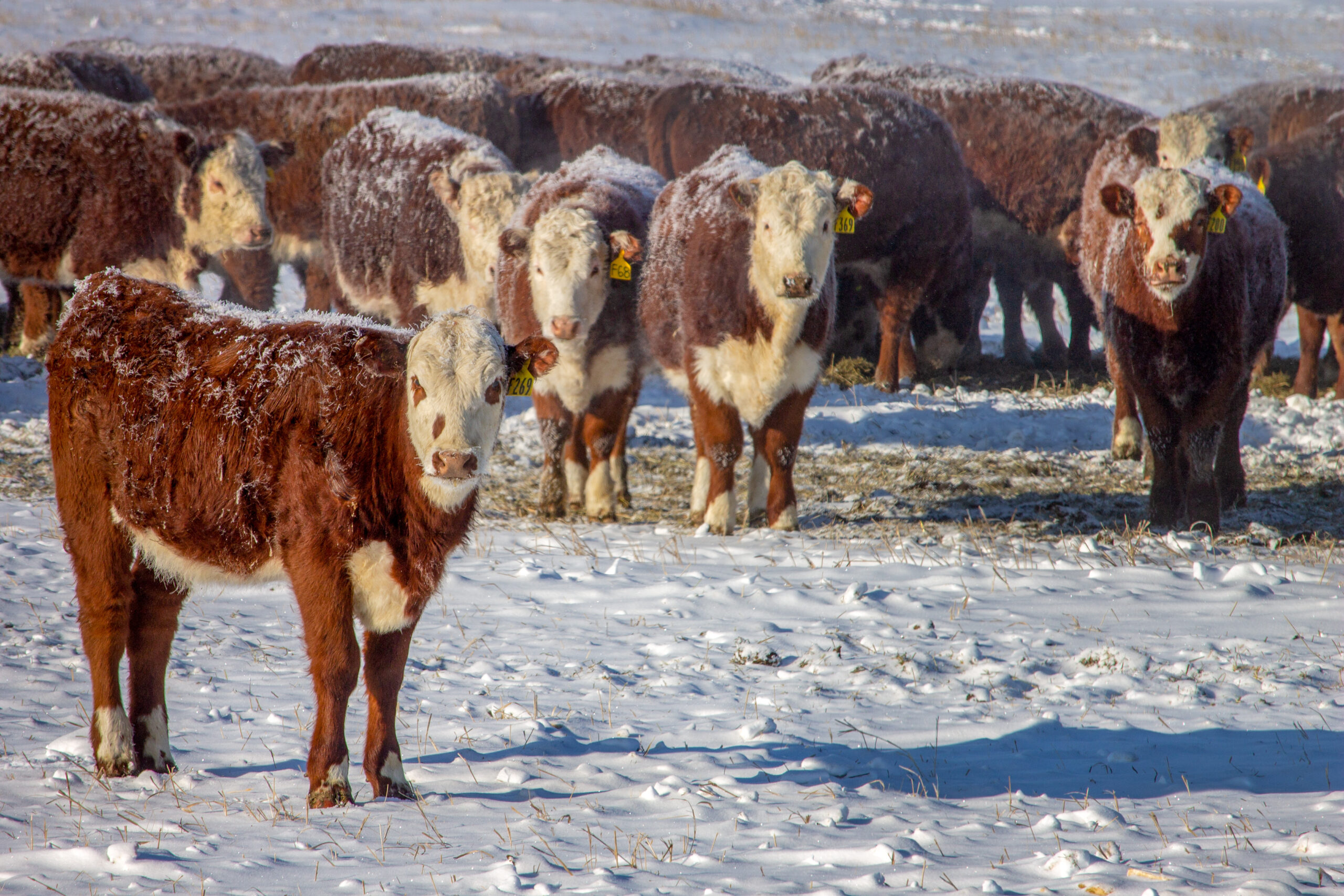
Beef cattle have a 9-point scale like horses, but the anatomical landmarks are a little different. Instead of looking at a cow’s neck like you would a horse, a major emphasis is on the cow’s pelvis—namely, how prominent are her “hook” and “pin” bones. With cattle, it’s ideal to evaluate the animal from the side and behind to get the best sense of the depth of bony prominences.
Dairy cattle use a different scale that ranges from 1 to 5, typically including increments of 0.5. Anatomical locations are the same as for beef cattle. Most dairy herds should aim for scores ranging from 2.5 to 4.0, but notice that individual body conditions within a herd will normally vary over the course of a year based on where a particular animal is in her lactation cycle. For example, in the period after freshening (calving), a dairy cow might be a 2.5 while a dry (non-lactating) cow might be a 3.5 or 4.
Checking Goats and Sheep
Dairy goats are evaluated using the same scale as dairy cows; however, goat evaluation involves more hands-on assessment. Placing your hand along her spine, hips, and sternum allows a good sense of the fatty tissue present. If desired, the same scoring system can be used for meat goats.
Although a bit arbitrary, sheep scoring uses a scale of 1 to 5, without the 0.5 increments. Most ewes should be kept between a 2 and a 4, depending on her life stage.
Body Condition Tips for Backyard Poultry
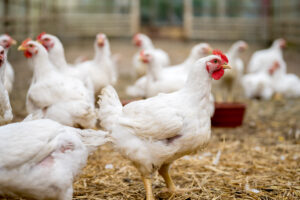
Interestingly, a fully accepted body condition score for chickens hasn’t been developed yet. A 2010 paper from New Zealand suggested a 0 to 3 scale, which farmers might consider. Like the other scales, it involves evaluating the prominent bones of the animal, and in this case, the keel of the bird is used.
Practical Tips for Accurate Scoring
If you have a hard time determining whether an animal is a 4 or a 5 on a scale, particularly on a 9-point scale, take a step back. First, train your eye on any obviously thin or fat animals in the group. Identifying those outliers can clue you in to the more subtle changes between animals that are closer to where they should be.
Winter Livestock: FAQ
Q: What is body condition scoring (BCS)?
A: Body condition scoring is a hands-on method to evaluate an animal’s fat coverage and muscle tone. It helps you determine if livestock are underweight, overweight, or in ideal condition.
Q: How often should I check winter livestock condition?
A: For most herds or flocks, midwinter is an ideal checkpoint. High-risk or pregnant animals may need more frequent monitoring to ensure proper nutrition.
Q: Can I assess livestock condition without scales?
A: Yes. BCS relies on visual and tactile evaluation of key areas like the ribs, spine, and pelvis, making it effective without a scale.
Q: Does a winter coat affect body condition scoring?
A: Thick winter coats can make it harder to see fat deposits. Use your hands to feel areas like the neck, ribs, and tailhead for an accurate score.
Q: What should I do if an animal is underweight?
A: Separate thinner animals if needed and adjust feeding plans. Monitoring condition now helps ensure they are in optimal health by spring.
Q: How do I body condition score chickens?
A: While there isn’t a fully standardized scale for chickens, you can check the keel (breastbone) and overall muscle/fat coverage. Feel along the breastbone—too prominent indicates underweight, while hard-to-feel bones may indicate overweight.
Q: Can I use the same BCS scale for goats and sheep?
A: Dairy goats can use the same 1–5 scale as dairy sheep or cows, but meat goats may need slightly adjusted interpretation. Focus on the spine, hips, and sternum to judge the condition.
Q: How can small-scale farmers track livestock condition effectively?
A: Keep a simple chart or notebook with each animal’s BCS at regular intervals. This helps spot trends over time and quickly identify animals needing extra attention.
Q: Are winter feeding adjustments different for mixed-species small farms?
A: Yes. Each species has unique energy needs. Monitor body condition closely and adjust feed amounts or quality to ensure all animals maintain a healthy score through winter.
Q: What’s the easiest way for backyard farmers to notice underweight animals?
A: Compare individuals within the group. Animals that look noticeably thinner or feel bony compared to their peers are likely underweight and should be prioritized for feeding adjustments.
This article about winter livestock management was written for Hobby Farms magazine. Click here to subscribe.