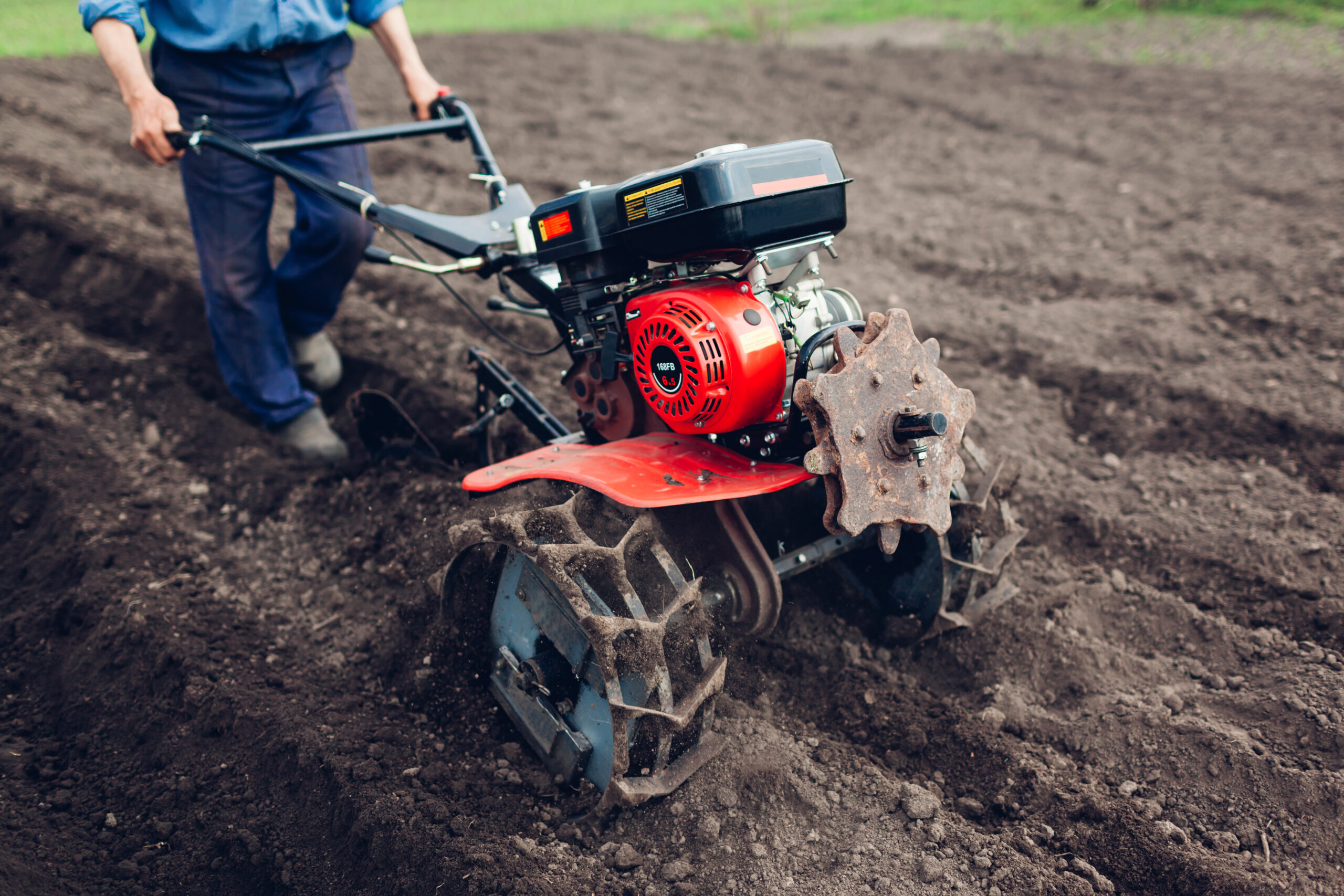
What do farmers do in the winter varies by the severity of the weather. While there are always winter farm chores that have to be done, the list can expand in a mild winter. With more available outdoor time, chores that would normally have to wait until spring can be started early.
Since the grass isn’t growing and it’s far too early to start planting the garden, there’s a window of time during mild winter weather to focus on “would-be-nice” projects that often get passed over for more time-sensitive and mission-critical tasks during busier times of the year.
Mild Winter Farm Projects
Here are some personal examples of projects for mild-weather winters.
Clearing Trails and Woodland Access
I enjoy clearing walking trails through the wooded section of my farm and opening up access to special trees and neat locations that otherwise require a bit of bushwhacking to reach. But of course, just-for-fun projects like these are pretty low on the priority list during spring, summer, and fall.
In a normal winter, reaching the woods is difficult because of snow depth. The snow also prevents me from cutting down brush and sapling trees at ground level. Mild weather is a great opportunity to cut new trails.

Grafting trees. Photo by yanadjan.
Practicing Fruit Tree Grafting
Mild winter weather opens up options for practicing grafting fruit trees. Many wild apple trees are growing in an old livestock pasture on my farm, and I’ve been hoping to use them as a training ground for improving my grafting skills. Accessing the pasture isn’t easy when there are two feet of snow on the ground. It’s similarly difficult to make delicate grafts of scion wood onto branches when it’s 10 degrees outside and you’re wearing thick winter gloves. But with warm temperatures and practically dry ground, I have no excuse not to head outside and conquer all types of grafts during winter downtime.
Pruning Fruit Trees in Mild Winter
Pruning non-wild fruit trees in my orchard can be difficult in bad winter weather since accessing the trees at the right time of year (before they leaf out) is always a challenge; most winters, by the time snow melts enough to make pruning feasible, the trees are already waking up for spring. A mild winter allows engaging in corrective pruning.
Defining a Mild Winter
Exactly what constitutes a mild winter will vary from region to region. Maybe it means temperatures are warm enough to prep garden beds a month or two earlier than usual. Perhaps it means diving into “spring cleaning” while it’s still winter. Maybe you can cut up and haul away a tree that fell during a storm. Or maybe you can tackle routine fencing maintenance that would normally wait until spring. The effects of a mild winter and the ways you can capitalize on it will vary widely depending on your specific situation.
FAQ: What Do Farmers Do in Winter?
1. What do farmers do in winter when the weather is mild?
During a mild winter, farmers can tackle projects that are usually postponed until spring, such as clearing trails, pruning fruit trees, practicing grafting, repairing fences, and prepping garden beds.
2. How can I tell if my winter is mild enough for outdoor farm work?
A mild winter typically means temperatures stay above freezing for extended periods, snow is minimal, and the ground isn’t too muddy or frozen. This allows safe access to orchards, pastures, and wooded areas.
3. Which farm projects are best suited for a mild winter?
Projects like trail clearing, orchard pruning, grafting fruit trees, repairing equipment or fencing, and “spring prep” work in the garden are ideal for mild winter conditions.
4. Can I prune fruit trees during winter?
Yes! Mild winter weather makes it easier to prune fruit trees before they leaf out, helping improve tree structure and encouraging healthy spring growth.
5. Are there safety tips for working outdoors in mild winter weather?
Yes—avoid muddy fields that can trap equipment, dress in layers for variable temperatures, and be mindful of frozen or slippery surfaces, especially when handling heavy branches or tools.
6. Can mild winters affect livestock care?
Mild winters often make routine livestock chores easier, allowing farmers to check pastures, move animals more freely, and maintain fences and shelters without the challenges of deep snow or extreme cold.
Hopefully, these ideas will help farmers make a list of mild winter projects. It’s easy to fall into the trap of thinking that certain projects are only done at certain times of year but if you’re enjoying a mild, quiet winter and cutting a woodland trail beckons… why not take advantage? Favorable weather should never be allowed to slip by unused on a farm.
Just be careful not to sink a hay wagon full of branches and logs in a muddy field. Been there, done that!
This article about what do farmers do in the winter was written by Hobby Farms magazine online. Click here to subscribe.