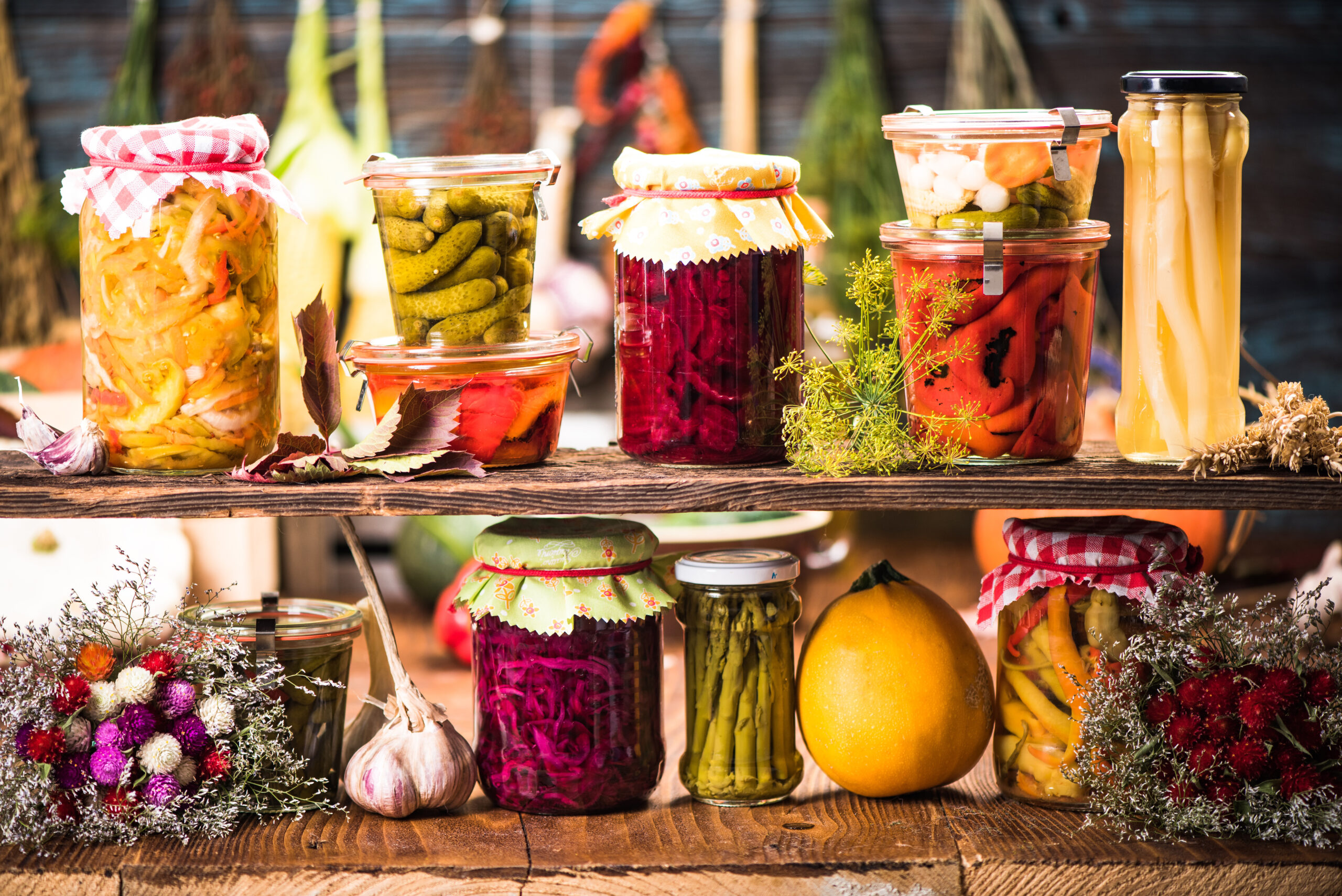
Starting a canned food business can turn your love of preserving harvests into a profitable farm-based venture. If canning jars line your counters each season and friends rave about your pickles, salsa or jam, you may already have the foundation for a successful small business.
One of the biggest advantages of a canned food business is flexibility. You can begin with produce you already grow, test recipes in small batches and expand over time. Whether you plan to sell at farmers’ markets, craft fairs or local shops, thoughtful planning can help you build a business that fits your goals.
Just as you organize jars, ingredients and equipment before canning, it pays to prepare the essentials before launching. Use these 10 tips to help start and grow your canned food business.
Canned Food Business Key Takeaways
- A canned food business can create additional income from farm produce.
- Research cottage food laws and state regulations before selling.
- Start small to test products, pricing and sales outlets.
- Unique recipes and seasonal flavors can help you stand out.
- Accurate pricing should include ingredients, jars, labor and marketing.
- Strong storytelling helps customers connect with your farm brand.
- Canned goods can be sold year-round, especially during holidays.
- Family involvement can build valuable business skills for kids.
1. Understand State Food Laws
The good news: An increasing number of states today support “cottage food industries,” legislating requirements that make it more accessible for small food entrepreneurs to get started. To support such micro-businesses, many states have passed or are in the process of passing laws that enable specific forms of canned items to be processed for sale in a home kitchen rather than needing to rent or invest in commercial kitchen space.
The more complicated news: These laws vary tremendously by state and can change at any time. It remains your responsibility as a business owner to research and understand all aspects of your state’s laws. A state’s department of agriculture, health or commerce is typically the agency that enforces these laws. Call your local extension office for first-step guidance.
2. Start Your Canned Food Business Small
Instead of jumping full-force into your start-up canning business and investing in equipment and committing to multiple farmers’ markets, start small and harvest learning along the way. You may find you don’t like the weekend market schedule because it takes too much time away from your family and you’d rather focus on having a booth at a few larger events.
3. Find a Profitable Niche
Think out of the strawberry jam and dill pickle jar. The American palette and food preferences constantly evolve with an increasing number of “foodie” shoppers seeking unusual and distinct flavors. So experiment with unique flavor combinations for your canned food. Think about creating distinct “limited edition” batches that pair sweet and savory, such as pears with ginger.
4. Source Quality Ingredients
You already have high-quality, fresh produce. Now, research your other canning ingredients, like sugar, and find an organic, sustainably harvested and Fair Trade option when possible. You may be able to order wholesale direct from the supplier or bulk through a local food co-op or buying club, which will bring down the cost.
5. Price Products for Profit
Remember the long list of inputs that go into your canned product when setting a fair price. Don’t forget things like canning equipment, storage, transportation, marketing and, importantly, your time spent making the canned product.
6. Market Your Farm Story
Here’s the secret to a strong marketing plan: Tell your story. Sharing your farm and explaining why your canned product is distinctly different (and better!) than the mass-produced canned food at the supermarket will draw interest to your canning business. Bring garden pictures to the farmers’ market. Start a blog to narrate your experience starting up a canning business. Share your raspberry bar cookie recipe that features your jam.
7. Manage Time Efficiently
Keep thinking of ways to make the best use of your time to most efficiently produce your canned product. Look at the weather a week in advance, plan a sunny harvest day, and hit the kitchen for canning when it rains. Write a detailed checklist of everything you need for going to market, and identify ways to best transport your canned product, like reusing the boxes the canning jars came in.
8. Sell Canned Goods Year-Round
A big benefit to canned food businesses is the ability to sell your product year-round, particularly during the holiday season when folks seek unique gifts. Identify local fall craft fairs and winter farmers’ markets that might be a good outlet for your wares.
9. Involve the Whole Family
Canned-food business ventures provide an abundant opportunity to instill the farmstead entrepreneurial spirit in your children. The more you involve everyone from the start—from deciding your business name to taste-testing recipes—the more skills your kids develop. Implement a profit-sharing program with your kids. Kids can make compelling salespeople at a market.
10. Support Other Food Entrepreneurs
As you rack up business experience, mentor others in the process. The more we support each other in growing this artisan, hand-crafted, seasonal and local food movement, the more all our ventures grow.
Canned Food Business Frequently Asked Questions
Can I start a canned food business from home?
Possibly. Many states allow certain shelf-stable foods to be made under cottage food laws, but rules vary widely. Check your state and local regulations before selling.
Do I need a license to sell canned food?
Some states require permits, inspections, labeling compliance or approved recipes. Always verify requirements with your state agriculture or health department.
What canned foods sell best?
Popular items often include jams, jellies, pickles, salsa, relishes, sauces and seasonal specialty products. Unique flavors can attract repeat customers.
Where can I sell canned goods?
Common outlets include farmers markets, craft fairs, farm stands, online local pickup sales where allowed, and specialty retailers.
Is a canned food business profitable?
It can be profitable when products are priced correctly, ingredients are sourced wisely and sales channels are chosen carefully. Small batches help reduce risk while you grow.
Conclusion
A canned food business can be a rewarding way to turn garden abundance and preserving skills into a steady income. By learning your local laws, starting small, developing standout products and marketing your story, you can build a business that grows one jar at a time.
This article about starting a canned food business was written for Hobby Farms magazine. Click here to subscribe.