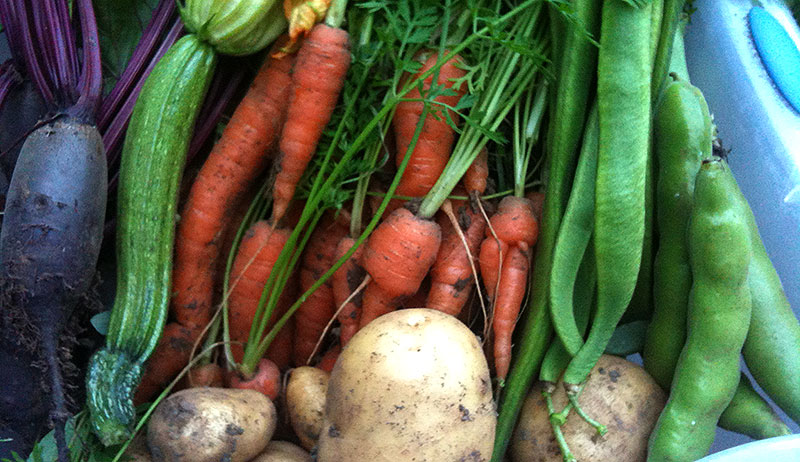
Every growing season brings the same rewarding moment: baskets of fresh vegetables, herbs, and greens coming in faster than you can use them. Whether it’s zucchini, beans, leafy greens, or early root crops, the garden quickly becomes a source of abundance.
Learning how to grow your own food is one of the most practical steps toward greater self-reliance. It doesn’t require acreage or advanced skills—just a few intentional choices that turn even small spaces into productive, edible gardens.
Key Takeaways
- Growing your own food is one of the most practical ways to increase self-reliance at home.
- Starting small—like herbs, leafy greens, or container crops—builds confidence and steady harvests.
- Sharing extra produce strengthens community connections and reduces waste.
- Healthy soil is the foundation of any productive garden, and composting is one of the easiest ways to improve it.
- Perennial crops and long-term plantings help create a more reliable, low-effort food supply over time.
Here are five simple ways to grow your own food this season and keep the momentum going all year long.
1. Grow Herbs You Use Most Often

iStockphoto/Thinkstock
When you’re learning to grow your own food, herbs are one of the best places to start—especially the ones you reach for most often in cooking. Basil is a perfect example. Instead of buying small, expensive packages that wilt quickly, growing your own plant ensures a steady supply all season long.
Basil thrives in containers, raised beds, or garden plots and responds well to regular harvesting. The more you pinch it back, the more it produces. By focusing on high-use herbs like basil, parsley, and cilantro, you can reduce grocery store trips and keep fresh flavor within easy reach right from your own kitchen or patio garden.
2. Plant More Than You Need (and Share the Rest)

dumbonyc/Flicker via CC BY-SA 2.0
We all know the zucchini jokes about sticking them in your neighbors’ car when they aren’t looking. But there’s more to that story than just passing along vegetables: By sharing our abundance, we help strengthen community ties. When neighbors and friends share in our garden harvest, we all win when connections among our neighbors grow. Also, you never know what will come back your way: We gave our neighbor Anna some of our snap peas, and she dropped off some amazing lemon curd along with her recipe.
3. Start Composting to Feed Your Soil

Shutterstock
Composting is one of the most effective ways to support a productive garden and grow your own food more successfully. Instead of sending kitchen scraps and yard waste to the landfill, composting turns them into nutrient-rich material that improves soil structure, boosts fertility, and helps plants grow stronger over time.
A healthy compost system feeds the garden from the ground up. Vegetable peels, coffee grounds, eggshells, and plant trimmings all break down into organic matter that supports beneficial soil life. The result is healthier soil, better moisture retention, and more resilient crops throughout the growing season. For anyone working toward greater food independence, composting is a simple, low-cost step with long-term benefits.
4. Add Perennial Edibles for Long-Term Harvests
Rachael Dupree
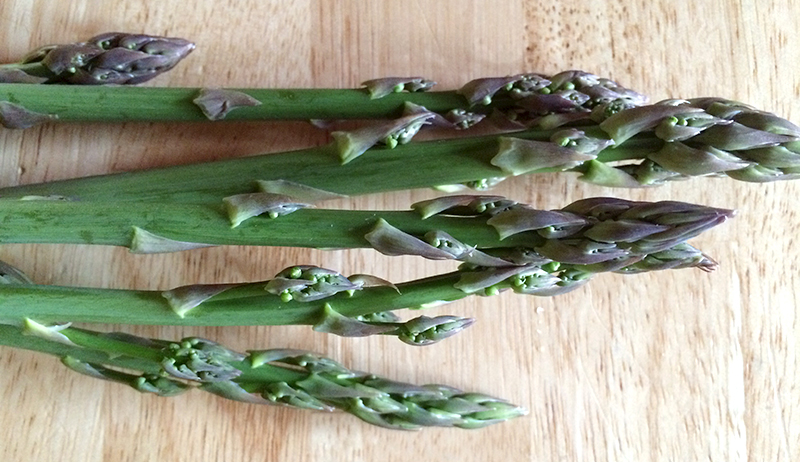
Produce such as asparagus and berries should be dubbed the independence powerhouse: You plant them once, and they keep growing and giving every year. Our fellow Wisconsin farmer friend and devout currant grower Erin Schneider of Hilltop Community Farm calls perennial fruits a means to food security.
“By eating more seasonal and locally grown fruits, such as currants, during the summer, we’re reducing fossil-fuel consumption while increasing our ability to feed ourselves within our community, which all add up to increased food security,” Schneider says.
5. Make Homemade Foods From Your Harvest

Tessa Zundel
One of the most enjoyable parts of growing your own food is turning fresh ingredients into simple homemade foods you can enjoy right away. While not everything can come directly from the garden, many ingredients used in everyday treats can be sourced locally or even from your own backyard—like berries, fruit, herbs, and farm-fresh dairy.
Homemade ice cream is a great example of this idea in action. Whether you use an electric ice cream maker or a traditional hand-crank style, you can control the ingredients and highlight seasonal flavors like strawberries, raspberries, or mint. It’s a fun way to extend the garden harvest into something memorable, turning homegrown or locally sourced ingredients into a treat that connects directly back to your effort to grow your own food.
Frequently Asked Questions
What does it mean to grow your own food?
Growing your own food means producing fruits, vegetables, and herbs at home or in a garden space rather than relying solely on grocery stores. It can range from a few container plants to a fully productive backyard garden.
What are the easiest foods to start with?
Some of the easiest crops for beginners include herbs like basil and parsley, leafy greens such as lettuce and spinach, and fast-growing vegetables like radishes and green beans. These plants provide quick harvests and build early gardening confidence.
Can a small garden really make a difference?
Yes. Even a small garden, patio containers, or raised beds can significantly supplement grocery produce. Over time, small harvests add up and reduce dependence on store-bought items, especially for herbs and fresh greens.
How does composting help you grow your own food?
Composting improves soil health by returning nutrients and organic matter back into the garden. Healthier soil supports stronger plants, better yields, and more consistent harvests throughout the growing season.