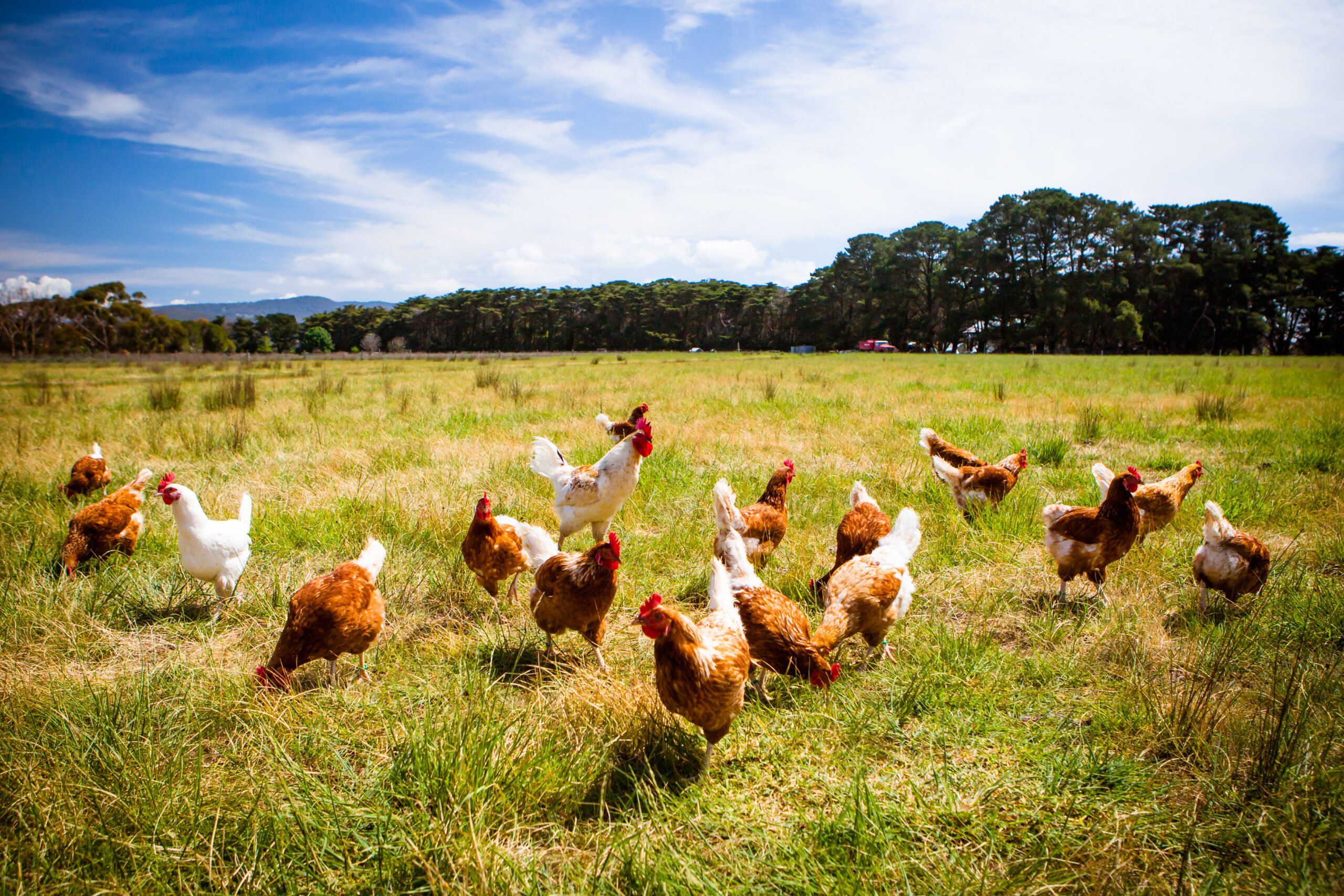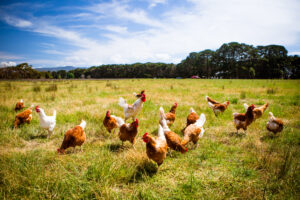
The best foraging chicken breeds can help reduce feed costs and support a more self-sufficient backyard flock. When chickens are good foragers and given space to free-range, they naturally find insects, greens, and other food sources that supplement their diet. This can significantly offset daily feed expenses while also encouraging healthier, more active birds.
While the six breeds below are known for their strong foraging abilities, there are a few important considerations when allowing chickens to free-range. Camouflage is one of them—feather colors that blend into the environment can help reduce predator risk. Another is temperament and adaptability; some breeds thrive in confinement, while others strongly prefer roaming. Finally, most heritage breeds tend to be capable foragers, so even if your favorite isn’t listed, it may still perform well in a free-range setup.
Best Foraging Chicken Breeds: Key Takeaways
- Best foraging chicken breeds can significantly reduce feed costs by supplementing diets with insects, greens, and seeds found while free-ranging.
- Heritage breeds often excel at foraging, especially those adapted to outdoor or variable environments.
- Camouflage, temperament, and climate tolerance all play a role in how successfully a breed performs in a free-range system.
- Some breeds, such as Rhode Island Reds and Plymouth Rocks, balance strong foraging ability with reliable egg production.
- Others, like Egyptian Fayoumis and Minorcas, are especially well-suited to heat and active ranging behavior.
- The Livestock Conservancy lists several of these breeds as Watch or Recovering, highlighting their importance in heritage poultry preservation.
1. Buckeye: A Hardy Cold-Weather Forager
The Buckeye is listed as Watch on The Livestock Conservancy’s Conservation Priority List. This American breed was developed in Ohio and is known for its strong foraging ability and adaptability in free-range systems.
The Buckeye is a dual-purpose bird valued for both meat and eggs. It is active, hardy in cold climates, and well-suited to pasture-based systems where it can roam extensively. Its tight feathering, pea comb, and alert temperament support survival in outdoor environments, including predator-aware flocks. Hens produce medium to large brown eggs and may exhibit broody behavior. The breed performs best with ample space for movement and natural foraging.
2. Egyptian Fayoumi: Small, Fast, and Flighty Foragers
The Egyptian Fayoumi is not currently listed on the Conservation Priority List, reflecting a stable global population. It remains a rare breed in the United States but is valued for its heat tolerance and strong survival instincts.
This small, active breed originates from Egypt and is highly independent. It matures early, thrives in hot climates, and excels in free-range conditions. Egg production is modest compared to commercial layers, but the breed compensates with efficiency and low feed dependence. Its flighty and alert nature makes it well-suited to environments where predator awareness is important.
3. Minorca: Heat-Tolerant Free-Rangers with Big Eggs
The Minorca is listed as Watch on The Livestock Conservancy’s Conservation Priority List. It is a Mediterranean breed known for large white eggs and strong free-range instincts.
The breed adapts to confinement but performs best when allowed to forage. Minorcas are tall, active birds with a reputation for being alert and sometimes cautious around humans. They are especially suited to warm climates and produce a steady supply of large white eggs. Their sleek build supports mobility, making them efficient range foragers.
4. Plymouth Rock: Docile Heritage Birds That Forage Well
The Plymouth Rock is listed as Recovering on The Livestock Conservancy’s Conservation Priority List. Once one of the most common American farm breeds, its population has stabilized due to renewed interest in heritage poultry.
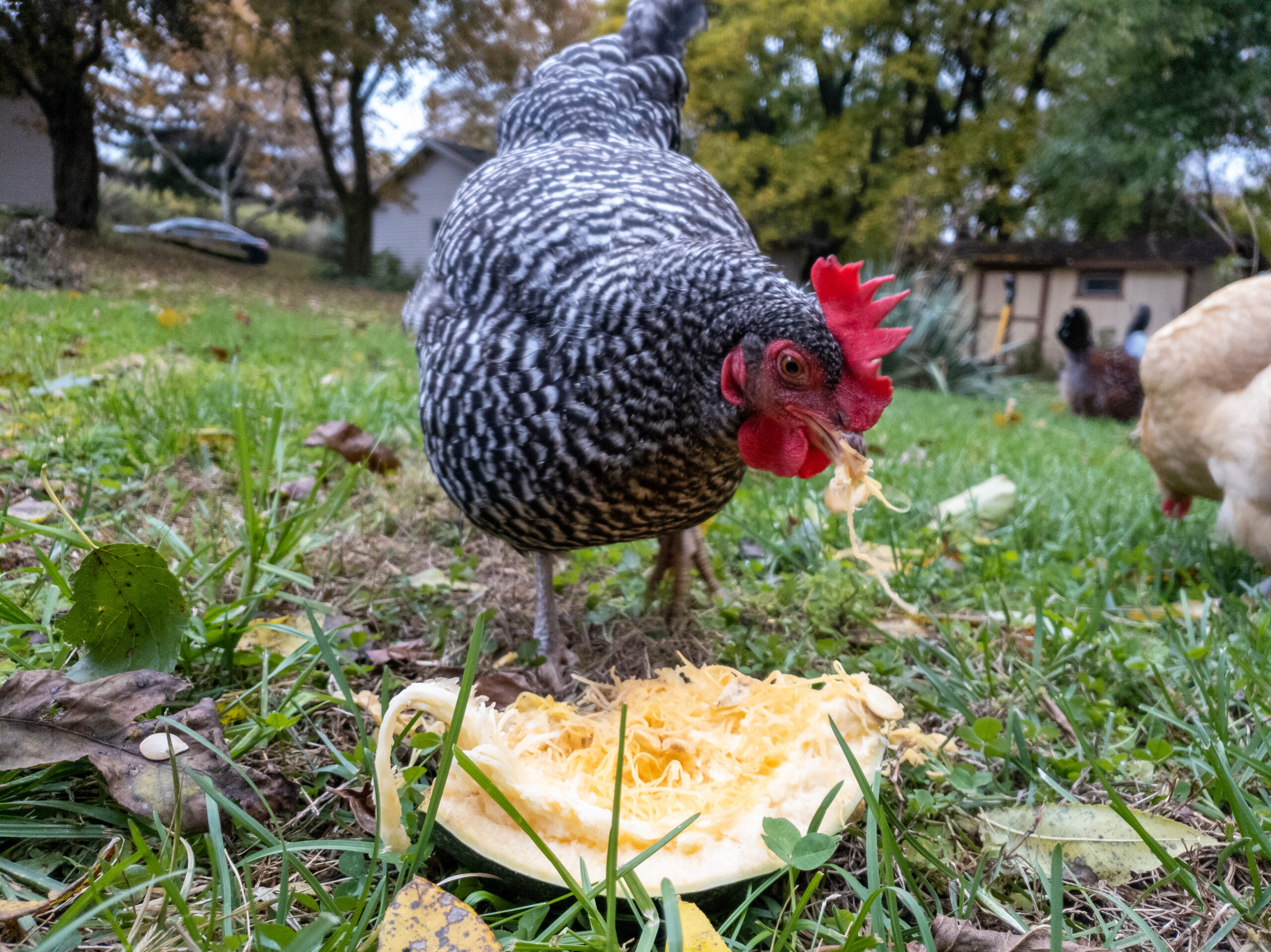
This dual-purpose breed is valued for consistent brown egg production, calm temperament, and adaptability to a variety of environments. Plymouth Rocks are generally hardy in colder climates and perform well in free-range systems. Their balanced body type supports both egg laying and meat production. The barred variety remains the most widely recognized pattern.
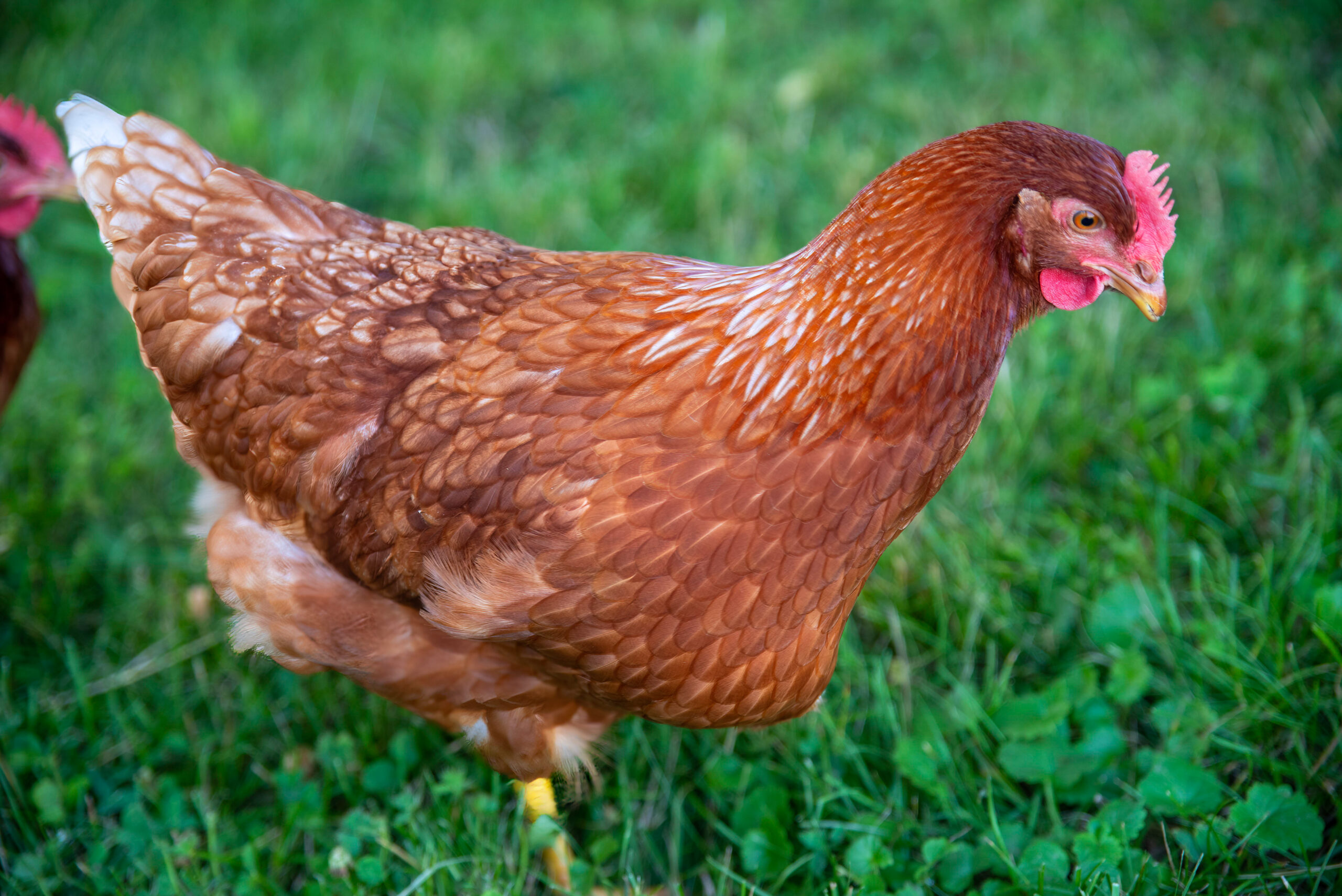
5. Rhode Island Red: Reliable Egg Layers and Active Foragers
The Rhode Island Red has graduated from the Conservation Priority List and is no longer considered at risk due to its large and stable global population.
This breed is one of the most widely recognized backyard chickens in the world. It is valued for high egg production, hardiness, and adaptability. Rhode Island Reds are strong foragers that actively search for insects and plant material when given space to roam. While generally docile hens are common, roosters may display aggressive behavior in some lines. The breed remains a reliable choice for both eggs and free-range systems.
6. Welsummer: Excellent Foragers with Dark Brown Eggs
The Welsummer is listed as Watch on The Livestock Conservancy’s Conservation Priority List. It is a heritage breed prized for both its foraging ability and distinctive dark brown eggs.
This Dutch breed is known for its partridge coloration, which provides natural camouflage in outdoor environments. Welsummers are active foragers and perform well in pasture-based systems where they can hunt insects and supplement their diet naturally. Egg production is moderate but consistent, with hens laying rich brown eggs often marked with speckling. Temperament varies, but the breed generally remains alert and adaptable.
Frequently Asked Questions for the Best Foraging Chicken Breeds
What makes a chicken a good forager?
Good foraging chickens are active, alert, and willing to roam in search of food. They tend to have efficient metabolisms and strong survival instincts, allowing them to supplement their diet with natural food sources.
Do foraging chickens still need feed?
Yes. Even excellent foragers still require a balanced base diet. Free-ranging reduces feed consumption but does not eliminate the need for complete nutrition.
Which chicken breed is the best overall for foraging?
Welsummers and Rhode Island Reds are often considered top-tier foragers due to their activity level, adaptability, and ability to thrive in varied environments.
Are heritage breeds better for foraging?
Many heritage breeds are strong foragers because they were developed in low-input, outdoor farming systems. However, performance still varies by breed and environment.
Does feather color affect predator risk?
Yes. Birds with darker or earth-toned plumage tend to blend better into natural surroundings, which may reduce visibility to predators during free-range activity.
Can all chicken breeds forage?
Most chickens will forage to some extent, but efficiency varies widely. Some production breeds rely more heavily on provided feed than heritage or dual-purpose breeds.
Selecting the best foraging chicken breeds can help create a more sustainable and cost-effective flock while supporting natural chicken behavior. Heritage and dual-purpose breeds often perform especially well in free-range systems, combining feed efficiency with dependable egg production. With the right mix of breed selection, space, and management, a backyard flock can thrive on both supplemental feed and naturally foraged foods, resulting in healthier birds and lower long-term feed costs.
This article about foraging chicken breeds was written for Hobby Farms and Chickens magazines. Click here to subscribe.