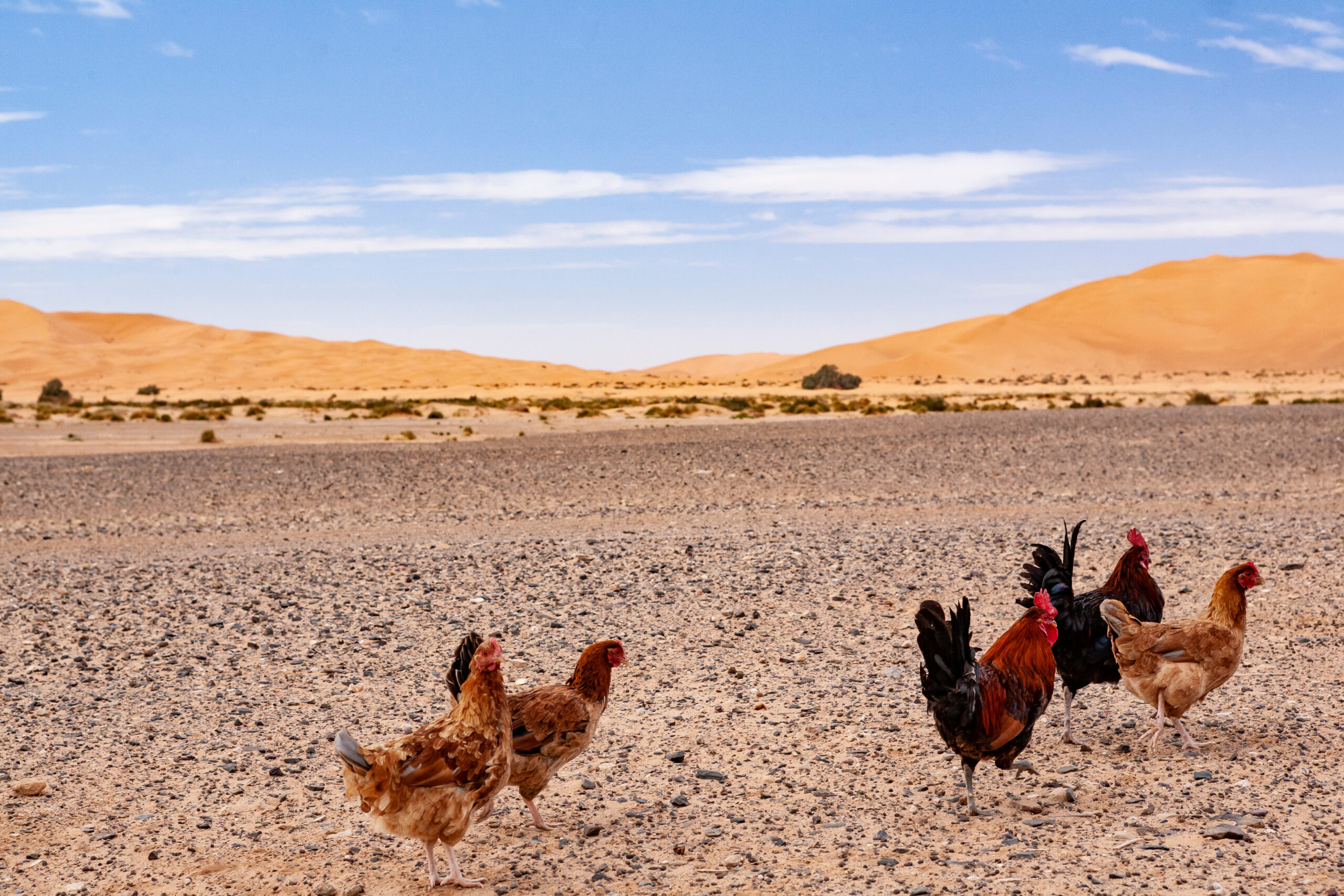
Chickens in the desert face unique challenges, from intense summer heat and blazing sun to limited water resources. For backyard chicken keepers in arid regions, providing a healthy environment means working with the climate rather than against it. With a few thoughtful strategies, you can help your birds stay comfortable and hydrated while conserving precious water.
Key Takeaways
- Choose chicken breeds that are well-suited to hot climates, such as White Leghorns, Easter Eggers and Naked Neck chickens.
- Provide plenty of shade and position the coop to minimize exposure to the hottest afternoon sun.
- Paint the coop a light color to reflect heat rather than absorb it.
- Use shade structures, ventilation and other cooling strategies to help chickens cope with extreme temperatures.
- Provide reliable access to clean water and consider additional hydration strategies during the hottest weather.
- Work with your desert environment to keep chickens comfortable while conserving water.
1. The Right Bird For The Climate

Tracey Hagen
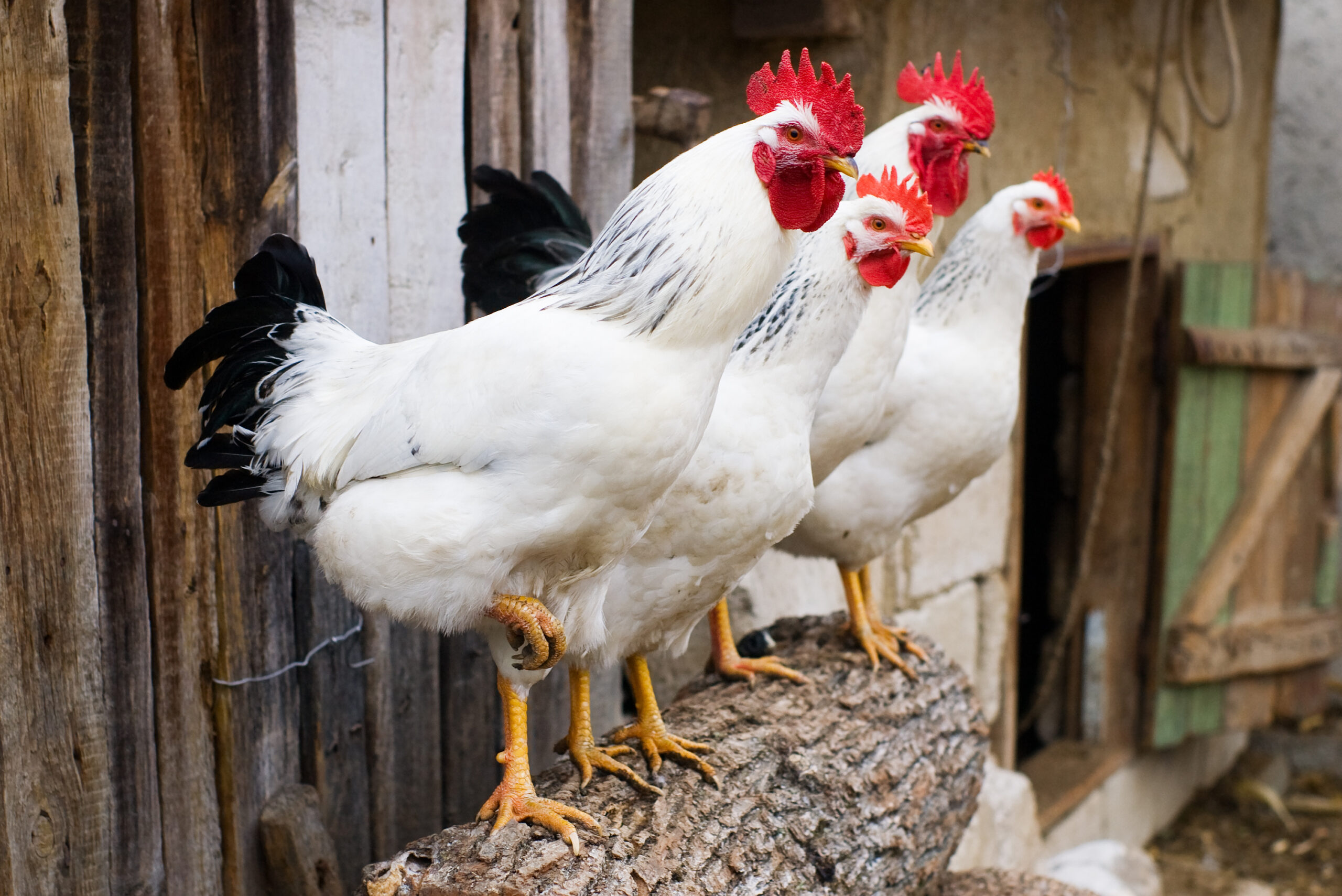
Choose a breed of chicken that is naturally adapted to hotter climates. Consider the color of the bird—a dark-colored bird will absorb more heat and may overheat more quickly during the hot summer months. Small bodied, light-colored birds with large combs and wattles will be better suited for hot temperatures. The chicken’s comb and wattle acts as a radiator, dispersing heat and allowing it to more easily regulate its temperature. Some heat-hardy breeds include the Easter Egger, White Leghorn and small bantam breeds like the Buff Silkie.
Naked Neck chickens are especially well suited for a warm climate due to their exposed necks and sparse feathers.
2. Consider The Sun
We’re not lacking in sunshine and heat in the desert, and because chickens are more likely to suffer from the effects of heat and sun rather than cold, it’s important to consider protection from the sun. Before you build your chicken habitat, spend some time evaluating your property and paying close attention to where the sun hits during all times of the day. If you’re lucky enough to have a property with mature trees, their shade will be a great help; however, mature shade trees are not typical in the landscape of the desert Southwest, so you may need to improvise and work with the environment that you have.
Ideally, position your coop on the eastern side of your property, as the morning sun will be cooler for the birds. If possible, avoid placing the coop on the western side of your property, as the hot, setting sun will roast them. Be especially mindful that the nesting boxes are not facing the hottest side of the yard. Placing the coop in the shadow of your home will also provide much-needed sun protection.
3. Paint Your Coop
If you notice, most homes in the desert Southwest have a similar color—shades of beige, peach and pink. There is a good reason for that: Lighter colors reflect the sun and help keep our homes cooler during the summer. Take a cue from the design of desert architecture and consider painting your coop a light color, as well.
4. Use Physical Shade Structures

Tracey Hagen
Add zones of shelter and sun protection within the run to give your birds a place to rest when they get hot. A reclaimed pallet or sheet of plywood leaned against a wall provides a cool, shady spot for the birds to linger under when they need a break from the sun.
5. Add Cooling Elements
Once your coop is constructed in the best possible spot and you’ve given them some physical shade structure, it’s time to think about adding some cooling elements. Misting systems utilize approximately a half gallon of water per emitter per hour. While misters are great for humans, they aren’t always the best for your chickens, whose respiratory systems sometimes can’t handle that much humidity. Fortunately, it’s not often that we encounter issues with too much humidity in the desert. Place the misters in a location where the chickens can avoid being directly sprayed by the mist. In addition, use a timer and only utilize the misters intermittently during the hottest part of the day. Check your local jurisdictions for additional restrictions on using misters during the summer.
6. Ventilate The Coop
The chicken coop needs plenty of ventilation, but also be careful of drafts. Pay careful attention to the weather patterns and microclimates in your yard. If you notice that the wind blows in a certain direction—in Las Vegas, the wind often blows from the northwest—place the coop in such a way that the wind does not blow into the coop. Choose or build a coop with plenty of windows and vents placed near the top of the coop to allow rising hot air to escape.
7. Use A Water Fountain

Tracey Hagen
8. Provide Extra Hydration

Tracey Hagen
Frequently Asked Questions
Can chickens live in the desert?
Yes. Chickens can live successfully in desert climates when they have adequate shade, ventilation, fresh water and protection from extreme heat. Choosing heat-tolerant breeds can also make it easier for chickens to cope with hot conditions.
What chicken breeds are best for the desert?
Heat-tolerant breeds with lighter coloring, smaller bodies and larger combs and wattles tend to perform well in hot climates. White Leghorns, Easter Eggers and Naked Neck chickens are among the breeds to consider for chickens in the desert.
How do you keep chickens cool in the desert?
Provide plenty of shade, good coop ventilation and reliable access to fresh water. Light-colored coop materials can also help reduce heat absorption. During periods of extreme heat, additional cooling measures may be helpful.
Where should you put a chicken coop in the desert?
Look for a location that provides protection from the hottest afternoon sun while still allowing good airflow. The eastern side of a property can be preferable because it receives cooler morning sun, while positioning the coop in the shade of a home or other structure can provide additional protection.
Do chickens need extra water in hot weather?
Chickens need consistent access to clean, fresh water, and their water needs can increase during hot weather. Monitor your birds and water supply carefully during extreme heat, making sure water is available throughout the hottest part of the day.
Keeping chickens in the desert requires some extra planning, but the right setup can make a significant difference. Shade, ventilation, heat-tolerant breeds and dependable access to water can help your flock stay comfortable through the hottest months. By working with the desert environment and using water wisely, you can create a healthier home for your chickens while conserving an important natural resource.
Love keeping chickens? Subscribe to Chickens magazine for practical advice on breeds, housing, feeding, health and enjoying life with your flock.