What can chickens eat and what can chickens not eat after the holidays is good information to know ahead of time to avoid any problems.
What Can Chickens Eat: A Holiday Leftovers List
With a fridge full of delicious side dishes your loved ones raved over but now receive looks of disdain, your chickens are about to get yet another fabulous meal. But not every extra is appropriate or healthful for your birds. Here’s our helpful list so you know what’s what.
Also read – Feed Chickens Food Scraps To Reduce Waste
Chocolate: A No-Go Treat
While we humans might consider chocolate heavenly, our chickens don’t. Chocolate toxicosis can occur in birds, dogs and other companion and livestock animals. The specific culprits are the methylxanthines theobromine and caffeine, two substances found in everything from cocoa-bean hulls and dry cocoa powder to milk and dark chocolate.
Depending on the amount and type of chocolate consumed, an animal can experience excess urination (diuresis), excessive thirst (polydipsia), vomiting, diarrhea, restlessness, seizures and tachycardia. Coma and death may soon follow.
While chocolate toxicosis typically stems from an animal ingesting excessive amounts of chocolate, lesser amounts of chocolate can be deadly to a smaller, lightweight animal such as a chicken. Just three ounces of semi-sweet chocolate can prove lethal to a 10-pound animal. If you are overloaded with holiday chocolate, consider sharing it with neighbors and colleagues versus your birds.
Read more: Avoid giving these toxic treats to your chickens!
Avocado: Toxic to Chickens
Avocado may not be a part of many holiday traditions, but in many Latino households, it’s a staple of the festivities. Because it oxidizes swiftly, avocado is one of the first things to spoil.
If your avocado dish—or your fresh or sliced avocado—starts to turn, don’t give it to your chickens! Avocado is one of the most toxic plants … and not just its flesh but its skin, seed and leaves. These are known to cause myocardial necrosis, cardiac failure and death to mammals and birds.
According to the Merck Veterinary Manual, parakeets fed 0.31 ounces of avocado flesh died within 48 hours. If you have a surplus of avocado-containing food, your best bet is to throw it away. Do not add it to your compost pile, as wild birds and animals—and foraging chickens—may come across it and succumb to toxicosis.
Potatoes: Cooked Is Best
Potatoes are plentiful during the holidays, gracing the dinner table mashed, roasted, fried, in pancake form and many other preparations. I have yet to have a Christmas in which my fridge wasn’t filled with tubs of mashed and roasted potatoes.
Are potatoes on the when can chickens eat list? Yes … and no.
Potato skins, especially green-tinged ones, contain a toxic alkaloid called solanine. Solanine affects both the nervous and digestive systems, causing vomiting, diarrhea, disorientation, stupor and depression. Fortunately, we humans prefer our potatoes thoroughly cooked, so feel free to share your extras with your birds.
Leftover Poultry Your Birds Can Eat
The centerpiece of many of our holiday menus is a roast turkey, goose or chicken. While many intrepid home cooks serve leftover poultry in sandwiches and soups, there’s often still plenty left in the fridge as our taste buds grow tired.
Is chicken (and other roasted birds) on the what can chickens eat list? The answer is yes. Chickens are not vegetarians.
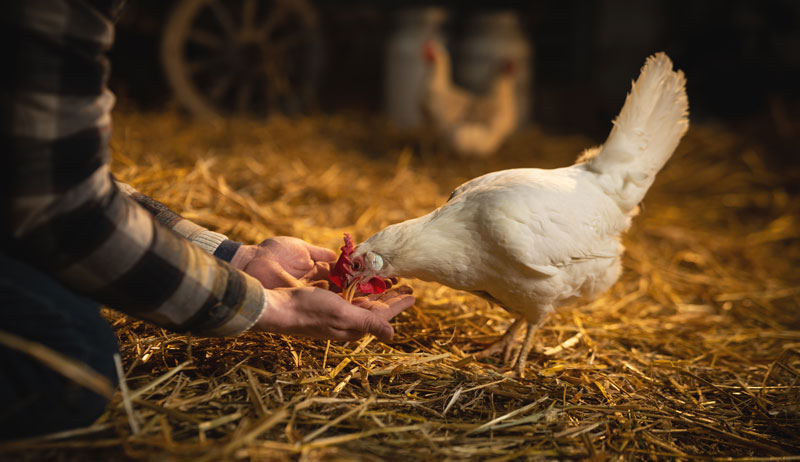
Your hens are omnivores and will eat both plant- and animal-based foodstuffs. It may seem odd or wrong to offer your poultry remainders to your flock, but your birds do not know they are eating a fellow bird. So go ahead—feed your chickens your leftover poultry.
Ham: Small Pieces Only
Ham is preferred by many for the holidays and it’s on the what can chickens eat list. Chickens adore ham leftovers.
The antics as one hen runs off with a chunk of ham, chased by the other birds, almost make the price of a honey ham worth it. If you plan to share your leftover ham with your flock, it can be best to dice it first, then offer it in small amounts. Ham is extremely salty, and excessive salt consumption by chickens can lead to salt intoxication.
Read more: Chickens aren’t vegetarians, so go ahead and give them meat.
Sugar and Sweet Treats: Keep It Light
What are the holidays without sugar? Cakes, pies, cookies, tarts, trifles, you name it … sugar is everywhere!
Bear in mind that, just like with humans, too much sugar is not a good thing for our birds. Instead of dumping an entire tub of gingerbread in front of your flock, offer perhaps one or two cookies per day, broken up into pieces. And make sure there is no chocolate!
Chickens also love sweet leftovers such as pecan pie and fruitcake. The nuts and dried fruits are a special treat for them, especially if they are all-natural or organic.
Onions: Flavorful but Risky
While not usually served on their own, onions often add flavor to festive roasts and side dishes. Are onions on the what can chickens eat list? Like potatoes, the answer is yes and no.
Eaten in small amounts, the most damage onions will do is give eggs an odd flavor. Eaten in excessive amounts, onions can cause anemia.
What Can Chickens Eat Safely: Moderation Matters
Whichever leftovers you offer your chickens, be they vegetables, starches, or proteins, bear in mind that moderation is the key. You may want to empty your refrigerator, but your birds should not be given a giant smorgasbord. At most, they should be given one or two handfuls of leftovers per day.
While they will happily gobble everything up, it is vital that they continue to draw their main nutrition from their formulated chicken feed. This ration provides the right percentage of nutrients for their health and development.
Chickens that have gorged on human leftovers will not touch their feed. Several days of feasting can be detrimental to their health. Your best bet—and theirs—is to start offering your chickens small amounts of leftovers well before you get tired of seeing them in your fridge.
What Can Chickens Eat: Final Thoughts
After the holiday celebrations are over, it can be tempting to empty the fridge straight into your chickens’ feed bowls. While many leftovers are safe in small amounts, it’s important to know which foods to avoid and which can be shared. Moderation is key—your flock’s main nutrition should still come from their regular feed, with holiday treats offered sparingly.
By planning ahead and knowing what’s safe, you can treat your chickens to a few festive extras without putting their health at risk. A handful of carefully chosen leftovers can be a fun reward for your birds, helping reduce waste while keeping your flock happy and healthy long after the holidays are over.
This article about what chickens can eat and what chickens can’t eat was written for Hobby Farms and Chickens magazines. Click here to subscribe.