Potassium in soil is one of the three essential nutrients plants need to grow strong and healthy. Along with nitrogen and phosphorus, it plays a vital role in photosynthesis, moisture control, and overall plant resilience. There are three basic “macronutrients” that plants obtain from the soil—nitrogen, phosphorus, and potassium. Each one is a basic element (recall the periodic table), and each is represented by a letter—N for nitrogen, P for phosphorus, and K for potassium (because of its Latin name, kalium). As a gardener or small-scale farmer, it’s easy to hear these words, acknowledge them, and then move on without really understanding them. But maybe you’re wondering what soil potassium is, and do I need to think about it?
Potassium in Soil: Why Plants Need It
When it comes to your plants, potassium is critical and performs many functions. It’s involved with photosynthesis. It helps activate various plant enzymes and hormones. And it plays a significant role in managing the opening and closing of the stomata in leaves, which dictates plant moisture control. Stalks and stems need potassium to stay strong and rigid.
Potassium Deficiency in Plants: Symptoms to Watch For
So what does potassium deficiency look like in your garden or your crops? You’ll probably see your plants responding worse to stress—perhaps they struggle more in dry conditions, or become more susceptible to pests and disease. You might see slow growth, stalks or stems bending over instead of standing up. But a really good indicator is chlorosis—yellowing between the veins of the plant’s leaves. If it’s serious enough, the leaves might even curl or turn brown.
How to Test and Improve Soil Potassium Levels
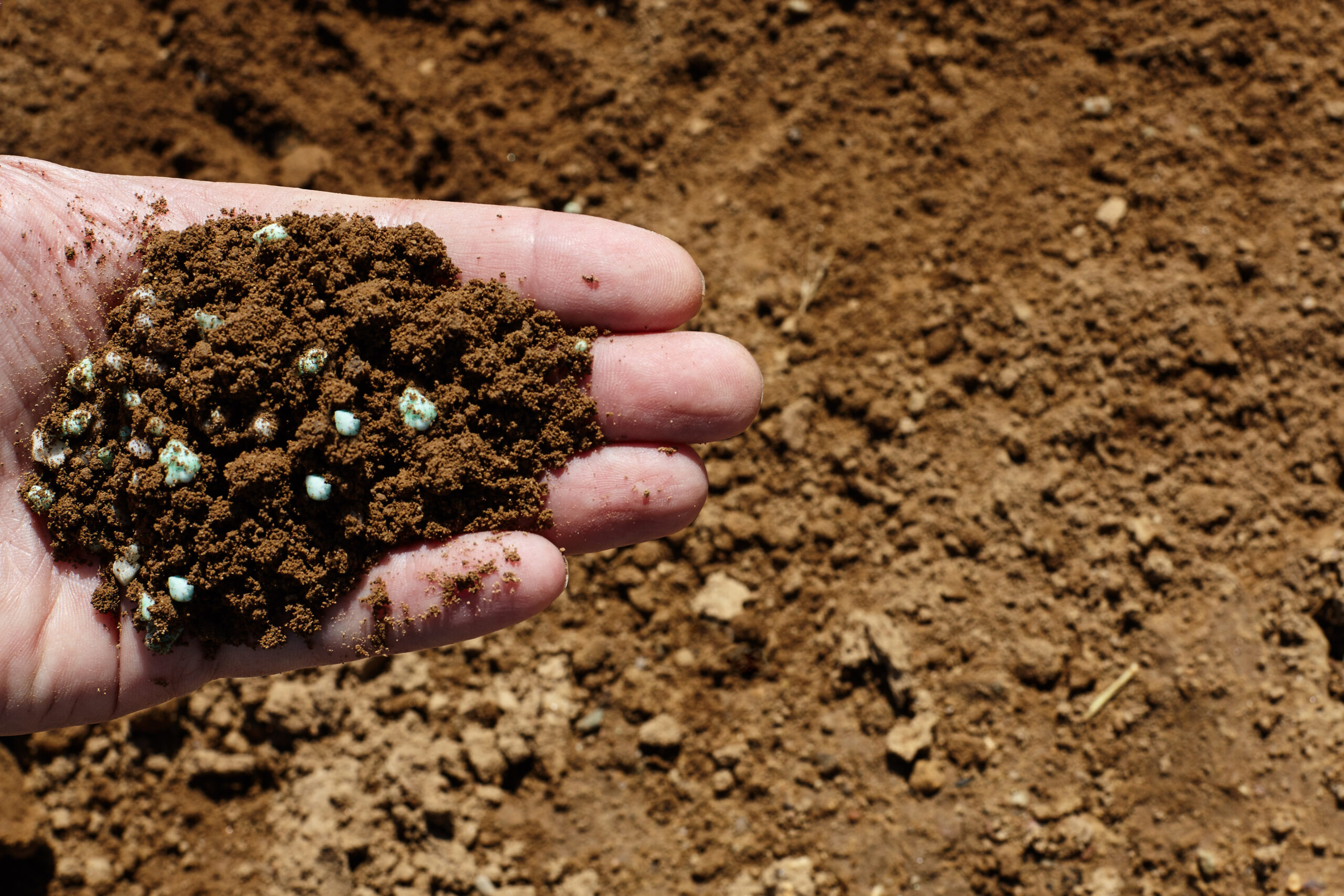
Even with all those indicators, it can be tricky to know for sure if low potassium levels are to blame for your plants’ troubles, or some other issue. Luckily, the answer can easily be found with a simple DIY soil test. Fancier tests with a lab can get you more concrete numbers—especially helpful for bigger ag situations—but for a home garden, the basic home test will at least let you know if potassium levels are sub-par. From there, you have several soil amendment options:
Commercial Fertilizers: These will exhibit a series of three numbers, like 10-10-10, that indicate the percentages of nitrogen (N), phosphorus (P), or potassium (K) that they provide. If your potassium levels were particularly low, you could look for a fertilizer with a higher K percentage, like 10-10-20 or some other configuration. They’re easy to use.
Wood Ash: This is known to get potassium into the soil pronto, but you have to be careful because it works kind of like lime at adjusting soil pH at the same time. But if you have a good source for wood ash, this can be a fast solution.
Banana Peel Compost: The fruit is famous for being a good source of potassium, and you aren’t going to do anything with the peels but toss them anyway. Chop your peels up, and put them into your compost where they can properly break down and release their potassium for plant use. The rest of your regular compost should also help increase soil potassium.
Potassium in Soil: Final Thoughts
Soil potassium (K) is quite important. While you don’t need to know the deep science at a hobby level, it’s enough to know that if the nutrient is lacking in the soil, plants may suffer, and your yields could drop. But a quick soil test and some plans for soil amendment can help put things right.
This article was written for Hobby Farms magazine. Click here to subscribe.