The milkweed plant is often debated as either a helpful wildflower or a harmful weed. Its fragrant blooms attract attention, yet many landowners mow it down because it poses risks to livestock. At the same time, milkweed is critical to monarch butterflies, whose survival depends on it. So, is milkweed a friend or foe on your property?
Key Takeaways
- The milkweed plant contains toxic compounds that can be harmful to livestock if eaten, particularly when other forage isn’t available.
- Milkweed can remain a concern in hay because its toxins persist after the plant is dried.
- Milkweed is essential to monarch butterflies because monarch caterpillars feed exclusively on milkweed.
- Farms can support monarchs by growing milkweed in non-production areas, field borders, buffers, and other locations away from livestock.
- Managing milkweed carefully can help balance livestock safety with the need to preserve important pollinator habitat.
Milkweed Plant Dangers for Livestock
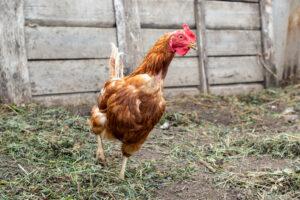
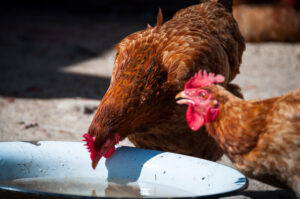
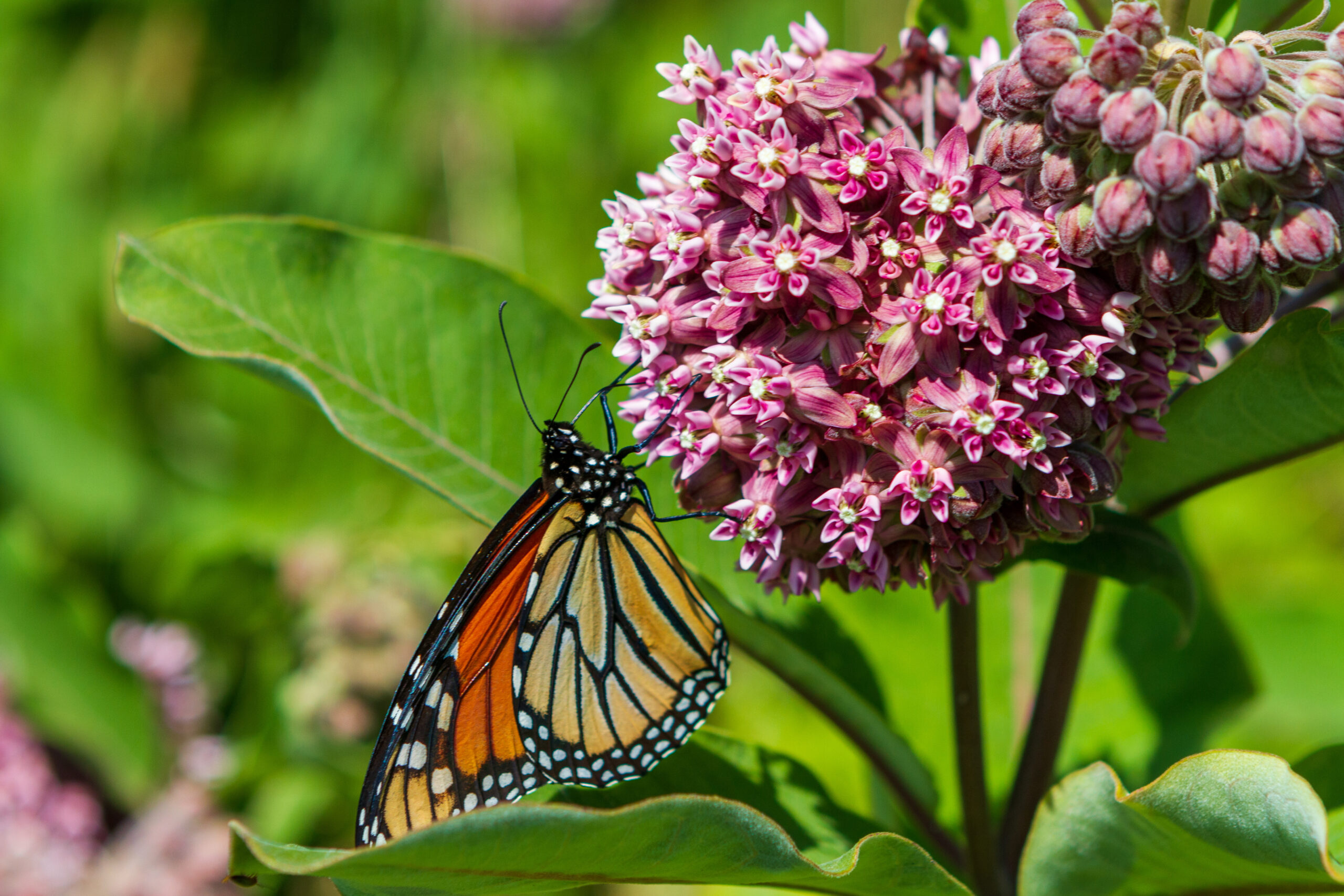
Milkweed is a perennial plant that dies back to the ground each year—it doesn’t produce permanent woody stalks like a shrub. Nevertheless, it’s a robust wildflower, with a thick stalk, large leaves, and delicate yet robust pink blossoms. When portions of the plant are snapped or broken, a thick white sap escapes. The downside is that this sap contains cardiac glycosides or cardenolides—answering the common question: Is milkweed poisonous? Yes, it can be harmful to people and animals. It’s a problem for horses, cows, goats, sheep, chickens—all kinds. Some livestock will avoid eating milkweed when other, better forage sources are available, but if milkweed is present in pastures, it can definitely represent a danger to livestock. Milkweed in hayfields can also present a threat, as the toxins remain even when the plant is dried. It’s not generally considered invasive, but it can spread readily
Why Milkweed Matters
The main benefit lies in the connection between milkweed and monarch butterflies, since it’s the only plant monarch caterpillars can survive on. Of all the thousands of plants in your area and on your property, milkweed is the only plant that monarch caterpillars can eat, survive, and grow on. If monarch butterflies can’t find milkweed to lay their eggs on, the next generation can’t exist. Besides their beauty, monarchs are also excellent pollinators and a valuable piece of the overall ecosystem. And milkweed itself isn’t an unattractive flower, and in fact, the aroma is quite sweet.
Is the Milkweed Plant Good or Bad?
Because of the toxicity threat to livestock, it’s common for farms to mow down patches of milkweed in an attempt to eradicate it from the property. It’s an understandable approach, especially for farms with livestock. However, doing this adds to the ongoing problem of habitat destruction for the monarchs.
One compromise is to grow milkweed for pollinators, along with other nectar sources that support monarchs and native bees. Doing this can provide energy sources for the monarchs’ extensive annual migrations. Flowers that bloom in early spring or late fall are especially valuable in this respect. Mix brilliant flowers alongside your garden veggies. Plant a row of sunflowers or other pollinator favorites on field borders. It doesn’t help the monarchs with their egg-laying, but it’s a good step toward an ecosystem-friendly farm. Flowers also add aesthetic benefits for humans!
Another workable solution is to permit (or even plant) milkweed in non-production regions of your farm. This could include roadsides, field buffers, and simply areas of the farm that don’t see animal or crop use. Care can be taken to prevent spreading, while still encouraging monarch caterpillars to utilize the critical milkweed leaves to raise the next generation of monarchs.
Frequently Asked Questions
Is the milkweed plant poisonous?
Yes. Milkweed contains cardiac glycosides, also called cardenolides, that can be toxic when consumed. The plant can pose a risk to livestock and other animals, particularly when they eat large amounts.
Is milkweed dangerous to livestock?
Milkweed can be dangerous to livestock, including horses, cattle, goats and sheep. Animals may avoid it when plenty of other forage is available, but milkweed growing in pastures or hayfields can become a concern.
Why is the milkweed plant important to monarch butterflies?
Milkweed is the only type of plant that monarch caterpillars can eat. Monarch butterflies lay their eggs on milkweed, and the caterpillars depend on it for food as they grow. Without adequate milkweed habitat, monarch populations face additional challenges.
Should I remove milkweed from my farm?
If you have livestock, managing milkweed in pastures and hayfields can help reduce the risk of animals consuming it. Rather than removing every milkweed plant, consider allowing it to grow in non-production areas such as field edges, buffers and roadsides where livestock won’t have access. This provides habitat for monarchs while keeping milkweed separated from areas used for animal forage.
Milkweed on the Farm: Final Thoughts
The milkweed plant may pose challenges for farms with livestock, but it also plays an irreplaceable role in supporting monarch butterflies and other pollinators. By managing where it grows—such as in field edges, buffers, or non-production areas—you can protect your animals while still preserving this essential wildflower. In the end, the milkweed plant doesn’t have to be an enemy; with balance, it can be both a friend to your land and to the wider ecosystem.
This article about the milkweed plant was written for Hobby Farms magazine. Click here to subscribe.