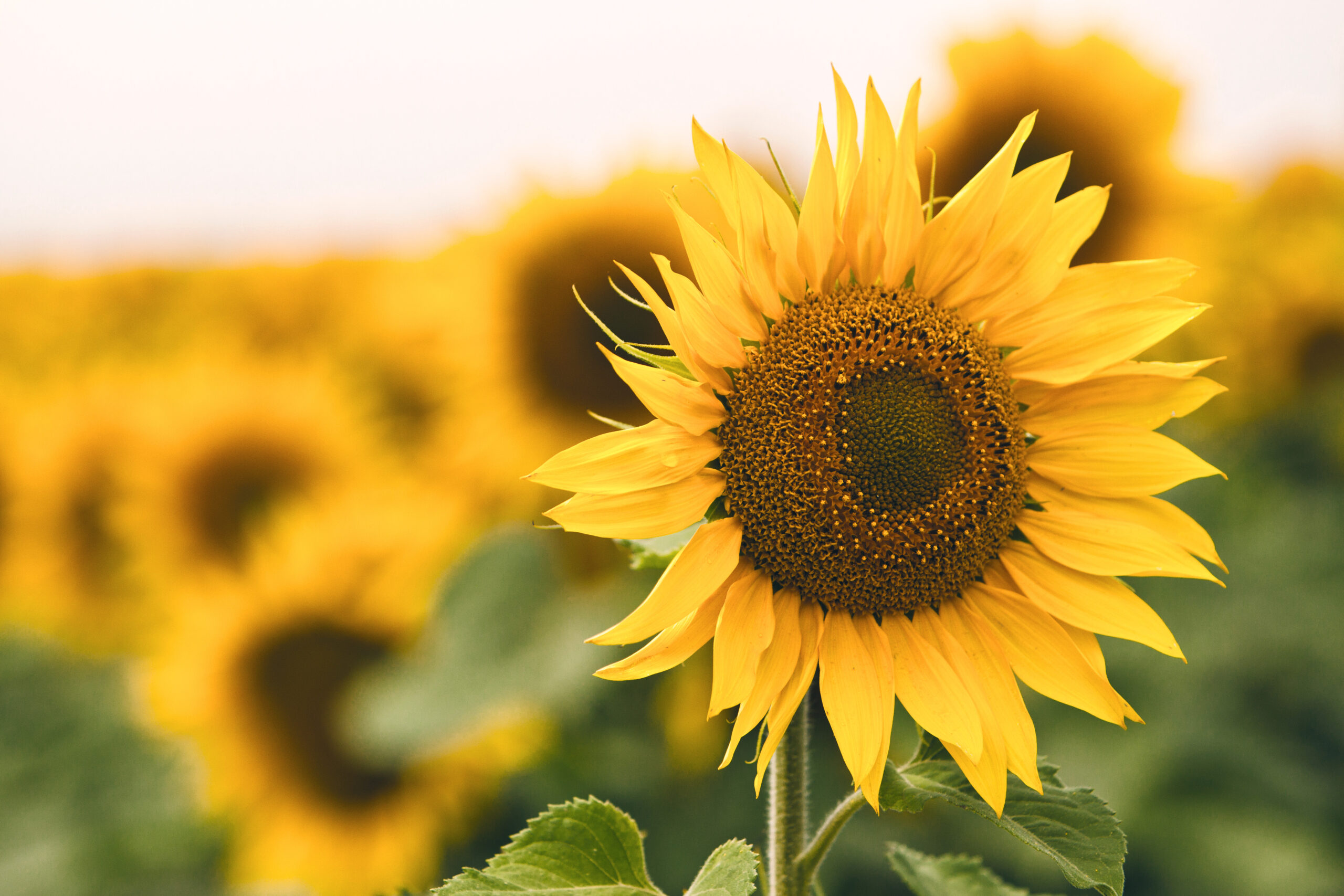
Knowing when to harvest sunflowers is not difficult. Your sunflowers have lots of purposes on the farm. They are great for decoration, birds, and pollinators. From the American Giant to the Cherry Rose types of sunflowers, these beauties add spectacular vertical space to the garden, and those charming yellow or brown petals surrounding a giant head of seeds are just a spectacular piece of garden décor. But multipurpose sunflowers are a crop that can be useful for more than just looks. If you’d like to enjoy a sunflower seed harvest for snacking or replanting, it’s important to recognize the right time to pick them. Here are the key signs that your sunflowers are ready.
Signs To Know When to Harvest Sunflowers
- The foliage is fading. Your sunflower seeds likely aren’t ready for harvesting while the plant itself still looks fresh and vibrant. A dulling, browning, and fading of the leaves will be present as the seeds move towards ripening.
- The seeds look “finished.” They should look full and big, and start to loosen from the flower. The seeds should have the final color expected of the variety you grew (often striped).
- The sunflower head is yellow to brown. If it’s still green, it’s probably not quite time to harvest. Hold out for a while, but keep checking!
- The bloom is starting to droop. Finished sunflowers begin to look drowsy and start to tip their heads forward, signaling it’s time to begin harvesting sunflower seeds.
How to Harvest Sunflower Seeds
Once you begin to see signs of mature seeds, you have basically two options for your sunflower harvest.
- Cut and Dry: You can cut the flower head off early, and store it in a cool place to dry. The seeds will continue to ripen as this occurs.
- Leave to Ripen in the Garden: You can leave the flower head attached to the plant and let the seeds ripen fully in the garden. You may need to cover the flower head with a mesh bag or paper sack to prevent birds from stealing your harvest.
From there, you can enjoy roasting sunflower seeds for a tasty snack, or save some for next year’s planting.
Why Leave Some Sunflowers Behind?
Rather than harvest all your sunflowers, you can simply save the dried seeds for replanting next year. A single large bloom will give you a tremendous number of seeds for this purpose.
During sunflower harvest time, it’s easy to leave some plants intact—especially if you grow a large crop and there are plenty of blooms to choose from. Here’s how it helps your farm wildlife and gardens.
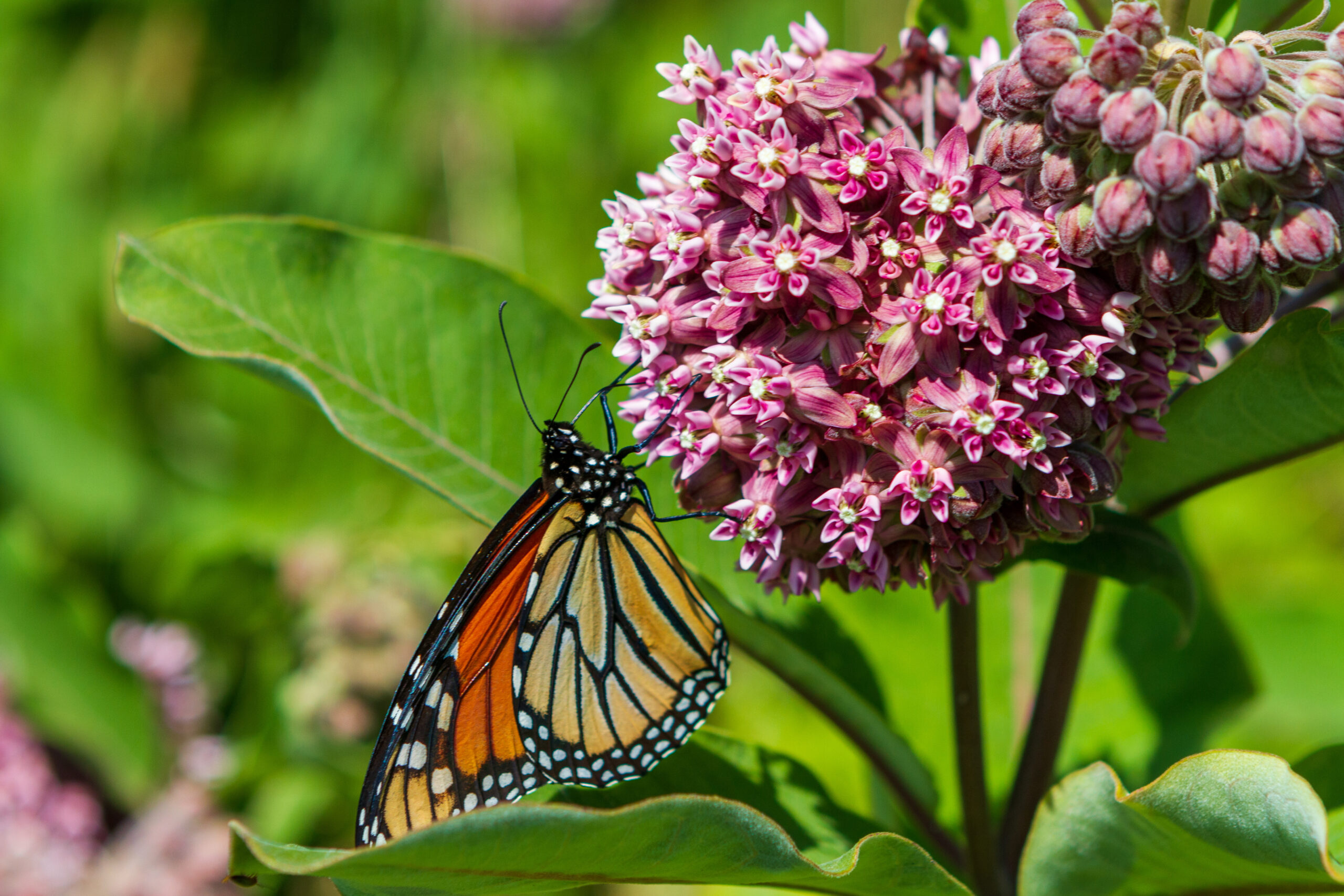
- Leaving sunflowers behind can represent a nice late-season nectar source for honey bees and bumblebees.
- Birds will also love the sunflowers—native and migrating birds will likely stop and pick seeds. Birds may continue to benefit from the sunflowers even into winter.
- Beneficial insects may use the stalks as a refuge from winter’s cold temperatures.
So while you can certainly clean up the garden and use the seeds if you’d like, there are some potential benefits to leaving some sunflowers behind to grace winter’s chill.
Final Thoughts on When to Harvest Sunflowers
Learning when to harvest sunflowers ensures you get the most from these garden favorites. Whether you’re gathering seeds for roasting, saving them for next year, or leaving a few behind for wildlife, timing is key. By watching for signs like fading leaves, drooping blooms, and mature seed color, you’ll enjoy a successful sunflower seed harvest while still supporting pollinators, birds, and beneficial insects.
This article about when to harvest sunflowers was written for Hobby Farms magazine. Click here to subscribe.