Pet chickens may not be as popular as dogs and cats, but with their fluffy feathers and sweet, quirky personalities, chickens make wonderful pets and are a great addition to the family. Learn what breeds make good pets, how chickens show affection, and more with this comprehensive pet chicken guide.
Choosing the Right Breeds for Pet Chickens
Like dogs and cats, chickens all have their own personality, but some breeds make better pets than others. While it is important to note that each chicken is an individual, choosing a breed that is known for having an outgoing personality can go a long way to helping you raise a friendly flock.
There are many friendly breeds to choose from, but these top five picks are the perfect pet chickens for the novice.
#1 Silkie: Sweet & Gentle
Silkie chickens are one of the most affectionate and sweetest chickens available. These cuddly little hens have the appearance of show birds with their soft, hair-like feathers. With a dazzling crest and turquoise ear lobes, Silkies have a distinctive look that makes them easy to recognize.
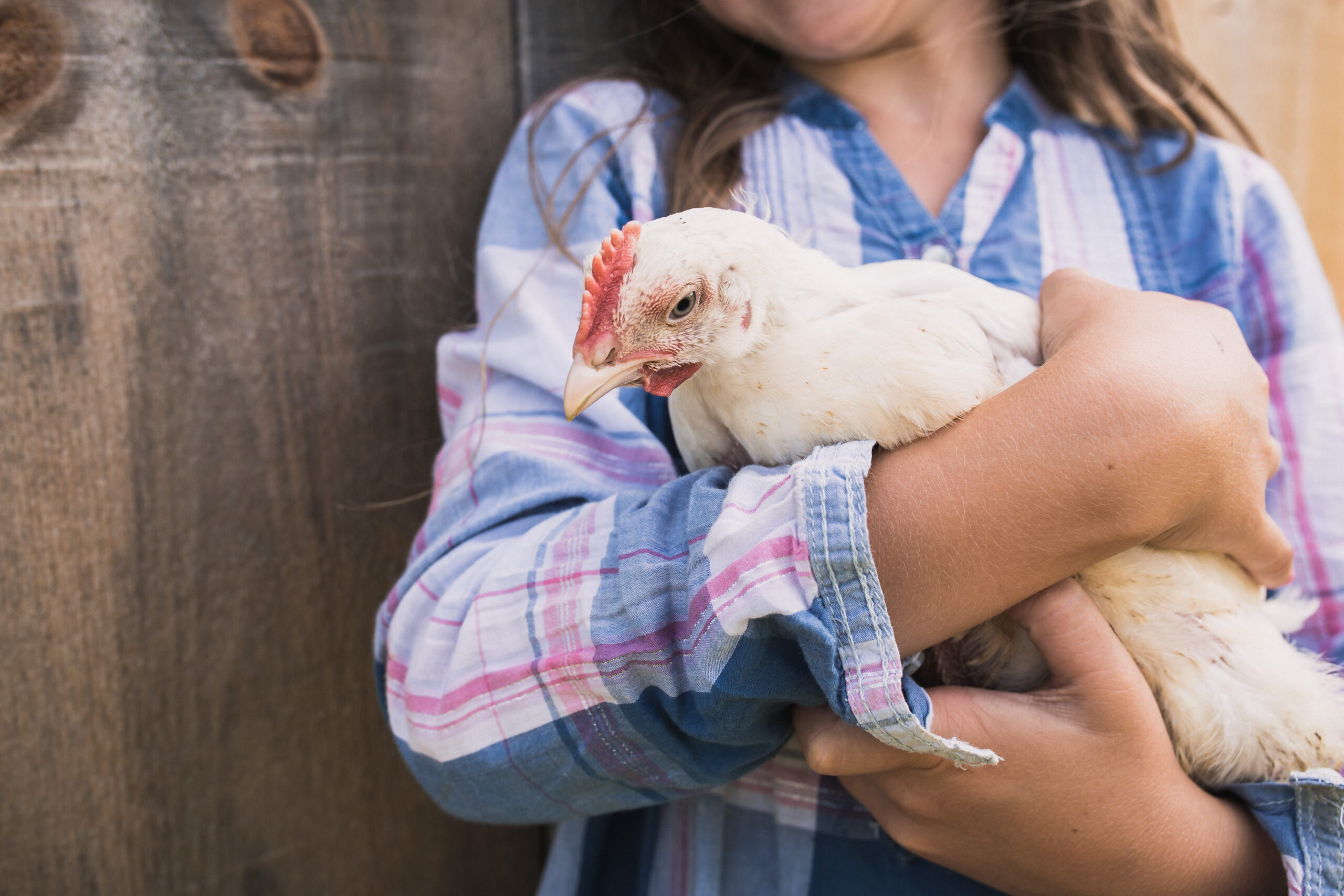
With their human families, Silkies are sweet, gentle, affectionate and enjoy cuddling. If handled from an early age, Silkies have no problems being picked up and held for a snuggle. These tiny chickens have big personalities and will never cease to entertain you with their antics.
Silkies have such sweet personalities that even the roosters are not prone to being aggressive, and will bond closely to their handler. (However, this can vary as some roosters are more prone to aggression than others.)
#2 Speckled Sussex Personality
With their outgoing personalities, it’s easy to see how the Speckled Sussex makes an excellent choice for pet chickens. These lively hens are affectionate, chatty, enjoy interacting with their handlers, and can even carry on animated conversations.
The Border Collie of the chicken world, the Speckled Sussex is intelligent and energetic, and likes to keep busy. If left with nothing to do, they can easily become bored and cause trouble in the coop. When interacting with their humans, these endearing chickens like nothing more than to help in the garden, clean the coop, or assist you in whatever job you are doing.
Even though Speckled Sussex hens are a good choice for pet chickens, the roosters are often aggressive toward humans.
#3 Buff Orpington Temperament
Often referred to as the Golden Retriever of the chicken world, the Buff Orpington is the perfect addition to a flock of pet chickens.
Sweet, affectionate, soft, and cuddly, Buff Orpingtons have a calm, sweet personality and soft feathers. These delightful chickens are a good choice for families with children, and they can also make good therapy chickens. (more on that later)
Buff Orpingtons enjoy being held, making them an ideal choice for pets. Roosters of this breed are often calm and friendly, but some individuals may be aggressive.
#4 Golden Comet Traits
The Golden Comet may look like a typical factory chicken, but these hens are one of the best choices for pet chickens.
Sweet, docile, affectionate, and food-motivated, these little red hens have a distinctive cat-like attitude and are known for getting their own way. Golden Comets bond closely to their favorite humans, and some individuals even prefer to hang out with their human family instead of the other chickens in the coop.
Not only does the Golden Comet have an exceptional personality for pet chickens, but they are also one of the best brown egg-producing breeds available.
#5 Easter Egger Chickens
The Easter Egger is one of the most popular breeds kept for pet chickens due to their sweet personalities and different colored eggs. Hens of this breed are responsible for laying a variety of blues, greens, and brown eggs that many chicken owners love.
Since these chickens are not purebreds, their personalities can vary depending on the strain. However, most Easter Eggers have friendly and affectionate personalities and enjoy interacting with both humans and other chickens.
Easter Eggers are gentle and respond well to being picked up if handled frequently. These characteristics make them an excellent choice for families with children looking to raise pet chickens.
Tips for Raising Pet Chickens
Raising friendly pet chickens is usually easy, especially if raised and handled frequently as chicks. However, even if you acquired adult chickens, with time and patience, most hens will learn to respond well to being handled. Below are some tips to keep your pet chickens friendly and help shy hens overcome their fear of humans.
Handle Them Frequently: Handle chicks several times a day and adult chickens one to two times a day to ensure they become accustomed to you picking them up.
Add in Treats: This is especially helpful when working with adult chickens, as most chickens won’t pass up a good treat. Sit in the run and place the treats in your outstretched hand. (If chickens are extremely nervous, scattering treats on the ground near your feet is a good place to start.) As chickens begin to become less nervous, bring your arm closer to your body, and they will eat right in front of you. Building up your adult chickens’ trust can take time, so don’t give up.
Keep in Practice: Once your pet chickens are accustomed to being picked up and handled, be sure to continue handling them at least several times a week to ensure everyone stays in practice.
Spend Time With Your Flock: Sitting in the grass observing and interacting with your flock can help build a stronger bond between you and your flock. Chickens enjoy spending some downtime with their owners as they bond with you on their terms, so be sure to spend some time at least once a week for ultimate results.
Chickens as Therapy Animals
Did you know? Pet chickens can be used as therapy birds. These therapy chickens not only offer emotional support to their own family members, but they can also work in schools, hospitals, and nursing homes.
Petting a chicken’s feathers and listening to their soft vocal sounds is very calming and helps to reduce stress and tension. While chickens used to be overlooked as therapy animals, they are now being studied as possible emotional support companions for individuals suffering from autism.
Like all therapy companions, chickens must undergo training and become certified to be a therapy pet or emotional support companion. To learn more, please visit https://registermyserviceanimal.com/chickens-as-emotional-support-animals/ and https://petpartners.org/donate/delta-giving-society/
How Chickens Show Affection
Pet chickens show affection to their owners in different ways. Common chicken affections include.
Coming to See You: Chickens who come hurrying over to see you, every time you enter the coop, are displaying their happiness to see you, and showing it in the best way they know how.
Vibrating: When being held, pet chickens will often make a vibration, similar to a cat’s purr. This affection is only displayed when a chicken is extremely relaxed, and usually occurs when being held or petted by their favorite person.
Snuggle Time: Another form of affection that pet chickens display is the head snuggle. Just like chicks snuggle their heads against their Mama Hen’s body, happy, relaxed chickens will snuggle their head against your hand as you pet them.
Bonding With Your Pet Chickens
Like all pets, chickens love nothing more than spending time with their owners. Bonding with your flock means so much more than scattering their favorite treat in the run or supervised free-ranging time (although they enjoy those things, too). Here are a few more fun ideas to try with your flock.
Spend time holding your chickens
Let them eat their evening meal on their favorite grassy spot for a chicken picnic. Spend this time interacting with and observing your flock.
Allow your flock (one or two hens at a time) to “help” fill their feeder, and offer them a treat from your hand when you finish. While it may sound very mundane, chickens really enjoy doing this activity.
Pet Chickens FAQ
Do chickens really make good pets?
Yes. Pet chickens can be affectionate, entertaining, and surprisingly social. Many breeds enjoy human interaction, follow their owners around the yard, and bond closely with their families.
What is the best chicken breed for beginners who want pets?
Beginner-friendly pet chickens include Silkies, Buff Orpingtons, Speckled Sussex, Golden Comets, and Easter Eggers. These breeds are known for their calm, friendly, and people-oriented personalities.
Can pet chickens be held and cuddled?
Many pet chickens enjoy being held, especially if they are handled frequently from a young age. Some even snuggle, vibrate softly when relaxed, or rest their heads against your hand as a sign of affection.
Are pet chickens good for families with children?
Yes, certain breeds of pet chickens are gentle and patient, making them a good fit for families. Adult supervision and teaching children proper handling is important to keep both kids and chickens safe and comfortable.
How do you bond with pet chickens?
Bonding with pet chickens takes time and consistency. Frequent handling, offering treats by hand, spending quiet time near the flock, and involving them in simple daily chores all help build trust and strengthen your relationship.
This article about pet chickens was written for Hobby Farms and Chickens magazines. Click here to subscribe.