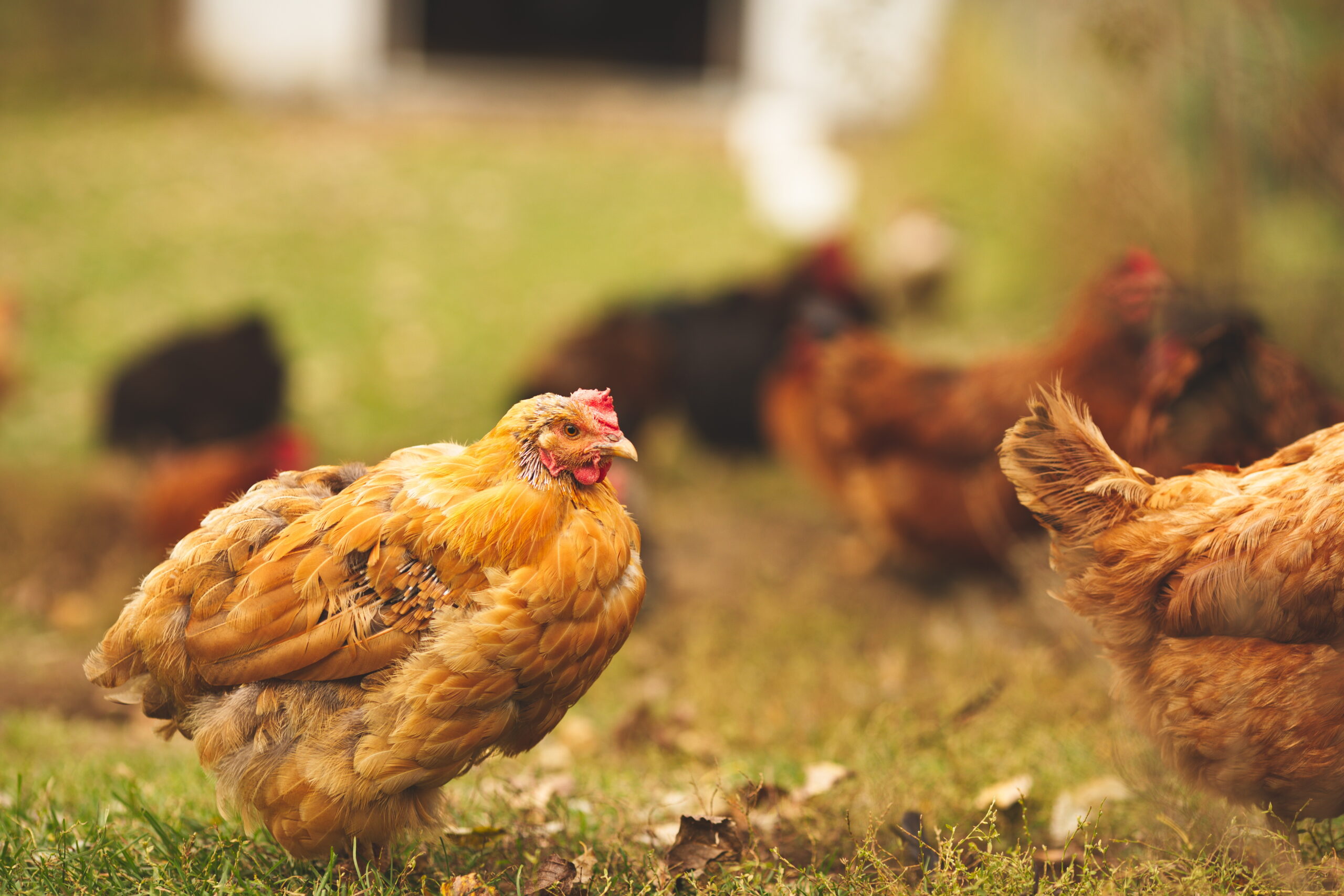
Diseases in chickens can occur anytime, but some diseases are more prevalent during the autumn months. Learn how to diagnose, treat, and prevent these five common autumn diseases in chickens.
#1 Bumblefoot: A Common Disease in Chickens
Bumblefoot is a staph infection that occurs on the bottom of a chicken’s foot. One of the easiest diseases in chickens to diagnose, bumblefoot can be deceptive, as at first it may appear as only a little dark brown or black colored scale. When left untreated, it can quickly grow into a nasty infection. Clinical signs include:
- Black or brown scabs on the bottom of a chicken’s feet
- Decrease in appetite
- Limping or stiffness when walking
- Refusing to engage in normal behaviors
- Swollen toes and foot
How to Treat This Disease in Chickens
Bumblefoot may be easy to diagnose, but it isn’t always easy to treat. While it can be treated successfully at home, veterinary assistance will be needed if the infection does not respond well to home remedies.
To treat at home, gently scrape the scab off, before soaking the foot in Epsom salt water for about ten minutes.
Next, wearing a pair of clean disposable gloves, squeeze the foot gently around the infection. This causes the infection to become loose and may even cause it to pop out. Flush the infected area with witch hazel before applying chicken-safe, antibacterial ointment.
Wrap the foot with gauze before covering with vet wrap. Change the bandages daily, applying witch hazel and antibiotic ointment to the infected area each time.
Repeat soakings every two to three days. If the infection does not respond to treatment, take your chicken to a vet who has experience treating diseases in chickens.
Preventing Bumblefoot Disease in Chickens
Bumblefoot can be caused by a cut on the bottom of the foot, often occurring from spending too much time on the perch, rocky terrain, or a splinter. The cut allows manure and other bacteria to enter the foot, causing bacteria to grow.
Bumblefoot is more prevalent in fall, due to the wet and muddy conditions in the run. Prevention tips include:
- Feed a proper diet enriched with vitamin A.
- Remove sharp stones or splintering wood from areas where chickens can access them
- Routinely check the bottom of your chickens’ feet for signs of bumblefoot
- Spread straw (not hay) to cover the ground in the run to prevent chickens from inhabiting wet and muddy conditions
#2 Internal Parasites as Diseases in Chickens
One of the most commonly discussed diseases in chickens is internal parasites. While this disease is not likely to occur frequently, knowing how to diagnose, prevent, and treat internal parasites can save a lot of wear and tear on your flock’s intestines.
Cooler temperatures, combined with the increased wetness in the ground, make autumn the perfect time for internal parasites to strike. Clinical signs include:
- Anemia
- Decreased appetite
- Decreased egg production
- Diarrhea (may include blood or worms)
- Lethargy
- Pale comb and wattles
- Poor growth rate
- Weight loss
Diagnosing Internal Parasites
Fewer diseases in chickens are as easy to diagnose as internal parasites. However, veterinarian help is required, even if you’re positive that your chickens are suffering from internal parasites.
Provide your vet with a fresh stool sample from several flock members to ensure an accurate test. The vet will look at the poop under a microscope to properly identify what kind of parasites your flock may be suffering from.
While it may be tempting to skip the vet and try an over-the-counter dewormer, this isn’t the best plan, as most dewormers do not treat all internal parasites. Without knowing what parasites your flock has, it’s impossible to know how to treat them.
Preventing Internal Parasites in Your Flock
Practicing good husbandry skills is the best way to prevent internal parasites from taking up residence in your flock. Prevention tips include:
- Avoid Overcrowding
- House chickens separately from other poultry
- Keep water clean and free of manure
- Routine stool samples from your flock twice a year, in spring and fall
- Routinely remove manure and soiled bedding from coops and runs
When possible, prevent chickens from consuming large amounts of bugs, including ants, beetles, earthworms, pill bugs, slugs, and snails.
#3 Respiratory Conditions Among Diseases in Chickens
Respiratory diseases in chickens are more common in the fall and winter months, as chickens spend more time inside the coop. In most cases, respiratory problems can be prevented, but before we get into treatment and prevention, let’s take a look at some common respiratory symptoms.
- Clogged nostrils/nares
- Coughing
- Darkening combs and wattles (from lack of oxygen)
- Decrease in Appetite
- Lethargy
- Ruffled feathers
- Sneezing
- Watery or bubbly eyes
- Wheezing
Treating Respiratory Diseases in Chickens
Respiratory conditions can quickly spread through the flock and can often be deadly if not treated immediately. If you suspect one or more of your flock may be suffering from a respiratory problem, take them to a qualified poultry veterinarian.
A poultry vet will be able to test your flock to rule out possible contagious diseases in chickens before prescribing medications for the sick hen(s). Bear in mind that some chickens recovering from respiratory conditions may need to move temporarily inside the house until they recover, so be sure to have supplies on hand and a safe place for your hen to stay during recovery.
Preventing Respiratory Diseases in Chickens
Prevention is key to preventing respiratory conditions in your flock. Prevention tips include:
- Avoid using moldy bedding in the coop and run
- Allow chickens access to fresh air whenever possible
- House flock in a well-ventilated coop
- Keep the henhouse clean and as dust free as possible
- Never house chickens in an overcrowded coop and run
- Never feed chickens moldy food
- Routinely clean coop to keep ammonia levels down
Support respiratory health with herbs such as bee balm, echinacea, mint, oregano, sage, and thyme.
#4 External Parasites: Another Disease in Chickens
External parasites can appear anytime, but they are most prevalent in colder months. Northern fowl mites and poultry lice can inhabit your coop without you even knowing, causing destruction to your flocks’ feathers and sucking their blood. Symptoms to look for include:
- Chewed feathers (lice)
- Chickens with pale combs and wattles (lice and mites)
- Missing feathers near the vent (mites)
- Itchiness and restlessness (mites and lice)
- Tiny dark red bugs on chickens or eggs (mites)
- Clusters of white colored eggs at the base of feathers (lice)
- Straw-colored bugs on chickens (lice)
External Parasite Treatment Plan
Before we discuss treatment, be sure to know that while you may feel itchy or even find a stray bug crawling on your clothes, these pests can not live on or harm humans.
Lice and mites can be controlled by allowing routine dust bathing even during the fall and winter months. In northern climates, where the ground freezes, provide a dustbathing area in a kiddie pool or sandbox (with all the sand removed.) Allow chickens to dustbath outside (not the coop) to prevent respiratory diseases in chickens from occurring.
Check chickens monthly for external parasites. If parasites are found, treat them with a poultry-safe dusting powder
Mite Tip: The best time to check for mites in the coop is early morning. After all your chickens have left the perch for the day, slide a piece of white paper along the underside of the perch. Check the paper carefully. If red (blood) spots are seen, mites are present.
Prevention Tips
Mites and lice can be controlled by providing your flock with access to a dust bathing area several times a week. Check chickens (especially heavy-feathered breeds, roosters, and older hens) monthly for signs of external parasites.
Routinely removing all bedding material from the coop will also go a long way in helping your flock stay parasite-free.
#5 Coccidiosis: A Frequent Disease in Chickens
One of the most common diseases in chickens, coccidiosis can spring up in a flock overnight. Coccidia (the protozoan parasite causing coccidiosis) is present in every chicken flock in low numbers, but when problems arise, these opportunistic parasites can wreak havoc on your flock. Common symptoms of coccidiosis include:
- Diarrhea (blood may be visible)
- Decreased feed and water intake
- Lethargy
- Pale combs and wattles
- Standing hunched up (penguin stance) with ruffled feathers
Treating Coccidiosis
Treating coccidiosis is very similar to treating other internal parasites. Start by collecting fresh stool samples from several flock members and having a vet examine it under a microscope.
If coccidiosis is a problem, a vet will prescribe medication to the flock. Another stool sample should be examined four weeks after treatment ends to ensure the problem has entirely cleared up.
During the outbreak, be sure to keep your flock hydrated and fed by offering soft, hydrating treats. Encourage your flock to drink, as medications are often mixed into water.
Prevention
Like all diseases in chickens, preventing coccidiosis starts with proper nutrition and good husbandry skills. Other preventive tips include:
- Avoid overcrowding
- Avoid letting chickens out in a wet or muddy run
- Provide rotational pastures/run to prevent coccidiosis from building up
- Quarantine new flock members for thirty days before introducing them to your flock
- Routinely cleaning the coop
Summary of Common Diseases in Chickens
Diseases in chickens can spring up overnight, but learning how to diagnose, treat, and prevent these five common autumn ailments can help your chickens stay healthier year-round.
This article about diseases in chickens was written for Hobby Farms and Chickens magazines. Click here to subscribe.