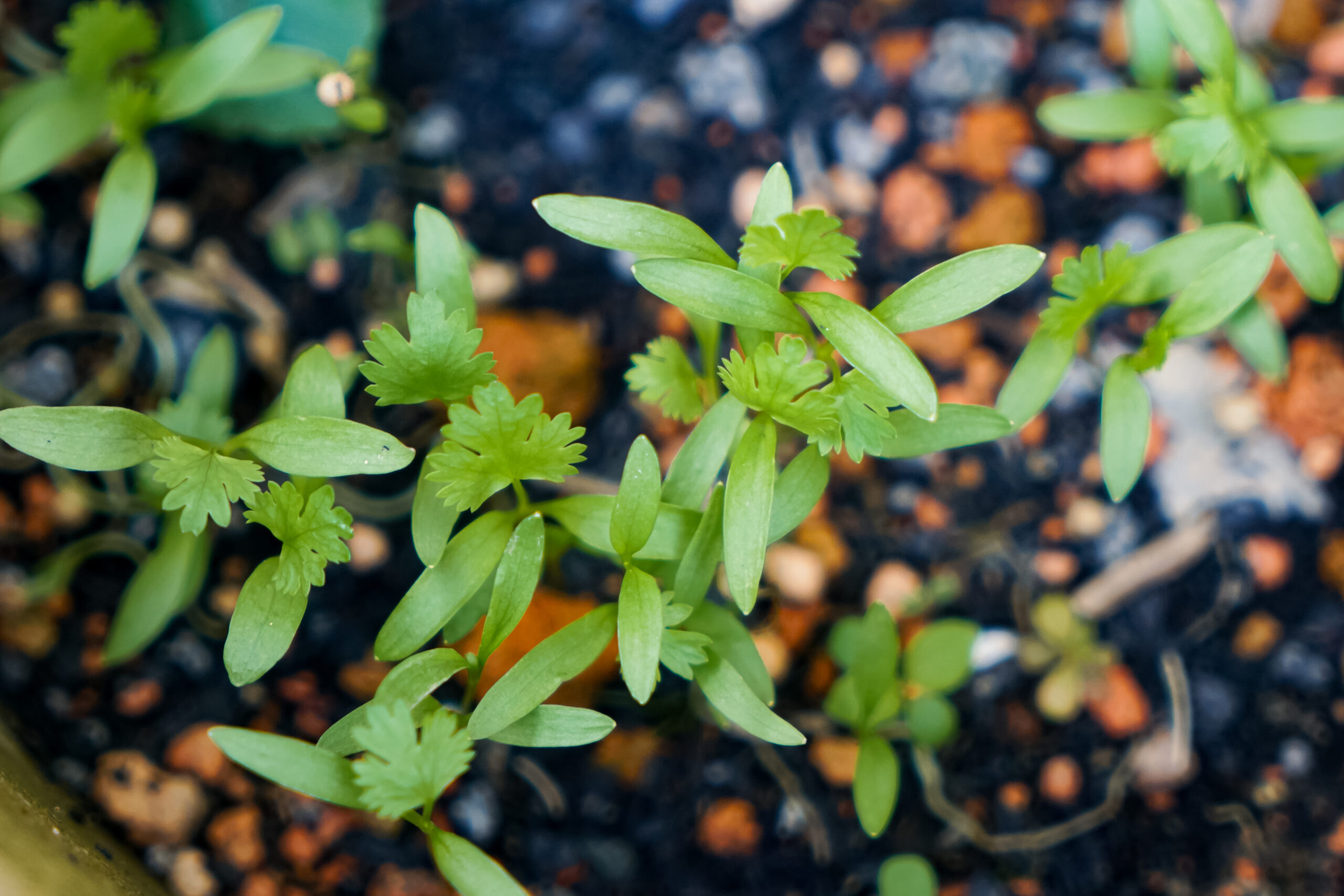
Growing herbs from seeds is a cost-effective and rewarding way to start a garden. Seeds provide access to a wider variety of herbs than most nurseries carry, and a single packet can produce dozens of plants at a fraction of the cost of buying established herbs. Starting from seed also allows control over growing conditions, including exposure to chemicals and fertilizers.
Starting herbs indoors in late winter or early spring gives seedlings a head start before outdoor conditions are suitable. Slow-germinating or long-season herbs such as rosemary, thyme, and lavender benefit most from early indoor sowing, ensuring they are ready to thrive once transplanted after the risk of frost has passed.
The following guide outlines everything needed to successfully grow herbs from seeds indoors, including soil selection, containers, light, heat, watering, labeling, and transplanting. Each step is designed to help beginners and experienced gardeners alike achieve strong, healthy plants.
Planning Indoor Gardens for Growing Herbs From Seeds
Selecting the right seeds and preparing your indoor setup is essential for successful germination. Seed packets provide important information, including days to harvest, sowing depth, and spacing, which helps plan when and how to start each type of herb.
Containers with good drainage are crucial, and reusing food-grade containers is an easy, sustainable option. Seed starting soil should be light, well-draining, and free from pests. Supplemental light is important once seeds sprout; seedlings need 12–16 hours of light daily to avoid becoming leggy. Heat mats can help warm the soil and encourage faster germination, but any warm, consistent environment works.
Humidity and moisture are also key factors. Covering trays with a clear dome or plastic wrap keeps soil consistently moist until seeds germinate. Once sprouts appear, remove the cover to prevent mold and other issues. Labeling trays ensures easy tracking of varieties, and after the risk of frost has passed, seedlings can be hardened off and transplanted outdoors.
Choosing the Right Seed Starting Soil
Not all seed-starting soils are created equal. A quality, well-draining mix helps prevent stunted growth and pest problems. Pre-made mixes from reputable sources are often the most reliable, but creating a custom blend is also an option.
Key tips for seed starting soil…
- Use a light, fine-textured soil that holds moisture without becoming soggy.
- Avoid garden soil, which can introduce pests and diseases.
Read product reviews and check for organic or chemical-free options if desired.
Good soil, combined with proper containers, light, and moisture, lays the foundation for strong, healthy seedlings ready to thrive once transplanted outdoors.
Choosing Containers for Growing Herbs From Seeds
Containers with good drainage are essential for healthy seedlings. Reusing food-grade containers such as take-out or yogurt cups is a sustainable and cost-effective option. Ensure all containers are cleaned and sterilized before use to prevent disease.
Providing Light and Heat for Growing
Once seeds sprout, seedlings need 12–16 hours of light per day to avoid becoming leggy. A south-facing window may work, but supplemental grow lights are often more effective.
Some seeds benefit from a heat mat to maintain consistent warmth and encourage faster germination. However, any consistently warm indoor space—around 70°F or higher—can support seed starting.
Maintaining Moisture When Growing Herbs From Seeds
Moisture and humidity are key for successful germination. Cover seed trays with a clear dome or plastic wrap to retain humidity until seeds sprout. Once seedlings emerge, remove the cover to prevent mold and overwatering issues. Check soil regularly to keep it evenly moist but not waterlogged.
The back of the seed packets will also note how deep to sow each seed. Each seed type varies.
Labeling and Tracking Seedlings
Labeling trays with the herb variety ensures easy tracking and prevents confusion as seedlings grow. Seedlings do not require light until they emerge, but proper labeling and tracking helps manage multiple varieties and transplant timing.
Transplanting Seedlings When Growing Herbs From Seeds
After the risk of frost has passed and soil has warmed, seedlings can be transplanted into the garden. Hardening off—gradually exposing seedlings to outdoor conditions over 7–10 days—helps reduce transplant shock and encourages strong, healthy plants.
FAQ: Growing Herbs From Seeds
Q: How long do herb seeds take to germinate?
A: Germination time varies by herb. Fast-growing herbs like basil and cilantro may sprout in 5–10 days, while slower herbs such as rosemary or thyme can take 2–4 weeks. Always check the seed packet for specific guidance.
Q: Do all herbs need a heat mat?
A: No. Heat mats can speed germination for slow-growing seeds, but most herbs will germinate successfully in a consistently warm indoor environment (around 70°F).
Q: How much light do seedlings need?
A: Once sprouted, seedlings need 12–16 hours of light daily. Supplemental grow lights are recommended, especially if natural sunlight is limited.
Q: Can recycled containers be used for seed starting?
A: Yes. Food-grade containers like yogurt cups or take-out containers work well. Ensure proper drainage and sterilize containers before use.
Q: When can seedlings be moved outdoors?
A: Seedlings should be transplanted after the risk of frost has passed and the soil has warmed. Gradually harden off seedlings over 7–10 days to prepare them for outdoor conditions.
Growing herbs from seeds is an accessible and cost-effective way to expand a garden and experiment with new varieties. By selecting quality soil, providing proper light and warmth, and maintaining consistent moisture, strong seedlings can thrive indoors and be successfully transplanted outdoors.
Starting herbs from seed offers flexibility, control, and the satisfaction of nurturing plants from the very beginning. With proper planning and care, anyone can enjoy fresh, homegrown herbs throughout the season.
This article about starting herbs from seed was written for Hobby Farms and Chickens magazines. Click here to subscribe.