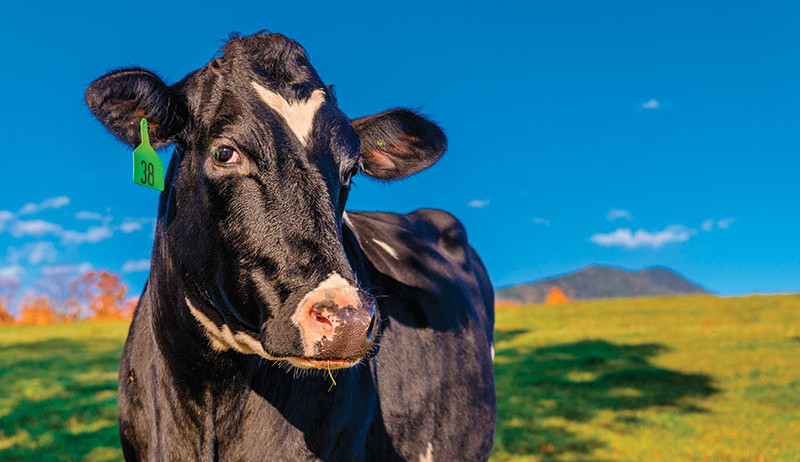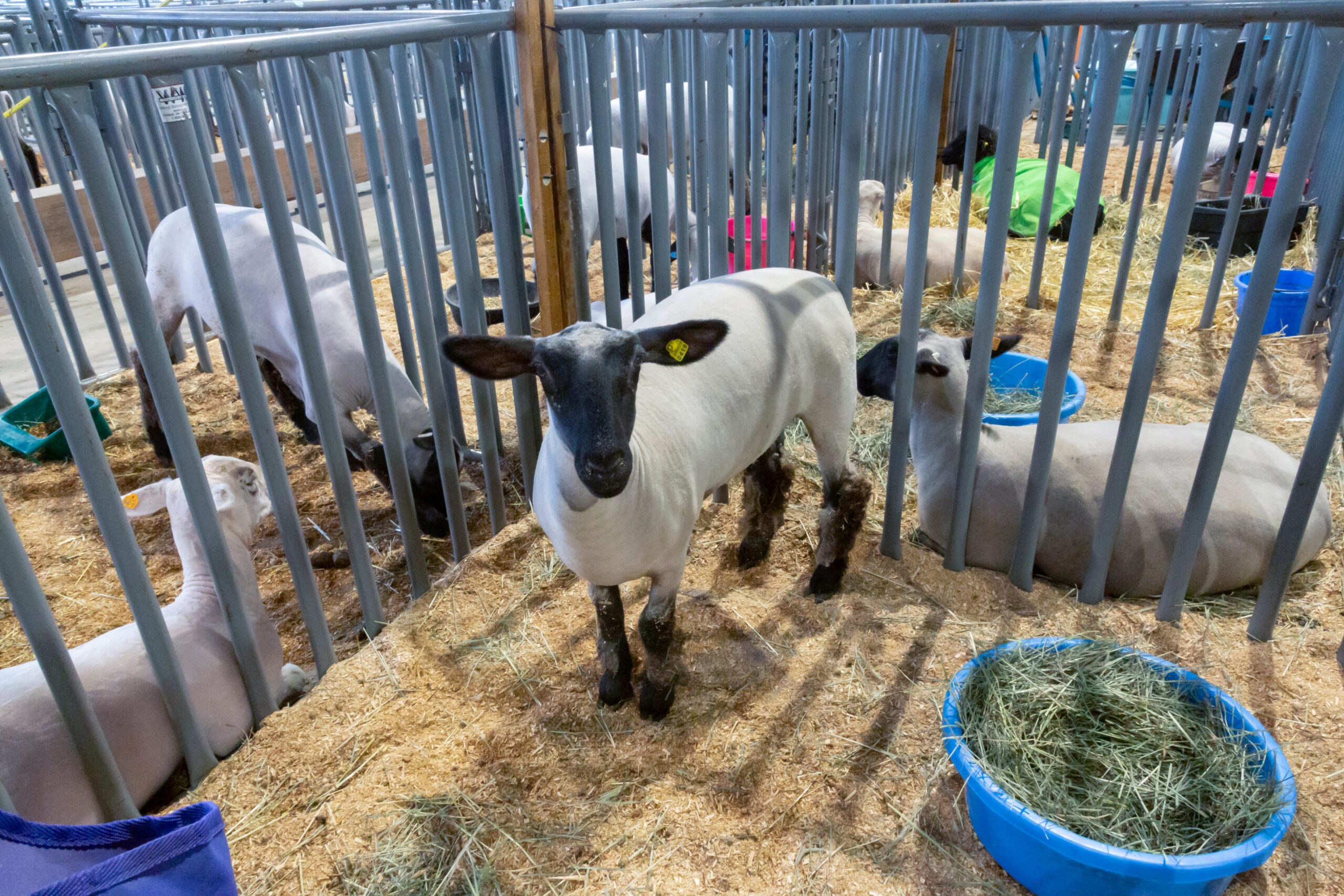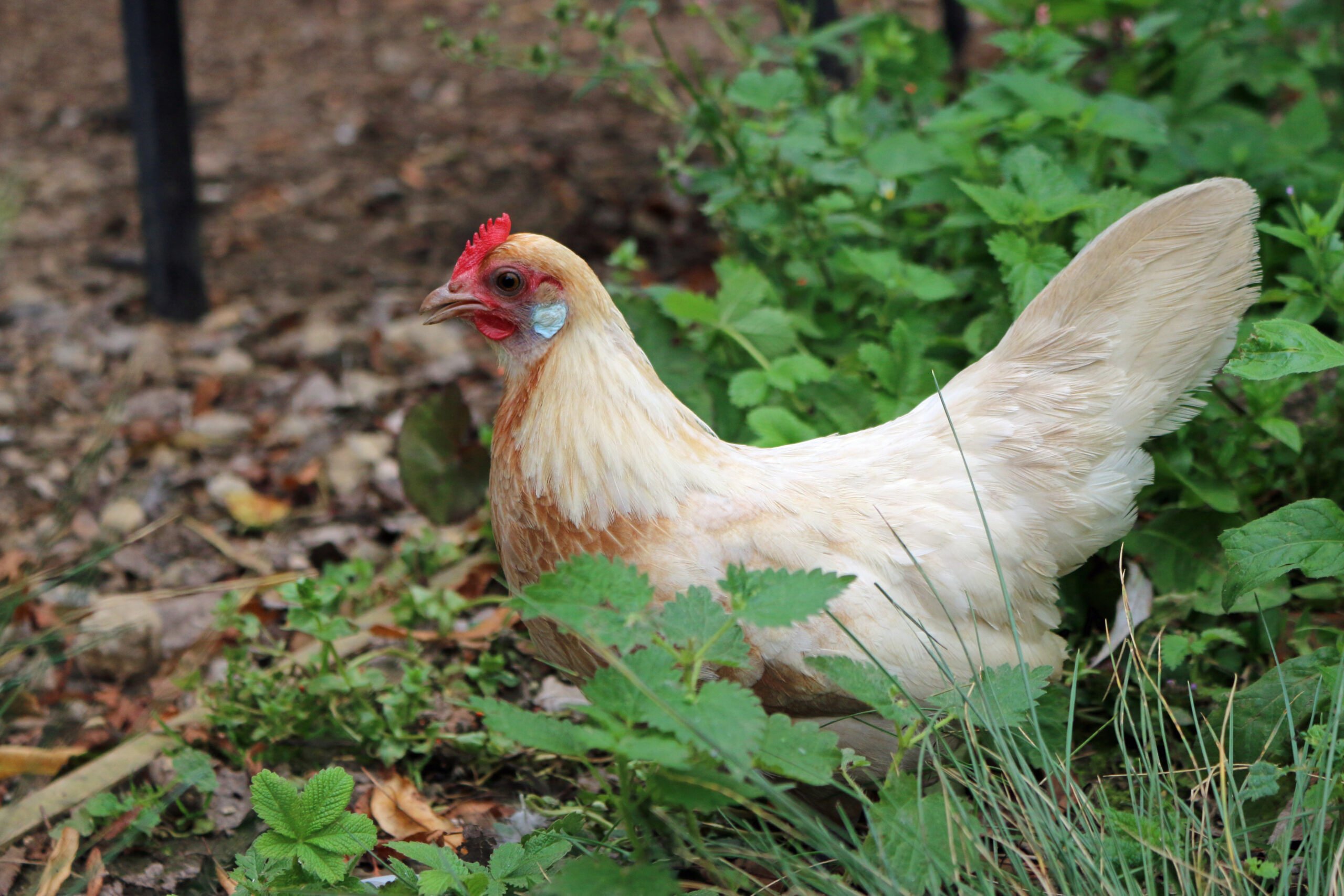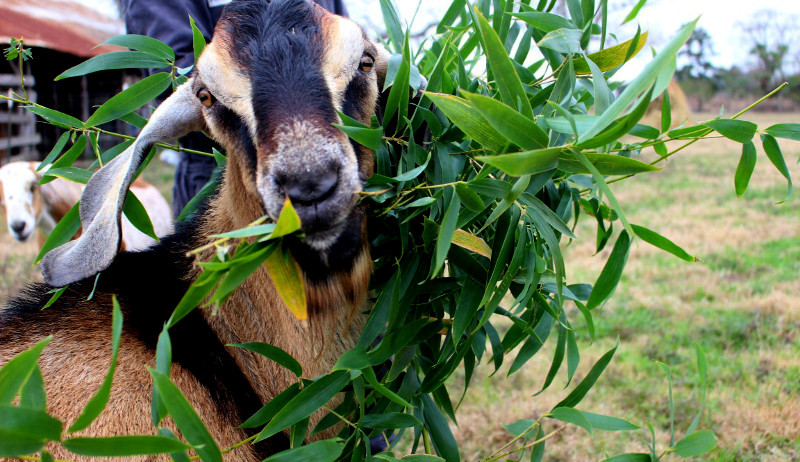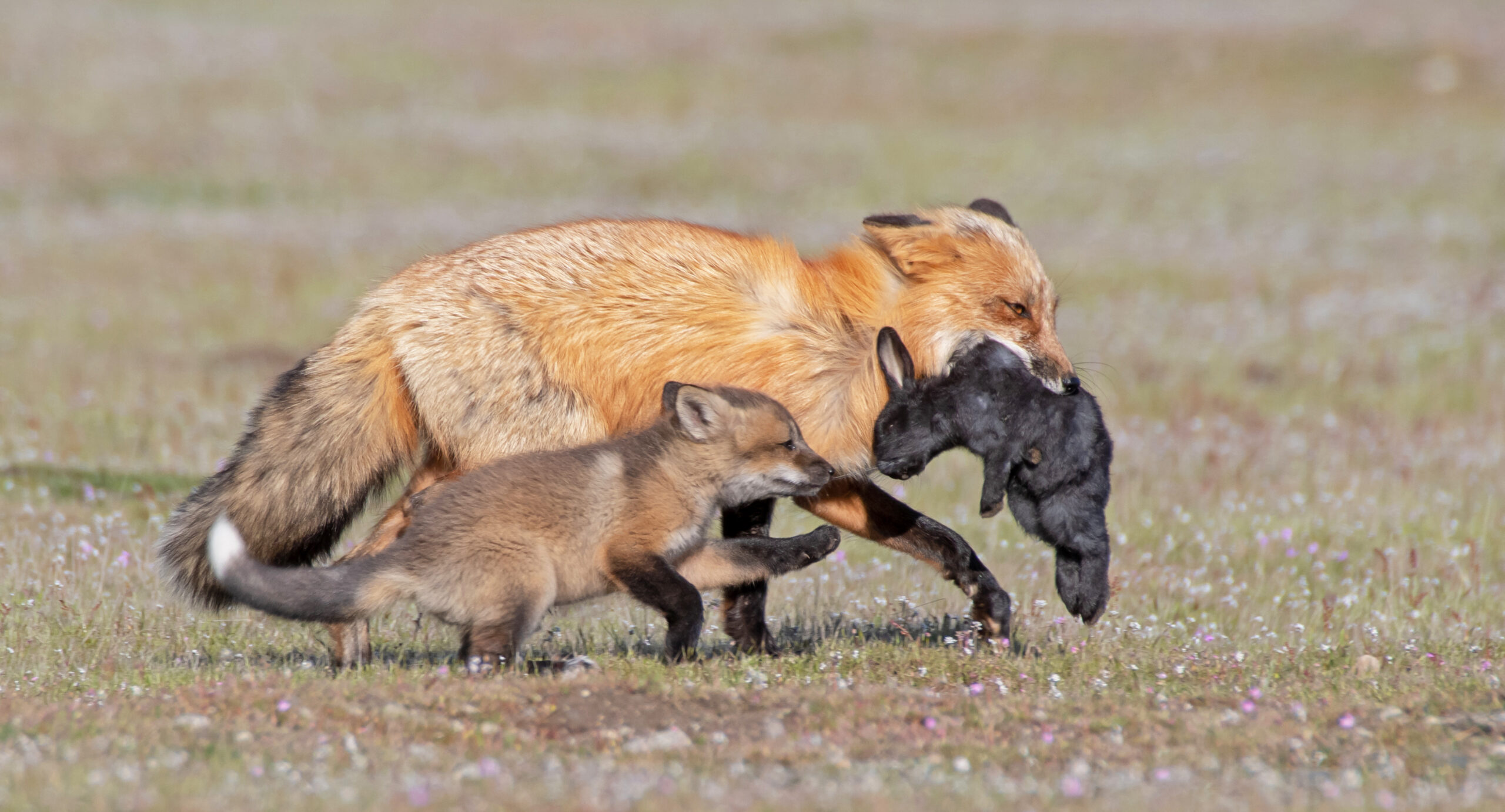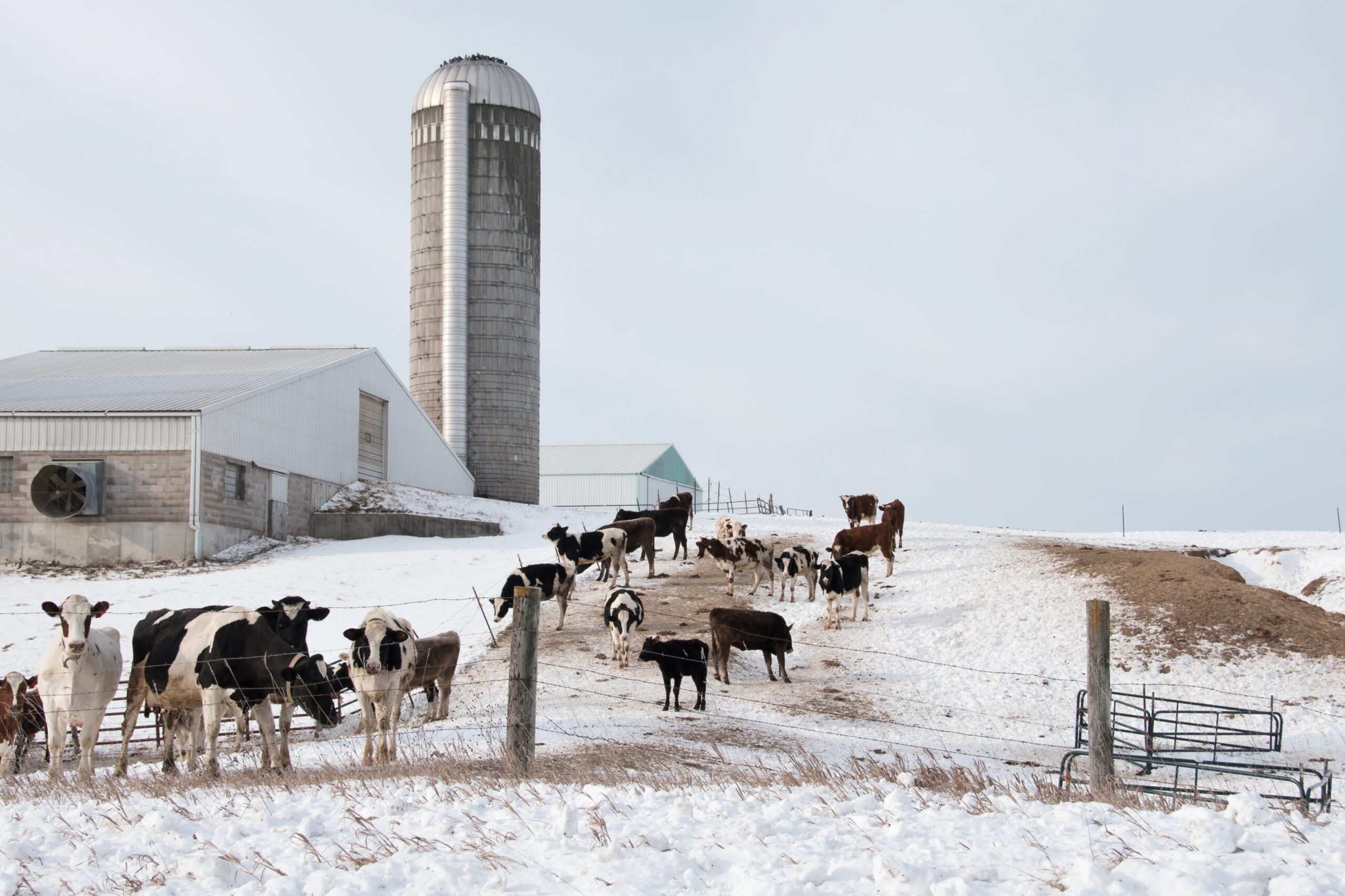
During frigid winter temperatures, it’s amazing to drive past a large farm and see cattle and other farm animals in winter happily enjoying the day, apparently none the worse for wear from the cold. Provided livestock have protection from wind and moisture, cold temperatures alone are rarely a major problem. Across many species and breeds, farm animals are remarkably resilient to winter weather—thanks largely to their high-functioning winter coats. So what’s really happening here? How does something as simple as fur keep animals warm through sub-zero temperatures?
The Purpose of a Winter Coat
First off, we should be clear: fur does not create heat in any way. There’s nothing inherently “warm” about a thick winter coat on a horse, cow, or goat. Think about your own winter jacket or even a “warm” blanket—left to their own devices, these items release no energy, and produce no heat. They exist at room temperature. The same goes for livestock fur.
What does create heat is the metabolism of a warm-blooded (endotherm) mammal or bird. Energy content from food is processed by the body to power muscles, brain and other biological functions, but also to generate a consistent body temperature, which is constantly being radiated out.
The purpose of your livestock’s winter fur is to capture and retain this body heat so that it doesn’t radiate uselessly away, helping to keep the animal warm.
How Livestock Fur Keeps Farm Animals Warm in Winter
But why should a layer of animal hair be so effective at retaining body heat? It has to do with how heat is transferred from one location to another. For example, consider a hot pan just out of the oven. If you forget and accidentally touch it, the heat from the metal transfers extremely quickly to your finger. Ouch! However, if you remember to use an oven mitt, you’re able to grasp the pan long enough to move it—though only to a point. The longer you hold on to the pan, the more and more you start to feel the heat, as the oven mitt itself begins to transfer heat.
The oven mitt works because it’s slowing the transfer of heat. It does this because it’s made of soft cloth that is full of air pockets. Each of those tiny air pockets slows down the transfer of heat from the metal to your hand. It doesn’t work indefinitely, but it’s highly effective.
How Fur Insulation Works in Cold Weather
Your livestock’s fur functions similarly. In this case, the air pockets in the fur (especially the soft inner coat) slow down how quickly body heat (warm) can transfer into the surrounding air (cold). You’ll see the outer hair of your animals’ winter coats stiffen during cold weather to increase the effectiveness of the air pockets. Your livestock’s winter coat doesn’t prevent 100% of heat loss of course, so your livestock must keep eating plenty of calories in the winter to stay warm—but it keeps the animals very comfortable, even in frigid temperatures.
Remember—rain tends to force the hairs down, which makes the coat less efficient, and moisture transfers heat more quickly, so it’s important to provide your animals with shelter to keep them dry and out of the wind so that their amazing winter coats can continue to work effectively.
Farm Animals in Winter FAQ
Why do farm animals in winter stay warm without heaters?
Farm animals generate body heat through normal metabolism, and their winter coats trap that warmth close to the body. As long as animals are dry and protected from wind, their natural insulation is highly effective—even in very cold temperatures.
Is cold or wet weather harder on farm animals in winter?
Wet conditions are more dangerous than cold alone. Rain or snow flattens fur, reducing insulating air pockets, and moisture transfers heat away from the body faster than dry air. Shelter from wind and precipitation is critical.
Do farm animals need blankets in winter?
Most healthy livestock do not need blankets if they have adequate nutrition, a full winter coat, and access to dry shelter. Blankets are sometimes used for clipped, elderly, or sick animals.
This article about farm animals in winter was written for Hobby Farms magazine. Click here to subscribe.