The Ameraucana chicken is known for its pale blue eggs, friendly temperament and distinctive facial feathers. Developed in the United States from Araucana ancestry, this relatively modern breed is popular with backyard flock owners. Ameraucanas are cold-hardy, adapt well to different climates and make good layers, although they aren’t the best choice for meat production.
Key Takeaways
- Eggs: Ameraucana hens lay blue eggs, with annual production commonly estimated at 150–200 eggs.
- Temperament: These chickens are generally calm, curious and compatible with mixed backyard flocks.
- Climate: Their small combs and wattles make them well suited to cold weather, although they still need appropriate shelter and care in extreme temperatures.
- Meat production: Ameraucanas are relatively small birds and are better suited to egg production and backyard flocks than meat production.
Ameraucana Chicken History and Origins
Although the Ameraucana wasn’t officially created until the 1970s, its ancestors were imported to the U.S. in 1930 by a man named Ward Brower Jr. Mr. Brower first took an interest in the Araucana after seeing a painting in National Geographic magazine. He then went to great lengths to track down some of the rare blue egg layers and have them imported to America.
When Brower’s Araucanas arrived in America, only one of the chickens had the signature rumpless look that the breed is known for. They also appeared to be interbred with more common brown egg layers. Although the chickens were in poor condition, Ward was able to breed one of the two hens with the rooster before two of the adult birds died.
Only one of the chicks hatched, but Ward used the male chick to breed with the lone surviving imported hen. These two chickens were the start of the Ameraucana bloodline. The rest of the development of the Ameraucana chicken and their unique bloodlines remains a mystery.
The Ameraucana joined the American Poultry Association (APA) in 1984. Today, the breed is widely popular in backyard flocks where they are favored for their blue eggs and docile dispositions.
Ameraucana vs. Easter Egger: What’s the Difference?
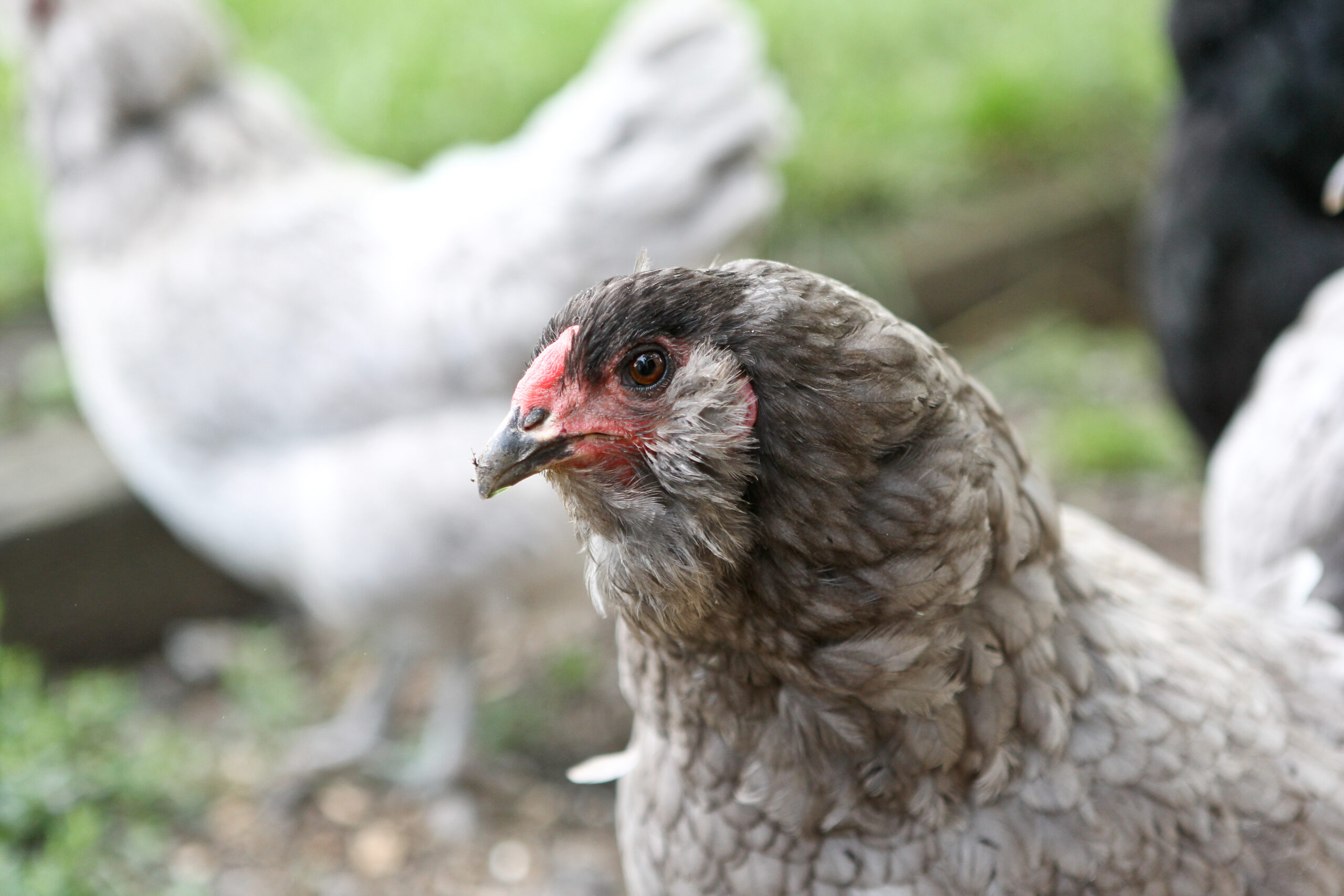
Closely related to the Araucana, the Ameraucana chicken has little resemblance to its ancestor. Unlike Araucanas, which are rumpless and have ear tufts, Ameraucanas have a full tail and no ear tufts.
Hens and roosters sport small red pea combs and tiny wattles. True Ameraucanas also have a muff and beard. Their facial feathers give them the appearance of chipmunks with puffy cheeks.
An Ameraucana’s body should be compact, with a wide chest. Feet and legs are clean, and are slate-blue to black in color. The breed comes in several striking color patterns: black, blue, blue wheaten, brown red, buff, self blue, splash, wheaten, and white.
Average Mature Weight:
Roosters: 6–7 lbs.
Hens: 5–6 lbs.
Did you know? Ameraucanas also come in bantam form. The bantam version is most popular among show chickens, while the standard version is favored among backyard flock owners.
Are Ameraucanas the Same as Easter Eggers?
The Ameraucana chicken is often confused with the Easter Egger, as the two breeds look very similar and are closely related. One way to tell these two look-alikes apart is by the egg color. Easter Eggers live up to their name and lay a variety of brown, green, and blue eggs, while true Ameraucana chickens only lay blue.
Are Ameraucanas Good Layers?
The Ameraucana chicken is a good layer, with each hen averaging one hundred and fifty to two hundred medium-large pale blue eggs annually (about four to six eggs per week). Most hens start producing eggs between five and seven months of age, but a few can take longer.
Ameraucana hens lay for the first three to five years of their lives, with production starting to slowly drop after the first two years. Hens rarely go broody and are content to spend their lives laying eggs over raising chicks.
Are Ameraucana Chickens Good for Meat?
With its small, compact body and trim figure, the Ameraucana chicken is not best suited for those looking to raise their own meat. Even the roosters are relatively small and produce a lean carcass.
Are Ameraucana Chickens Friendly?
The blue egg gene is the number one reason for the Ameraucana’s continued popularity, but their endearing personality is a close second. When it comes to interacting with their human family, Ameraucanas are friendly and easy-to-handle. They are a good choice for families with young children, as their calm disposition and quirky looks often make them child-friendly.
Ameraucana hens have curious, engaging, and inquisitive natures, and are reported to display affectionate behaviors toward their human family. Roosters are generally non-aggressive, but do not always respond well to being handled.
In the coop, Ameraucanas get along well with other breeds and are usually in the middle of the pecking order. The breed is not known to bully other chickens, but they are capable of standing their own ground in a flock conflict.
Health Concerns
The Ameraucana chicken is a relatively healthy breed and does not possess the same lethal gene their Araucana ancestors carry. Like all chickens, they can suffer from internal and external parasites, and should be routinely checked to ensure they are staying parasite-free.
Ameraucanas can also be more susceptible to scissor beak than other breeds. Scissor beak is a deformity that causes the upper beak and lower beak to grow in different directions. Chicks with severe deformities should be humanely euthanized to avoid suffering.
Chicks with a less severe condition can go on to live an average lifespan. Both adult and adolescent chickens suffering from scissor beak need a little extra care to ensure they stay parasite-free and receive enough nutrients.
Avoid breeding chickens with scissor beak, as this condition is hereditary.
Are Ameraucana Chickens Cold-Hardy?
The Ameraucana chicken is a weather-hardy breed. Their extra facial feathers and small comb and wattles make them ideal for cold climates. Ameraucanas also fare well in warmer climates, if provided with plenty of shade and fresh, cool water.
Average Lifespan: 5 to 8 years.
Do Ameraucana Chickens Do Well in Confinement?
Ameraucana chickens tolerate confinement well and do not require a free-range lifestyle. Although the breed does enjoy being allowed out for some supervised free-range time and is generally predator-savvy, their facial feathers make it hard for them to spot an oncoming predator.
Frequently Asked Questions
What color eggs do Ameraucana chickens lay?
True Ameraucana chickens lay blue eggs, ranging from pale to deeper blue shades. Chickens that resemble Ameraucanas but lay green, olive or brown eggs may be Easter Eggers or other mixed-breed birds.
Are Ameraucanas the same as Easter Eggers?
No. Ameraucanas are a recognized breed with specific characteristics and breed standards. Easter Eggers are mixed-breed chickens that carry a gene for blue eggs and may lay eggs in several colors.
What is the temperament of an Ameraucana chicken?
Ameraucanas are generally calm, curious and friendly, making them a good option for backyard flocks. Individual personalities vary, and some roosters may be less comfortable with handling.
What is the difference between Ameraucanas and Araucanas?
Ameraucanas have full tails, muffs and beards but no ear tufts. Araucanas have ear tufts and are rumpless, meaning they lack a tail. The breeds also differ genetically.
How big do Ameraucana chickens get?
Standard Ameraucana roosters typically weigh 6–7 pounds, while hens weigh 5–6 pounds. Bantams are considerably smaller, with standard weights of approximately 30 ounces for roosters and 26 ounces for hens.
Final Thoughts
Ameraucana chickens are a good fit for backyard keepers who want blue eggs, a generally friendly temperament and a breed that handles cold weather well. Their relatively modest size makes them less suitable for meat production, but they can be a welcome addition to a mixed flock.
This article about the Ameraucana chicken was written for Hobby Farms and Chickens magazines. Click here to subscribe.