Black Australorp chickens are one of the most reliable backyard breeds for consistent egg production, calm temperament, and easy care. Known for their glossy black feathers with a green sheen, these birds are a favorite among beginners and experienced flock keepers alike.
If you’re looking for a dual-purpose chicken that excels at eggs while also fitting well into a family flock, the Black Australorp is hard to beat.
Key Takeaways
- Black Australorps are one of the top heritage egg-laying chicken breeds.
- Hens lay about 250–300 light brown eggs per year.
- They are calm, friendly, and ideal for beginners.
- The breed is dual-purpose, suitable for both eggs and meat.
- Heat sensitivity is the main care concern due to dark plumage.
- Lifespan ranges from 5–10 years depending on breeding and care.
Black Australorp Chicken History and Origin
The Black Australorp originated in Australia in the late 1800s, developed from imported Black Orpington chickens. Breeders crossed them with Minorcas, White Leghorns, and Langshans to improve egg production while maintaining a dual-purpose bird.
The result was a hardy, productive breed originally called the Australian Black Orpington before being shortened to Black Australorp. The name reflects its Australian development and Orpington ancestry.
By the 1920s, the breed gained international attention for record-setting egg production and was officially recognized by the American Poultry Association in 1929.
Once considered at risk due to shifts in commercial poultry production, the Black Australorp has since become a popular heritage breed in backyard flocks.
Black Australorp Appearance and Size
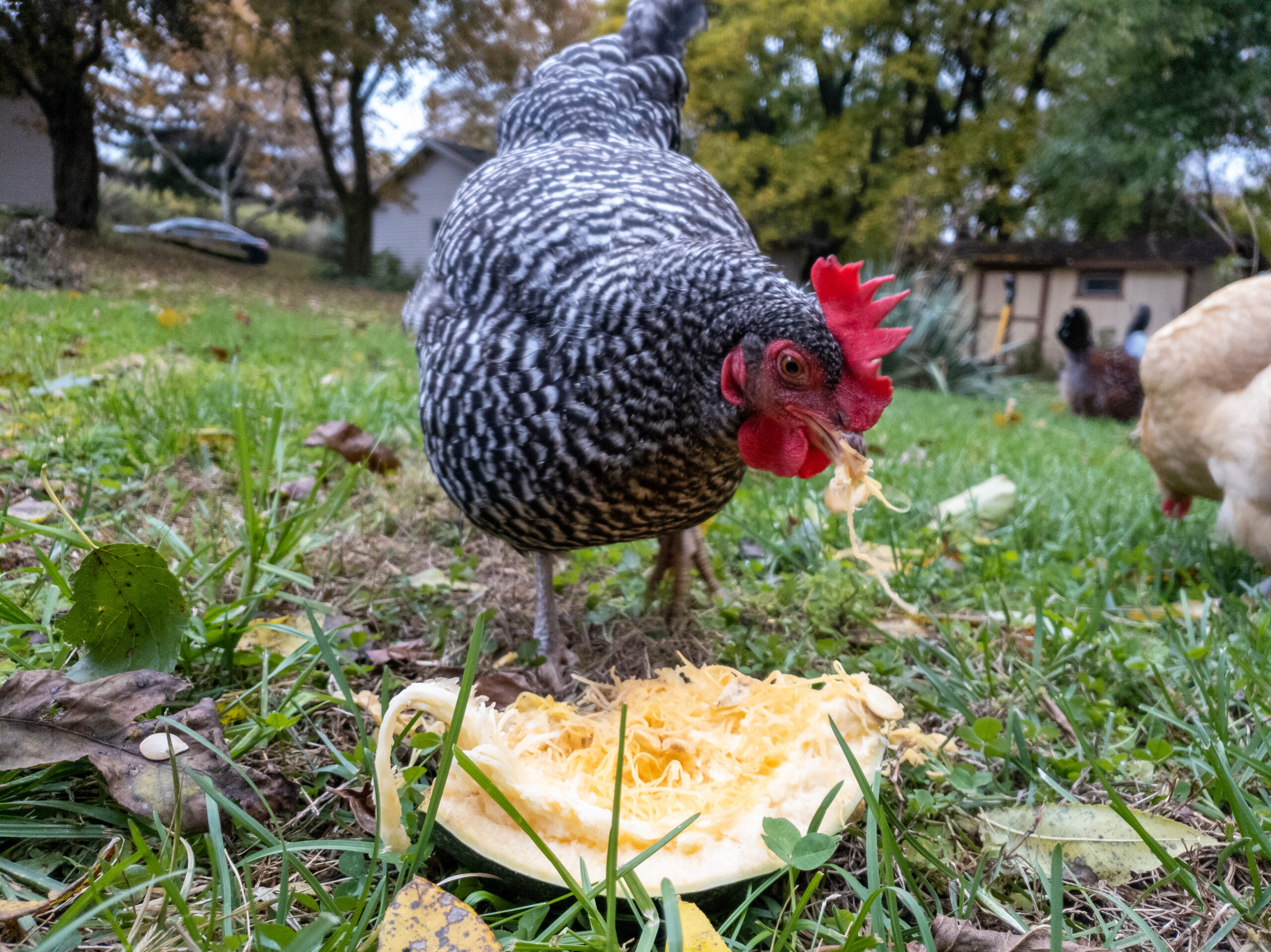
The Black Australorp is a medium-sized chicken. As the name depicts, the breed is covered in fluffy, black feathers with a beetle-green sheen. When in direct sunlight, feathers can also turn iridescent blue and purple. The beak, legs, and feet are also black.
Unlike other chickens that sport yellow eyes, Black Australorps have soft, dark brown eyes that give them the sweet and friendly look the breed is known for.
Average Mature Weight:
Roosters 8.5 lbs.
Hens 6.5 lbs.
Black Australorp Egg Laying and Dual-Purpose Traits
Black Australorp hens are exceptional egg layers. Producing an average of two hundred and fifty to three hundred eggs annually (four to six large, light brown eggs per week), it’s hard to find a better egg producer.
Black Australorps produce eggs for the first four years of their lives. Hens mature early and start laying about the age of five to six months. Like all breeds, egg production slowly decreases by about twenty percent per year.
Another plus side to the breed is its broody tendencies. Black Australorp hens are often good broodies and devoted mothers. Note: Like all chickens, Black Australorps are individuals, and not all hens of this breed are prone to broodiness.
The Black Australorp is a dual-purpose breed, meaning it can be raised for both eggs and meat. While the breed is primarily kept for egg production, roosters can make decent table birds, reaching butchering age in four to five months.
Black Australorp Temperament and Behavior
Docile, friendly, affectionate, and calm, the Black Australorp is gentle and good with children and makes a great addition for families and novices. The breed makes good pets and enjoys snuggling with their owners if raised from chicks.
If raising for pets, be sure to handle them several times a week to keep your flock calm and friendly. Roosters also make good pets and are generally calm around humans.
The breed tolerates confinement well but does enjoy being allowed out of the run from time to time to stretch their legs. A quiet breed, Australorps work well in urban environments with close neighbors.
Black Australorp Health Issues and Care Needs
Black Australorp chickens are relatively hardy and should not pose any problems for the novice. However, the breed is prone to heatstroke due to their dense black feathering.
During the warmer months, provide these black beauties with extra shade to prevent heat-related illnesses. Refill water fountains at least twice daily with fresh, cool water, and check on your flock several times throughout the day to ensure everyone is surviving the heat.
Other health concerns include bumblefoot, obesity, and frostbite (mainly seen in roosters).

Rodney Wilson
Black Australorp Lifespan
- Production lines: 5–6 years average
- Heritage lines: 8–10 years possible
Lifespan depends heavily on diet, environment, and breeding purpose (high-production birds tend to have shorter lifespans)
Black Australorp Egg Records and Production History
Black Australorps are famous in poultry history for record-setting egg production.
Notable achievements include:
- 354 eggs in 365 days by a single hen
- A later record of 364 eggs in 365 days
- A flock of six hens laying 1,857 eggs in one year (average 309.5 per hen)
While impressive, these records represent ideal conditions and selective breeding. Most backyard Australorps will not reach these extremes, but still remain highly productive layers.
FAQs
How many eggs do Black Australorp chickens lay per year?
Most hens lay 250–300 light brown eggs annually under good conditions.
Are Black Australorp chickens good for beginners?
Yes. They are calm, hardy, and easy to manage, making them one of the best starter breeds.
Do Black Australorps go broody?
Some hens do, but broodiness varies by individual bird rather than being consistent across the breed.
How big do Black Australorp chickens get?
Roosters average about 8.5 lbs and hens about 6.5 lbs when fully grown.
Are Black Australorp chickens heat tolerant?
They tolerate heat less well than lighter-colored breeds and need shade and cool water in hot weather.
Final Thoughts
The Black Australorp remains one of the most dependable backyard chicken breeds, combining steady egg production with a calm temperament and easy adaptability. Whether you’re building your first flock or adding reliable layers to an established setup, this heritage breed continues to earn its place in coops everywhere.
Want more backyard chicken breed guides, care tips, and flock management advice? Subscribe to Hobby Farms and get practical homestead insights delivered all year long.