Amy Stoss quit a teaching job to pursue some "dirt therapy." We spoke to her about bringing micro-farming and permaculture principles to the suburbs.

We check in with Franchesca Duval from the humane Northern California farm and find out why quail can be a perfect addition to your homestead.
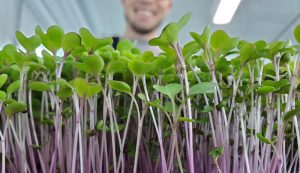
The couple behind an operation called On The Grow produces 40 types of microgreens from a 20-foot trailer. They talk about varieties, taste and tips.

Developed by breeders in 1930s Australia, Droughtmaster cattle thrive in extreme conditions to produce high-quality beef.

Before hybrid broilers and superlayers, authors of poultry books in the early 1900s recommended some chicken breeds that are still prevalent today.

Some of these goat breeds have striking looks, some are great dairy breeds, some are quite small and others are docile so make good companions.

The Plymouth Rock is a versatile heritage-poultry breed, ideal for eggs, meat, temperament, mothering and appearance. Here's all you need to know.

If livestock breeds such as cattle, goats and sheep aren’t enough for your small farm, venture into some of these more unusual animals.

The emu was big on farms until, well, it wasn't. What is it about these huge, flightless birds that prevented them from being the next big meat source?

Camels, low-maintenance animals that originated in North America, are cold-hardy and heat-resistant. They produce lots of milk and can be raised for meat and hides. Do they have a future in the American Southwest?

Do you have your heart set on a particular breed of chicks for your flock? Consult one of these sources to help you find what you want.

The Welsummer, a breed that originated in the Netherlands, has been a breakfast-cereal mascot and is known for its earth-tone eggs.