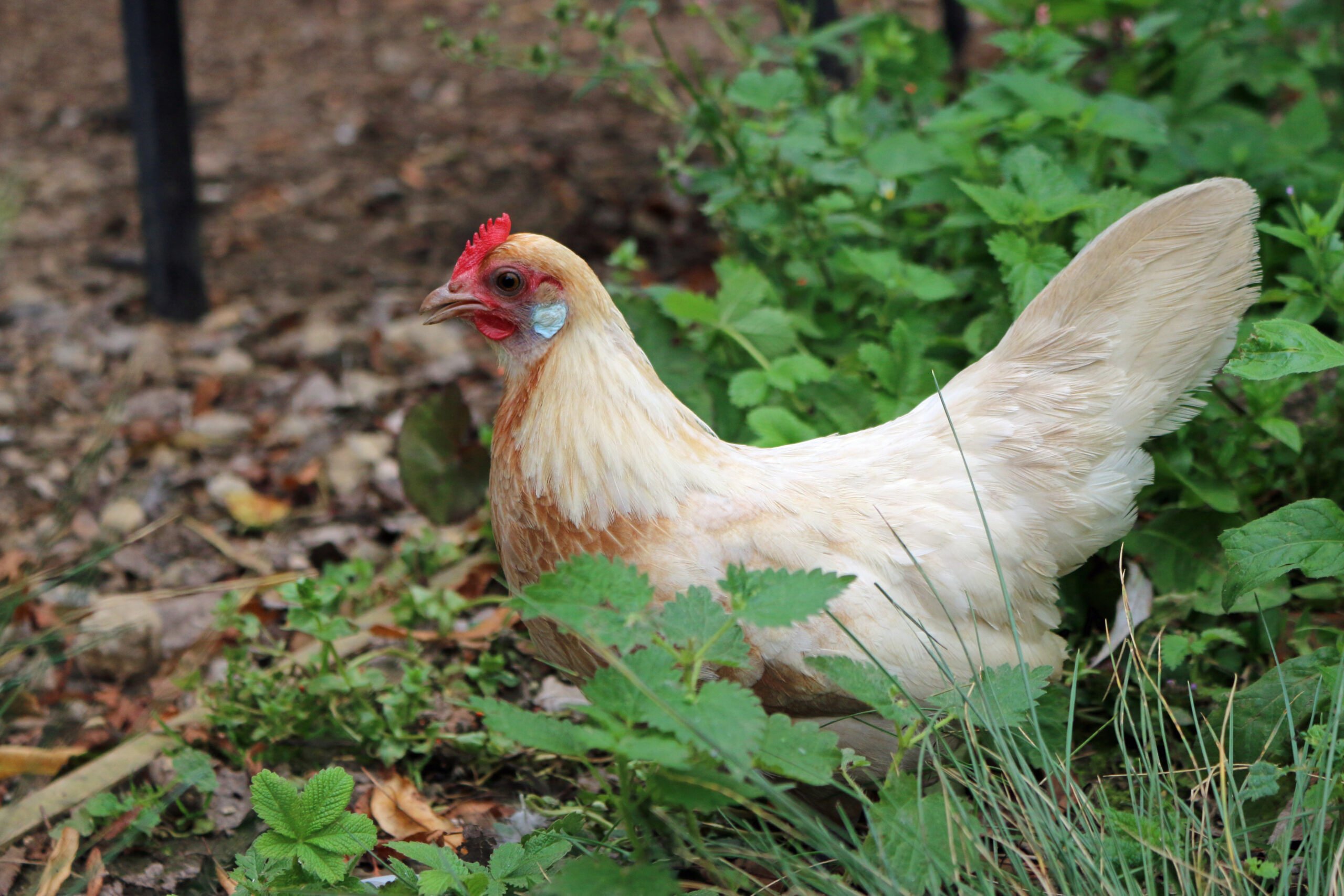
Dutch bantams are among the smallest chicken breeds in the world, but their tiny size doesn’t stop them from making a big impression. Known for their elegant appearance, gentle temperament and surprisingly good egg production for a true bantam, these little birds are favorites among backyard chicken keepers and poultry exhibitors alike. Whether you’re looking for a friendly pet, a show-quality bird or a charming addition to your flock, the Dutch bantam offers plenty to admire.
Key Takeaways
- Dutch bantams are true bantams with no standard-sized counterpart.
- Adults weigh about 1 pound or less, making them one of the smallest chicken breeds.
- Hens lay about 100 to 160 small brown eggs each year.
- The breed is calm, friendly and well suited for beginners and families.
- Dutch bantams are excellent broodies and attentive mothers.
- Their small size makes predator protection and winter housing especially important.
Where Did the Dutch Bantam Originate?
The Dutch bantam has an unknown origin. Various sources credit Holland, or the Netherlands, for developing the breed, while others suggest the breed was imported to the Netherlands from Indonesia. The breeds used to create this tiny chicken also remain unknown.
Dutch bantams soon became popular for Dutch sailors, as the breed’s compact body, ability to handle small enclosures, decent egg production, and favorable meat made them a good addition to ships.
The breed was also popular among Dutch peasants, as the breed’s small eggs were not favored by wealthy landowners. The peasants were allowed to keep the small Dutch bantam eggs to feed themselves, while larger eggs were to be handed over to feed the landowners and their families.
Although popular, the breed did not enter the Dutch Standard of Perfection until 1906, and it wasn’t until after WWII that they reached U.S. soil. It took two attempts of importing the Dutch bantam for the breed to become established in America, but the breed was finally accepted into the American Poultry Association (APA) in 1992.
Today, the Dutch bantam is one of the most popular bantams to appear at poultry shows.
Did you know? In the United States, the Dutch bantam is known by two names. The Dutch bantam and the Bassett. The name “Bassett” often causes confusion, as the real Bassette (with an “e”) is a rare chicken breed found throughout Europe.
Appearance of the Dutch Bantam
Dutch bantams have a distinct look that makes them easy to recognize. The breed features a large single comb with five distinct points and small rounded wattles. Earlobes should be oval and white and the beak short.
A Dutch bantam’s body should be compact and elegant. Both hens’ and roosters’ wings are positioned close to their bodies and carried in the breed’s signature low-wing carriage. Roosters’ tails should be large, full, and well spread, giving the bird a regal appearance. The breed features four toes and clean legs and feet.
The APA recognizes the Dutch Bantam in six colors: black, blue cream light brown, blue light brown, cream light brown, light brown, and silver.
A Tiny Chicken
The Dutch bantam is a true bantam, meaning there is no standard chicken counterpart. Weighing in at one pound or under, the Dutch bantam is one of the smallest bantams available.
Egg Production
The Dutch bantam is a good egg producer when compared to other true bantams. Hens estimate a respectable two to three small brown eggs weekly (about one hundred to one hundred and sixty eggs annually).
Hens lay consistently for the first two to three years of life before numbers begin to decrease. Eggs are small, approximately half the size of a standard chicken egg.
Dutch bantam hens are also excellent mothers and broodies.
Housing and Space Requirements
Due to their small size and friendly personalities, Dutch bantams handle confinement relatively well. Like all chicken breeds, however, care should be taken to provide this breed with a large enough coop and run to stretch their legs and engage in natural chicken behaviors (i.e., scratching, foraging, and dust bathing).
Dutch Bantam Personality
The Dutch bantam is known for two things. It’s eye-catching beauty and its gentle personality. Friendly and calm, the breed is reported to have a strong attachment to its owners, making it ideal for those looking for a tiny pet chicken.
To encourage Dutch bantams to be friendly, chicks should be handled daily to prevent flightiness. When handled regularly, both hens and roosters are suitable for children and novices and make affectionate family pets.
As with all breeds, some Dutch bantam roosters can be prone to aggression. Aggressive roosters should be culled or butchered to avoid passing the aggressive genes onto the next generation of chickens.
How Long Do Dutch Bantams Live?
Dutch bantams live an average of four to eight years, with some individuals reaching ten or more years of age.
Are Dutch Bantams Healthy?
Dutch bantams are generally healthy and should not be prone to many of the egg-related diseases that plague standard chicken breeds. Like all chickens, they can be prone to external and internal parasites, so be sure to check them routinely to keep these pests under control.
Dutch Bantam Care Tips
- Due to their small size, Dutch bantams can get picked off by predators (including neighborhood cats) more easily than standard chicken breeds.
- The Dutch Bantam does not tolerate cold weather well. To keep your flock comfortable, house Dutch and other bantams in an insulated coop and keep the flock confined to the coop during winter.
- During cold snaps, be sure to check Dutch bantam combs for signs of frostbite. To prevent frostbite, apply a thin layer of coconut oil to gently rub into combs daily.
Frequently Asked Questions
Are Dutch bantams good for beginners?
Yes, Dutch bantams have a gentle, affectionate personality that makes them a good choice for novice chicken owners and for those branching out into the bantam world.
How many eggs do Dutch bantams lay?
Dutch bantams are good layers, with each hen averaging two to three eggs a week (one hundred to one hundred and sixty eggs annually).
Do Dutch bantams need special housing?
Yes. Due to their small size, they are more easily picked off by predators and can not handle frigid temperatures. To keep them safe and comfortable, provide Dutch bantams with a predator-proofed coop and run. Insulating the coop can help regulate temperatures to ensure your flock stays cozy all winter long.
Be sure to provide your flock with proper ventilation throughout the coop and run to prevent moisture buildup.
Are Dutch bantams broody?
Yes. Dutch bantams do go broody and make excellent, doting mothers.
What colors do Dutch bantams come in?
Dutch bantams come in a variety of eye-catching colors. Although the APA only recognizes six colors, there are currently almost twenty colors in the U.S., including blue splash, crele, cuckoo, golden, and white.
Are Dutch bantams true bantams?
Yes. Dutch bantams are a true bantam breed, meaning they were developed as a naturally small chicken and do not have a standard-sized counterpart.
Can Dutch bantams live with standard chickens?
They can, but many keepers prefer housing them with other bantams. Their small size makes them more vulnerable to bullying and accidental injury from larger breeds, especially around feeders and roosts.
Final Thoughts
The Dutch bantam proves that great things really do come in small packages. With its friendly personality, elegant appearance and dependable egg production for a true bantam, this breed is an excellent choice for backyard flocks, exhibition enthusiasts and anyone looking for an affectionate pet chicken. Provide secure housing, protect them from predators and cold weather, and these charming little birds can reward you with years of companionship.
Love learning about unique chicken breeds? Subscribe to Chickens magazine for expert breed profiles, flock management advice, housing ideas and seasonal tips to help your backyard flock thrive.