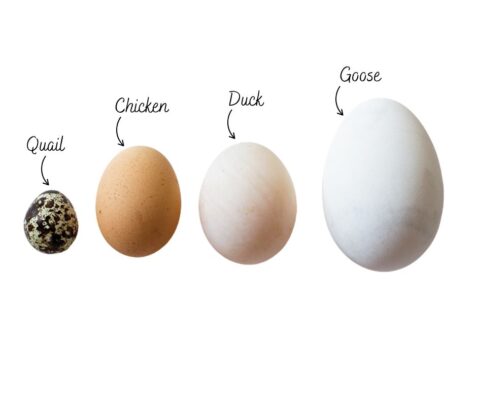
Types of poultry eggs vary widely in size, flavor, and nutritional value. From the tiny quail egg to the large goose egg, each offers unique qualities that can enhance your cooking and poultry-keeping experience. This guide will help you understand the differences and choose the right egg for your needs.
The funny thing about eggs is that most people say they all taste about the same. If you prepare a dish using duck, goose or even quail eggs, guests may notice subtle differences but usually will say it tastes like a chicken egg.” This is actually a good thing, because it allows you to incorporate the more unusual types of poultry eggs into recipes without worrying about drastic changes in flavor. You will, however, need to adjust the amounts!
Let’s explore some of the accessible types of poultry eggs. (Reprinted with permission from Cooking with Eggs [2015]).
Quail Eggs: Size, Nutrition, and Culinary Uses

Bigger isn’t always better. The diminutive, spotted egg of the quail is perfect if you’d like to experiment with a fun, unusual type of egg. At about 1 inch in length and 9 grams in weight, quail eggs are popular with chefs looking to make creative treats such as bite-sized deviled eggs.
Quail Egg Nutrition Information
- Calories: 14
- Protein: 1.2 grams
- Cholesterol: 76 milligrams
Chicken Eggs: The Most Common Poultry Egg Explained
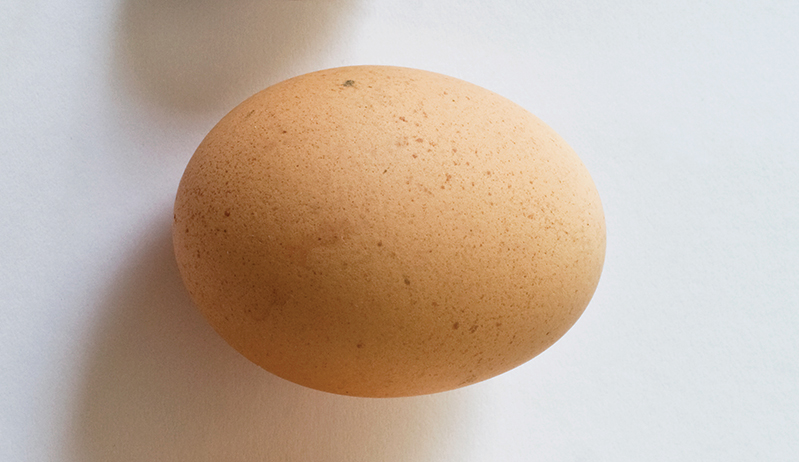
A standard 60-calorie chicken egg is about 21⁄2 inches long, weighs about 60 grams and can vary drastically in color, depending on the breed of chicken that laid it. This is the egg that Americans love most and the only egg that many have ever been exposed to.
Chicken Egg Nutrition Information
- Calories: 60 to 70
- Protein: 6 grams
- Cholesterol: 187 milligrams
Duck Eggs: Flavor, Benefits, and How to Cook Them
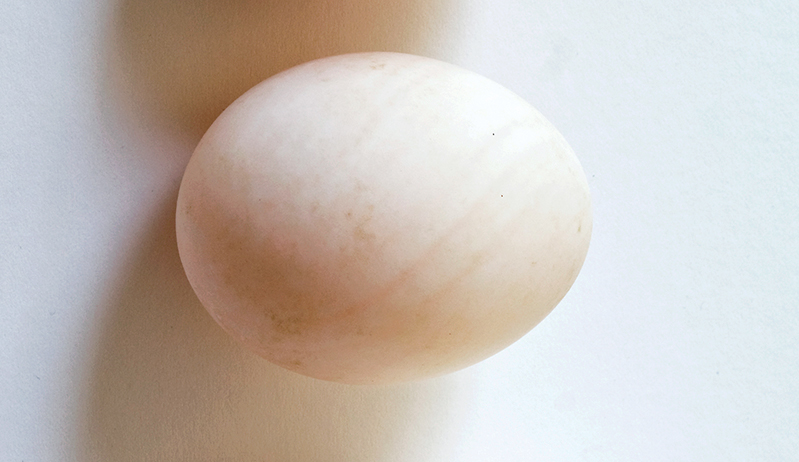
A bit larger than chicken eggs, duck eggs have a creamy, rich consistency, due to their larger yolk-to-white ratio. It also means that they have a higher fat content than chicken eggs. Duck eggs also contain more calories per egg and feature a harder shell than chicken eggs and have a potentially longer refrigerated shelf life.

Duck Eggs Nutrition Information
- Calories: 130
- Protein: 9 grams
- Cholesterol: 620 milligrams
Goose Eggs: Large, Nutritious, and Unique Poultry Eggs

Weighing in at about 5 ounces each, goose eggs are equivalent to two or three large chicken eggs. Once you master the trick of cracking these giants — tapping them against a bowl won’t cut it! — you’ll find them a delight to eat. Geese have a limited laying season of just a few months in the spring, and most birds lay only about 40 eggs per year, give or take
Goose Egg Nutrition Information
- Calories: 265
- Protein: 20 grams
- Cholesterol: 1227 milligrams
Types of Poultry Eggs: Final Thoughts
Understanding the different types of poultry eggs can elevate your cooking and expand your knowledge as a poultry keeper. Each egg type brings its own flavor, texture, and nutritional benefits to the table, making them versatile ingredients and fascinating additions to your kitchen and flock.
This story about comparing types of poultry eggs originally appeared in Chickens magazine. Click here to subscribe.