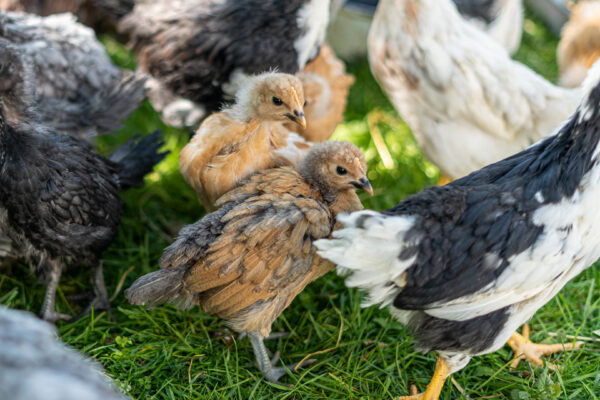
Keeping a closed flock of chickens comes with pros and cons, but for many chicken keepers, it is the best way to prevent disease from entering the coop.
Understanding What is a Closed Flock of Chickens
A closed flock means no adult or adolescent flock members are allowed to enter the coop or property.
While this may sound rather bleak to the backyard chicken enthusiast, many flock owners simply put a ban on adding adult chickens to their already existing flock.
Chicks are the perfect way to expand your closed flock of chickens without needing to worry about the spread of disease. However, care should be taken to avoid introducing vaccinated chicks to an unvaccinated flock and unvaccinated chicks to a vaccinated flock to avoid certain diseases from being spread.
Note: Chicks should be introduced to the flock by hatching your own eggs or by purchasing hatching eggs or baby chicks through a hatchery that supports the National Poultry Improvement Plan (NPIP).
Why Maintain a Closed Flock of Chickens?
A closed flock of chickens helps to reduce the chances of your flock contracting diseases and harmful bacteria from other poultry entering the flock or property.

Tips for Maintaining a Healthy Flock
Keeping a closed flock should involve more than refusing to add adult chickens to your flock. It should also include practicing a few biosecurity tips to keep your flock healthy and free of contagious diseases and pathogens.
As mentioned above, in a closed flock of chickens, no adult or young poultry (with the exception of chicks) should enter the flock or property. In addition, chickens entering the show ring should not be allowed to re-enter the property after visiting a show.
If possible, never visit other poultry flocks, as coming into contact with chickens and other poultry can make your own birds sick. Disease is often spread from flock to flock through a human carrier, so staying clear of other people’s poultry is wise when maintaining a closed flock.
Do’s and Don’ts for Your Flock
Keeping a closed flock of chickens is a practical disease-prevention tip for most backyard flocks. However, there are several things you should or should not do to help make this technique work.
Do’s
- When expanding your flock, be sure to acquire chicks or hatching eggs from hatcheries that support the NPIP, as these hatcheries routinely check adult poultry for certain diseases and pathogens to ensure the guaranteed health of the chicks.
- Continue to practice good biosecurity tips to keep your flock healthy.
- When purchasing chicks, stay clear of birds that appear sick or injured.
Don’ts
- Don’t allow your flock to die out. Chickens are flock creatures and need the companionship of another chicken to keep them happy.
- Never allow visitors to enter your flock’s enclosure to prevent diseases from being spread via footwear from one flock to another.
- Don’t bring home adult chickens. If adult chickens do enter the property, be sure to quarantine them for thirty days before introducing them to the rest of your flock.
Advantages of a Closed Flock of Chickens
There are many benefits to keeping a closed flock. Highly contagious poultry diseases such as avian influenza, Marek’s disease, and coccidiosis are just a few chicken diseases that can be spread by adding adult chickens to your flock.
In a flock of chickens, it’s the smaller, “less harmful” pathogens, such as bacteria, yeast, and parasites, that cause many flock members’ demise after being introduced to a newly acquired adult chicken.
Another consideration is the health of the new chickens in the coop. All chickens, including your own flock, carry a certain amount of bacteria and coccidia in their droppings. These pathogens are not bad in small doses, as your flock has built up an immunity to them. However, a newly acquired adult hen or rooster has not had the ability to build up an immunity to these pathogens, and can become sick or die.
Challenges of Keeping a Closed Flock
Tending to a closed flock is not for everyone, as this practice can have some disadvantages.
For chicken enthusiasts looking to purchase a rare breed or color, acquiring adult stock may be the best way to attain these chickens.
Staying clear of poultry shows and swap meets, and refusing to bring home new stock, may not be something some flock owners want to put into practice.
Another downside to keeping a closed flock of chickens is the inability to rehome chickens in need. For many chicken keepers, being able to adopt a hen or rooster in need is very rewarding.
Keeping a Flock of Chickens Healthy Without Closure
It is possible to keep your flock healthy by practicing good biosecurity if keeping a closed flock is not for you. Examining chickens and other poultry before the time of purchase is necessary to prevent bringing home diseases to your existing flock is a good place to start to keep your flock free of diseases.
Quarantining newly acquired adult and young chickens (excluding chicks) for a minimum of thirty days can go a long way to helping your flock stay healthy.
Final Tips for a Safe and Healthy Flock
Keeping a closed flock is a practical and inexpensive way to maintain the spread of disease in backyard flocks. Whether you raise your chickens for pleasure or purpose, this practice will help to ensure your flock stays happy and healthy.
This article was written for Hobby Farms and Chickens magazines. Click here to subscribe.