Friendly chickens are the goal of many backyard chicken keepers, and with the right approach, they’re absolutely achievable. Raising a calm, people-oriented flock doesn’t happen by chance—it comes from intentional handling, early socialization, and consistent daily interaction. In this guide, we’ll walk through eight practical tips for raising friendly chickens, along with simple ways to help shy or nervous chicks build confidence and overcome fear so they grow into relaxed, approachable hens.
Key Takeaways: Raising Friendly Chickens
- Friendly chickens are best developed through early, consistent handling
- Chicks raised in a calm, human-focused environment are more likely to be confident adults
- Daily interaction—talking, handling, and gentle feeding—builds trust over time
- Avoid chasing or stressful interactions, which can create long-term fear
- Treats and short, positive sessions help reinforce human association
- Even shy chickens can become friendly with patience and routine
- Friendliness must be maintained through ongoing interaction into adulthood
Start With Chicks for Friendly Chickens
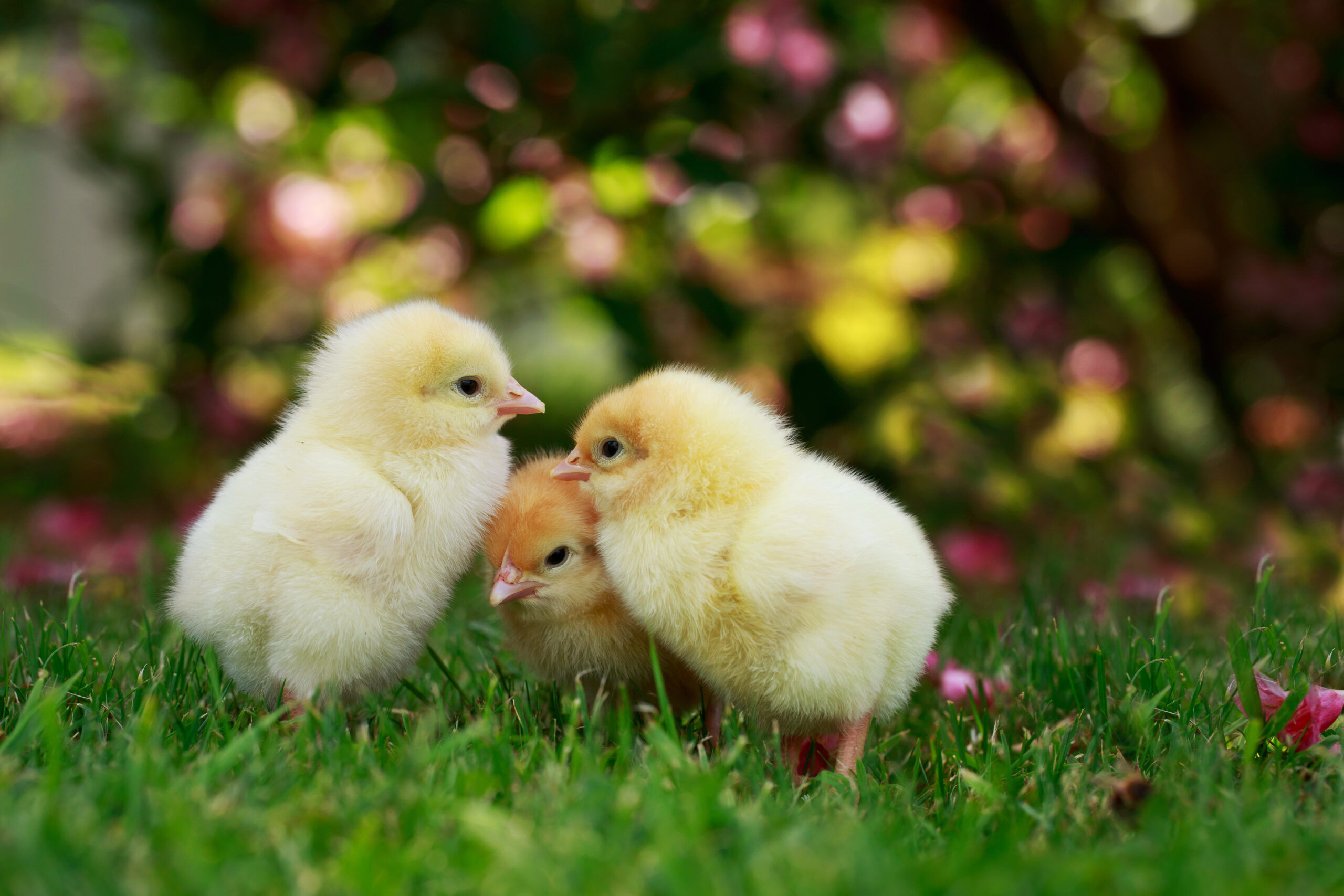
The best way to raise friendly chickens is to start with chicks. Baby chicks hatch with no real-life experience of being hunted by predators, chased by humans, or facing many other dangers adult chickens may have experienced. Trusting and generally calm, chicks are often the best choice for raising friendly chickens.
#1 Choose Hand-Raised Chicks for Friendlier Chickens
If friendly chickens are on your must-have list, then choosing to hand-raise your own is the best option. While a friendly mother hen may allow you to interact with her chicks for small windows of time, hand-raising them yourself is better.
In general, chicks who are raised in a brooder are more likely to have a friendly, confident personality around humans, while chicks hatched and raised by a hen are much more wary of people.
#2 Handle Chicks Frequently to Build Trust
No one can resist cuddling a baby chick, but when raising friendly chickens, holding them isn’t just fun; it’s part of the learning experience. Baby chicks who are handled daily are much more likely to respond positively to being handled as adults than chickens that were not handled as chicks.
To avoid stressing chicks, keep handling sessions under five minutes. If possible, handle chicks at least twice daily. Note: Never allow young children to handle baby chicks or other poultry to avoid injuring the chicks. Instead, allow children to gently touch the chicks while you hold them.
#3 Talk to Chicks Gently to Build Familiarity
Mother hens talk to their chicks frequently, so as the surrogate mother, it is your job to play the role well. And that includes talking to them. Chicks quickly learn the sound of your voice, and you may notice that their cheeps soon turn to happy or contented chatter when they hear your voice.
Voice is very important to helping chicks grow into friendly chickens. Whether telling them about your day, singing to them, or talking them through your daily brooder-care routine, chicks will be much happier and friendlier if you talk to them.
#4 Use Gentle Petting to Raise Friendly Chickens
When handling chicks, be sure to always be gentle. Chicks will not grow into friendly chickens if they are handled roughly from a young age. Petting chicks gently with one finger is the best way to pet them without scaring them, as a large hand may seem intimidating to a baby chick.
Another way to help chicks stay calm while being handled is to lower your head slightly and allow them to bury their head in your neck. This technique mimics how a chick buries itself into a mama hen’s feathers and always works to calm a frightened chick.
#5 Use Hand-Feeding Treats to Encourage Friendly Chickens
It usually takes chicks a few days to get the hang of hand-fed treats. But once they do, they quickly learn that you bring the “good stuff” and will come running every time they see you coming.
Note: Like adult chickens, baby chicks should not receive more than ten percent of their daily diet as treats. While hand-feeding, limit treats once daily to help your new arrivals warm up to you without overdoing the treats.
#6 Encourage Confidence Through Safe Chick Interaction
Chicks love to perch, climb, and fly. And what better source to try these things out on than you? To help chicks become more confident around humans, allow chicks in a safe area away from household pets, predators, or other potential dangers.
Sit on the floor near the chicks and allow them to approach you. It won’t be long, and the chicks will soon be hopping on and off your legs, perching on your arm, or even trying to fly up onto your shoulder.
Spending time with your flock like this doesn’t only help chicks to grow into friendly chickens; it also creates lifelong memories.
#7 Avoid Chasing to Keep Chickens Calm and Trusting
It might go without saying, but if you want your chicks to be friendly, it is best to avoid chasing them. Just like a cat or a shy dog finds being chased to be scary, chicks who are chased will start to view you as a threat and will flee every time they see you coming.
Never chase a chicken or chick when you want to pick them up. Instead, keep young chickens confined in a smaller enclosure until they learn that being picked up isn’t scary. Also, speak your intentions to allow them to know you are going to pick them up. As you would when training a puppy, use consistent vocabulary so your flock can learn to associate the command with the action.
#8 Maintain Daily Interaction for Friendly Chickens
One of the worst mistakes chicken owners make when raising a friendly backyard chicken flock is discontinuing a relationship with the flock. It might be easy to think that all the work is done once your flock has reached adulthood, but if you want your hens to be consistently friendly, they need consistent handling.
To keep adult chickens friendly, be sure to handle each one at least once weekly and continue to talk to them just like you did when they were chicks.
Helping Shy Chicks Become Friendly Chickens
Even when choosing friendly chicks and following tips to raise friendly chickens, there may be a chick who is still fearful or shy. These chicks require a little extra TLC to ensure they overcome their fear and grow into friendly, confident hens. Here are a few tips to help shy chicks overcome their fear:
1. Speak all your actions in a calm, gentle voice to avoid scaring the chicks. Picking up the waterer, tell them. Sprinkling in a few more wood shavings into the brooder? Let them know that as well. It may take a little time, but soon the scared chick will realize what you are going to do next and will stop bolting so easily.
2. Keep handling sessions short and controlled. When a chick starts to kick, flap, and scream while being handled, speak gently to them and bring their bodies closer to yours. Not only does this help to gently restrain them, but some chicks will calm down if they can latch onto your clothes with their feet. Once they have calmed down, place them gently back into the brooder. For nervous chicks, keep handling time to only a minute or two at a time.
3. Move slowly. Avoid scaring a timid chick by eliminating sudden movement.
4. Speak gently. A quiet, calm voice is one of the best ways to calm a scared chick or adult hen.
Friendly Chickens FAQs
How do I make my chickens friendly?
The best ways to help your flock become friendly are to spend consistent time handling them, talking to them, or just sitting close by and allowing them to grow accustomed to you in their own time.
Can older chickens become friendly?
Yes, while it may take more time, following the steps above can help tame older chickens too.
What if my chickens are scared of me?
If your chickens are scared of humans, sit quietly in their coop or run and allow them to approach you at their own pace. While it may be tempting to reach out and try to pet one as they approach, hold back until the hen is comfortable approaching you consistently.
Sprinkling treats near where you are sitting is another good way to help nervous chickens overcome their fear. As your flock becomes more tame, move onto hand-feeding treats and then to handling your flock.
Do chickens recognize their owners?
Yes. Just like your dog and cat know your face and the sound of your voice, your chickens quickly learn them too.
What chicken breeds are best for children?
Brahmas, Cochins, Orpingtons, sex links, and Silkies have friendly dispositions and are some of the best breeds for children and novices.
Friendly Chickens Final Thoughts
Raising friendly chickens is less about one-time techniques and more about building daily habits that earn trust over time. When chicks are handled gently, spoken to often, and treated with patience and consistency, they naturally grow into calmer, more confident birds.
Not every chicken will have the same personality, but even the most reserved hens can become approachable with steady, positive interaction. The result is a flock that’s easier to care for and more enjoyable to spend time with—one that recognizes you not as a threat, but as part of their routine and environment.
This article about friendly chickens was written for Hobby Farms and Chickens magazines. Click here to subscribe.