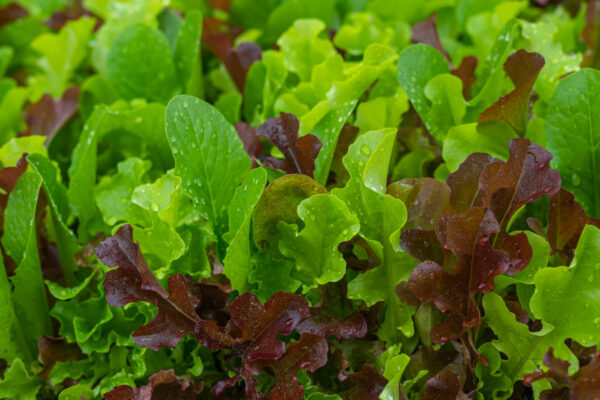
Is rainwater better for your gardens than tap water? Many gardeners think so—and they’re right. The benefits of rainwater for plants are many. And it’s something many gardeners notice. During a dry period with little or no rain, you can water and water and water with a hose, and achieve acceptable results, keeping the garden going between rains. But when that rain does arrive, the garden plants just seem to thrive and flourish in a way that is different from the hose water. Is this a true perception? And if so, what’s going on?
Is Rainwater Better for Your Gardens Than Tap Water? 3 Reasons Why It Is
You’re not incorrect to observe that rainwater is more beneficial to a garden than well or city water. But water is water, right? Why is rainwater better for plants? It’s not necessarily the H2O itself; it’s the other things dissolved in the water that are so important to your plants, in both a negative and positive way.
1. Rainwater is naturally a tad acidic — with a pH of about 5.6, mostly from carbon molecules dissolved in it. This is desirable for plants, since most tend to want slightly acidic soil.
2. Rainwater contains nitrates — nitrogen from the atmosphere that has been modified into a plant-friendly form by lightning, and then delivered to the garden in the form of rain. Nitrogen is, of course, one of your garden’s major macronutrients. Think of the expense and effort you must sometimes expend to increase soil nitrogen, either by purchasing fertilizer or by making your own compost. But rainwater delivers at least some plant-friendly nitrogen automatically, right from the sky. You get the benefits of water and free nitrogen in one rainstorm!
3. What rainwater doesn’t contain is any additives — chlorine, fluoride, salts, or treatments that private wells or municipal water sources might include for various housekeeping purposes. Rain from the sky that hasn’t touched any other surfaces is simply fresh and pure!
There’s no question that water from private wells or municipal water sources can hydrate the garden just fine. And in a dry spell, you don’t have much choice! But well water can sometimes contain unnecessary minerals, and the pH might be considerably more alkaline than rainwater.

Is Collected Rainwater Safe for Your Garden?
Many gardeners create a rainwater collection system with a rain barrel, in an effort to extend the benefits of rain for the garden even on hot dry days. But this type of system isn’t recommended for fruit or vegetable gardens, because the water isn’t sanitized—it’s contacted your roof, which can be full of bird and animal bacteria. Also, algae can form in the barrel. Pure rainwater from the sky is still the best for your veggies!
Is Rainwater Better for Your Gardens? – Final Thoughts
When it comes down to the question “is rainwater better for your gardens?” the answer is yes. Rainwater not only hydrates but also enriches plants with nitrogen, supports healthy soil pH, and avoids the additives found in treated water. While tap or well water will always have its place, especially in dry times, fresh rain remains the gold standard for keeping gardens lush and thriving.
This article about is rainwater better for your gardens was written for Hobby Farms magazine. Click here to subscribe.