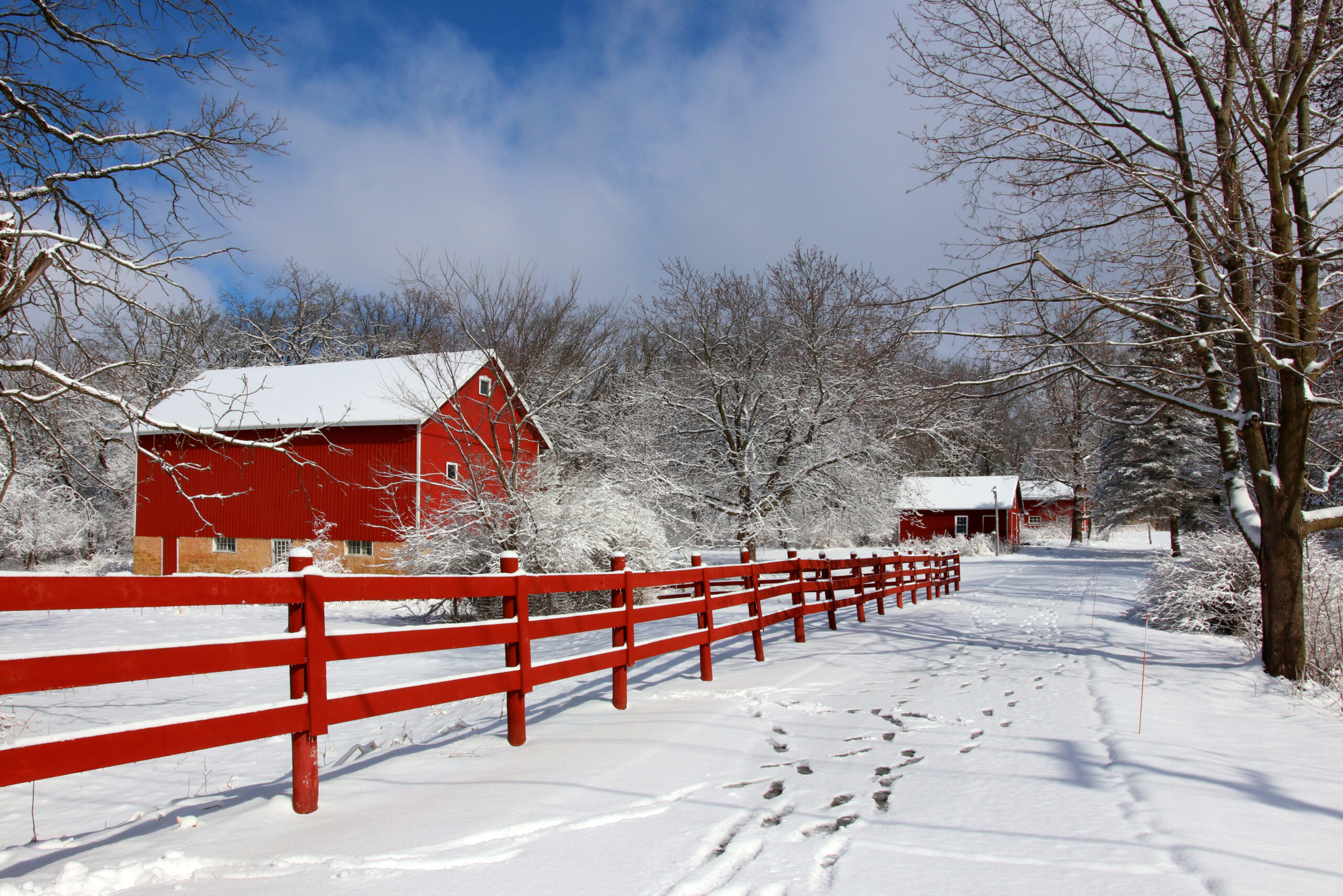
Is snow a good insulator? A frosty rural landscape covered in a thick layer of snow certainly looks cold. Yet in an ironic twist of physics, snow is often a very good thing in regions where winter temperatures frequently plunge well below freezing. When left undisturbed, snow can help protect soil, plants, and farm infrastructure from extreme cold.
Why Is Snow a Good Insulator?
Snow can look like a tremendous amount of material when it’s spread out all over your farm fields. And it is a lot of material—and yet for all its volume, snow doesn’t really pack that much mass, especially in the fluffy form. A cubic foot of fresh snow may melt down to less than half a gallon of water. A common rule of thumb for this “snow ratio” is 10:1—meaning ten inches of snow melts to an inch of water. The takeaway is this: a blanket of snow on the ground represents a relatively small amount of material. It’s mostly empty space.
And why is that important? Because unpacked snow is quite sparse. There are actually many pockets of air within the snow, bestowing it some terrific insulating properties. While obviously a different material, the air pockets in snow function similarly to the air pockets in your home’s insulation, in animal fur, in Styrofoam, or even in a blanket. The layer of air in the snow slows heat transfer, making it less likely for cold air temperatures to penetrate into the ground.
How Farms Can Use Snow as Insulation in Winter
Because of all this, wise homesteaders understand the ironic yet useful fact that a layer of untampered snow can actually help protect garden beds, water lines, septic systems, and other farm infrastructure from frost damage. It may sound unintuitive, but it’s true—with an important caveat: in order to retain good insulating properties, the snow needs to be left alone and not packed down.
When you pack down snow by repeatedly walking or driving over it, the snow layer becomes dense. The air pockets become less numerous, and cold temperatures from the air can penetrate more easily. The ground directly under the packed snow becomes particularly vulnerable to deep frost. This can happen in areas where livestock congregate, where vehicles travel (perhaps to feed animals) and where human foot traffic around the farm buildings occurs.
Walking and driving on the snow during winter is unavoidable, of course, but some simple forethought can save headaches later. Try to route your winter driving and walking paths away from buried water lines—even away from your frostless hydrants and animal troughs if possible. If you don’t, the frost caused by no insulating snow could potentially work its way down and freeze the water line. The same goes for a home’s septic system—stay off the fluffy snow!
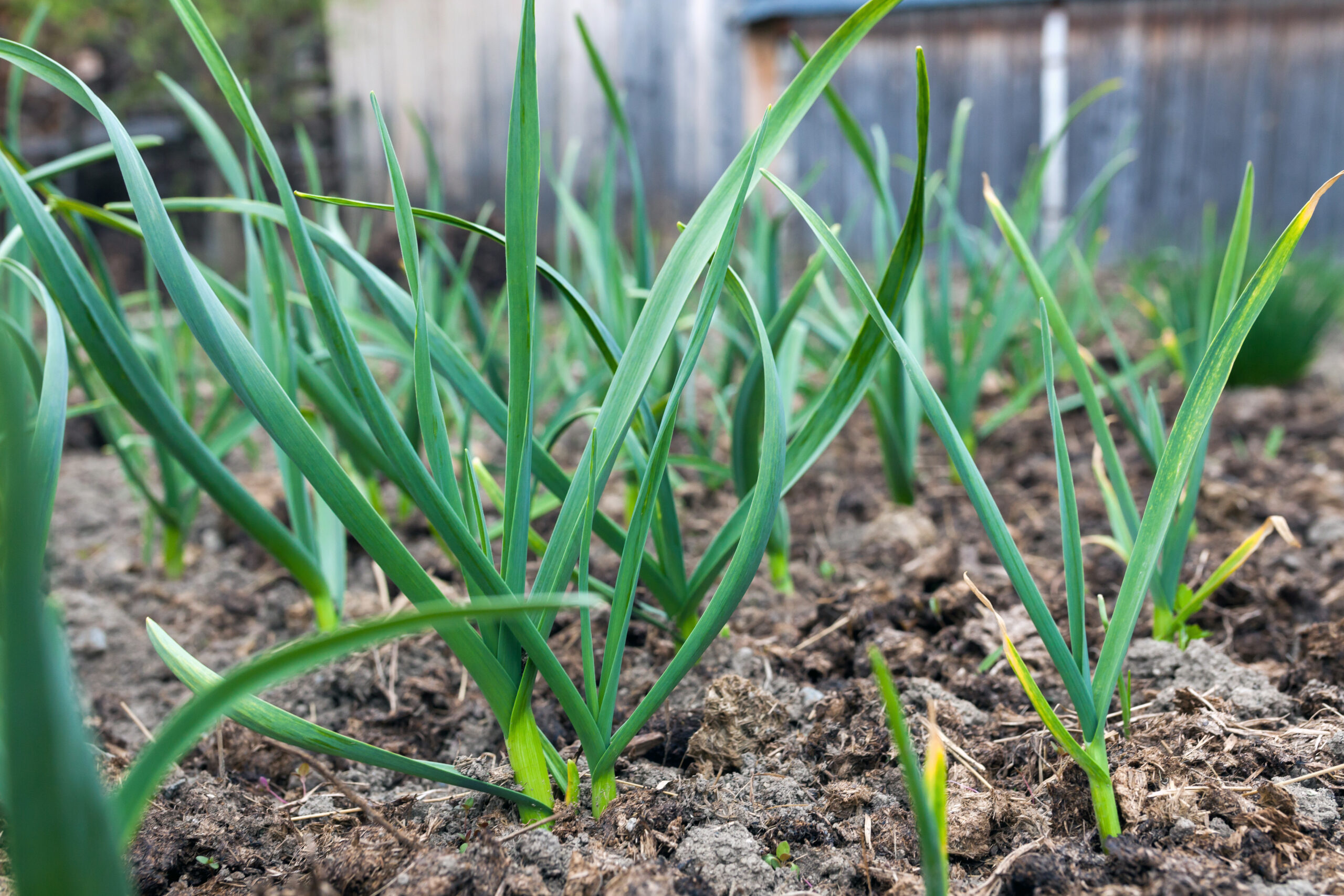
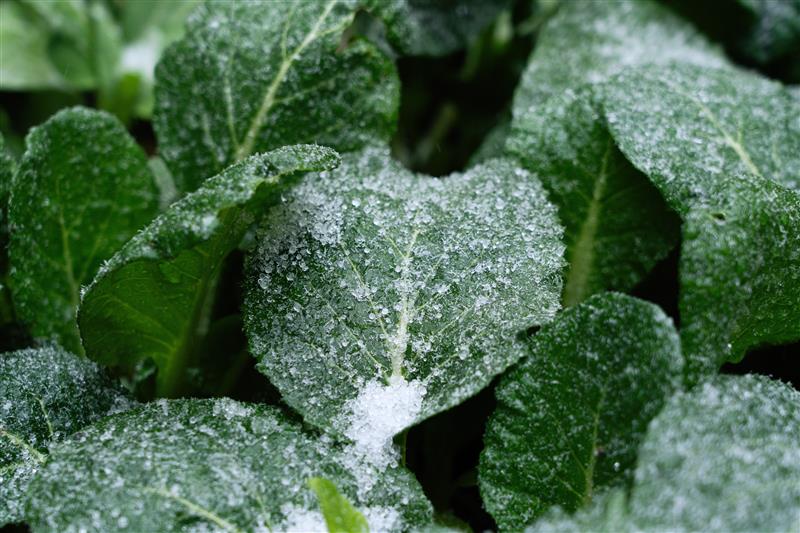
Tree roots benefit from that blanket of snow, as do any overwintering garden crops like garlic or carrots. The less traffic around these, the better. And any field crop that is overwintering, like winter wheat, will also benefit from snow protection. And throughout your farm, that layer of snow helps keep microbes and worms from freezing. All in all, snow is quite a helpful thing.
Is Snow a Good Insulator: FAQ
Is snow a good insulator for soil?
Yes. Snow insulates soil by trapping air, which slows heat loss and helps prevent deep freezing that can damage roots and soil organisms.
Why does packed snow insulate less effectively?
Packing snow removes air pockets, allowing cold temperatures to penetrate more easily into the ground beneath it.
Should farmers remove snow from fields in winter?
In most cases, no. Leaving undisturbed snow helps protect overwintering crops, soil microbes, and buried systems like water lines and septic pipes.
Snow may look like a liability during winter, but its insulating properties make it an unexpected ally on the farm. By preserving fluffy, unpacked snow where possible, farmers and homesteaders can help protect soil life, overwintering crops, tree roots, and buried infrastructure from damaging frost. Understanding how snow insulates—and where to avoid disturbing it—can make winter management simpler and far less costly.
This article discussing is snow a good insulator on the farm was written for Hobby Farms and Chickens magazines. Click here to subscribe.