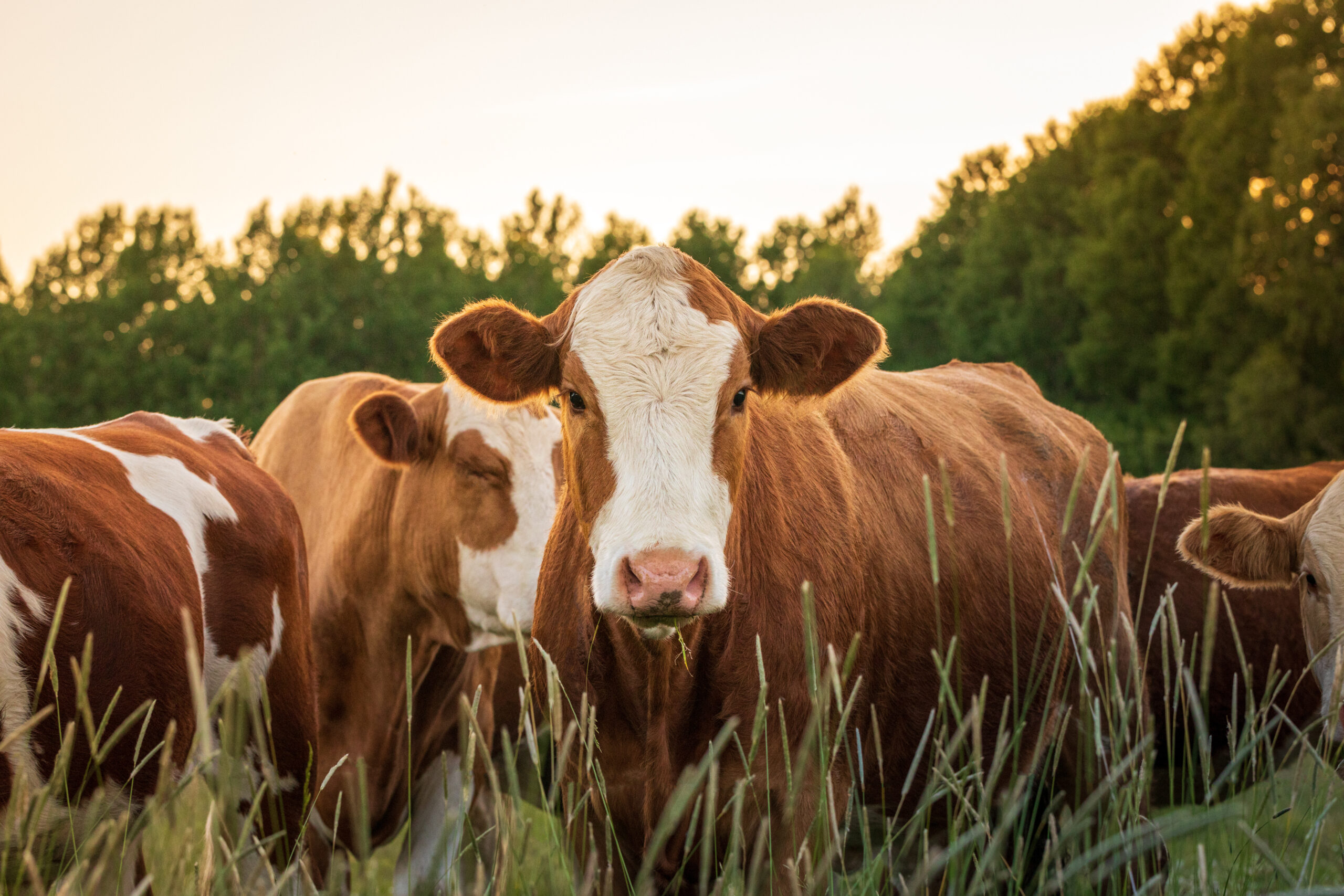
A well-stocked livestock first aid kit is one of the most important tools on any farm, homestead, or backyard setup. Injuries, illnesses, and emergencies don’t wait for a convenient time, and having the right supplies within reach can make a critical difference in outcomes for cattle, goats, poultry, and other livestock.
The goal of a livestock first aid kit isn’t to replace veterinary care—it’s to stabilize injuries, reduce stress, and provide immediate support until professional help is available. From bandages and disinfectants to parasite control and emergency tools, a properly organized kit helps you respond quickly and confidently when every minute counts.
Whether you’re just getting started or upgrading your current setup, building a reliable kit ensures you’re prepared for the unexpected and better equipped to protect the health of your animals.
Key Takeaways
- A livestock first aid kit is essential for quickly responding to injuries, illness, and emergencies on any farm or homestead.
- The kit should be customized based on the species you raise, such as cattle, goats, poultry, or mixed livestock.
- Core supplies include bandaging materials, disinfectants, wound care products, and basic medical tools.
- Kitchen staples and everyday items—like sugar, vinegar, and clean towels—can play a surprisingly important role in emergency care.
- A livestock first aid kit should be stored in a clearly marked, easily accessible location that everyone on the property knows about.
- It’s important to know when NOT to treat an issue yourself and to contact a veterinarian for serious injuries, infections, or internal conditions.
- Regularly checking and restocking your kit ensures supplies are always ready when needed.
- Pairing your kit with an emergency plan improves response time and animal outcomes during crises.
Emergency Planning for Your Livestock First Aid Kit
Before assembling a livestock first aid kit, choose a clean location where you can store all the necessary supplies. Whether this is a metal feed can, a repurposed cabinet, or a plastic tote container, be sure to have a designated area to keep supplies so you always know where to find them in an emergency.
Once you have chosen a designated spot to house your medical supplies, consider adding a list of emergency contacts, such as a vet to have on hand just in case. Include your own phone number should someone be filling in for you when you’re out of town. Note: On days when you can’t be on hand in case of an emergency, be sure whoever is tending to the farm knows where the livestock first aid kit is and how to treat an emergency if one should happen while you’re away.
While it may be tempting to save some money and treat all diseases and injuries at home, the purpose of a livestock first aid kit is to treat an emergency, not be your own vet. If injuries are deep, bleeding heavily, appear infected, or do not heal, or if an animal is sick, contact a veterinarian immediately.
Essential Bandaging Supplies for Livestock Injuries
When owning animals or poultry, it isn’t a question if you’ll need to bandage up a hurt animal; it’s a question of when. Which is why bandages are the first thing included on the livestock first aid kit list. Some of the recommended bandages and supplies include:
Absorbent cotton (in case of heavy bleeding)
Adhesive tape (to keep bandages in place)
Duct Tape (for bandaging the bottom of hooves)
Gauze dressing pads
Hoof dressing (for thrush/foot rot)
Roll gauze
Scissors (to cut dressings)
Self-stick elastic bandage, such as Vetrap
Wound Disinfectants and Healing Ointments for Livestock Care
Whether or not an injury is deep enough to require bandaging, it still should be thoroughly cleansed and disinfected to prevent the risk of infection. Common disinfections and ointments include:
Green Goo (for treating injuries and bumblefoot in poultry)
Nonsteroidal eye ointment
Peroxide (Cleaning wounds)
Sterile saline solution (for rinsing wounds and removing debris from eyes)
Triple antibiotic ointment
Wound ointment spray
Udder ointment (check label before using on dairy animals)
Sometimes an injury or cut is deep enough to require stitches. If this happens, do not try to remedy the situation on your own. These injuries are best left to the professionals and require a veterinarian’s assistance.
Unexpected Kitchen Supplies That Belong in a Livestock First Aid Kit
It may sound strange to see kitchen items on hand for a livestock first aid kit, but some common kitchen supplies can literally be the difference between life and death.
Apple Cider Vinegar (helps poultry recover from stress)
Granulated sugar—yes, you read that right. Granulated sugar is an excellent tool to help remedy a prolapsed oviduct or uterus. The sugar helps to absorb some of the fluids in the oviduct and uterus, making it easier to retract the reproductive organs back to where they should be. Note: When working with large livestock, be sure to have at least five pounds of sugar on hand at all times.
Molasses (good vitamin boost for both livestock and poultry)
Must-Have Farm Tools for Emergency Livestock Care
When dealing with an emergency, there are a few tools you don’t want to go without that make dealing with an emergency a little bit more pleasant.
Disposable gloves (for cleaning cuts and wounds)
First-aid guide
Flashlight with extra batteries
Pocketknife
Wire trimmers
Veterinary-Style Supplies for Your Livestock First Aid Kit
While you may never be the next James Herriot, there are some tools veterinarians always carry with them that can come in handy for the average livestock or poultry owner.
Iodine (Flushing wounds and treating minor scratches)
Needles (administering injections)
Rubbing alcohol (for disinfecting tools)
Stethoscope
Syringes (for flushing wounds and medicating sick or injured livestock and poultry)
Rectal thermometer
Thermometer lubricant
Tweezers
Parasite and Fly Control Supplies for Livestock Health
External and internal parasites can be a common problem on the farm. Having the right medications on hand can go along way to correcting or preventing a problem.
Livestock/poultry-safe fly spray (for use on external wounds during fly season to prevent fly strike)
Species-specific dewormer
Species-specific dusting powder
Additional Livestock First Aid Kit Essentials and Emergency Extras
Activated charcoal (in case of consuming poisonous plants or other toxins)
Clean towels
Hoof trimmers
Stoppick spray (poultry)
Epsom salts (treating an egg-bound hen and hoof soaking)
Farrier’s rasp
Frothy Bloat Treatment (treating bloat and constipation in ruminants)
Liquid calcium (treating egg-bound poultry)
Species-specific probiotics
Frequently Asked Questions
What should be included in a livestock first aid kit?
A basic livestock first aid kit should include bandages, gauze, adhesive and self-stick wraps, disinfectants, antibiotic ointments, a thermometer, scissors, and disposable gloves. Depending on your animals, you may also need species-specific items like hoof care products, dewormers, or poultry treatments.
Do I really need a livestock first aid kit?
Yes. Even well-managed animals can get injured, develop infections, or experience sudden health issues. A livestock first aid kit allows you to respond quickly, stabilize the situation, and potentially prevent a minor issue from becoming a major emergency.
Where should I store my livestock first aid kit?
Store it in a clean, dry, and easily accessible location such as a feed room, barn cabinet, or dedicated storage tote. Everyone involved in caring for the animals should know where it is and how to access it in an emergency.
When should I call a veterinarian instead of treating an animal myself?
You should contact a veterinarian if an injury is deep, bleeding heavily, appears infected, involves broken bones, or if an animal shows signs of severe illness. A livestock first aid kit is meant for immediate care—not replacing professional veterinary treatment.
Should I customize my livestock first aid kit?
Absolutely. A poultry keeper’s kit will look different from a cattle or goat kit. Tailoring your supplies to your specific animals ensures you’re prepared for the most likely injuries and conditions you’ll encounter.
How often should I check my livestock first aid kit?
It’s a good idea to check your kit at least every few months. Replace expired medications, restock used items, and ensure tools and supplies are still clean and functional.
Livestock First Aid Kit Conclusion
Every farm’s livestock first aid kit will look a little different depending on the animals raised and how they’re used, but the goal is always the same: be prepared before an emergency happens. From minor cuts and hoof issues to sudden illness or injury, having the right supplies on hand can make a critical difference in your response time and your animal’s recovery.
A well-organized kit, combined with a basic understanding of when to treat at home and when to call a veterinarian, helps you act quickly and confidently. Preparation doesn’t eliminate emergencies—but it does make you far better equipped to handle them when they arise.
This article about preparing a livestock first aid kit was written for Hobby Farms and Chickens magazines. Click here to subscribe.