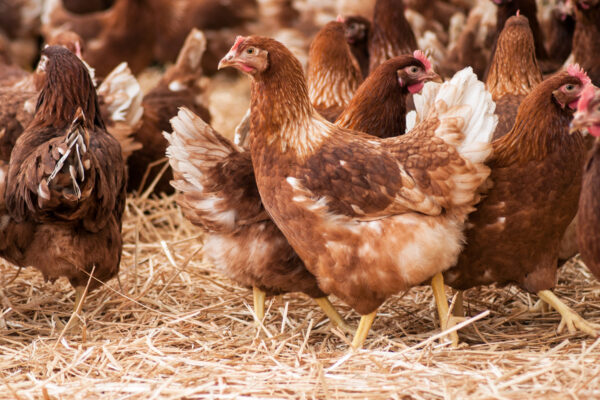
The types of poultry to consider raising on a farm are considerable. Each variety brings unique needs and benefits, and you might find room for all of them or discover that only one type will really fit your lifestyle.
People might think chickens are the only option for farm-fresh eggs, but that is not the case. Most farmyard poultry lay eggs, all the species are prized for their meat, and some have other special skills to offer the homestead.
1. Chickens: The Classic Farmyard Bird
As the best-known backyard farm bird, chickens are valued because they are easy keepers and quite useful. They’ve been part of farmyards for about 5,000 years, since first being domesticated in Asia from a wild bird known as the Red Junglefowl. These spangled birds are still found on islands across the South Pacific today.
The appeal of chickens in ancient societies and our modern world is their incredible versatility as a domesticated animal. Chickens do it all: They lay delicious eggs, they provide meat, they eat bugs, they can have beautiful spangled feathers, they can be great pets, they give you organic manure, and they are cheap and easy to keep.
Also Read: 5 Tips For Effective Poultry Showmanship
An adult hen lays four to six eggs a week, which means three or four chickens are enough to keep a family well supplied. They do not need a rooster to lay. Raised for meat, a chicken can feed a family for several days, providing lunch meat, salads and soups. Chickens require about 4 square feet per bird and a small run. They eat approximately 1/4 pound of feed a day, and it’s quite easy to grow your own chicken feed. Many farmers will fund their chicken feed purchases directly with the sales of their farm-fresh eggs.

2. Friendly Geese for Eggs and Meat
The earliest domesticated poultry, geese can be friendly and useful additions to the farmyard. They take marginally more work than a flock of hens, but they are still easy keepers and can bring you a variety of rewards.
Geese can lay 20 to 40 eggs a year, and a goose egg is large enough to make a full omelet on its own. Geese are prized for their delicious dark meat, and when slaughtered their fluffy under feathers make the down that stuffs our pillows and comforters.
These large birds also have some unexpected uses. They are used for weeding several broad-leafed crops, such as keeping the growth around plants like strawberries under control while leaving the sweet fruits behind. They also make excellent guard animals, honking loudly at the sign of any intruders or changes. While geese have a reputation of being aggressive, hand-reared ones are usually docile and friendly, all honk and no bite.
Geese do need more space, about 10 square feet per bird. They need access to water in order to swallow their food, but they don’t need a full pond to bathe in. As long as water is deep enough for them to immerse their beaks, they should be fine, and geese kept on pasture in summer need little if any grain to supplement their grazing. Geese kept on grain eat about 1/2 a pound a day.
3. Ducks: Water-Loving Poultry
Ducks have been farmed for thousands of years, and wild ducks were hunted and their eggs scavenged even before that.
There are far more different types of ducks in domestication than you might guess. There are upright, skinny varieties known as runners; the meaty-faced, unique Muscovies; and also plumper, swimming breeds that descend from wild Mallards. Each type has its own needs, but like geese, ducks do not need a pond to be happy. Ducks use water to bathe and eat—they also cannot swallow without immersing their beaks.
Ducks need approximately 4 square feet per bird. Geese and ducks sleep on the ground, unlike chickens, who prefer being able to roost at night. Adult ducks will eat about 1/4 pound of feed a day, and love special treats. Ducks are omnivores and enjoy tadpoles, lizards, and mice as much as lettuce, tomatoes, and bread.
One thing to keep in mind with ducks, especially breeds such as Mallards and Pekins, is that they are much messier than other poultry. Waterfowl are intrinsically dirty, as part of their daily toilette includes splashing in water that will cover the area they are kept in, and if there’s mud anywhere on your farm, it is guaranteed they’ll find it and play in it.
4. Guinea Fowl: Low-Maintenance Foragers
Guinea fowl are African birds most similar in appearance to turkeys, with bald blue heads and speckled bodies. Originally hunted and eventually domesticated, these birds are very low-maintenance, but most remain at least somewhat wild.
Many farmers keep guineas without any shelter at all, as they can fly high enough into the trees for night roosting to be safe from predators. If kept in captivity, they need 2 to 3 square feet per bird for a shelter. Additionally, guineas eat almost no feed during the summer months, when they are expertly foraging. They lay eggs seasonally, in the spring and summer, usually about 30 a year. Plump birds, they make good eating and are said to be more flavorful than chicken.
Also Read: Find Your Poultry Purpose Before Building A Flock
Apart from eggs and meat, many farmers keep guineas to protect flocks of smaller birds, such as chickens, and to reduce pests such as ticks and snakes on the farm. Guineas are active foragers and love little insects like ticks, and they are fearless hunters when confronted with snakes. They won’t shrink from mice or rats, either.
Guineas are very loud birds and they wander far when left to free range. They’re not on the ideal types of poultry list if you’re looking for a pet, but they are excellent low-maintenance fowl if you want pest control and fresh eggs.
5. Tiny Quail for Small Spaces
Another bird whose behavior usually hovers on the edge of domestication is the quail. Quail are similar to pheasants, another of the types of poultry one might find on the modern homestead. Pheasants are often larger, and they usually have brighter plumage and louder calls.
Quail are great birds to keep on a small farm because they themselves are diminutive and need only one square foot per bird in a shelter. They don’t roost and don’t require nesting boxes, preferring to lay their eggs in private corners. Skittish by nature, they love having plenty of places to hide in their run.
Quail are productive layers, averaging more than 200 eggs in a year. These eggs are tiny and speckled, and they are considered a delicacy. Quail meat is also prized; however, the breed yields very little per bird. They are very active and must be kept amused in their run or allowed to free range. This also makes them highly entertaining to watch forage and play, and adult quail eat only about 15g of feed a day.
Being so tiny—adults are about 1/4 of a pound—quail are always at risk to larger predators. They must be kept away from large house pets such as dogs and cats, and they need a secure shelter from even smaller predators such as rats and skunks.
6. Turkeys: Showy and Social Birds
Turkeys make striking additions to the barnyard, the males always happy to show off their plumage and bright blue heads. First domesticated about 2,000 years ago, turkeys originate from Mexico and Central America. Turkeys are raised primarily for their meat but are becoming more popular as pets.
While you are probably familiar with turkey meat from the Thanksgiving tradition, these birds also lay two or three eggs per week that can be scrambled or fried just like chicken eggs. Turkeys are great fliers and can be kept without a run, as they will roost out of reach of predators at night. They eat about 1/2 pound of feed a day but can consume less if they are actively foraging.
Turkey owners describe the birds as surprisingly affectionate, allowing themselves to be carried around and choosing to hang out with their human companions instead of shying away. Weighing around 20 pounds each, adult turkeys can also effectively guard a flock of smaller birds. They are notoriously curious, which might lead to their fearlessness of people.
Unique Birds to Consider for Your Flock
There are plenty of other types of poultry you can keep on your farm. Emus, the flightless birds from Australia, have become prized for their meat and large, speckled eggs. Because of their size, they require more space than the average poultry. Peacocks are kept on farms for their beautiful feathers and amusing personalities, despite their very loud calls. Swans, pheasants, partridges, and pigeons are all raised by farmers for various reasons and are well worth considering on your homestead.
FAQ: Farm Poultry Essentials
Q: What types of poultry are best for beginners?
Chickens are the easiest for new farmers due to their hardiness, versatility, and moderate space needs. Ducks and quail can also be beginner-friendly, depending on available space and interest.
Q: Do I need a rooster for hens to lay eggs?
No, hens will lay eggs without a rooster. Roosters are only necessary if you want fertilized eggs for hatching chicks.
Q: How much space does each type of poultry need?
Chickens: ~4 sq. ft. per bird
Ducks: ~4 sq. ft. per bird
Geese: ~10 sq. ft. per bird
Guinea fowl: 2–3 sq. ft. in a shelter
Quail: 1 sq. ft. per bird
Turkeys: ~10 sq. ft. per bird for roosting
Q: Can poultry live without a pond or water source?
Most poultry need water to drink, but only waterfowl (ducks and geese) require water deep enough to immerse their beaks for eating and bathing.
Q: Which types of poultry are best for meat production?
Chickens, turkeys, ducks, and geese are commonly raised for meat. Quail also provide a small but prized meat source.
Q: Are all poultry noisy or difficult to manage?
Noise and maintenance vary: geese and guinea fowl can be loud, while quail are quiet. Ducks tend to be messy, and chickens are generally easy to manage.
Q: Can poultry help with pest control?
Yes. Chickens, guinea fowl, and ducks actively forage for insects, ticks, and small pests, helping reduce unwanted bugs in your garden or yard.
Q: How many eggs can I expect from each type of poultry?
Chickens: 4–6 eggs per week per hen
Geese: 20–40 eggs per year
Ducks: Varies by breed; generally 100–300 per year
Guinea fowl: ~30 eggs per year
Quail: 200+ eggs per year
Turkeys: 2–3 eggs per week
While raising every type of poultry isn’t always practical, adding a few unique birds to your flock can be rewarding if you have the space and time. These less common fowl can bring unexpected benefits, from pest control to egg production, and add extra charm to your farmyard.
This article about six types of poultry for a farm was written for Hobby Farms and Chickens magazines. Click here to subscribe.