Breeds of livestock include hundreds of cattle, sheep, goats, pigs, poultry, rabbits, and other farm animals, but many heritage breeds are now at risk of disappearing. The Livestock Conservancy works to protect these rare animals by encouraging farmers and homesteaders to raise them. Whether you’re planning a small farm or simply want to learn about endangered heritage livestock, these remarkable breeds offer valuable genetics, history, and sustainable farming potential.
Key Takeaways
- The Livestock Conservancy works to preserve more than 150 rare heritage breeds of livestock in North America.
- Endangered breeds are classified as Critical, Threatened, Watch, or Recovering based on breeding population numbers.
- Heritage breeds often offer valuable traits such as hardiness, disease resistance, longevity, and adaptability.
- Raising rare breeds of livestock helps preserve agricultural history while supporting sustainable farming.
- Even adding one endangered heritage breed to your farm can contribute to its long-term survival.
What is the TLC?
Formerly known as the American Livestock Breeds Conservancy (ALBC), the Livestock Conservancy is a nonprofit organization that has been dedicated to preserving over 150 rare heritage breeds of cattle, chickens, donkeys, ducks, geese, goats, horses, pigs, rabbits, sheep, and turkeys. TLC focuses on bringing disappearing breeds back into popularity, combining healthy agricultural practices with an emphasis on historical breeds.
In order for a breed to be recognized by the organization, it must have certain qualifications, including
The breed must have had an established and continuous breeding program in the U.S. since 1925.
The breed is a true genetic breed (meaning when a female and male of the same breed are bred together, they must reproduce the same breed type).
The breed must have fewer than 2,500 breeding stock in the U.S. and estimated 10,000 or fewer breeding stock globally
Must have at least three bloodlines in the U.S.
Must have at least twenty breeding females in the U.S.
Required to have an association of breeders in the U.S.
Must contribute to the breed’s survival internationally.
How Do I Know if a Breed Is Endangered?
TLC has four categories of a breed’s success. Learning what these categories stand for will help you know how close to extinction the breed is.
Critical: Fewer than 200 annual registrations in the U.S. and less than 2,000 registrations worldwide.
Threatened: Fewer than 1,000 annual registrations in the U.S. and less than 5,000 registrations worldwide.
Watch: Fewer than 2,500 annual registrations in the U.S. and less than 10,000 registrations worldwide.
Recovering: Breeds that were once in another category that have exceeded the “watch” category but still need monitoring.
Cattle Breeds
TLC recognizes several different cattle breeds used for milk and meat.
Texas Longhorn—Critical
The Texas Longhorn is easy to recognize by its long, thin horns. Dating back as early as the eighteenth century, this famous cow is extremely weather-hardy and is well suited for desert climates where other cattle breeds wouldn’t survive.
Once believed to be wild, the Texas Longhorn is a gentle and calm breed, calves easily, and is known for its high-quality, lean meat.
Guernsey—Watch
What was once a popular breed in the dairy industry, the Guernsey, like many other breeds of livestock, started to lose favor for a higher-producing breed. Guernsey cows are known for their quiet dispositions, but the bulls can be aggressive.
Cows are good producers of golden-colored milk (the milk gets its color from the high amounts of carotene found in the milk), averaging 4–6 gallons of milk daily.
Dutch Belted—Critical
Originating in the Netherlands, the Dutch Belted is easy to recognize by the large white belt around the middle of its otherwise black body.
Bred to be a milking cow, the Dutch Belted is reported to be a good producer of “perfect-tasting drinking milk.” Cows have a long production life and are able to birth calves well into their teens.
Chickens
Despite their growing popularity as backyard pets, there are still some chicken breeds in need of our help.
Buckeye—Watch
The only chicken breed to be entirely created by a woman, the Buckeye was first developed in Ohio by Nettie Metcalf in 1896. Superior mousers, excellent broodies and mothers, and good producers of eggs and meat, the Buckeye is an excellent dual-purpose breed.
Buckeye hens are good layers of medium-sized brown eggs, averaging 150–240 eggs annually. Despite their friendly and calm dispositions, they do not tolerate small runs and prefer to spend their days free-ranging.
Campine—Threatened
A good breed for beginners, the Campine is active and energetic. These friendly birds are reported to have clownish personalities, but despite their love of people, Campines do not like to be handled.
A good layer of white eggs (averaging 140–200 eggs annually), hens produce larger eggs than their small bodies suggest. While they are good layers, the Campine is not cold-hardy, so expect production to cease during the colder months.
Delaware—Recovering
A wonderful dual-purpose chicken, the Delaware is a relatively new breed to be in the Livestock Conservancy’s list of breeds of livestock. Hens are good producers of brown eggs, averaging about four eggs a week.
While the breed is recovering, they are still being monitored to ensure they do not fall out of popularity.
Donkey Breeds
It may seem strange to see donkeys among the breeds of livestock on the list, but these delightful equines need our support to avoid extinction.
American Mammoth Jackstock—Critical
American Mammoth Jackstock donkeys have tall, strong legs and good heads and are often bred with Belgian horses to create working mules. In fact, breeding for mules is the primary usage for this breed. However, with the main focus being on interbreeding, the American Mammoth Jackstock is one of the most likely breeds of livestock to face extinction.
Overall, the breed has a good temperament and is calm and easy to handle.
Ducks
More often thought of as pets than breeds of livestock, these duck varieties are starting to make a rebound.
Indian Runner—Recovering
Popular in Asia for their excellent work at removing pests in the rice paddies, Indian Runners (also known as Runner ducks) are an excellent breed for gardeners and orchardists.
These lively ducks are energetic and active and are often used to train herding dogs to work livestock. Females are prolific layers, producing an average of 250 large white eggs annually.
Silver Appleyard—Watch
The Silver Appleyard is a great backyard duck and dual-purpose breed. Silver Appleyard hens are one of the best layers of the heavyweight breeds, producing an average of 200 large, white eggs annually.
Good family pets, the breed is calm, friendly, and placid, although the females have a boisterous quack, making them a poor choice if you have neighbors close by.
Welsh Harlequin—Watch
This beautiful breed is gaining popularity both as laying ducks and family pets. The Welsh Harlequin is a good duck for those looking to confine their flock, as the breed needs protection from predators and the elements.
As decent egg layers, females produce about 150–200 medium-large eggs annually. Both the ducks and drakes are known for their calm and friendly disposition and are reported to be great with kids.
Geese
While many domestic goose breeds are not endangered, there are still a few on the Conservancy’s list of breeds of livestock that need help recovering.
Roman—Critical
Calm, gentle, and robust, the Roman Goose should not be confused with the Roman Tufted, as these geese are two distinctive breeds. Female Romans are fair layers of large white eggs (about 30 eggs annually) and make good broodies and mothers.
The one downfall of the Roman goose is its small gene pool. When breeding these rare geese, it’s important to avoid interbreeding to prevent certain health conditions in the offspring. Likewise, when acquiring Romans, be sure to purchase stock from a reputable breeder.
Steinbacher—Critical
Originally bred to be a fighting breed, the Steinbacher has a sweet and calm personality. Popular on the show table, these geese attract a lot of attention due to their friendly dispositions and beautiful plumage.
Female Steinbacher geese lay an average of 30–50 large white eggs annually. They can make good mothers and broodies, but the breed is not as prone to broodiness as some of the more popular breeds.
Goats
One of the smaller large mammals among the breeds of livestock conserved through TLC, the goat has many things to offer farmers and hobbyists.
Myotonic or Tennessee Fainting Goat—Recovering
Perhaps one of the most famous goat breeds, the Fainting Goat earned its popularity through its fainting behavior (caused by a muscular condition, not a nervous system disorder).
A landrace breed, the Fainting Goat can be raised for many purposes. From family pets and weed control to milk and meat production, there is not a lot the breed can not do.
Oberhasli—Recovering
Alert, gentle, friendly, and bold, the Oberhasli is a good breed for the novice. Females are prolific milkers, producing an average of 2,000 lbs (250 gallons) of milk in 265 days.
Castrated males (called wethers) are often used as pack goats. Prized for their boldness when confronting water and difficult trail obstacles, Oberhasli wethers are a good choice for hikers looking for a pack goat to share the journey with.
Horses
The largest of the breeds of livestock, many horses lost popularity with the invention of cars and tractors, but thanks to dedicated individuals and organizations, these giant beauties have a chance at a rebound.
American Cream—Critical
A good choice for sustainable farming, the American Cream is steady and reliable. The breed nearly went extinct when horses were replaced with tractors, but due to its small following, the breed has slowly started to bounce back.
A good size for hitching, harnessing, and driving, the American Cream is an ideal draft horse for farmers looking to preserve an old-fashioned breed.
Canadian—Critical
If you are looking for a healthy, long-lived horse who makes a good family pet, look no further than the Canadian Horse. This small breed is so hardy that they can live outside at all times when provided with a little shelter and are known to be “easy keepers.”
Canadian horses are excellent for riding, as their calm and placid nature helps them not to spook as easily as other breeds.
Belgian—Recovering
One of the most popular of the draft horse breeds, the Belgian is the heaviest draft horse, tipping the scale between 1,800 and 2,000 pounds, with some individuals reaching as much as 3,000 pounds.
Gentle, cooperative, and willing to work, Belgians are a good choice for children wanting to show or work their own team. These kind-eyed horses are known for their friendly, playful, and inquisitive nature. They are also reported to have a sense of humor.
Pigs
The most intelligent species on the breeds of livestock conservancy list, the humble pig, has been reported to surpass even the dog on the most intelligent animal list.
Mulefoot Hog—Critical
The solid, non-cloven hooves of this unique pig give it more the look of having mule feet and earned the breed its name. Mulefoot hogs have a gentle and calm disposition. Sows make excellent mothers, producing litters of varying sizes, with the most common falling between four and six piglets.
The Mulefoot Hog has succulent meat that is reported to melt in your mouth.
Tamworth—Recovering
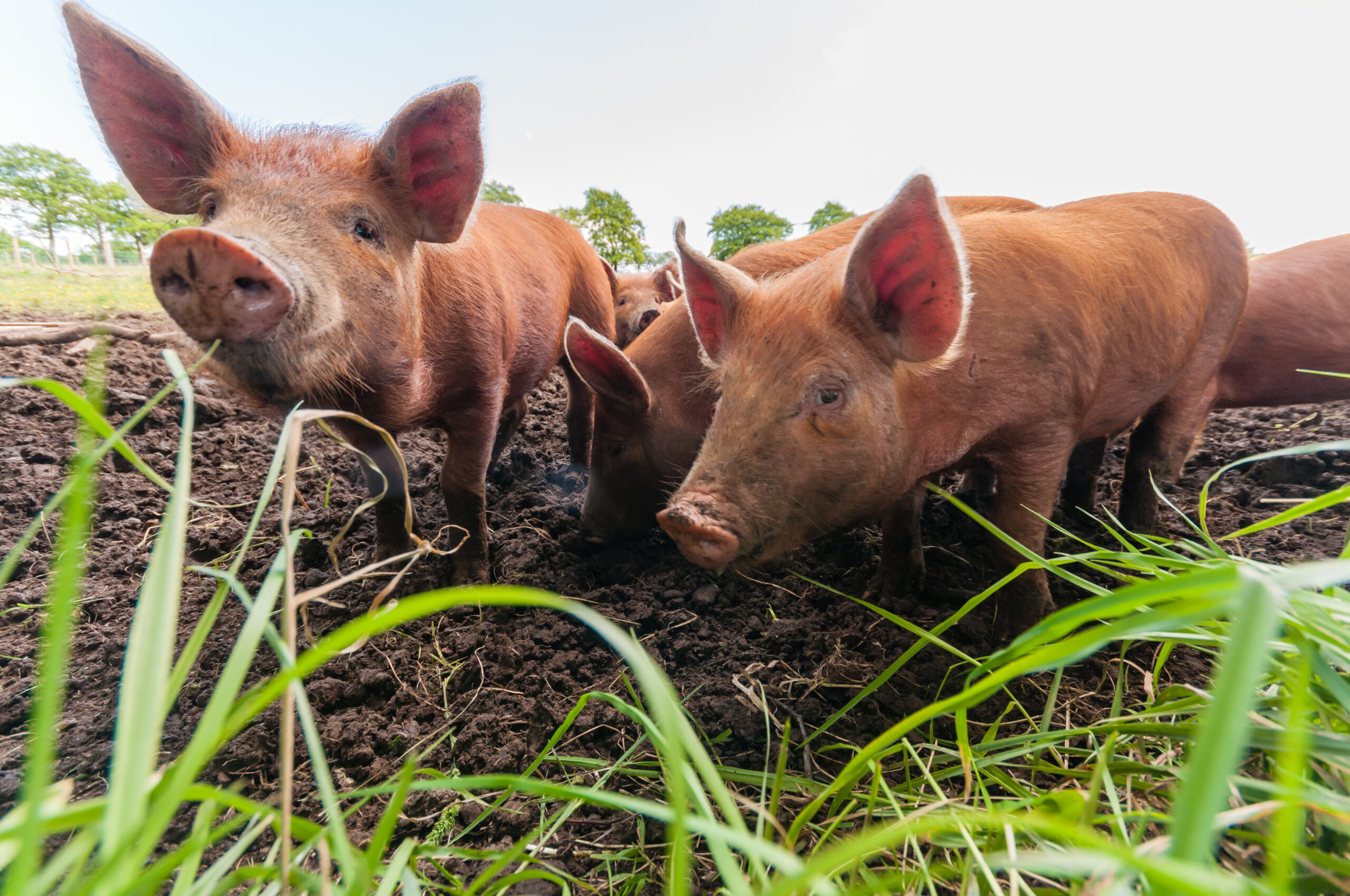
Once recognized by the Royal Agricultural Society, the Tamworth fell out of British favor and was downgraded to a “bacon” pig. To this day, the breed is still known as “bacon” pigs, as they can survive mainly off of foraging when allowed to roam in areas with ideal pig feed.
A slow grower, the Tamrush produces lean, rich meat and has an excellent seventy percent meat-to-bone ratio.
Rabbits
The smallest of the breeds of livestock mentioned, rabbits can be used for meat, fur, and exhibition.
American Chinchilla—Watch
Once prized for its fur coat, the American Chinchilla rabbit quickly lost popularity after the fall of the rabbit fur market. While they can be raised for meat, this large rabbit is often less preferred due to their lack of white fur.
These days, the American chinchilla is often raised as a pet or for exhibition.
Palomino—Watch
Extremely hardy, the Palomino is a good choice for a meat rabbit, as the breed is known for its ability to grow quickly. Females are excellent mothers, making them an ideal breed for those looking to raise their own meat rabbits.
Docile and friendly, the Palomino is a good choice for a family pet.
Checkered Giants—Watch
The Checkered Giant is a delightful breed for showing and pets. They are friendly and interactive, but they can be more “flighty” than other breeds. Due to their less calm nature, these giant rabbits may not be the best breed for novices and children.
Considered to be a “running” rabbit, the Checkered Giant requires a large hutch and predator-proofed area to hop about in.
Sheep
Prized for milk, meat, and wool, sheep are a good choice for small-scale farmers and hobbyist.
Tunis—Watch
Popular in the colonial days among famous Americans, including George Washington, Thomas Jefferson, and John Adams, the Tunis originated in Africa but quickly gained popularity in America.
Tunis sheep are raised primarily for their meat, but they can also produce a creamy-colored wool. Ewes are good mothers and consistently give birth to twins. The breed is considered to be a good choice for the novice.
Shetland Sheep—Recovering
Bred to thrive in cold, wet climates, the Shetland sheep is another breed kept by U.S. President Thomas Jefferson. These hardy sheep are relatively small and long-lived, making them a good option for those looking to raise sheep as companions.
Featuring a calm, friendly, and easy-going nature, the Shetland sheep is an excellent producer of wool. The breed is prized for its range of fleece types.
Florida Cracker Sheep—Critical
The Florida Cracker Sheep was mostly developed in Florida, where it was bred to handle the heat, humidity, drought, and poor foraging climate of Florida without a problem. The breed is hardy and is also reported to be disease- and parasite-resistant.
Florida Cracker Sheep have much to offer hobbyists and shepherds with their hardy dispositions and meat and wool production.
Turkey Breeds
The least popular of the poultry species mentioned, the turkey is an excellent table bird and barnyard companion.
Royal Palm—Watch
A beautiful breed, the Royal Palm displays a striking white and black feather pattern. Tipping the scales at ten to twenty-two pounds, the Royal Palm is smaller than other popular breeds.
An essential for those looking to sustainably raise their own meat, the breed has a delicious carcass. Females (called hens) are good broodies and mothers. The breed is friendly and calm and is excellent at pest control.
Narragansett—Watch
Another striking breed, the Narragansett, sports a wide array of colors and patterns on its beautiful feathers. Once kept more like wild turkeys, the breed was raised in the nineteenth century to fend for themselves until it was time for butchering.
These days, this small breed of turkeys is still an excellent forager, though they do require daily feeding. Hens are superb layers, producing close to one hundred eggs per laying season. The Narragansett is primarily raised for meat.
Why Preserving Rare Breeds of Livestock Matters
Heritage breeds of livestock represent generations of careful breeding, unique genetics, and farming traditions that deserve to be preserved. Whether you raise chickens, cattle, sheep, ducks, rabbits, or another heritage breed, your choices can help keep these remarkable animals thriving. By supporting conservation efforts and selecting rare breeds whenever possible, today’s farmers and homesteaders play an important role in protecting tomorrow’s agricultural diversity.
Enjoy learning about heritage livestock and sustainable farming? Subscribe to Hobby Farms for expert advice on raising animals, homesteading skills, breed spotlights, and practical tips delivered year-round.