Poultry keeping changes from year to year and the New Year is a great time to reflect on the past seasons and plan for what’s upcoming. Here are a few goals from this author’s farm that can be adapted to a backyard flock.
1. Prioritizing Heritage Goose Breeding

Kirsten Lie-Nielsen
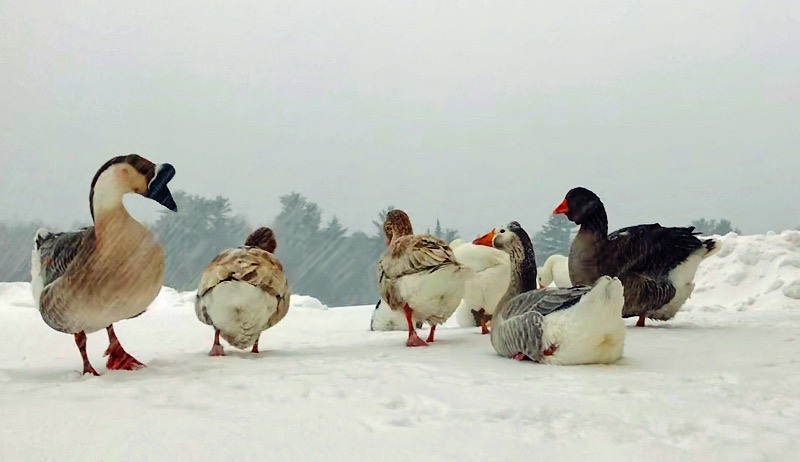
With more than a dozen geese of various breeds, it is certainly safe to say that I am a goose keeper. But I have always wanted to focus on preserving certain breeds of geese, rare and heritage breeds that need conservation. Up until now, we have kept geese for their abilities as guardians and their large eggs, but we have not done any breeding on our small farm.
Every winter, part of the fun is browsing through hatchery catalogs and websites, picking out what breeds to get for the coming spring. This year as one of my poultry-keeping goals is to expand my holdings of a few specific breeds, purchasing sexed females, and using only the best farms to ensure quality stock. With a good ratio of male to female birds of the same breed, I can start breeding my own line of these birds and hopefully help maintain their breed’s integrity. In particular, I’m interested in more Dewlap Toulouse and Roman Tufted geese.
2. Expanding the Flock With Ducks
Despite our large flock of geese and more than two dozen chickens, we have very few ducks on our farm. It is a shame because ducks are reliable egg layers that produce even in winter. They are also quite hearty and have amazingly friendly and curious personalities.
So, continuing with our poultry keeping, this year we’d like to add various breeds of ducks to the flock, focusing on types that are good for egg laying. Our chickens do a great job of providing us with eggs, but their production slows down in the winter months, and I don’t like doing too much in the way of supplemental lighting. A flock of female Runner ducks ought to help us keep up with the demand for eggs and also take in some good entertainment as they make their way around the barnyard.
3. Creating Better Water Access for Waterfowl
Our biggest barnyard project and another of our poultry-keeping goals is having a pond dug for our property. This pond is partially for irrigation purposes, but it will be just off the back side of the barn in easy walking distance for our birds. The geese will love being able to bathe in a space larger than a livestock trough, and being able to swim during mating season should increase their fertility rates.
4. Poultry Keeping: Making the Most of Farm-Fresh Eggs
Kirsten Lie-Nielsen
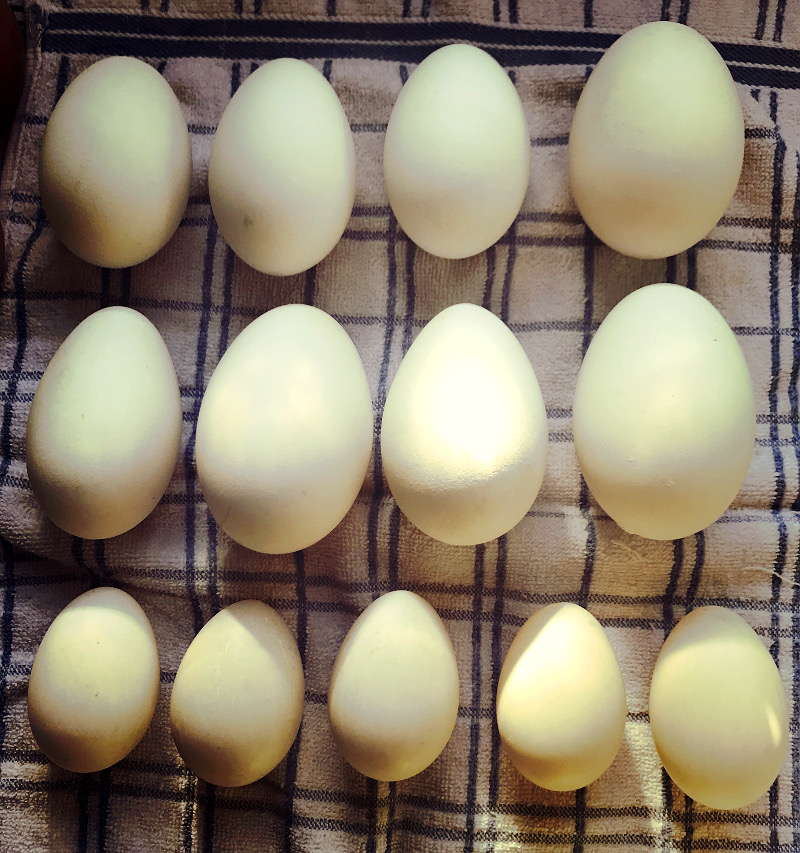
We use many of the eggs that we collect for breakfast and dinners, making lots of quiches and omelets and custards. But as one of my resolutions, I want to expand my culinary egg horizons and start trying some more unusual egg-based recipes. This will definitely include pasta, and hopefully many more desserts.
The goal of every year is to keep the birds happy and healthy, continue being a productive homestead and enjoy the company of the animals that we keep.
Poultry Keeping FAQs
Are ducks and geese good additions to a backyard flock?
Yes. Ducks and geese can complement chickens by providing winter eggs, natural pest control, and added flock diversity.
Do ducks and geese need a pond to thrive?
A full pond isn’t required, but access to water deep enough for bathing helps with cleanliness, breeding success, and overall bird health.
Can geese be bred on a small farm?
Absolutely. With proper housing, space, and a healthy male-to-female ratio, small farms can successfully breed geese, including heritage varieties.
How do duck eggs compare to chicken eggs for cooking?
Duck eggs are richer and higher in fat, making them excellent for baking, pasta, and custards, while still working well in everyday recipes.
This article about poultry-keeping goals was written for Hobby Farms and Chickens magazines. Click here to subscribe.