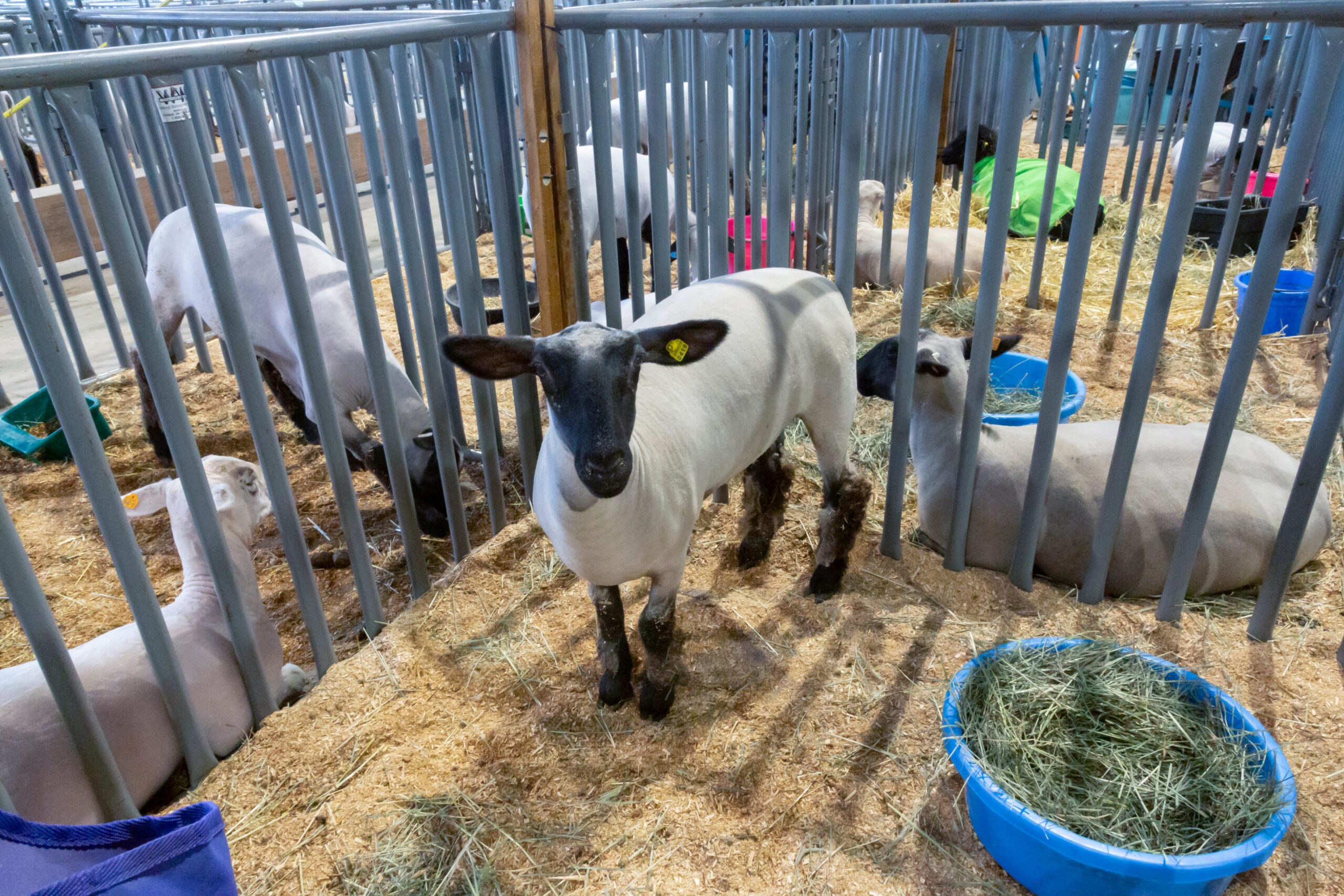
Sheep nutrition plays a vital role in maintaining flock health, productivity, and longevity. Whether you’re raising sheep for meat, milk, or wool, it’s important to first define their purpose and then tailor their diet accordingly. For example, pregnant ewes require higher energy intake than growing lambs, and all sheep benefit from balanced forage and minerals. Proper sheep nutrition supports healthy growth, wool production, reproductive performance, and overall flock health.
Most sheep are kept on pasture or hay, and if it’s high in protein and of good quality, it’s sufficient in terms of nutrition most of the time. In addition to high-quality forage, sheep must also have a professionally balanced mineral mix available to them.
Key Takeaways
- High-quality forage, hay, and balanced minerals form the foundation of sheep nutrition.
- Sheep have specific nutritional needs based on their age, purpose, and stage of production.
- Copper requires special attention because sheep are particularly sensitive to copper toxicity.
- Pregnant and lactating ewes need additional energy to support their own health and their lambs.
- Lambs benefit from early access to nutritious creep feed to support rumen development and ease the transition at weaning.
- Testing hay and pasture can help determine whether additional feed or supplements are needed.
Managing Copper in Sheep Nutrition
While all livestock require copper, in the wrong quantities, copper can also be toxic. Sheep are the most sensitive to copper toxicity; thus, you must pay special attention to copper in their diet.
The presence or absence of other minerals in a sheep’s diet can affect how copper is metabolized and contribute to or lessen the chance of copper toxicity. Testing hay and pasture where you plan to graze sheep can make a huge difference in survival rate.
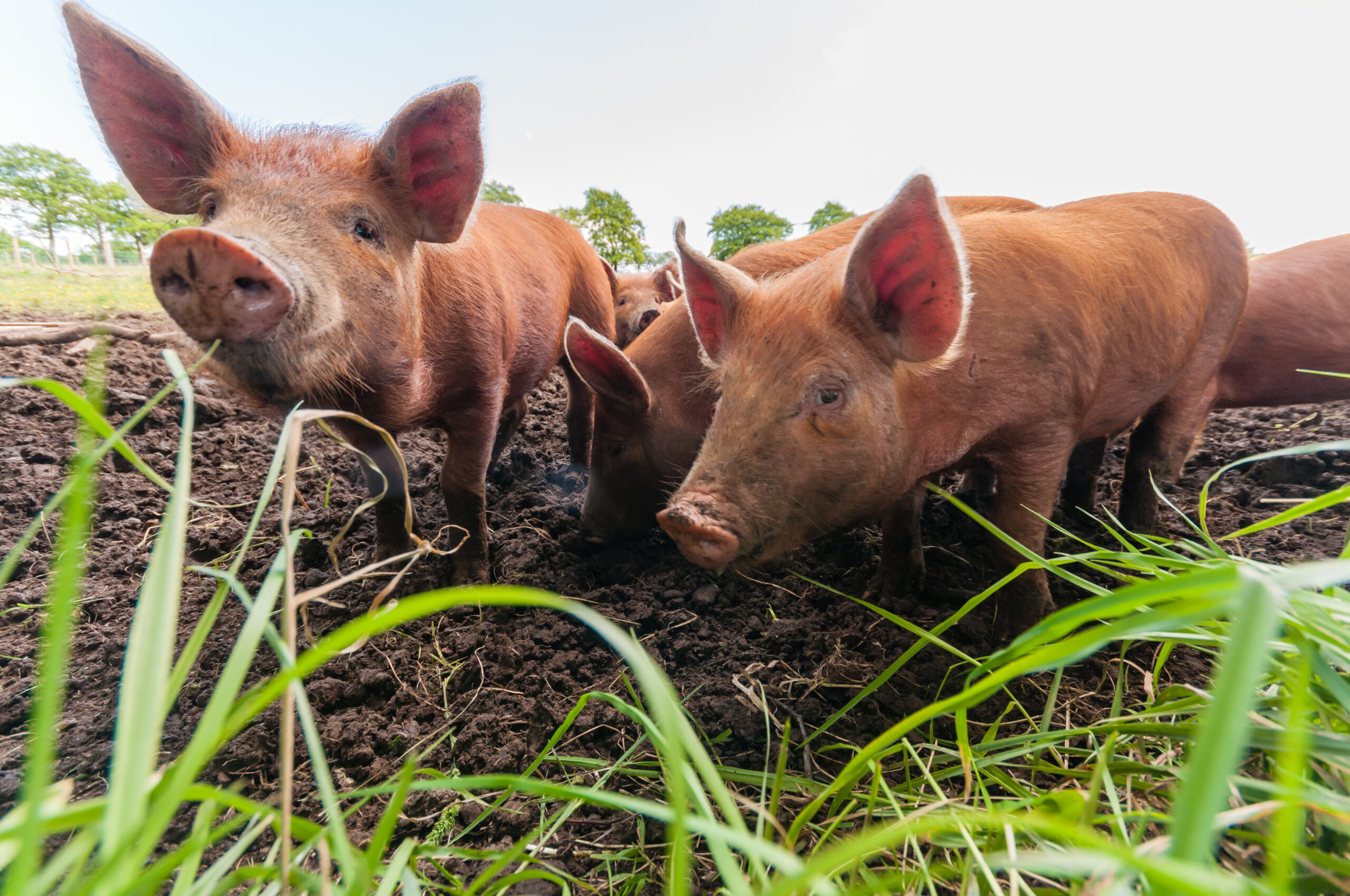
Often, hay alone has more copper than sheep will need, so feeding them a mineral or feed supplement balanced for another livestock species could be fatal. Even grazing sheep on pasture where waste from poultry or pigs—which typically require more copper in their diets—can alter copper levels in the sheep diet.
Sheep Nutrition for Ewes and Lambs

Shutterstock
In terms of sheep nutrition, a pregnant ewe needs a high-energy feed, such as grain, before and after lambing. Slowly increase the concentrate she consumes to about 15 percent of her diet (dry matter) before lambing and then 35 percent of her diet (dry matter) after lambing. This will help prepare her body for the stress of lactation and minimize the possibility of health issues such as pregnancy toxemia or metabolic diseases. The exact amount your ewe will need depends on her age, health and the number of lambs she is expected to have.
Lambs will, of course, need colostrum immediately after birth. If a lamb is nursing or bottle-feeding well, creep feed should be offered between 10 and 14 days old. You can purchase professionally balanced creep feeds for a reasonable price; lambs don’t eat much. While creep feeding aids in rumen development, encouraging consumption of nutritious feed can also reduce the stress of weaning.
If your ewe has a properly balanced diet and both the ewe and the lamb are consuming a high-quality forage, finishing weights for meat lambs can be reached more quickly.
If you are finishing out your lambs on pasture or hay, provide a supplement with greater energy and possibly protein. You can determine which supplement to use by knowing the nutrient composition of the forage you feed your lambs.
Frequently Asked Questions About Sheep Nutrition
What is the most important part of sheep nutrition?
High-quality forage is the foundation of a sheep’s diet. Good pasture or hay can provide much of the nutrition sheep need, but their diet should also include access to a professionally balanced mineral supplement.
Do sheep need grain in their diet?
Not all sheep need grain. Sheep maintained on high-quality pasture or hay may get adequate nutrition from forage alone. Grain or another energy-dense supplement may be appropriate for pregnant or lactating ewes, growing lambs, or sheep being finished for meat, depending on their nutritional needs.
How much copper do sheep need?
Sheep require copper, but they are particularly sensitive to copper toxicity. The appropriate amount depends on the overall diet and the balance of other minerals. Sheep should be given minerals and feeds specifically formulated for their species rather than products intended for livestock with higher copper requirements.
What should pregnant ewes eat?
Pregnant ewes need increasing amounts of energy as lambing approaches, particularly when carrying multiple lambs. High-quality forage should form the foundation of the diet, with additional energy from a properly balanced concentrate when needed. Nutritional needs vary based on the ewe’s age, health, body condition, and number of lambs.
When should lambs start eating creep feed?
Creep feed can be offered to lambs when they are about 10 to 14 days old, provided they are nursing or bottle-feeding well. Early access to nutritious feed can encourage rumen development and help reduce the stress associated with weaning.
Should sheep have access to a mineral supplement?
Yes. Sheep should have access to a professionally balanced mineral formulated specifically for sheep. Because sheep are highly sensitive to copper toxicity, avoid using mineral supplements formulated for other livestock species unless specifically directed by a veterinarian or nutrition professional.
Sheep Nutrition: Final Thoughts
Meeting your flock’s sheep nutrition needs starts with understanding the quality of the forage, hay, and supplements you provide. Whether you’re grazing, feeding hay, or incorporating energy-dense grains and balanced minerals, tailoring your approach to the life stage and purpose of each sheep is essential. By regularly testing feed sources and adjusting as needed, you can support healthy growth, improve wool quality, and prevent nutritional issues like copper toxicity—ensuring a strong, productive flock year-round.
This story about sheep nutrition was written for Hobby Farms magazine. Click here to subscribe.