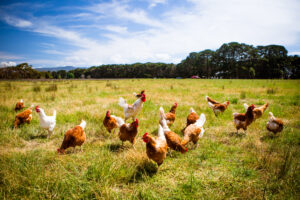
Chicken scratch feed can leave even experienced backyard chicken keepers scratching their heads. Standing at the “snack bar” in a local urban feed-supply store, you might wonder which grains are best for your hens, how much to offer each day, and which mixes are nutritionally sound. Understanding what goes into scratch feed can help you make informed choices that keep your flock healthy and happy.
Chickens scratch the ground every day searching for seeds, insects and other tasty treats. Offering them scratch grains, such as cracked, rolled or whole grains (corn, barley, oats or wheat), stimulates that behavior while providing them with added food resources. Scratches are a source of mental and physical stimulation—particularly during the winter months when weather conditions reduce the presence of natural treats such as insects, grass and seeds.
Understanding the content of chicken scratch mixes can help you determine what to choose from the buffet at your local feed-supply store.
A word of caution: Chicken scratch grains are not meant to be the primary source of nutrition for your flock. Think of scratch as a limited treat—something hens enjoy but should not consume in large quantities. Feed mixes are nutritionally balanced resources your hens need for healthy living. They contain nutritional elements, including calcium and protein, that support growth and egg production. Chickens need those resources much more than tasty scratch offerings that they will inevitably enthusiastically eat.
Key Takeaways
- Chicken scratch feed is a treat, not a replacement for complete, nutritionally balanced chicken feed.
- Scratch grains should make up only a small portion of a chicken’s diet to avoid upsetting its protein and nutrient balance.
- Cracked corn can provide extra energy and help keep chickens occupied during cold weather, but it should be used carefully during hot weather.
- Oats, barley, wheat, seeds and dried insects can be included in seasonal scratch blends.
- Offering scratch after chickens have eaten their complete feed can help ensure they get the nutrients they need.
Chicken Scratch and Your Hens’ Diet
According to Laura Harper, owner of The Urban Chicken store in Raleigh, North Carolina, the average hen eats about a 1⁄4 pound of food a day. Scratch should make up only about 10 percent of that. Any more than that will affect their nutrient balance.
“Scratch is so low in protein that it doesn’t support hen health,” Harper says.
As with humans, too much of a good thing isn’t necessarily a good thing.
Robert Litt, former owner of the Urban Farm Store in Portland, Oregon, says chickens eat for energy. If you provide cracked corn with unfettered access alongside layer feed, they will eat all their calories in corn. And corn offers only 7 percent protein, while prepared chicken feeds offer 16 percent protein with corn in the mix.
Chickens that consume too much scratch can experience extended molts because of the low amount of necessary protein. A lack of nutritional balance can also affect egg production and cause birds to become unhealthily overweight. When hens choose between their regular feed and scratch, the feed lingers untouched in feeders, attracting mice and rats to your run.
With nutritional needs in mind, Litt and Harper educate people about the use and offering of scratches. Scratches should not be the only source of food a small flock receives. Scratches are always treats, and understanding their content can improve the health of your birds.

norrie39/Adobe Stock
Using Chicken Scratch Feed in Winter
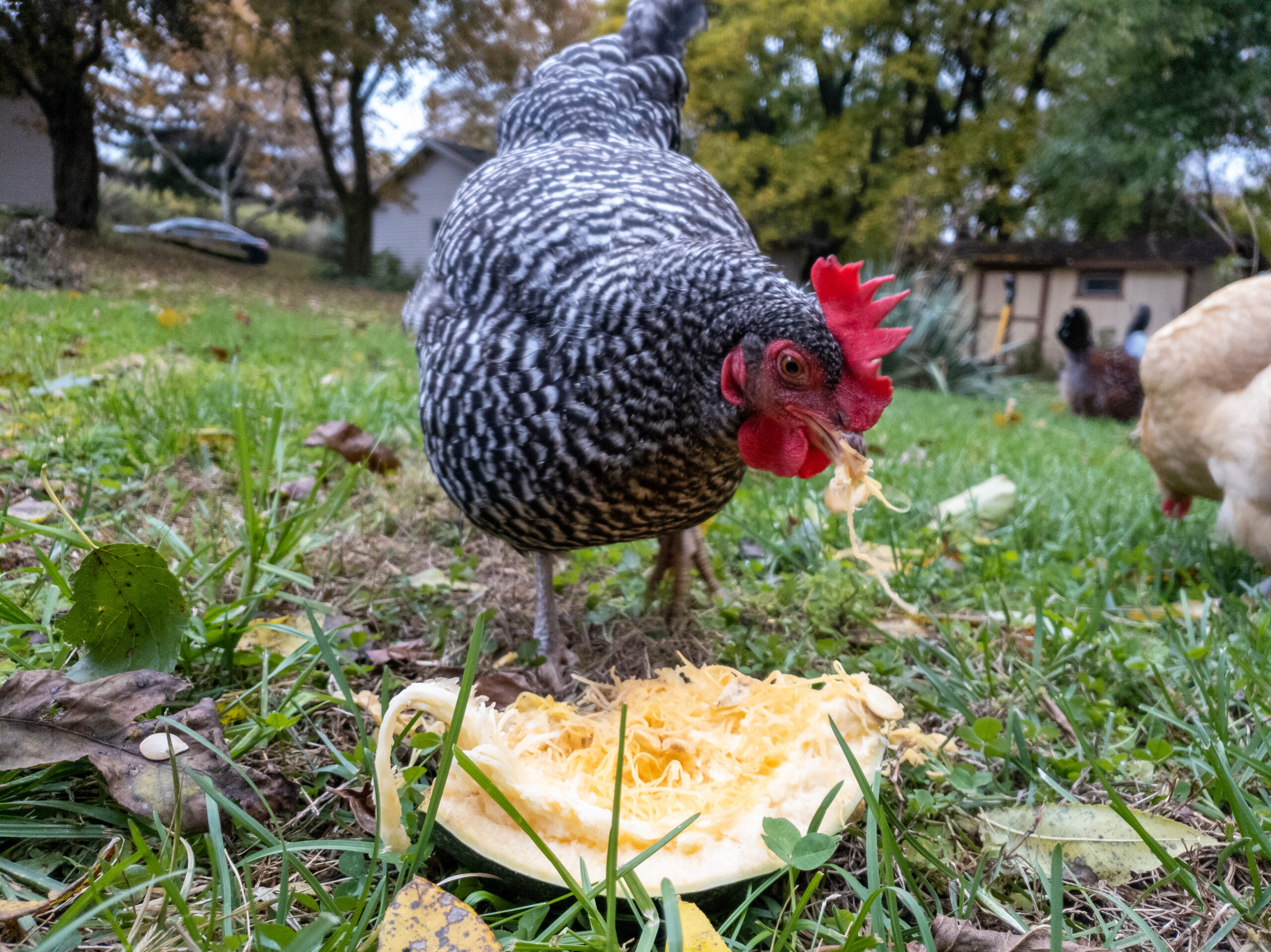
During winter months, cracked corn is a good addition to any scratch recipe. Cracked corn is a high-energy carbohydrate made of starch and sugars. Chickens love it. Fed before dusk on cold days, the corn provides a thermic effect, creating heat as it’s digested.
This helps hens stay warm on long winter nights.
Scratches can also help bored hens during the wintertime. Cold months often limit hen activity levels, keeping them inside the coop and more sedentary than during other seasons. During these times, flocks become more disruptive, pecking at one another when boredom sets in. Scratch provides mental and physical stimulation for a small flock.
“During the winter, I suggest that people offer scratch in the form of a flock block or in a toy that makes the girls work harder for the food,” Harper says.
Toys that require the hens to work harder to obtain treats promote activity, fight boredom and keep hens busy. Rather than picking on one another, hens will puzzle out how to get their favorite treats.
Read more: Help your chickens though cold weather with these tips.
Summer Tips for Feeding Chicken Scratch
During the hot days of summer, eliminate corn from scratch. Because corn stimulates metabolism, it can cause heat-related stress for birds. Summer is a time to add alternatives that provide nutrition, such as calcium and protein.
“Summer scratch can contain whole oats to help with heat stress,” Harper says.
It, along with dried soldier fly larva (which adds calcium), is an excellent resource during the peak egg production days of summer. Harper sees people mixing their own summer scratch blends by including flaxseed and raisins along with the whole oats.
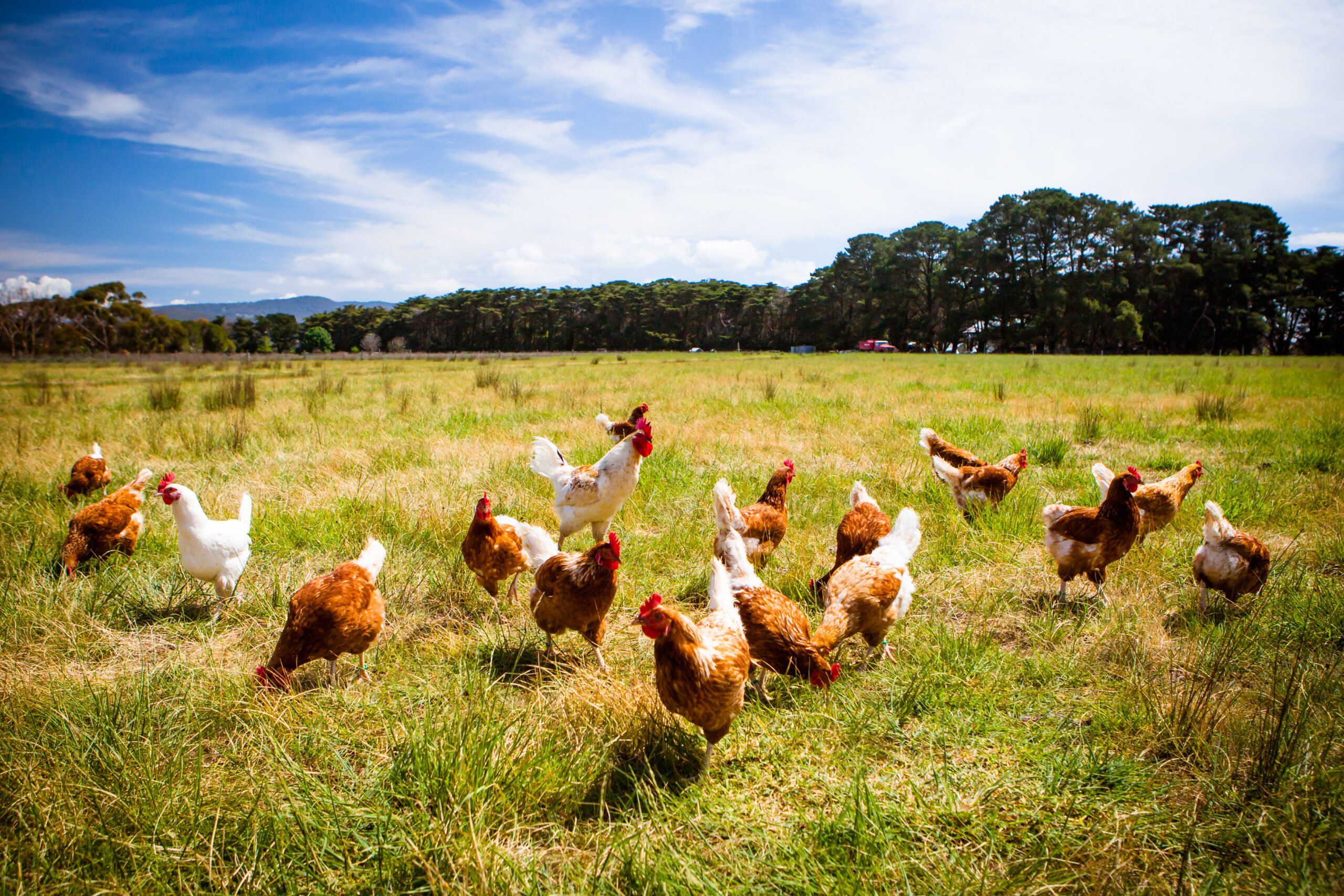
Hens that have some free-range time in a backyard each day gain the benefits of nature’s own scratch: new grass, insects, seeds, weeds and more. These fresh local foods are great for flock health because hens must work hard to find them.

Kalypso/Adobe Stock
Creating Your Own Chicken Scratch Feed Blends
Litt and Harper offer their own special blends of premixed, seasonally sensitive scratches. Each shop owner also provides scratch bars with resources for customers to make their own blends.
Harper suggests a wide range of ingredients when blending your own. She uses mealworms, dried soldier fly larvae, oats, barley, wheat, flaxseed—high in omega-3 for egg laying—sunflower seeds, raisins, kelp, and a vitamin/mineral supplement.
Harper also suggests making grit available on a free-feed basis.
Cautions When Feeding Chicken Scratch Feed
Chickens can—like humans—become addicted to their favorite scratch food items. Litt says that these hens become pushy, grumpy and demanding, expecting and choosing available scratch over the feed they need for a balanced diet.
Employ a tough-love approach. Give hens limited access to scratches, with their health and well-being in mind. Too much chicken scratch can cause health problems, including weight gain, longer molts and summer doldrums in egg production.
Litt and his wife, Hannah, work to find natural resources for hens that promote better health and egg production. The pair co-authored A Chicken in Every Yard (2011) and have researched the use of natural options for feed and scratches. For instance, Hannah Litt discovered that black cumin (Nigella sativa) seeds could support egg production and size.
The Litts offer it in a mash so that none of the tiny black seeds are wasted. Their interest includes energy for hens. For instance, amaranth is another chicken scratch ingredient that can add protein and energy.
Robert Litt noted that people often offer hens kitchen scraps, such as pasta and bread. These, too, have low nutritional value because they don’t contain much protein. Small meat scraps are a good protein option.
Some people have begun growing their own chicken scratch. This includes raising fodder by sprouting seeds that are fresh and inviting. Litt suggests a windowsill fodder system.
Chickens also like silage, fermented greens left from the summer season. Silage offers helpful probiotics that are partially digested and enable chicken keepers to offer greens throughout the winter.
Overall, scratch grains offer benefits in moderation. Just like us, hens need care and attention when it comes to choosing a diet. Seasonal offerings can help your hens have successful molts in the fall and winter and begin the spring and summer season with good egg production. Experiment with creating your own scratches by observing what your hens do and don’t prefer.
FAQs About Chicken Scratch Feed
Is chicken scratch feed good for chickens?
Chicken scratch feed can be a healthy treat when offered in moderation. Scratch grains provide energy and encourage natural scratching behavior, but they don’t provide all the protein, calcium and other nutrients chickens need. Complete chicken feed should remain the primary food source.
How much chicken scratch should chickens eat?
Scratch should make up only a small portion of a chicken’s daily diet. The article’s sources recommend limiting scratch to about 10 percent of a hen’s daily food intake. Another approach is to offer scratch after chickens have eaten their complete feed and provide only what they can finish in about 15 to 20 minutes.
Can chickens eat scratch feed in winter?
Yes. Chicken scratch can be particularly useful during winter because it provides energy and gives chickens something to work for when cold weather limits access to insects, grass and other natural foods. Cracked corn is a common winter scratch ingredient, although it should still be offered in moderation.
Can chickens eat scratch feed in summer?
Yes, but scratch blends may need to change during hot weather. The article’s experts recommend avoiding corn in summer and using ingredients such as whole oats instead. Scratch should remain a limited treat regardless of the season.
Can I make my own chicken scratch feed?
Yes. Chicken keepers can create scratch blends using ingredients such as oats, barley, wheat, sunflower seeds, flaxseed and dried insects. Any homemade blend should still be treated as a supplement rather than a replacement for nutritionally complete chicken feed.
Expert Advice on Feeding Chicken Scratch
Here is what Jacquie Jacob, poultry extension project manager at the University of Kentucky, says about chicken scratch in “Feeding Chickens for Egg Production.”
“Scratch grains are like French fries; chickens that eat too many scratch grains have less of an appetite for more nutritious feed. If you are using scratch grains, feed them to chickens in the afternoon after birds have eaten complete feed, and then provide only as much scratch grains as chickens can finish in 15 to 20 minutes.”
This article about chicken scratch feed was written for Chickens magazine. Click here to subscribe.