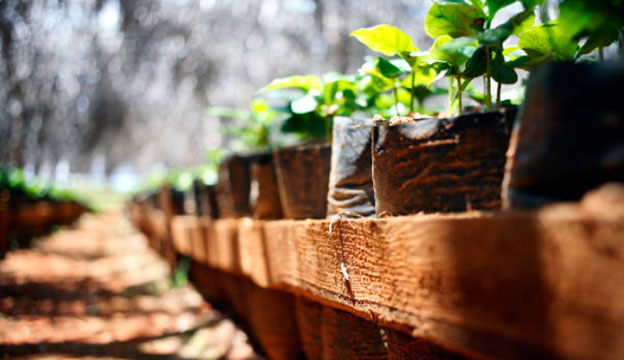
5 Herbal Teas to Feed Plant Starts
April 30, 2014Plenty of chemicals are available to help anyone propagate plants. The problem with them is … the chemicals. Why not use natural methods instead?
Plenty of chemicals are available to help anyone propagate plants. The problem with them is … the chemicals. Why not use natural methods instead?
When I considered what I might want to write about around Easter time this year, I began looking into the healing properties of the Easter lily (Lilium longiflorum).
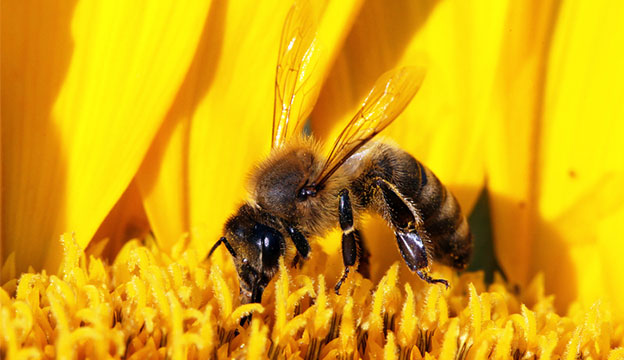
One of the first signs of spring on a honey farm is a particular buzz in the air. After spending all winter cooped up indoors with several thousand family members, the worker bee understandably has a serious case of spring fever.
This week, I want to discuss some common herbs that you might add to your family meals that have anti-viral and immune-stimulating benefits.
Here in Ohio, the mumps virus is in the news right now, so everyone is in crisis mode. It seems that when we hear about one of the old childhood diseases, like mumps, measles or whooping cough, we worry that a catastrophe is brewing.

This slender predator insect can be a great asset to your garden, keeping pest populations under control.
Since the time of the earliest settlers in this country, the process has been relatively the same: We clear an area of trees and shrubs, peel off the sod, and till the soil.
The introduction of healing herbs into any family usually begins with an adult. The benefits can be felt at every age level, but the enthusiasm is often not that easy to spread.
A couple nights ago, I found myself sitting up with a very sick dog. Gracie has been my companion since just before my husband came into the picture—almost 13 years.
Most of us who garden, fertilize our plants at one point or another. How many of us think about feeding houseplants in the same way?