What are chicken predators, and how do they endanger backyard flocks? From hawks soaring overhead to coyotes roaming neighborhoods, these threats can appear suddenly—especially during spring and fall migrations. Some predators follow seasonal patterns you might not expect, making it important to understand when and how they strike.
Protecting Your Flock from Chicken Predators When Free Ranging
During the spring and fall migrations, when aerial predators are winging their way through the sky, keeping your flock confined is the best way to prevent these migratory predators of chickens from attacking your hens.
During these critical periods, even supervised free-ranging is not advised, as you never know when a hungry hawk may fly by.
Hawks on the Move: Seasonal Chicken Predators
Hawks migrate twice annually in the spring and then again in the fall. Like all migratory birds, their migration route in the spring is different from the fall. One of the reasons for the different migration routes is to ensure enough food for each trip.
Just like all migratory predators of chickens, it can be tricky to know when a hawk might pay a visit to your backyard. Avoiding free-ranging (even when supervised) during spring and fall migrations is a good way to protect your flock against hawks and other aerial predators.
Migration time may vary based on individual geographic location as well as weather patterns.
When hawk-proofing your run, be sure to cover the top of the run with a sturdy half-inch 16-gauge hardware cloth. Less sturdy roofing material, such as chicken wire, will allow hawks to jump on the wire to bend it down to the ground to grab a free chicken dinner.
Raccoons: Wandering Threats to Your Chickens
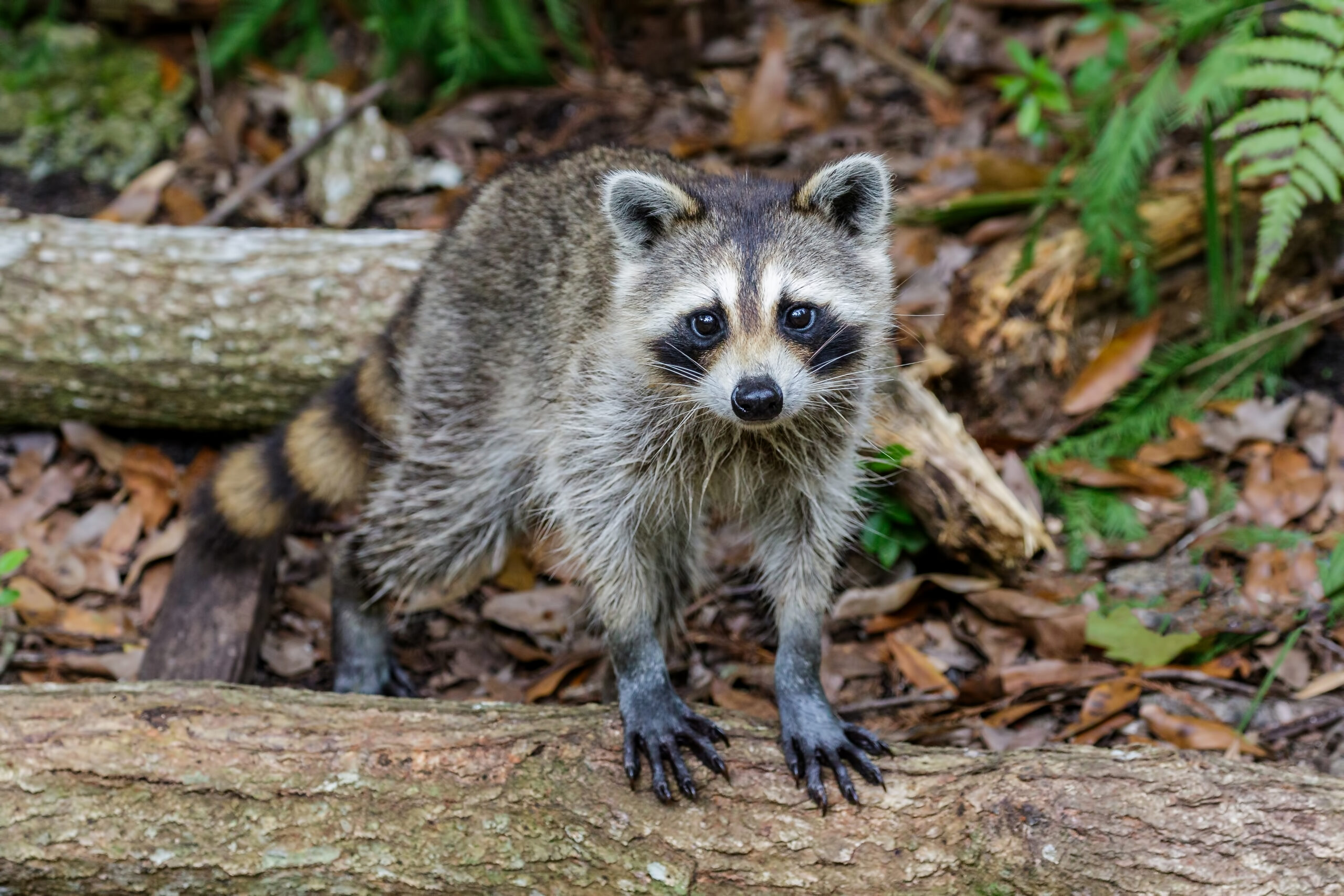
Raccoons are often overlooked as migratory predators of chickens as they live in every neighborhood. However, they do roam throughout their expansive territories (about ten miles) and young males can roam even further.
While this might not seem like a problem if your neighborhood raccoons have never attacked your flock, a new resident may be more tempted to try to steal a chicken from the neighborhood ”buffet.”
Raccoons tend to do more wandering in winter, so keep chickens confined to the coop and run for the best protection.
Coyotes Roaming Their Territory
Ground-dwelling migratory predators of chickens might be more common than you think, and the coyote is the chief of them all. Coyotes often move about their home range, with home territories varying in size from two to thirty square miles.
Coyotes move throughout their territory, often being absent from certain areas for a year or longer following their food source (oftentimes deer).
Coyotes hunt throughout the daylight hours and at night, so if some have moved into your area, extra vigilance is needed to protect your flock. Confining your chickens to a completely predator-proof coop and run is the best way to prevent coyotes from attacking your flock.
Owls: Nocturnal (and Sometimes Daytime) Predators
Owls seem like they should be one of the easiest migratory predators of chickens to protect against, but these silent fliers are more dangerous than you might think.
Owls usually migrate at night, but they can hunt and will occasionally migrate during the day. Even though they are commonly thought of as nocturnal, some owl species, like the invasive Barred Owl, do prey on backyard flocks in daylight.
Another way to protect your flock from an owl attack is to cover open windows and gaps in the rafters of your coop or barn with half-inch 16-gauge hardware cloth to prevent a hungry owl from ripping the screen or squeezing into the coop for a free meal.
Foxes: Seasonal Visitors to Your Coop
Foxes aren’t what comes to mind when thinking about migratory predators of chickens, but these clever canines are known to wander in territories ranging from less than a quarter of a mile to twenty square miles.
Foxes are most likely to roam to a different territory in late summer/early autumn when the kits are old enough to leave the den. With their lack of hunting experience, young foxes are likely to focus on easy-to-catch prey such as a chicken.
Other reasons foxes may relocate include a lack of food and an increase in natural predators such as coyotes.
Sly and unseen, foxes can migrate into your neighborhood without you even noticing. Foxes are stealthy hunters, so be sure to keep a close eye on your chickens during supervised free-ranging time to ensure no member of the flock is snatched up by a hungry fox.
Eagles and Falcons: Aerial Chicken Predators
Eagles and falcons are two common migratory predators of chickens. While these two birds of prey can attack your flock at any given time, they have an increased chance during the spring or fall migration, when feed sources may be scarce.
Both the Bald Eagle and the Golden Eagle are likely to prey upon free-ranging chickens and flocks housed in large open pastures without overhead protection.
Falcons are the least likely of the aerial predators discussed in this article to attack your backyard flock, but when they do strike, they are fast and don’t usually miss. Falcons are strong hunters and can easily overpower a chicken, leaving your flock with no self-defense if attacked.
Protect your flock from eagles and falcons by never allowing your flock to free range unless directly supervised by an adult. House chickens in a half-inch 16-gauge hardware cloth-covered run to protect your flock from aerial predators. During migration, keeping your flock confined at all times is the best way to make sure everyone stays safe.
Conclusion: Staying Ahead of Chicken Predators
Many common backyard wildlife are chicken predators, and their activity often follows seasonal or migratory patterns. While this can sound alarming, protecting your flock doesn’t have to be difficult. By keeping your coop and run secure and adjusting free-ranging practices during peak migration or wandering periods, you can stay one step ahead of hawks, raccoons, coyotes, foxes, owls, and other predators. With vigilance and seasonal awareness, your chickens can remain safe year-round.
This article about what are chicken predators including seasonal threats to your flock was written for Hobby Farms and Chickens magazines. Click here to subscribe.