Categories
Recipes

Egg Yolk Cookies: A Festive Spiced Cookie Recipe


Egg yolk cookies are a delicious way to use up extra yolks from your holiday baking. Whether you’re making meringues, whipping up egg-white omelets or simply want to avoid waste, these cookies turn leftover yolks into something special. Tender inside with a lightly crisp exterior, they’re packed with warm seasonal spices and a splash of orange liqueur for brightness. (If you prefer, substitute fresh orange juice for the liqueur.) Just plan ahead—this dough needs a 30-minute chill before baking.

Yield:  30 to 32 cookies

Ingredients for Spiced Egg Yolk Cookies

  • 1 cup unsalted butter, softened
  •  1 1/2 cups sugar
  • 6 large egg yolks
  • 1 tablespoon orange liqueur, such as Cointreau
  • 1 tablespoon orange zest
  • 1/2 teaspoon fresh orange juice
  • 1 teaspoon baking soda
  • 1 teaspoon fine sea salt
  • 1 teaspoon ground cinnamon
  • 1/2 teaspoon ground nutmeg
  • 1/4 teaspoon ground allspice
  • 1/4 teaspoon ground cloves
  • 2 1/2 cups all-purpose flour
  • 1/2 cup turbinado or raw sugar, for rolling

Read more: Need to clean your eggs before using them? Here are 4 ways to scrub away dirt.


How to Prepare the Cookies

Preheat the oven to 350°F. 

To the bowl of an electric mixer, add the butter and sugar. Mix on medium for 30 seconds until the ingredients start to come together. Then turn to medium-high and mix for five minutes. Stop to scrape the sides a couple of times.

The butter and sugar should be fully creamed (like thick whipped cream) and pale yellow. 

Mix in the egg yolks just until incorporated, about 30 seconds. Then mix in the orange liqueur (if using), orange zest and orange juice.

Next, mix in the baking soda, salt, cinnamon, nutmeg, allspice and cloves until the spices are evenly distributed throughout the dough. 

With the mixer on medium-low, add the flour a little at a time. Turn the mixer to medium and mix just until incorporated, about 30 seconds. Use a rubber spatula to stir in any flour that may not be fully mixed in. Place the bowl with the dough in the refrigerator for 30 minutes. 

Put the raw sugar in a shallow bowl. Roll the dough into walnut-size balls, then roll them in the sugar to coat each ball completely.

Arrange on a nonstick baking sheet or a baking sheet covered in parchment paper. The cookies will spread. If you prefer perfectly round cookies without the chance of edges reaching each other, bake nine cookies at a time on a standard cookie sheet, versus 12. 

Bake the egg yolk cookies for 12 minutes, until the edges are very slightly browned and the cookies puff a bit. They will flatten and settle as they cool.

Cool for five minutes before transferring from the cookie sheet to a cooling rack. Store in an airtight container for up to three days. 

Egg Yolk Cookies: FAQ

Do egg yolk cookies taste different from regular sugar cookies?
Yes. Egg yolk cookies are richer and more tender thanks to the added yolks, and the spices give them a warm, holiday flavor.

Can I make egg yolk cookies without orange liqueur?
Absolutely. Simply replace the liqueur with the same amount of fresh orange juice. The cookies will still have a bright citrus note.

Why does the dough need to chill before baking?
Chilling helps the dough firm up, which improves the texture and prevents the cookies from spreading too much while they bake.

Can I freeze egg yolk cookies?
Yes. Freeze the baked cookies in an airtight container for up to three months, or freeze the dough balls and bake them straight from the freezer, adding a minute or two to the baking time.

How should I store egg yolk cookies?
Keep them in an airtight container at room temperature. They’ll stay fresh for about three days.

Egg yolk cookies are a smart, delicious way to make sure nothing goes to waste in your holiday kitchen. With their tender centers, spiced flavor and hint of orange, they’re a standout treat for gifting, entertaining or enjoying with a cup of cocoa. Once you try them, you may find yourself looking for excuses to save extra yolks just to bake another batch.

This article about egg yolk cookies was written for Chickens magazine. Click here to subscribe.

Categories
Recipes

Christmas Brunch Recipes: Three Festive Egg Dishes

Christmas brunch recipes are a highlight of the holiday season, especially when they feature farm-fresh eggs. For chicken keepers, it’s a yearly chance to showcase the bounty from your hens in delicious, celebratory dishes the whole family will enjoy. Here are three egg-centered recipes perfect for your festive table.

Cheese Soufflé: A Classic Holiday Favorite

Cheese soufflé is one of many Christmas brunch recipes that are delicious and something everyone craves.

Ingredients
  • 1 tablespoon butter, softened
  • 1/4 cup shredded Swiss cheese
  • 3 tablespoons butter
  • 3 tablespoons flour
  • 3/4 cup milk, heated
  • 1/2 teaspoon salt
  • 1/2 teaspoon black pepper
  • 1/8 teaspoon cayenne
  • 3 large eggs, at room temperature
  • 3 large egg whites, at room temperature
  • pinch of salt
  • pinch cream of tartar
  • 1 1/2 cups shredded Swiss cheese
Preparation

Preheat the oven to 350 degrees. Generously butter the bottom and sides of a 2-quart baking or soufflé dish with the softened butter.

Sprinkle 1/4 cup of shredded Swiss cheese into the soufflé dish so that it sticks to the buttered bottom and sides, creating a layer of Swiss cheese. If necessary, use more butter and Swiss cheese.

Melt 3 tablespoons of butter in a saucepan over medium heat. Gently stir in the flour, stirring continuously for two minutes until the mixture resembles a paste. Reduce the flame to low, then whisk in the heated milk, creating a roux.

Cook for one minute, whisking continuously. Remove from heat, then season with salt, black pepper and cayenne pepper.

Separate the eggs into two bowls: the yolks into a small bowl and the whites into a large bowl. Add yolks to the roux, continually whisking until the yolks are fully incorporated. Set aside.

Add the three egg whites to the bowl with the separated egg whites. Beat the egg whites until they hold soft, foamy peaks. Add the salt and cream of tartar, then continue to beat the egg whites until stiff peaks form.

Using a rubber spatula, gently fold one quarter of the egg whites into the roux. Next, fold the Swiss cheese into the egg white/roux mixture.

Finally, fold the rest of the egg whites into the mixture, turning the mixture until the cheese and the white/roux mixture have been gently incorporated. Do not beat, whisk or stir until blended. These actions will deflate the egg whites.

Scoop the mixture into your prepared soufflé dish, making sure that the mixture does not fill more than two-thirds of the dish. Set the souffle dish into a shallow baking dish, then carefully pour hot water into this outer dish so that the water level reaches halfway up your souffle dish.

Make sure no water gets into the soufflé dish.

Bake for 1 1/2 hours or until the soufflé has risen at least a half inch over the lip of the soufflé dish and is golden brown on top. Serve immediately.

Baked Eggs: A Simple and Elegant Christmas Brunch Recipe

One dish—baked eggs in ramekins—was one of my mother’s most successful Christmas brunch recipes. She served it on special occasions. These days, I make it part of Christmas brunch whenever she visits for the holidays.

Ingredients
  • 3 tablespoons butter, softened
  • 6 large eggs
  • 6 tablespoons butter, chilled
  • 3/4 cup heavy cream
  • salt
  • black pepper
  • fresh parsley, minced
Preparation

Preheat the oven to 375 degrees. Generously butter six individual ramekins. Set the ramekins in a large baking dish, then add enough water to reach halfway up the ramekins.

Cut each tablespoon of chilled butter into quarters. Place four quarters of butter into each ramekin dish.

Top the butter with 1 tablespoon of heavy cream, then break an egg into each of the ramekins. Bake on a low oven rack for approximately 10 minutes or until the egg white starts to thicken in the ramekins. Top each egg with four additional quarters of butter and one tablespoon of heavy cream.

Sprinkle each ramekin with minced parsley. Return to the oven and bake for an additional eight to 10 minutes or until the eggs are set but jiggle slightly when the ramekins are gently shaken.

Sprinkle with salt and pepper and serve with toast triangles.


Read more: Have an overabundance of eggs? Try this recipe for spiced egg yolk cookies!


Crustless Christmas Quiche with Spinach and Tomato

My Christmas quiche is crustless, because who has time to perfect pastry amongst the stress and commotion of the holidays? Spinach and tomato add the colors of the season.

Ingredients
  • 2 tablespoons butter, softened
  • 2 cups shredded cheese of your choice (my sons love Gouda, cheddar, and Havarti)
  • 6 large eggs
  • 3 cups whole milk
  • 1 teaspoon salt
  • 1/4 teaspoon black pepper
  • 1/4 teaspoon nutmeg
  • 4 tablespoons butter, chilled and chopped
  • 1/4 cup sun-dried tomatoes, finely chopped
  • 1/4 cup fresh spinach, chiffonaded (sliced into thin strips)
Preparation

Preheat oven to 375 degrees. Generously butter two 8-inch pie pans (use glass pie pans if possible). Sprinkle one-half cup of cheese into each pie pan to cover the bottom of the pan.

In a bowl, whisk together the eggs, milk, salt, pepper and nutmeg until well blended. Add the sun-dried tomatoes and spinach, blending well to thoroughly incorporate and distribute the vegetables.

Fill each pie pan with the egg mixture to within 1/4 inch of the top. Sprinkle the remaining cheese onto each pie pan, then top with dots of butter. Bake for 30 minutes or until golden and the top of the quiche springs back when touched.

FAQ: Christmas Brunch Recipes

Q: Can I make these recipes ahead of time?
A: Cheese soufflé is best served immediately, while baked eggs and quiche can be prepared a few hours ahead and gently reheated. Quiche can also be served at room temperature.

Q: Can I substitute the cheese in these recipes?
A: Absolutely! Swiss, cheddar, gouda, or Havarti all work well. Choose a cheese that melts nicely and complements your other ingredients.

Q: Can I use store-bought eggs instead of farm-fresh?
A: Yes, these recipes will work with any high-quality eggs, but fresh eggs from your own hens add richer flavor and a more vibrant color.

Q: Can these dishes be made gluten-free?
A: Yes! Both baked eggs and crustless quiche are naturally gluten-free. For the cheese soufflé, ensure your roux uses gluten-free flour or cornstarch.

Q: How can I add more veggies or flavors?
A: Spinach, tomatoes, bell peppers, mushrooms, or fresh herbs can be added to the quiche or baked eggs. For soufflé, experiment with mild cheeses or finely chopped vegetables.

Eggs can take center stage at your holiday table, transforming a simple brunch into a festive family celebration. These three Christmas brunch recipes—cheese soufflé, baked eggs, and crustless quiche—are approachable, flavorful, and perfect for showing off the bounty from your own hens. Whether you’re cooking for family, friends, or both, these dishes are sure to make your holiday morning memorable.

This article about Christmas brunch recipes was written for Chickens magazine. Click here to subscribe.
Categories
Recipes

Homemade Eggnog: Classic Recipe for the Holidays

Homemade eggnog is a holiday classic that brings rich, creamy flavor to festive gatherings. While store-bought versions are convenient, making your own eggnog at home is surprisingly easy—and the results are far more flavorful. This classic recipe serves 8 and is perfect for holiday parties, cozy nights by the fire, or as a special treat for friends and family.

Ingredients for Homemade Eggnog

This homemade eggnog recipe is a creamy, spiced variation on the classic holiday favorite. With a blend of rich milk and cream, warming cinnamon and nutmeg, and the optional kick of bourbon, it’s perfect for serving at festive gatherings. The recipe yields 8 generous servings, making it ideal for sharing with family and friends.

Ingredients

  • 1 vanilla bean, split lengthwise and scraped
  • 3 cups organic whole milk
  • 1 cup organic heavy cream
  • 3 cinnamon sticks, about 2 inches long
  • 1⁄2 teaspoon freshly grated nutmeg
  • 5 free-run eggs, separated
  • 2⁄3 cup maple syrup
  • 3⁄4 cup bourbon
  • 1 tablespoon superfine sugar
  • Whipped cream, for garnish (optional)
  • Maple sugar or maple flakes, for garnish (optional)

How to Make Homemade Eggnog

Instructions

  1. Infuse the milk and cream: In a deep, heavy-bottomed saucepan, add the vanilla bean seeds and pod, milk, cream, cinnamon sticks, and freshly grated nutmeg. Over medium heat, whisk gently to combine. Heat the mixture until it reaches a gentle boil (about 5–10 minutes), then remove from heat. Let the flavors infuse for 10 minutes, then discard the cinnamon sticks and vanilla pod.

  2. Temper the egg yolks: In a large bowl or the bowl of a stand mixer, beat the egg yolks with maple syrup until smooth and creamy. Slowly add the warm milk-and-cream mixture a little at a time, whisking constantly so the yolks don’t scramble.

  3. Add the bourbon: Stir in the bourbon until fully incorporated.

  4. Whip the egg whites: Wipe a clean bowl with a tiny drop of vinegar, then add the egg whites and sugar. Using a stand mixer or hand beaters, whip until stiff peaks form. Gently fold the egg whites into the milk and yolk mixture for a light, frothy texture.

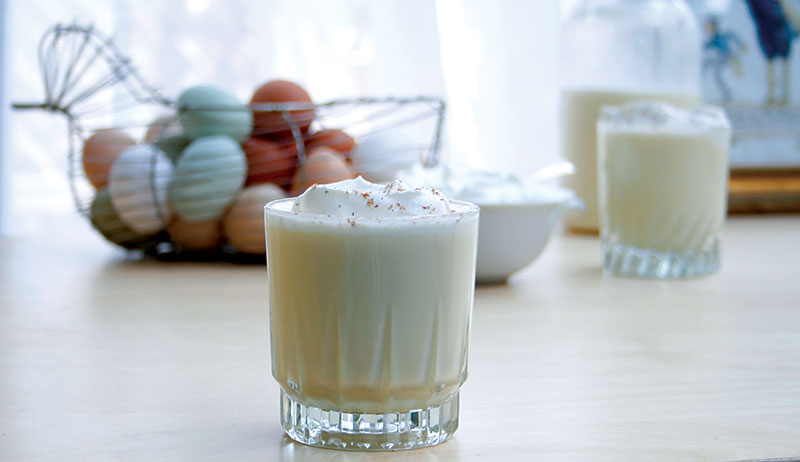
  5. Chill and serve: Transfer the eggnog to an airtight container and refrigerate for at least 3 hours until well-chilled. When ready to serve, pour into small glasses. Top with whipped cream and a sprinkle of maple sugar or flakes, and add an extra splash of bourbon if desired.

How to Serve Homemade Eggnog

Serving homemade eggnog is a treat in itself. Pour or ladle it into small glasses—this rich, creamy beverage is best enjoyed in moderation. For an extra festive touch, top each serving with a dollop of whipped cream and a sprinkle of maple sugar or maple flakes. Feeling particularly indulgent? Add a splash more bourbon or rye to taste. Keep any leftovers in an airtight container in the fridge for up to 3 days—mason jars work beautifully for storage.

Homemade Eggnog FAQs

1. What is eggnog?
Eggnog is a traditional holiday drink made from milk, cream, sugar, and eggs, often flavored with spices such as nutmeg and cinnamon. Alcoholic versions typically include rum, bourbon, or brandy.

2. Can I make eggnog without alcohol?
Yes! Simply omit the bourbon or other spirits. You can still enjoy a creamy, spiced eggnog that’s perfect for all ages.

3. How long does homemade eggnog last?
Homemade eggnog should be stored in an airtight container in the refrigerator and consumed within 3 days for best flavor and safety.

4. Can I use a different sweetener instead of maple syrup?
Absolutely. Honey, agave, or simple syrup can be used as alternatives, though maple syrup adds a warm, festive flavor unique to this recipe.

5. Is it safe to use raw eggs in eggnog?
Yes, but using fresh, high-quality eggs reduces risk. You can also use pasteurized eggs for extra safety, especially if serving to children or older adults.

This homemade eggnog recipe originally appeared in Chickens magazine. Click here to subscribe.
Categories
Farm & Garden

How to Make a Grapevine Wreath: A Simple DIY Guide

There’s something magical about turning materials from nature into a beautiful decoration for your home. In this guide, you’ll learn how to make a grapevine wreath using vines you can forage from your backyard or local forest.

Why Grapevines Are Perfect for Crafting

Living close to nature gives you access to materials that can inspire creativity—and grapevines are a perfect example. While wild grapes are native in many regions, they can sometimes overwhelm young trees. Cutting them back can help your trees thrive, and the vines themselves become an ideal craft material.

Grapevine wreaths are versatile: they can become door decorations, dreamcatcher bases, or even DIY chandeliers. You can make them small or large, simple or elaborate—the shape and size are limited only by the vines you collect and your imagination.

Step 1: Prepare Your Grapevines

soaking grapevines
Rachael Dupree

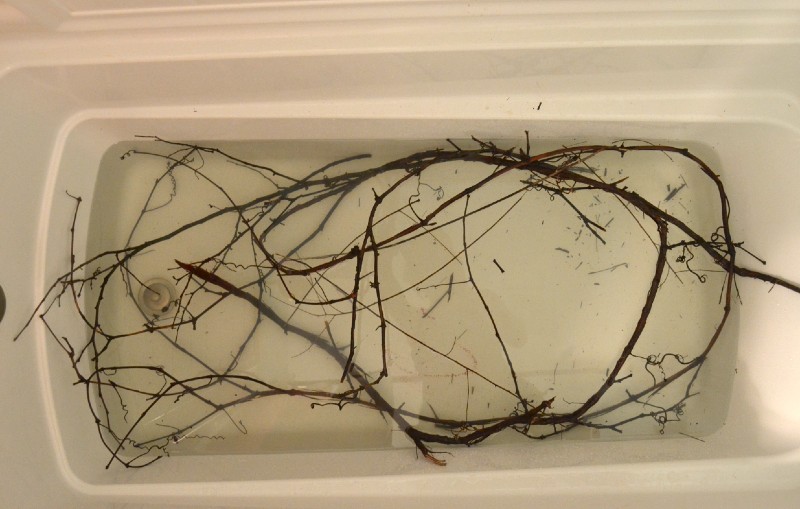
If your grapevines are brittle, soaking them in warm water for an hour or more will make them pliable. If the season has been rainy, vines may be soft enough to work with straight from the forest. Use a bathtub, bucket, or trough—whatever fits your vine collection.

Step 2: Form the Wreath Foundation

form grapevine into a hoop
Rachael Dupree
foundation of grapevine wreath
Rachael Dupree

Pick a vine length suitable for the size of the wreath you want. A 3-foot vine is ideal for beginners and small wreaths. Hold it with both hands to identify its natural curve. Cross the ends like tying a shoelace and wrap any extra around the hoop you’ve formed—this is the base of your wreath.

Step 3: Build Up Your Wreath

add additional vines to wreath
Rachael Dupree

For a fuller wreath, wrap additional grapevine lengths around the base. Tuck ends into the wreath, or secure them with floral wire if needed. This step lets you create a thicker, more textured look.

Step 4: Trim for Style

trim awkward pieces of vine
Rachael Dupree

Trim any protruding vines if you prefer a neat look, or leave curls intact for a wild, rustic aesthetic. The beauty of a grapevine wreath is that imperfections add character.

Step 5: Dry the Wreath

hang grapevine wreath to dry
Rachael Dupree

Hang your wreath in a well-ventilated spot for several days to a week until it’s completely dry. This helps it hold its shape and ensures longevity.

Step 6: Add Decorative Touches

add decorations to wreath
Rachael Dupree

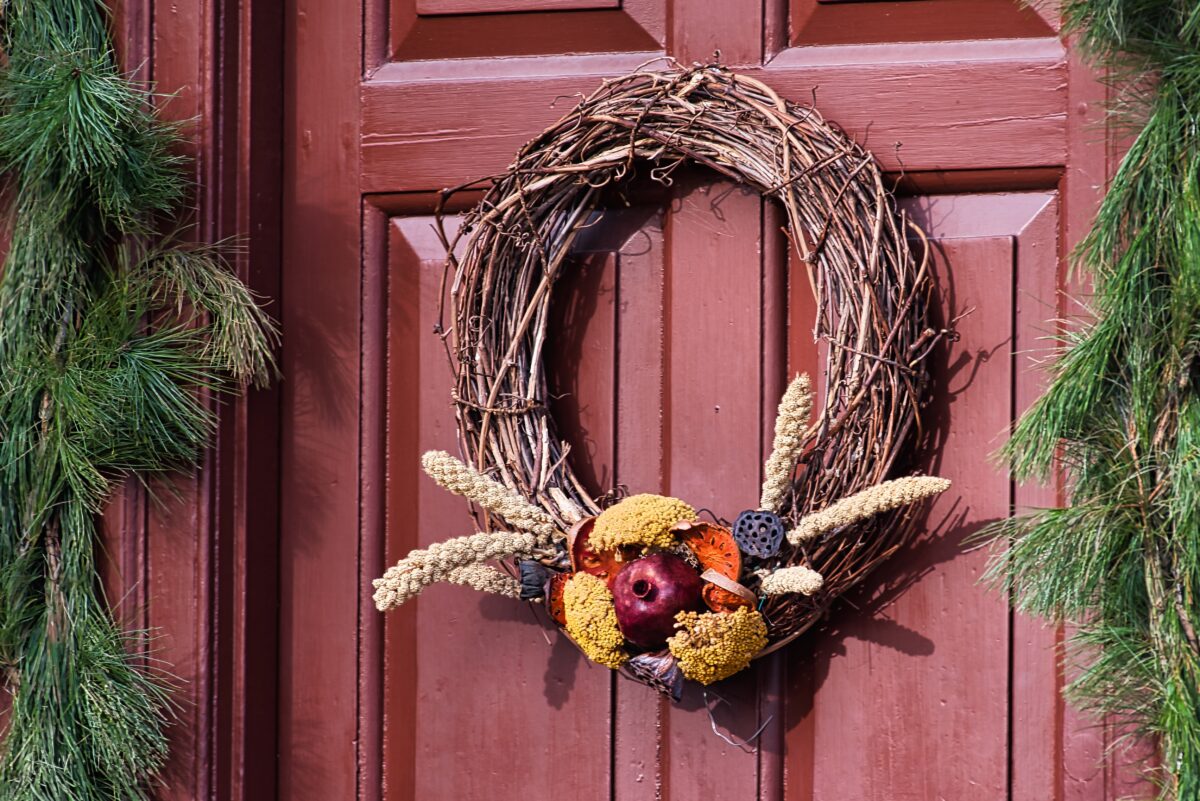
Now comes the fun part! Attach adornments using thin vines, floral wire, or ribbon. Pinecones, feathers, evergreen sprigs, and even small bird nests can make your wreath truly one-of-a-kind. Let nature inspire your design.

Beyond the Basic Wreath

Once you’ve mastered the basic wreath, let your imagination soar. Grapevines can form hearts, stars, baskets, or even three-dimensional decorations. Large grapevines can be used indoors as rustic plant hangers or wall art. The possibilities are endless when working with this versatile natural material.

FAQ: How to Make a Grapevine Wreath

Q: Do I need special tools to make a grapevine wreath?
A: No, basic items like floral wire, scissors, and a bucket for soaking vines are enough. Optional decorations can be added with ribbon or hot glue.

Q: How long should I soak the vines?
A: Soak brittle vines in warm water for at least one hour to make them flexible. Rain-softened vines may not need soaking.

Q: Can I make different shapes besides a circle?
A: Yes! Grapevines are versatile—you can create hearts, stars, baskets, or even three-dimensional designs once you’re comfortable with the basics.

Q: How do I make my wreath last longer?
A: Hang it in a dry, well-ventilated space until fully dried, and avoid direct sunlight or moisture to maintain its shape.

Q: Can I use artificial decorations?
A: Absolutely! Dried flowers, faux berries, and ribbons all work well with grapevine wreaths.

This article about how to make a grapevine wreath was written for Hobby Farms magazine. Click here to subscribe.
Categories
Farm & Garden

English Ivy: History, Uses and the Holly & Ivy Carol

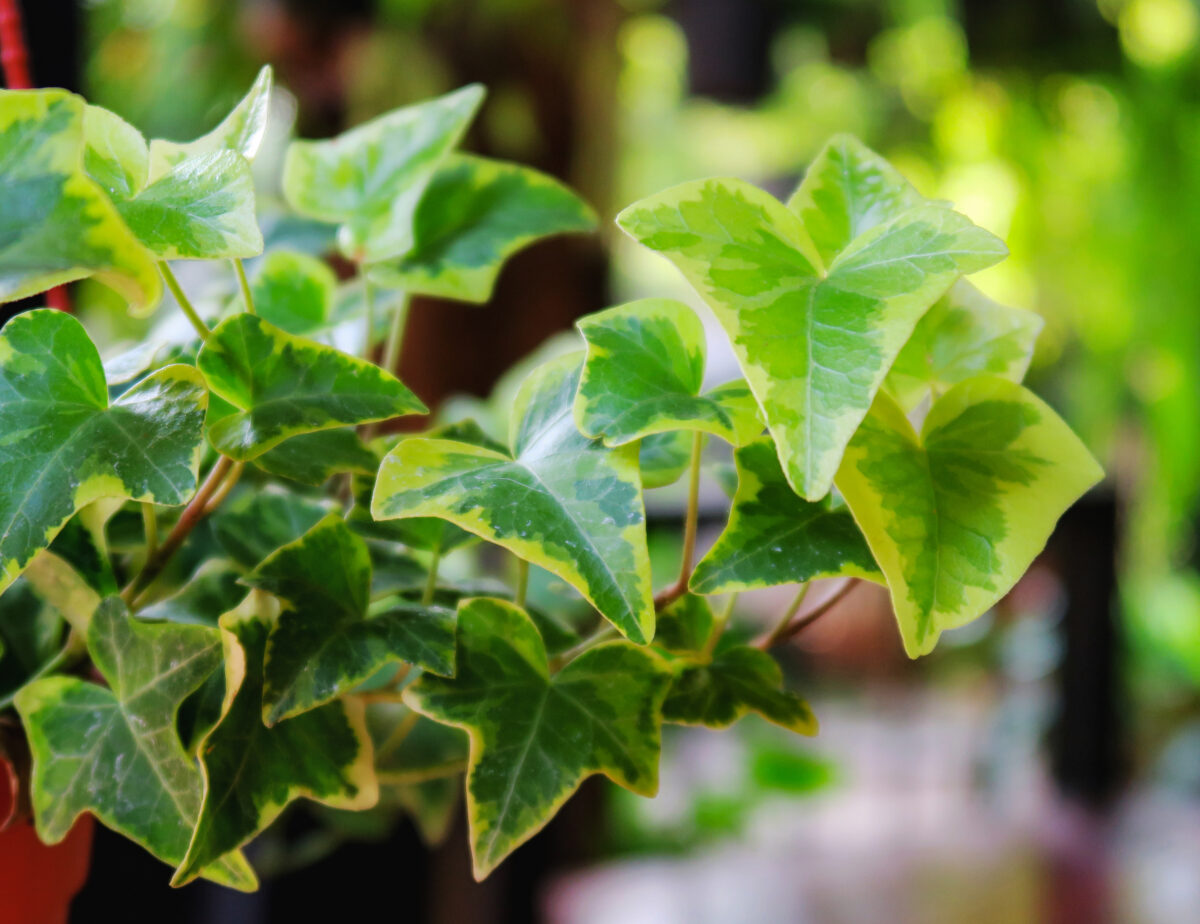
English ivy (Hedera helix) is more than just a climbing plant in gardens—it has a rich history and cultural significance, including a starring role in the classic British Christmas carol The Holly and the Ivy. Dating back to the early 1700s, the song has been passed down through generations, while English ivy and holly carried symbolic meanings long before the carol was written. This winter, taking a closer look at these evergreens reveals both their botanical importance and their place in holiday traditions.

Why English Ivy and Holly Are Celebrated

Long before Christianity reached the European continent, people used the evergreen plants found in forests to decorate their homes for the winter season in general and for the solstice in particular. Holly shrubs were plentiful, one could often find ivy growing underneath in solid mats or twining up neighboring trees. Ivy is more commonly known to us as English ivy (Hedera helix). The plant remains green year-round, and in the winter, it is further decorated with blue-black berries.

From Pagan Symbolism to Christmas Traditions

When Christianity filtered through Europe, the holly and ivy plants were co-opted into the Christmas celebration. This wasn’t a smooth transition, as the folks who were outside the Christian religion had sacred meaning attached to the evergreens and resented their use. Church leaders also disapproved. The symbolism stuck, but the dissonance was captured in the carol, “The Holly and the Ivy.”

At the time, the holly was symbolic of masculinity and was readily absorbed into Christian symbolism, each part of the plant matching a different aspect of Christ’s life. The ivy was symbolic of femininity. While the pagans venerated both together, Christianity wished to pull one out in favor. The Christmas carol that resulted from this struggle mentions the ivy only in the first line. The rest of the song is completely focused on the holly. As a comparison we hear that of all the evergreens in the wood, the “holly wears the crown.” Masculinity and Christianity won out over the old ways, and church-goers could safely sing about these pagan symbols at Christmas time because they had fully been absorbed into the Christian tradition.

English Ivy Today: Growth and Challenges

Today in America, English ivy isn’t very popular. It achieved invasive status, growing with such wild abandon that it weighs down and uproots small trees. In Oregon and Washington, it’s illegal to sell or plant it. If you live in a state where you can grow English ivy, it’s a commitment to grow. Once established on a wall or arbor, the ivy is difficult to remove.

Medicinal Uses of English Ivy

In Europe, the leaves are used both externally and internally for medicinal purposes. Externally, it is a great tea or balm to rub on sore and arthritic joints. Internal use is a bit more problematic.

The ivy plant should only be administered by a knowledgeable practitioner. Studies have shown that ivy can be beneficial in the case of respiratory ailments, such as general congestion and chronic asthma. However, it’s suggested that ivy can be toxic when in the wrong hands.

Singing the Holly and the Ivy with New Respect

This Christmas, while admiring holly and English ivy in gardens or holiday décor, consider the history woven into the carol The Holly and the Ivy. These evergreens connect us to centuries of tradition, symbolism, and natural beauty—a reminder of the rich stories hidden in the plants around us.

FAQ: English Ivy and the Holly and Ivy Carol

Q: What is English ivy?
A: English ivy (Hedera helix) is a climbing evergreen plant native to Europe. It can grow on walls, trees, and ground covers, and is known for its year-round green leaves and blue-black berries. While often used in gardens, it can become invasive if not managed carefully.

Q: How is English ivy connected to the Christmas carol “The Holly and the Ivy”?
A: The famous British carol mentions both holly and ivy, highlighting their symbolic roles in holiday traditions. Holly represents masculinity and Christian symbolism, while English ivy represents femininity. Together, they reflect the ancient practice of decorating with evergreens during winter celebrations.

Q: Can English ivy be grown safely in the U.S.?
A: Yes, but it requires careful management. In some states, like Oregon and Washington, English ivy is considered invasive and is illegal to plant or sell. When cultivated responsibly, it can add beauty to garden beds, walls, or arbors.

Q: Does English ivy have medicinal uses?
A: Yes. In Europe, English ivy has been used both externally (as a balm or poultice for sore joints) and internally (as a tea for respiratory ailments like congestion or asthma). However, internal use should only be done under guidance, as the plant can be toxic in the wrong doses.

Q: Why are holly and English ivy significant in winter traditions?
A: Long before Christianity, evergreen plants like holly and English ivy were used to decorate homes during the winter solstice. They symbolized life, resilience, and continuity through the cold months. The carol The Holly and the Ivy preserves this symbolism and connects it to holiday celebrations.

This Christmas, whether you’re tending to English ivy in your garden or decorating with holly, take a moment to appreciate the rich history these evergreens carry. From their medicinal uses and botanical beauty to their starring role in the classic carol The Holly and the Ivy, these plants connect us to centuries of tradition. Singing the song while admiring the greenery is more than just a holiday ritual—it’s a celebration of nature, culture, and the stories that live on through both plant and song.

This article was written for Hobby Farms magazine. Click here to subscribe.

Categories
Farm & Garden

Christmas Cactus Care: Tips for Holiday Blooms

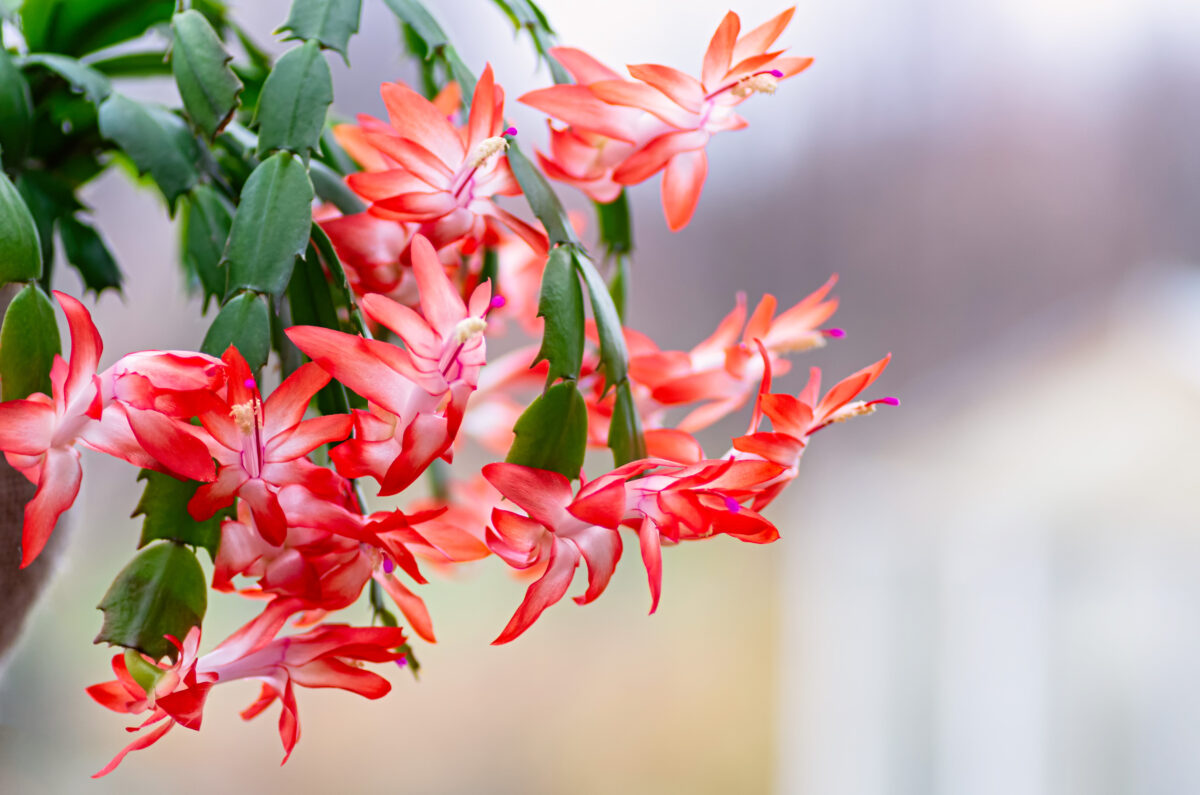
Christmas cactus care is essential for keeping these vibrant plants healthy and blooming during the holiday season. Native to the rainforests of Brazil, Christmas cacti (Schlumbergera) are unique among succulents because they are either epiphytic—growing on tree branches—or lithophytic—growing on rocks. With six different species, four hybrids, and countless cultivars. Typically, if you’ve got one that blooms on Thanksgiving, it’s S. x buckleyi, and on Christmas, it’s S. truncata. Proper care ensures their bright blooms appear right when you want them.

Christmas Cactus Traditions and Stories

Although it seems that there may not be any more of a connection with Christmas than the fact that the growers in Europe have purposely cultivated these beauties to bloom during Christmas time, here are a couple of stories that tie these houseplants to the holiday season.

The Bolivian Missionary and the Christmas Cactus

One story suggests that the blooms of the Christmas cactus to a Bolivian missionary. At Christmas time, the missionary was becoming uncertain that the locals were hearing his message. As he prayed in front of a bare altar, the villagers came carrying beautiful, blooming boughs of Christmas cactus that they had collected from the jungle to decorate the chapel. While this is a lovely story, it doesn’t quite work. Schlumbergera are found in Bolivia and they would be blooming in May rather than December in the southern hemisphere.

Southern Hemisphere Holiday Cactus Traditions

In the Southern hemisphere, folks who don’t have access to evergreens decorate the Christmas cactus instead of a tree. This tradition can be verified, but it is not actually the Schlumbergera that they decorate.

How to Make Your Christmas Cactus Bloom

Christmas cactus care goes beyond keeping the plant alive—it’s about encouraging those vibrant blooms that brighten the holiday season. The brightly colored flowers stand out beautifully against the plant’s succulent foliage, creating a festive touch in any home.

To encourage blooming, follow a few simple steps:

  • Provide Proper Light: Place your cactus in bright, indirect light. Too much direct sunlight can scorch the leaves, while too little light may prevent blooms.
  • Control Temperature: These plants respond to cooler night temperatures. In the fall, bring your cactus to a slightly cooler room (around 60–65°F) to trigger the bloom cycle.
  • Water Strategically: Reduce watering slightly in the weeks leading up to the blooming period, then resume regular watering once buds appear. Overwatering can inhibit flower formation.
  • Outdoor Conditioning: If possible, place the cactus outside in partial shade during the late summer or early fall. Expose it to natural light cycles but protect it from frost.
  • Fertilize Carefully: Use a balanced, water-soluble fertilizer every 2–4 weeks during the growing season, stopping once buds start to form.

By following these steps, your Christmas cactus will be rewarded with beautiful flowers right on time for the holiday season. With consistent care and attention to light, temperature, and watering, you can enjoy a stunning display year after year.

Christmas Cactus FAQ

Q: How often should I water my Christmas cactus?
A: Water thoroughly when the top inch of soil feels dry. During blooming, keep the soil slightly more moist, but avoid letting it sit in water.

Q: Why isn’t my Christmas cactus blooming?
A: Blooming depends on light, temperature, and rest cycles. Ensure your cactus experiences cooler nights (60–65°F) and reduced watering in the fall to trigger bud formation.

Q: Can a Christmas cactus survive outside?
A: Yes, but only in mild climates or during late summer/early fall in partial shade. Bring it indoors before the first frost to protect it from cold damage.

Q: How long do Christmas cactus blooms last?
A: Individual flowers can last 2–3 weeks. Proper care, including consistent light, temperature, and watering, can extend the blooming period.

Q: Do I need to prune my Christmas cactus?
A: Pruning isn’t required but can help maintain shape and encourage branching, which may lead to more blooms in future seasons.

Enjoying Your Christmas Cactus Year After Year

With proper Christmas cactus care, these cheerful plants can become a long-lasting holiday tradition. By managing light, temperature, and watering, and providing occasional fertilization, you can enjoy vibrant blooms that brighten your home each holiday season. Whether you have a single plant or a collection of colorful varieties, a little attention ensures your cactus will reward you with its festive display year after year.

This article about Christmas cactus care was written for Hobby Farms magazine. Click here to subscribe.

Categories
Poultry

Duck Behaviors: Why Ducks Act the Way They Do

Duck behaviors are fun to watch, but what makes ducks do the things they do? Learn why ducks are active at night, why ducks play in the mud, duck courtship displays, and much more.

Duck Behaviors: Courtship Moves Explained

One of the most common myths involving duck behaviors is that courtship displays are performed only by the males (called drakes), but female ducks also play a part in the duck courtship routine.

Direct descendants from the Mallard, all domestic ducks (excluding Muscovies) breed throughout late winter through summer. While courtship displays are performed throughout the breeding season, in autumn, you may see an increase.

The reason for the uptick in performance is that autumn is when wild ducks choose a new mate. And just like their wild cousins, domestic ducks also begin to perform.

Up-and-Down Head Movements

This courtship display is performed by both the drake and the female. The pair swims in tight circles, pumping their heads up and down in a fast motion. This behavior is usually followed by breeding.

Heads and Tails Up Display

One of the most stunning courtship displays performed by the drake is the head-up and tail-up display. To perform, a drake pulls both his head and tail up toward his body and gives a sharp whistle.

This display shows off the drake’s wing speculums (the small blue wing patch on Mallards and other gray breeds) to impress the females.

Grunt Whistle: Duck Courtship Call

The grunt whistle is another drake courtship display and is only performed on water. The drake pulls his body out of the water before bringing his head back toward his body and letting out a distinctive grunt followed by a whistle.

Frequently performed by domestic drakes, the grunt whistle display is even more stunning when drakes synchronize this courtship to impress the females.

When Ducks Are Awake

Ducks are semi-nocturnal, meaning they spend some time being awake and sleeping during both daytime and nighttime. So, if you think you hear your ducks quacking during the full moon or other times of the night, you aren’t imagining things.

The reason ducks spend time awake both at night and during the day is to protect them from daytime predators, including hawks and mustelids. Ducks can see well at night, so the cover of darkness offers protection from predators.

Note: Even though ducks have natural instincts to protect them from predators, they should still be provided with a completely predator-proofed coop and run to keep them safe.

Duck Behaviors: Understanding Quacks

When spending time with your ducks, you may have noticed that there are many different types of quacks. Each quack means something different, from the “something is wrong” quack to a happy greeting, learn what your ducks are trying to tell you.

Alarm Call: Female ducks give a loud, but evenly spaced series of quacks to alert the rest of the flock of potential danger. These alarms could mean a predator has been spotted or a member of the flock has seen something else out of the ordinary. Drakes also give an alarm call, however, the drake’s is much softer than his usual quack.

Foraging Quack: This call is given by female ducks while feeding. The female will give a series of excited, low quacks while enjoying her favorite treat, or when foraging.

Happy Quacks: The happy call is performed when female ducks feel the need to cut loose, releasing a loud series of happy quacks when they spot their favorite person. However, they can do this call at other times of the day, too, such as when it’s time to head back to the barn for the night.

Duck Chattering: Duck chatter is performed frequently throughout the day by both males and females, with the drakes’ quacks being softer and quieter than the females.

Why Ducks Love Mud

Ducks are notorious for creating a muddy mess in the yard around their water bucket, kiddie pool, and even the pond bank. But why do ducks play in the mud?

Mud Drilling: Ducks drill holes into the mud with their bills to forage for insects, bug larvae, and other goodies hiding just below the earth’s surface.

Worm Preying: What looks like funny duck behaviors is actually a duck attempting to draw earthworms above the ground by creating vibrations with their feet. To do this, a duck will stand  in a mud puddle, moving their feet up and down quickly, and splattering mud everywhere.

Duckling Imprinting Explained

Imprinting is one of the most popular of the duck behaviors. Ducklings imprint on the first face they see, believing that to be their mother. Ducklings need to imprint on their mother for survival and protection from predators. Without a mother duck (or human) for protection, little ducklings quickly get picked off by hungry predators, so staying close to their mother is a duckling’s best chance for survival.

Water Acrobatics and Cleaning Habits

Of all the duck behaviors, a duck’s ability to twist and turn in the water is incomparable. Ducks thrive in the water, and not only do they enjoy splashing in a kiddie pool, but it also helps keep them free of external parasites.

In the water, ducks beat their wings, roll over, splash water over their backs, and dunk their heads up and down in the water to clean their nares (a duck’s nose holes on the top of their bills).

After pool time, a duck can spend several hours preening their feathers and spreading a waxy oil (from the oil gland at the base of their tail) all over its body to ensure each feather is kept clean, waterproof, and warm.

Rainy Day Duck Behaviors

During heavy rainfalls, ducks will stand completely still and tall to help the rain drain off the water repellent feathers on their backs. Another plus to this habit is that standing still decreases the chance of a predator attack.

How Ducks Search for Food in Water

Ducks enjoy sifting through their water buckets and kiddie pool with their bills. If you watch carefully, you might see the water flowing back out of the sides of the duck’s bill.

Despite what this behavior looks like, ducks really aren’t just playing in the water. They are sifting through the water looking for food. This sifting is especially vital when ducks are feeding off of ponds.

Bottoms Up: Feeding Techniques

Ducks on ponds or other large bodies of water may find something tasty below the water surface. That’s why ducks are sometimes seen with their heads underwater and tails sticking straight up in the air, as they feed on underwater goodies.

Duck Behaviors: Observing Your Flock

There are many fascinating duck behaviors that our flocks perform every day. Taking the time to observe your flock can go a long way to helping you gain common knowledge about some of the many fascinating duck behaviors.

This article about duck behaviors was written for Hobby Farms and Chickens magazines. Click here to subscribe.

Categories
Equipment

Portable Generator Winter Prep: 7 Essential Steps

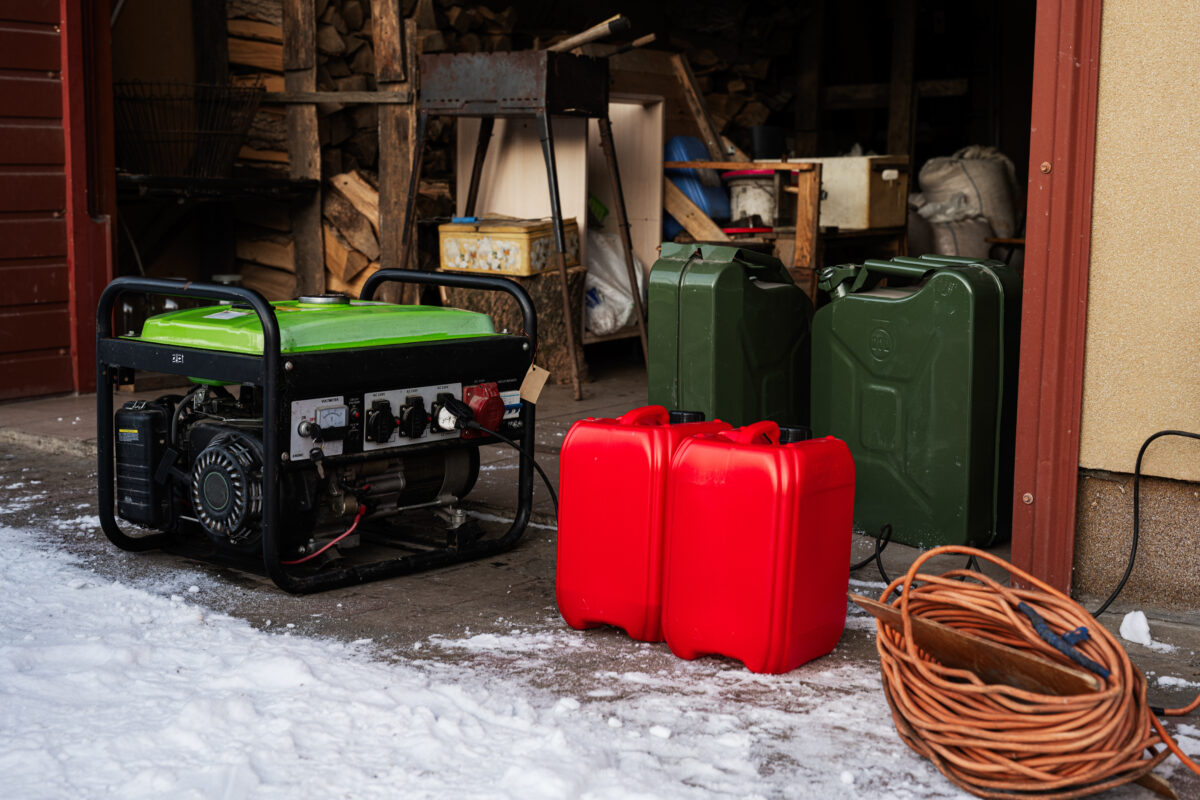
A portable generator is essential when winter storms knock out power, keeping your farm or home running smoothly. Whether you rely on one for backup power or seasonal chores, proper generator maintenance before the cold weather hits is crucial. This simple seven-step winter checklist ensures your generator starts reliably, runs efficiently, and stays safe throughout the season.


Read more: Get a portable generator to ensure you don’t get caught out in the cold.


1. Make Your Portable Generator Accessible

If you lose power during a winter snowstorm, you want your generator to be readily accessible—not buried in a shed behind all your summer lawn equipment. Before winter arrives, make sure your generator is waiting in a convenient location, preferably with easy access to the outdoors.

(Due to carbon monoxide risks, generators should not be used indoors.)

2. Change Oil for Winter Performance

Check your generator’s instruction manual for guidance on how frequently to change the oil. Even if you’re not due for a regular oil change, you might want to trade the summer oil for low-viscosity oil (such as 5W30) more suitable for use in cold weather.

3. Replace Portable Generator Filters

Oil, air and fuel filters should all be cleaned and/or replaced depending on how heavily your generator has been used. Check the instruction manual for a recommended maintenance schedule.

4. Stabilize Fuel in Your Generator

You want your generator ready to run at a moment’s notice. Since an empty gas tank can be an invitation for corrosion, it’s best to leave the tank filled when not in use.

But if gasoline starts degrading after just a couple of months, isn’t it risky to leave the tank full all winter long? What if you get lucky and never need to use the generator?

This is where fuel stabilizers enter the picture. Mix an appropriate amount of stabilizer into your fuel and you’ll significantly extend its lifespan, alleviating the issue entirely.


Read more: Use fuel stabilizers to protect your engines during the offseason.


5. Charge Your Portable Generator Battery

Batteries can struggle in cold weather, so if your generator features a battery-powered electric starter, make sure the battery is fully charged before winter. If your generator is stored in a heated garage, perfect. If not, consider removing the battery and storing it indoors until needed.

6. Test Your Generator Regularly

Once you’ve finished your pre-season maintenance, go ahead and give the generator a test run. Let it run for five or 10 minutes, just to let the stabilized fuel spread through the system and confirm everything is in good order.

In general, engines benefit from running with some regularity. So go ahead and fire up your generator at least every few weeks during the winter to keep it in good working condition.

7. Stock Generator Parts and Supplies

There’s no reason to be short on spare parts and supplies—you’ll use them all eventually. Head into winter with extra spark plugs, filters and gas on hand so you won’t run short during the snowstorm of the century.

If you’re concerned about using the spare gas quickly enough (probably not an issue if you’re busy plowing snow with your ATV!), add a fuel stabilizer and don’t give it another thought.

Generator Maintenance FAQs

Q1: How often should I perform portable generator maintenance?
A1: Basic maintenance should be done at least once a season, with oil, filter, and fuel checks before winter to ensure reliable performance.

Q2: Can I store my portable generator outside during winter?
A2: It’s best to store your generator in a dry, sheltered area. Exposure to snow, ice, or moisture can damage components and reduce performance.

Q3: What type of fuel stabilizer is recommended for winter?
A3: Use a high-quality gasoline stabilizer designed for small engines. Mix it according to the manufacturer’s instructions to prevent fuel degradation over winter months.

Q4: Should I run my portable generator while it’s cold outside?
A4: Yes, periodic short test runs help circulate fuel, charge the battery, and ensure everything functions properly, even in cold temperatures.

Q5: What spare parts should I keep on hand for winter?
A5: Keep extra spark plugs, filters, fuel, and oil handy. Having these supplies ready ensures you can quickly resolve minor issues during a storm.

Once your generator is prepped and ready, you can rest easy even when fierce snowstorms are on the horizon. Stay safe!

This article about prepping a portable generator for winter was written for Hobby Farms magazine. Click here to subscribe.

Categories
Poultry

Plants Toxic to Chickens: What’s Safe for the Holidays

When decorating for the holidays, it’s good to know are Christmas plants toxic to chickens. Traditional seasonal flora such as mistletoe, poinsettia and holly, of course, have adverse effects on cats and dogs. However, these plants aren’t poisonous to chickens. They’re perfectly safe for our feathered friends. Here’s a rundown about this trio of festive natural trimmings.


Read more: These 14 toxic plants, however, can poison your chickens!


American Holly: Winter Beauty and Bird-Friendly Berries

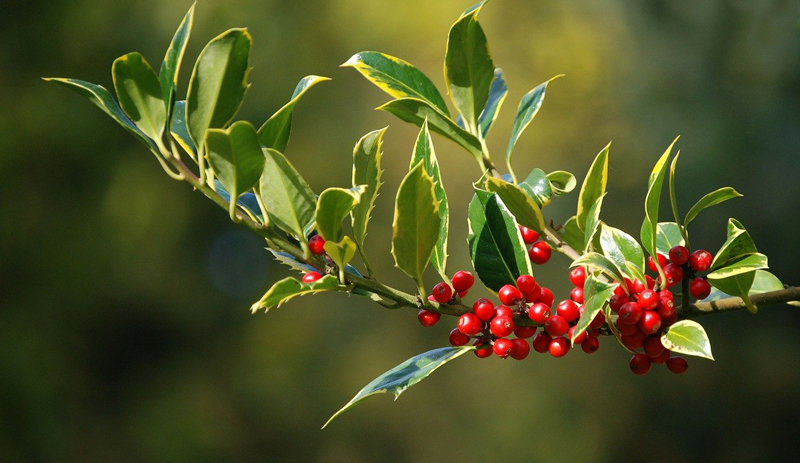
American holly (Ilex opaca) is a visual standout come wintertime. With its handsome gray bark, its distinctive green leaves and its bright red berries, this ornamental evergreen is almost synonymous with the holiday season.

Due to the way the boughs drape, holly provides winter shelter for many songbirds, including cardinals, titmice and chickadees. Besides protection from the elements, holly provides birds with accessible nutrition—its berries—at a time when the ground is frozen over and insects are impossible to find.

Ingesting holly berries (and, to a lesser degree, holly leaves) can cause vomiting, diarrhea, drowsiness and dehydration in humans and pets. But these juicy berries serve as essential forage for birds.

Planting American holly trees for your flock—you’ll need one male and at least one female—may not be practical, as they can reach a height of 50 feet. However, one of the shrubbier cultivars may make an eye-catching addition to your chicken yard.

The Red Sprite cultivar of the deciduous Michigan holly (Ilex verticillata) ranges from 3 to 5 feet in height and grows grapelike clusters of juicy red berries.

Angelina Ho./Pixabay

Poinsettias: Festive, Not on the Plants Toxic to Chickens List

Cultivated in Mexico for centuries before becoming an iconic Christmas plant, the poinsettia (Euphorbia pulcherrima) was introduced to the U.S. by Joel R. Poinsett, a botanist who served as the U.S. minister to Mexico under President James Monroe.

For decades, this beautiful plant suffered from a bum rap: the widespread belief that it was dangerously poisonous.

A 1971 research study at Ohio State University, however, concluded that its test subjects—who ingested unusually large amounts of poinsettia parts—suffered no ill effects. Furthermore, the POISINDEX® Information Service (the primary resource used by poison control centers) states that a 50-pound child would have to eat more than one pound of poinsettia bracts to feel any adverse affects.

Pets who nibble or swallow poinsettia leaves might experience mouth irritation or vomiting due to the plant’s milky sap, which contains latex and can affect those with sensitivities.

Chickens might experience digestive discomfort from munching on poinsettias, but you wouldn’t consider the plants poisonous to them. However, you may wish to avoid surrounding your coop with these festive red and white flowering plants. Their beauty will undoubtedly suffer at the beaks of your inquisitive birds.

Susanne Jutzeler/Pixabay

Mistletoe: History, Birds, and Seasonal Charm

The Christmas kiss plant, mistletoe, has a long and colorful history. Accounts of this plant date back thousands of years, where it was responsible for the death of the god Balder in Norse mythology and considered a magical plant that granted fertility and luck by the Celts.

Over the centuries, mistletoe has been used to treat such conditions as epilepsy, gout and—ironically—poisoning.

This parasitic plant grows on the trunks and branches of deciduous trees. It’s recognized by its small, silvery-green oval leaves and its pearly white berries. It also has the habit of growing in balls called witches’ brooms high up in its host trees.

Mistletoe berries serve as a winter food source for wild birds. And birds return the favor by excreting the seeds and helping the plant spread. The name “mistletoe” comes from the Anglo-Saxon term for “dung on a twig,” a direct reference to the plant’s relationship with birds.

Besides being a source of nutrition, mistletoe also serves as a choice nesting spot for such birds as house wrens, chickadees, spotted owls, Cooper’s hawks and pygmy nuthatches.


Read more: Check out these recipes for homemade holiday treats your chickens will love.


Choosing the Right Mistletoe for Safety and Wildlife

The same plant that nourishes birds has a dramatically adverse effect on humans … depending on the variety of mistletoe. Many are unaware that two varieties of mistletoe commonly exist: American mistletoe (Phoradendron serotinum) and European mistletoe (Viscum album).

The European variety has a documented history of being highly poisonous to humans and pets. (The plants aren’t poisonous to chickens, of course.) Ingesting the leaves or berries of European mistletoe can cause vomiting, difficulty breathing, shock and even death.

Research on American mistletoe, however, indicates that it is far less toxic than its European cousin.

How poisonous is the ingestion of American mistletoe? One study examined 1,754 American mistletoe exposures. The majority of the people who ingested mistletoe had no symptoms and there were no fatalities. Another study, based on poison-control centers’ response to 92 cases of mistletoe exposure, concluded that the most serious symptom experienced was digestive distress, experienced by three patients.

Most Americans, however, can’t distinguish between American and European mistletoe. So the safest bet for humans and pets is to use artificial mistletoe indoors. Leave the real mistletoe outdoors for the birds who very much depend on it.

FAQ: Christmas Plants Toxic to Chickens

Q: Are holly berries safe for chickens?
A: Yes. Chickens can safely peck at holly berries and leaves. While the berries are mildly toxic to humans and pets, chickens typically tolerate them without issues.

Q: Can chickens eat poinsettias?
A: Chickens can nibble on poinsettia leaves without serious harm. Some may experience mild digestive upset, but the plant is not considered poisonous to them.

Q: Is mistletoe poisonous to chickens?
A: No. Chickens can safely interact with mistletoe. While certain mistletoe varieties are toxic to humans and pets, chickens are generally unaffected.

Q: Should I put real mistletoe inside the house?
A: It’s safest to keep real mistletoe outdoors. Indoor mistletoe, especially European varieties, can be toxic to humans and pets, so artificial mistletoe is a better option for decoration.

Q: Are there other Christmas plants I should avoid around my flock?
A: Yes. Some seasonal plants, such as certain lilies or amaryllis, can be toxic to chickens. Always double-check before letting your flock access any holiday greenery.

While many classic holiday plants are a cause for concern in homes with pets, your chickens can safely enjoy holly, poinsettias, and mistletoe without worry. These festive plants can even provide some enrichment and foraging fun for your flock. As always, observe your birds and provide a balanced diet, and your holiday decorations can stay beautiful—both for you and your feathered friends.

This article about are Christmas plants toxic to chickens was written for Chickens magazine. Click here to subscribe.

Categories
Poultry

American Buff Goose: Breed Info, Care, and Egg & Meat Tips

The American Buff goose is not as common as other types of geese, but this delightful breed is a good addition to small farms and backyard flocks.

History of the Breed

The American Buff goose has a mostly unknown history, as no one knows what breeds were used to create them. Like many other types of domestic geese, however, they are derived from the European wild greylag goose.

First bred in Missouri, the breed was developed in the 1930s and 1940s by breeder Oscar Grow. After development, it quickly became approved by the American Poultry Association (APA) and was added to the Standard of Perfection in 1947.

Today, American Buff geese are one of the more rare types of geese and are listed as “watch” (meaning there are fewer than five thousand breeding American Buff geese in the U.S.) by the American Livestock Breeders’ Conservancy.

American Buff Goose Appearance and Characteristics

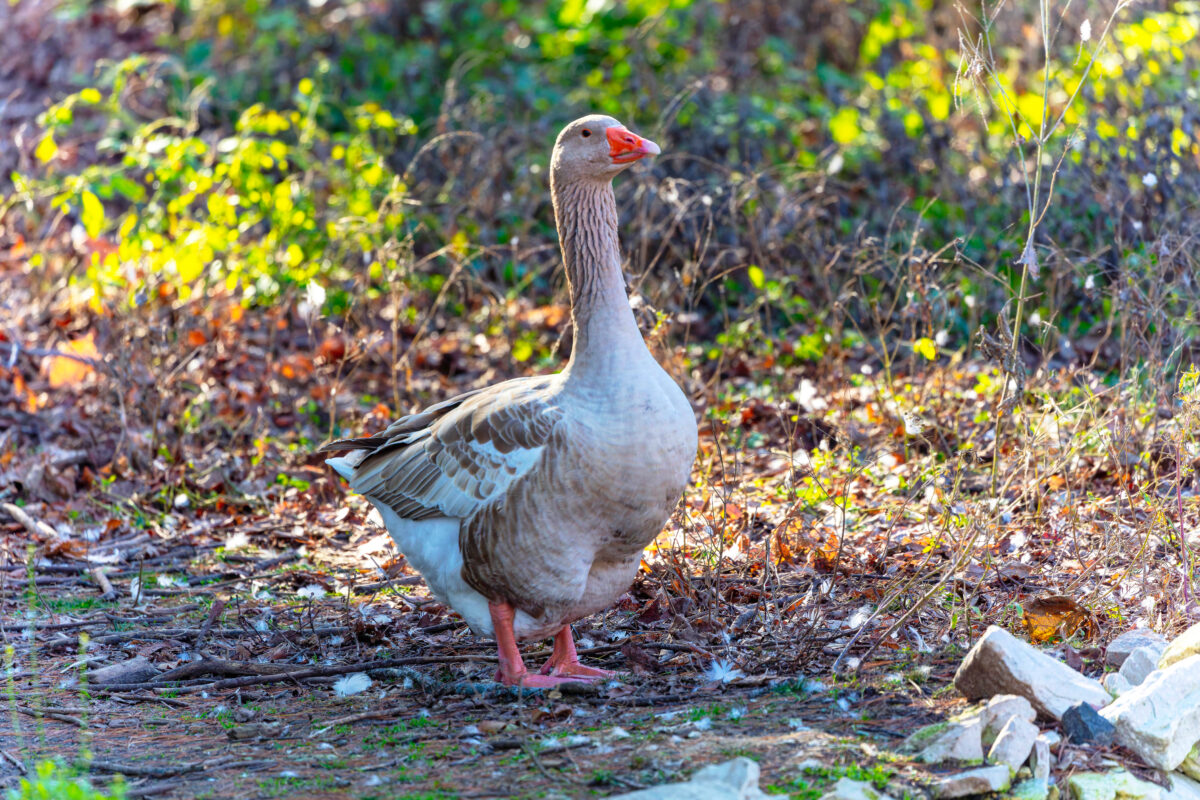
Buff geese are a unique color that is not found in wild geese or many other varieties of domestic geese. The back and sides are covered in apricot-fawn colored feathers edged in creamy white. Abdomens are covered in pure white feathers.

The bill, legs and feet of American Buff geese are orange to reddish orange. Legs should be firm and sturdy to support the goose’s bulky frame.

Overall, the breed has a typical appearance of a European goose with a medium-long neck, chunky body, and a slightly arched back. The two fatty lobes on the abdomen give the breed its distinctive saggy look.

Are American Buff Geese Friendly and Social?

American Buff geese are curious, calm, and friendly, making them preferable to other types of geese for family pets. The breed is not prone to aggression and is reported to bond closely to people.

Inquisitive and curious, Buff geese are prone to wandering and should be kept in fenced enclosures to keep them home and safe from predators. They are also prone to getting into mischief, and should be housed in a safe coop and run to ensure their safety.

Both ganders (males) and geese (females) are good guard geese.

In a mixed flock, American Buff geese prefer their own kind and can behave in a snobbish way when interacting with other breeds.

American Buff Goose Meat and Egg Production

American Buff geese were first bred as meat birds, but these days they are kept more as family pets than for meat or egg production. The medium-sized carcass has a similar taste to other types of geese.

Young geese can be butchered at weeks 9, 15, or 20, depending on the desired size.

Female geese are fair egg layers, producing ten to twenty-five large, white eggs annually. Females usually start to lay around the age of one to two years, but it can take as long as three years for egg laying to begin.

Egg laying season is short, often falling between Valentine’s Day and Flag Day. However, the eggs are quite large (about the size of three chicken eggs).

American Buff Goose Lifespan and Health

Like most types of geese, American Buff geese are fairly long-lived, with their average lifespan falling between fifteen and twenty years of age.

The breed is generally healthy and does not have any breed-specific health problems. Like all geese, they can be prone to external and internal parasites (including coccidiosis).

Domestic geese, including the American Buff goose, can also carry harmful bacteria that can be transmissible to humans, including Salmonella and E.coli. However, these conditions should be rare in a well-cared-for flock.

Like all types of geese, American Buffs can suffer from nutritional deficiencies, angel wing, and bumblefoot, and can suffer from health problems if kept in an overcrowded or unclean environment.

American Buff Goose Parenting and Broodiness

American Buff geese are excellent parents, with both the gander and goose playing an active role in raising goslings.

Females are excellent broodies and will happily hatch out and raise goslings from another female, including eggs/goslings from another breed.

After hatching, the gander takes on the primary care role, raising the goslings and looking out for danger. Ganders are very protective of their young and will not hesitate to fight to the death to protect their family. Therefore, it is important to provide a safe enclosure at all times, but especially when raising young to protect geese from falling prey to predators.

American Buff geese are so paternal that they are known to steal eggs and young from other geese.

Tips for Keeping Geese Happy & Healthy

1. Like other types of geese, American Buff geese can be loud and may not be the best choice for flocks with close neighbors. However, they are reported to be quieter than noisy breeds such as the Chinese.
2. Due to their bulky frames, the American Buff goose requires more feed than smaller types of geese.
3. American Buff geese require clean swimming water in a kiddie pool or other shallow water source several times a week to stay clean, healthy, and parasite-free.

American Buff Goose Breed Summary

While they may not be as popular as other types of geese, American Buff geese are a good choice for those looking to raise their own meat or for the waterfowl enthusiast who enjoys the company of a friendly goose.

This article about the American Buff Goose was written for Hobby Farms and Chickens magazines. Click here to subscribe.