Categories
Recipes

Zippy Green Catsup

This Zippy Green Catsup  is based on the mint-and-cilantro (also called fresh coriander) chutney served with Indian food.

It transforms fistfuls of two prolific herbs into an addicting condiment that goes with everything from potatoes and pork to lamb and lentils.

Best of all, simple water-bath canning allows refrigeration-free storage, and gleaming jars of this emerald-green sauce make lovely gifts.

Ingredients

  • 7 cups lightly packed mint leaves
  • 4 cups lightly packed cilantro leaves
  • 3 cups coarsely chopped white onions
  • 1 to 2 cups (depending on heat preference) fresh jalapeno peppers, seeds and membranes removed, coarsely chopped
  • 1/4 cup peeled and chopped fresh ginger
  • 8 to 12 garlic cloves, peeled and halved
  • 1 1/2 cups white vinegar
  • 1/2 cup water
  • 3 T. cumin
  • 1 T. ground coriander
  • 3 tsp. salt, or to taste

Preparation
For the best flavor, pick herbs in the midmorning, after the dew has dried but before the sun gets too hot; make the catsup right after harvesting the herbs to avoid having to refrigerate them. Wash the fresh herbs thoroughly and dry using a salad spinner. Pick herb leaves from stems, measure and place in large bowl.

Wash jars, lids and rings, and begin to sterilize them. Prepare water-bath canner and begin heating water.

Toss onions, peppers, ginger and garlic together with the herbs. Combine the vinegar and water in a separate bowl. Working in batches, puree the herbs and vegetables in a food processor, adding vinegar-water mixture to each batch to produce a smooth puree.

Pour each batch of puree into a large, nonreactive saucepan. Stir in cumin, coriander and salt. Heat over medium heat, stirring occasionally, until mixture is heated through and getting near to boiling. Ladle hot catsup into prepared jars and seal. Process half-pints for 15 minutes and pints for 20 minutes. Makes 6 cups.

Categories
Recipes

Salted Herbs and Vegetables

Add salted herbs and vegetables to your next meal
More Herb Recipes>>

Adding more green to your diet can be easy and tasty when you can keep your produce around a bit longer. Learn more about using salt as a preservative for your herbs and vegetables.

Ingredients

  • 1 cup finely chopped fresh chives
  • 1 cup finely chopped fresh chervil
  • 1 cup finely chopped fresh parsley
  • 1 cup finely chopped fresh savory
  • 1 cup finely chopped celery leaves
  • 1 cup grated carrot
  • 1 cup finely chopped leeks or green onions
  • 2 cups pickling salt

Preparation
Wash herbs and vegetables, and dry thoroughly. Chop, and combine in a bowl. Measure salt into a separate bowl.

Wash and sterilize a small stoneware crock or large glass jar. Dry thoroughly. Layer about a 1/2 inch of herb-and-vegetable mixture in the bottom of the crock or jar. Add a thick layer of salt to cover the mixture thoroughly.

Continue alternating layers of the herb-vegetable mixture and the salt, making sure to end with a layer of salt on top. Cover the crock or jar, and place in a cool, dark, dry place.

Wait one month before using so the salt can create a brine. Add brine or the brine with some of the vegetables and herbs to taste in soups, stews and meat dishes. Start out adding small amounts to a dish until you’re accustomed to its potency as a seasoning.

Using Salt to Preserve
Whether you produce your own farm’s power or simply want to lighten your carbon footprint by growing more of your own food and making fewer trips to the grocery store, here’s another food-preservation pearl of wisdom from the days before refrigeration:

Salt preserves finely chopped herbs and vegetables to make a piquant, concentrated flavoring for soups, stews and meat.

Experiment to suit your taste or to use for seasoning specific dishes, such as chicken stew, gumbo, roast beef, fish chowder, or pea or bean soup.

Categories
Recipes

Herbal Syrups

Ingredients

  • Equal portions of water and sugar
  • Fresh herbs, washed and dried, either left in sprigs or with stems removed

Preparation
A medium-weight simple syrup, the best type for beverages, is made with a 1:1 ratio of sugar and water. You may want to start out with 1 cup of each.


Back to more herb dishes>>


The amount of herbs you’ll use depends on their intensity. For 1 cup of syrup, for example, a couple tablespoons of fresh lavender buds or a 3-inch sprig of rosemary will suffice, while you may add as much as a 1/2-cup of angelica or a whole cup of mint leaves.

In a small saucepan over medium-high heat, stir together the sugar and water. Bring the mixture to a boil, then immediately reduce heat so that it simmers gently. Add the herbs, stirring to push them under the surface. Cover and simmer for 3 minutes.

Remove the pan from the heat, uncover, and let the mixture cool.
When the syrup has cooled, strain it one to three times through a fine sieve to remove herbs and get a clean syrup. Pour it into a sterilized, airtight bottle or jar. Store the syrup in the refrigerator for up to three months.

To use, start by adding herbal syrup 1 tablespoon at a time to 3/4 or 1 cup of beverage. Increase to taste.

<>

Herbal Accompaniments
Herbs that make delicious simple syrups include:

  • Basil
  • Lavender
  • Mint
  • Thyme
  • Lemon verbena
  • Marjoram
  • Sage
  • Chamomile
  • Angelica
  • Fennel
  • Tarragon
  • Bergamot
  • Sweet cicely
  • Lemon balm

Beverages that can benefit from the addition of an herbal syrup include:

  • Ginger ale
  • Sparkling or seltzer water
  • Champagne and other sparkling wines
  • Hot or iced tea: black, green, red, white or herbal
  • Lemonade and limeade
  • Martinis and other cocktails made with vodka or light rum
  • Unsweetened cranberry or pomegranate juice
  • Freshly squeezed grapefruit juice
Categories
Recipes

Herb Salad

Herb salad -- try these complementary greens and herbs

Folks in frost-free gardening zones where fresh herbs are as common as sunshine might consider this an “Everyday” Herb Salad.


Back to more herb dishes>>


But for those of us whose herb gardens are dormant more months than not, this salad is the essence of carpe diem summertime eating.

Eating a plateful of fresh herbs right out of the garden is extravagant indeed, when October through April sees us resort (wincingly) to plunking down four dollars for a few precious sprigs of fresh herbs encased in a little plastic suitcase. << Get Tips for Mixing Herbs and Greens >>

Ingredients

  • 6 cups mixed salad greens and herbs, stems trimmed, washed and dried
  • 3 T. extra-virgin olive oil
  • 2 T. red wine vinegar
  • salt and freshly ground black pepper to taste

Preparation
Place salad greens and herbs in a large bowl. Combine olive oil, vinegar, and salt and pepper in a jar; shake until well blended.

Pour dressing over greens and herbs; toss to coat well.

This salad goes well with roasted chicken or poached fish. Or, heap it on a thick slice of bread that’s been brushed with olive oil or butter and then grilled or toasted under the broiler.

Categories
Animals Equipment Poultry

How to Choose the Right Chicken Coop

Chicken coops come in many sizes, shapes and designs, and can be built from a number of different materials for a number of different purposes. Chickens provide us with eggs, meat, good laughs and good times, but in addition to their daily nutritional needs, we also must provide them with sturdy, reliable shelter that protects them from predators and harsh weather—a coop.

Included here are several different types of chicken coops; from an economical, portable poultry shed to chicken arks that provide daytime protection to a time-tested, classic chicken house.

The Art of the Ark

The chicken ark is used primarily in situations where birds cannot range freely during the day due to predators, concerned neighbors or city ordinances. Arks provide access to daylight while keeping your chickens close to home and protected.

chicken coop coops
Tom Kimball
chicken coop coops
Tom Kimball

Chicken arks also allow you to rotate where you graze your flock. You can easily move

these small enclosures to fresh grass so birds can enjoy the sunlight and eat bugs to their heart’s content. Arks work well for flocks of less than 12 birds. You can purchase arks from commercial dealers or you can build your own.

If you’re game try your hand at ark building, their simple construction will make the process fast and easy. Take a look at these arks.

Mammy’s 1895 Chicken House

Tarter Gate’s timeless “Mammy’s 1895 Chicken House” is a coop design based on one built by Joy Tarter’s grandparents.

chicken coop coops
Tom Kimball
chicken coop coops
Tom Kimball
chicken coop coops
Tom Kimball

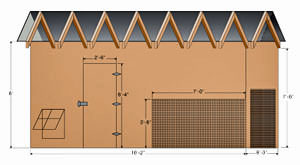
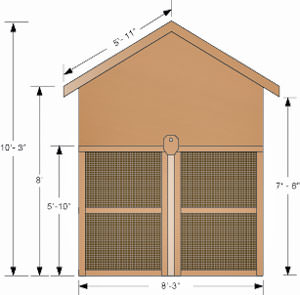
The coop design stands the test of time. The original coop still stands in Kentucky, where Joy’s grandparents lived.

It is easy to clean and maintain. The chickens are well-protected from predators by the strong wire mesh around the bottom and the solid-wood construction.

The design incorporates a fenced run where chickens can access the outdoors and be protected from predators.

The interior of the coop has built-in roosts and nesting boxes with retractable windows for warmth and ventilation. Via a chicken door, the birds can access the fenced run on their own. Check out the plans here, courtesy of Tarter Gate, or view and download them online at www.tartergate.com

There are multitudes of chicken-coop designs available. Use these ideas and plans to jump start your own design creativity or use them to build your chickens a safe and secure home.

Poultry Shed

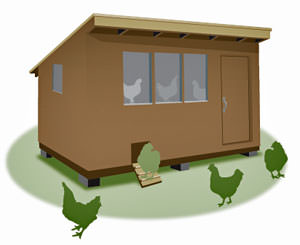
The poultry shed is a simple, affordable design that is easy to build.

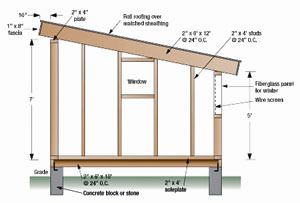
To make the shed even more efficient, build it on skids so it can be moved easily.

Or, build it on piers to provide increased protection from ground predators and to increase the lifespan of the coop’s wooden base.

Windows can be filled with pieces of fiberglass that can be removed for summertime ventilation. If you can find used windows with wooden sashes, utilize them for easy ventilation and to give the coop a finished look.

chicken coop coops
Tom Kimball
chicken coop coops
Tom Kimball
chicken coop coops
Tom Kimball
chicken coop coops
Tom Kimball

The poultry shed also incorporates roosts, feeders, nesting boxes, space for a waterer and a closed-off space for storage of feed and supplies.

The design is best for a small flock of no more than a dozen birds.

You can provide outdoor access by fencing in an area around the coop and allowing your birds to range freely—the comfort of the poultry shed will bring them home at night to roost safely and peacefully. The poultry shed and chicken ark plans are based on those in How To Build Animal Housing by Carol Ekarius.

Categories
Animals Homesteading

Saying Healthy on the Farm: Tell us how you do it

HobbyFarms.com gives tips n staying healthy on the farm
Taking Care Tips
Here’s what Cherie’s trying to do to boost her energy.

1. Get some aerobic exercise … In winter, this usually consists of taking the dogs for a 3 to 4 mile fast walk with my friend and her dogs …

2. Do strengthening and stretching exercises … just lifting free weights a few times a week makes a big difference when I shovel manure, or lift sacks of grain.

3. Take time to relax daily.

4. Get up earlier, go to sleep earlier … like farmers are supposed to do!

Now tell us yours!

How should farm gals and guys take care of themselves?

You spend so much time caring for livestock, gardens and family.

What about taking care of YOU?

What are you doing to make sure you’re staying healthy enough to get all your farm jobs done?

We’re a Pretty Fit Bunch Already
Chances are if you’re doing work around the farm (or your backyard), you’re in pretty good shape already.

We’re not looking for Hollywood makeovers, bikini bods and six-pack abs, or perfect Zen attitudes …

But we could use some advice on what habits you have–or would like to have–to keep your energy and fitness to keep up with your farming activities.

Tell Us How You Do It
As Cherie Langlois says, it’s usually easier to keep promises to yourself if you tell someone about them.

So tell your fellow hobby farmers!

See some of Cherie’s tips at right–and then log in to our message board to add your comments>>

Top

Check out our Online Exclusives for some more activities: build a soil sifter, how-to projects, enjoy Say Cheese! >>


Categories
News

2009 is Year of Natural Fibers

wool -- a natural fiber

Natural fiber lovers: 2009 is our year!

The United Nations declared 2009 as International Year of Natural Fibers.

While people involved in agriculture probably already understand the importance of animal- and vegetable-derived fibers, many people around the world have never considered where fiber-based materials come from.

You might be a small-farm owner, and if that’s the case, you know these fibers also generate income, which is just as important for small-scale farming operations that keep fiber animals for fun as it is for farmers in developing countries.

Events for the Year of Natural Fibers will raise awareness of the value of natural fibers and to promote the sustainability of their production.

The International Year of Natural Fibers kicked off on January 22 at the headquarters of the Food and Agriculture Organization of the United Nations in Rome, Italy.

Another large event will be the first-ever International Day at the New York Sheep and Wool Festival in October.

And check out Keep the Fleece, a competition that will inspire fiber artists from around the world.

According to the International Year of Natural Fibers website.

  • “Since the 1960s, the use of synthetic fibers has increased, and natural fibers have lost a lot of their market share. … Natural fibers form an important component of clothing, upholstery and other textiles for consumers, and many of them also have industrial uses in packaging, papermaking and in composite materials with many uses, including automobiles.”

Top

Categories
Animals

Goats

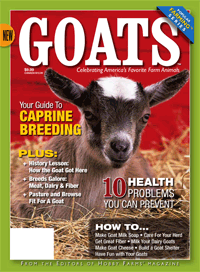
Hobby Farms' Goats


Goats Magazine Table of Contents
Buy Online

Caprine Calling
Goats are one of America’s favorite farm animals, especially among small farmers.

Not only are they adorable and lovable, they are also quite versatile and offer many uses on the farm.

Goats can be used to graze and clear fencerows and fields of obnoxious weeds.

In addition to their grazing prowess, they also provide meat, milk and fiber that we can use to nourish and protect our bodies.

Whether you are interested in meat goats, dairy goats, fiber goats or some of each, Popular Farming’s Goats issue has everything you need to know to start raising goats or to tackle new adventures with your goat herd.

With beautiful photos and in-depth articles, Goats is a must-have for any caprine enthusiast’s library or for the small farmer who is considering adding goats to their farm.

What You’ll Find
As an all-encompassing guide to raising goats, you’ll find helpful and interesting information about all aspects of goat husbandry, breeds, caprine breeding and kidding, daily chores, and even how to insure your goats have quality pasture and browse to feed on, such as the advice offered in “Browse Buffet.”

“If you already keep goats, you’ve probably noticed that these animals bear no resemblance to the eat-everything-in-sight, tin-can consumers of farm mythology. For one, I don’t believe their mouths open wide enough to swallow a can, although they may chew the paper label because it contains wood pulp. But seriously, the goat’s small mouth and mobile lips help make this animal a more selective feeder than a large-mouthed cow or horse. Although they eat many plant types, goats rarely devour the entire plant or ingest every species in sight; instead they excel at selecting the most nutritious parts and picking out the palatable plants from the nasty ones.” –Cherie Langlois

Goats has all the information you need to get started with your caprine herd or to learn more about your existing goat herd.

Meet Your Goat
There are a lot of possibilities when it comes to choosing what type of goats to raise.

From meat goats, such as the Boer goat, to dairy goats, such as Nubians, to fiber goats, such as Pygoras, Goats takes a detailed look at every type of goat and each of the breeds within that type.

Meat goats in particular have gained noticeable popularity with small farmers because of the demand for goat meat is steadily rising. From Boer goats to Savanna goats to rare Myotonic goats and crossbred goats, a breed profile describes the qualities of each while offering husbandry tips to have happy, healthy meat goats.

Meat goats, dairy goats, fiber goats and pet goats are presented in the same detailed format such as that presented in “Get Your Fiber.”

“Pygoras are the smallest of the fiber breeds, with a minimum height of 18 inches at the withers for does and 23 inches for bucks. They are prolific breeders, with twins being the average each year. They also tend to have excellent milk production. These characteristics are likely inherited from their Pygmy goat ancestors, who were selected for their reproductive traits rather than their fiber … The Pygora also gets most its well-muscled body style from its Pygmy genetics rather than from the more willowy Angora. They are extremely hardy and have oodles of personality. They are probably too small for meat production, but their fleece is well identified and defined.” –Ellie Winslow

If you are still looking for more information about breeds, breeding, kidding or taking care of goats, each article provides links and sources, but you can also turn to the Resources section for an in-depth listing of breed organizations, supply houses, veterinarian organizations, periodicals, and much more.

How To …
From kidding to milking to making goat cheese to building a stanchion or recognizing a sick goat, there’s a lot to know about keeping goats. Popular Farming’s Goats issue can offer help.

Get detailed do-it-yourself plans and instructions about how to build a stanchion, a manger and a field shelter—essential equipment for anyone with goats. Also, get a veterinarian’s advice on how to recognize sick goats as well as how to treat and prevent the top 10 most common illnesses in your herd in “To Your Goat’s Health.”

“It is difficult to bear when a member of your goat herd is sick. But even more difficult is noticing when a goat is ill. How do you know if your goat is sick? Many illnesses show only subtle signs, but the attentive herd manager knows his animals so well that those subtle changes in attitude and behavior will get his or her attention. Early detection can be followed up with a more thorough evaluation of the animal’s condition.” –Lorrie Boldrick, DVM

Learn how to milk your goat, make goat cheese and butter, care for your herd, plus get great goat fiber and much, much more in Goats.

The Dynamic Goat
Although raising goats is enjoyable in of itself, there is a lot of fun to be had outside the farm as well—and there are number of ways to do it!

You can start by showing your goats with your local 4-H club or in region shows and state fairs. Goats will give you the details and resources you need to your goat on the road to all the shows in “A Goat of All Trades.”

“When it comes to 4-H, goats are among the most fun and rewarding for projects. These projects are designed to teach young animal-keepers the best way to care for and enjoy their charges … Showing is one of the most popular activities involved with 4-H goat projects … Adult handlers can also join in on exhibition fun. State fairs offer an excellent chance to be involved in showing goats.” –Audrey Pavia

Or how about pack goats? Goats are one of the best animals to use as pack goats because of their size and ease of handling. Learn how to teach your goat to carry packs on a day hike or a backpacking trip in to the backcountry.

If you’re looking for something a little slower-paced, try volunteering your favorite goat as a therapy animal for troubled children or the elderly. And of course, all goat lovers enjoy caprine collectibles, such as vintage photos of goats with carts, old goat bells, spinning wheels, milking machines or vintage prints. Discover the many ways to enjoy your goats.

There’s a lot to learn about goats; Popular Farming’s Goats is loaded with information from goat lingo to breeder resources and goat first-aid kits—it’s an essential resource for anyone interested in raising goats.

Contents

The World According To Goats
For centuries goats have been central to human life. Learn more about their role in world history.
By Sue Weaver

Meet the Meat Goats
Meat goats are the money makers of the goat world. Find out if these brawny breeds are right for your hobby farm.
By Sue Weaver

Dairy Delights
Dairy goats provide delectably nutritious milk. Discover how to raise, milk and start a business with your dairy herd.
By Cherie Langlois

Get Your Fiber
Interested in spinning fiber goats into your farm? Read on to see if you need a little fiber in your life.
By Ellie Winslow

Caprine Care
Goats are quite independent, but don’t be fooled—they still need your love and care. Learn the caprine care basics with this guide.
By Cherie Langlois

Browse Buffet
Goats are picky eaters, but they can still nibble on things they shouldn’t. Keep your caprines healthy with this pasture primer.
By Cherie Langlois

Gimme Goat Shelter
Goats are tough, but they still need reliable shelter and equipment to be managed properly. Custom-build your own goat equipment with this step-by-step guide.
By John Barbagello

Breeding Basics
There’s a lot to know about breeding goats. Be sure to understand the breeding basics before you have herds of cuddlesome kids.
By Susan Schoenian

To Your Goat’s Health
Goats can suffer a variety of illnesses. Get a vet’s advice on how to keep your goats happy and healthy.
By Lorrie Boldrick, D.V.M.

Milk That Goat: Dairying 101
Goat’s milk is popular for its nutritional value, great taste and digestibility. Learn how to make your own goat milk products.
By Carol Ekarius

Lather Up With Goat’s Milk
Make your own soap and discover how goat’s milk nourishes us—inside and out.
By Gina Napoli

A Goat of all Trades
From 4-H show goats to pack goats to pet goats—there’s nothing goats can’t do!
By Audrey Pavia

Caprine Collector
If you love goats, you’ll love goat collectibles. Explore what you can add to your caprine collection.
By Autumn Foushée

Glossary
Goat jargon explained.

Resources
Check out these caprine resources to help you learn all about goats, plus find some nifty goat supplies.

Test Your Caprine IQ
Try this crossword puzzle to see how much you know about your four-legged friends!

Why We Love Goats…

All Publications

Categories
Animals

Sheep


Hobby Farms' Sheep


Preview Contents
Review Other Popular Farming Issues

An Ovine Calling

Sheep are one of America’s favorite farm animals, especially among small farmers.

Not only are they adorable and lovable, they are versatile and offer many uses on the farm.

Sheep can be used to graze and clear fencerows and fields of obnoxious weeds. In addition to their grazing prowess, they also provide meat, milk and fiber that we can use to nourish and protect our bodies.

Whether you are interested in adding sheep to your flock or in starting an ovine flock, Popular Farming’s Sheep has everything you need to know to start raising sheep or to tackle new adventures with your flock.

Top

What You’ll Find
As an all-encompassing guide to raising sheep, you’ll find helpful and interesting information about all aspects of ovine husbandry, breeds, breeding and lambing, daily chores, and even how to ensure your sheep have quality pasture and browse to feed on, such as the advice offered in “Pasture Perfect.”

“For small sheep raisers, there are some simple rotational grazing rules you can follow to achieve pasture benefits. The Two-Ten method is a good example. In the Two-Ten method, you move your sheep into a pasture just as the grass reaches 10 inches (or the tops of your mud boots) and move them out of the pasture when the grass height has been nibbled down to two inches. Rest periods of at least 28 days will allow the pasture to rejuvenate and will kill many parasite larvae before the flock returns.” –Lisa Anderson Mann

Sheep has all the information you need to get started with your ovine flock or to learn more about your existing woollies. If you haven’t started your flock, you’ll find a wealth of information about the myriad sheep breeds in Popular Farming’s Sheep.

Top

Meet Your Sheep
There are a lot of possibilities when it comes to choosing which breed of sheep to raise. From sheep raised specifically for meat or milk, or only for wool, there is an abundant selection of breeds to choose from. Get a taste of the many sheep breeds in Sue Weaver’s “Sheep, Sheep, Beautiful Sheep.”

“‘So many sheep, so little time!’ That’s the rallying cry of America’s dyed-in-the-wool sheep fanciers as they choose which breeds to add to their hobby-farm flocks. With more than 65 beautiful breeds to select from, it can be a daunting task…Border Cheviot-type sheep were established on the windswept Cheviot Hills between Scotland and Northumberland in England as early as 1372. They are short, blocky, alert sheep with wool-free heads and Roman-nosed faces accented by horse-like, upright ears …The Cheviot’s medium-wool fleece is dense, springy and resilient; its meat is mild and tasty …” –Sue Weaver

If you are still looking for more information about breeds, breeding, lambing or sheep husbandry, each article provides links and sources, but you can also turn to the “Resources” section for an in-depth listing of breed organizations, supply houses, veterinarian organizations, periodicals and much more.

Top

How To …
From lambing to milking to making sheep cheese or recognizing an ill sheep, there’s a lot to know about keeping sheep. Popular Farming’s Sheep can offer help.

Get detailed, do-it-yourself tips and on how to move and handle a flock or an individual sheep, how to bottle feed an orphan lamb as well as how to spin your flock’s fiber. Also, get a veterinarian’s advice on how to recognize sick flock members, as well as how to treat and prevent the most common illnesses affecting your sheep in “Flock to Good Health.”

“It’s the nature of sheep to accept pain with little complaint, so even if they are quite ill, it is often overlooked by many shepherds. One must become an educated and careful observer to detect and treat sheep illness in the early stages.” –Clell V. Bagley, DVM

Top

The Renaissance Sheep
Sheep are a valuable asset for any size farm.

They provide so many resources from pasture management through grazing to milk for cheese and yogurt to meat and wool that can be sold off the farm.

Sheep provide the farmer with the resources they need to make their own value-added farm products such as cheese, yogurt, meat, yarn, woolen garments and more. In Popular Farming’s Sheep, you’ll find information about all of these opportunities and how you can find your niche in the sheep market. Take a look at “A Wooly Venture” for even more information about starting your own sheep business.

“Sheep are one of the most versatile livestock species for a small farm. They can produce delicious meats such as lamb and mutton; wool in many colors and qualities; and milk for cheese and yogurt. They are used for forage control and pasture improvement, and they make great youth livestock projects and pets. A farm business that features sheep as the central focus or that includes sheep as part of the total business plan can encompass one or more of the benefits of raising sheep. Planning a business, whether it is a farm business or any other type, requires several key steps.” –Matt John

There’s a lot to learn about ovine husbandry; Popular Farming’s Sheep is loaded with information from sheep lingo to breeder resources and sheep first-aid kits—it’s an essential resource for anyone interested in raising sheep.

Top

Contents

A Woolen World
Sheep have been vital to human life since the earliest recorded history. Learn how sheep have influenced human history.
By Sue Weaver

Sheep, Sheep, Beautiful Sheep!
With a bounty of ovine breeds, it’s hard to choose just one. Find out if one (or more!) of these breeds will fit your farm.
By Sue Weaver

In Jeopardy
Heritage sheep breeds are hardy, prolific and beautiful. They’re also crucial to the survival of all sheep. Can you help preserve these rare ovines?
By Arie McFarlen

The Sheep Behind the Fleece
Despite stereotypes, sheep are intelligent and curious animals that can be handled with ease if you know the right techniques. Get an expert’s advice on how to understand your flock.
By Susan Schoenian

The Lambing Life
If breeding sheep is on your list of goals, review our breeding tips before you begin.
By Susan Schoenian

Pasture Perfect
The health of your pasture directly affects the health of your flock. Find out how to provide your sheep with a healthy buffet.
By Lisa Anderson Mann

Sheep Management 101
Ovine care isn’t complicated, but with a few tips, daily management can be even easier. Learn how to keep your sheep happy and healthy.
By Cherie Langlois

A Wolf in Wool
Without strong defense mechanisms, sheep can be vulnerable to a number of predators. Learn how to foil the predators lurking around your pastures.
By Lisa Anderson Mann

Flock to Good Health
Sheep can suffer a variety of ailments if not managed properly. We offer a veterinarian’s advice on how to treat and prevent illnesses in your flock.
By Clell V. Bagley, DVM

A Woolly Venture
Starting your own sheep business doesn’t have to be a risky venture. Identify your niche in the sheep market and get started.
By Matt John

Spinning a Yarn of Your Own
From “sheep to shawl,” creating your own woolen garments from your sheep’s wool is a shepherd’s delight and a handspinner’s dream.
By Adrianne L. Shtop

“You Milk … Sheep?”
Delicious cheeses can be made from sheep milk. Take advice from a professional cheesemaker on how to make your own delectable sheep cheeses.
By Jodi Ohlson Read

Ovine Joy
Enjoy your sheep! From orphan lambs to training herding dogs, you’ll love the many ways to have fun with your flock.
By Sue Weaver

Glossary
Ovine lingo explained.

Resources
Breed associations, veterinary organizations, supply houses and more.

Why We Love Sheep …

Top


Back to All Popular Farming Series Publications

All Publications