Categories
Animals

Viva La Spanish Goat

When Christopher Columbus’ fleet of 17 ships sailed from Cadiz on Sept. 25, 1493, it carried 1,200 settlers and everything needed to colonize the New World Columbus had discovered on his first voyage, including dogs, cats, chickens, horses, donkeys, cattle, pigs, sheep and goats.

When the fleet reached Hispañola (the island that now comprises Haiti and the Dominican Republic), the goats that Columbus’ crew unloaded became the first to set foot on the New World’s soil—but they certainly weren’t the last.

Goats played a primary role in Spanish exploration and colonization.

Spanish sailors salted islands along nautical routes with pigs and goats, knowing they’d survive and multiply, the better to provide fresh meat on subsequent trips; goats accompanied land route explorers as a walking meat supply, escaping, at times, to establish feral populations.

And Spanish colonists loved the hardy goat. While other species such as cattle and sheep required grass to survive, the tough, adaptable goats grazed brush, scrub and brambles—and they thrived.

In 1539, Don Francisco Vàzquez de Coronado marched north out of Mexico with 83 wooden-wheeled wagons, 336 soldiers and settlers, five Franciscan padres, 552 horses, 600 mules, and 5,000 sheep and goats to settle Nuevo México.

Fifty-six years later, Don Juan de Oñate rode north with more soldiers, settlers and livestock, including 2,517 churra sheep and 846 goats.

Then in 1691, Don Domingo Teran de los Rios led an exploratory expedition to East Texas, bringing with his party some 1,700 sheep and goats; he was followed in the spring of 1721 by a colonizing party led by the Marqués de San Miguel de Aguayo, who recruited 500 settlers and collected 2,800 horses, 4,800 head of cattle, and 6,400 sheep and goats to settle East Texas.

During the mid-1700s, the Franciscan Order of the Catholic Church established missions in Texas, as well as a series of 21 missions stretching north and south along the coastline of California.

Each mission maintained a herd of goats.

In 1832, the California missions collectively owned 1,711 goats, but it was in the harsh, arid Southwest that Spanish goats truly thrived. By 1767, Father Gaspar José de Solis reported 17,000 head of sheep and goats at the San Antonio missions alone.

Meanwhile, Spain dispatched explorers and colonists to Spanish Florida, and with those parties went stalwart Spanish goats.

Spanish Florida included parts of modern-day Alabama, Louisiana and Mississippi, an area and climate alien to goats from arid Spain, but they adapted—quickly—to the hot, steamy American Southeast.

Until the Mayflower landed at Cape Cod in November of 1662, the only goats in all of North America were Spanish goats.

The Brush Goat Era

Ranchers in the Southwest call them Spanish goats, but in the Southeast they’ve gone by many different names: wood goats in Florida, briar goats in the Carolinas, hill goats in Virginia and scrub or brush goats everywhere throughout the South.

As time passed and even after other types came on the scene, Spanish goats remained the goat of choice in these regions. Always tough, hardy and infinitely adaptable, they didn’t demand the pampering and supplemental feeding European goats needed. They were kings at what they did best: clear brush.

Spanish goats flourished from the Pineywoods of Florida through the rugged Appalachians and west across the Upper South to Texas and beyond, and they didn’t need man’s help to do it. Ranches in the Southwest covered thousands of acres that, untended, ran to cactus and brush. To keep it open and productive for cattle and sheep, brush control was (and is) an ongoing process—and that’s where Spanish goats shine.

While most Spanish goats were kept for brush control, their hides were used for leather and their meat made fine eating, too. Cabrito, kid-goat barbeque, is still a favorite, festive meal in the Southwest and most ranchers who kept goats also ate them.

Angora goats took Texas by storm in the late 1800s. Ranchers who were already involved in raising sheep found fiber goats even easier to raise. A lot of Spanish goats lost their jobs to Angoras, but only for a while, until ranchers discovered Spanish goats were better brush grubbers than their wooly kin, whose locks liked to tangle (and get ruined) in the scrub.

The Golden Age of the Angora lasted until 1993, when Congress passed a bill implementing a three-year phase-out of the Wool Act of 1954, a program that helped subsidize the fiber industry.

Over the next few years, large-scale breeders phased out thousands of fiber goats and began casting around for something to take their place.

At the same time, United States demographics were changing and a new group of goat-eaters emerged. Middle Eastern immigrants, Asians, North Africans and Latinos from around the globe were all used to eating goat meat, especially on religious holidays and special occasions.

To supply their needs, in 1989 alone, the United States imported 1,200 metric tons of frozen or chilled goat meat
valued at $1.7 million. Why not supply that demand here at home?

Brush goats became meat goats overnight. Some ranchers already selected for muscle and meatiness within the Spanish goat population, so Spanish meat goats filled an existing market.

In the Southwest, where they’d always been the goat of choice, ranchers began raising them on a grander scale: Herds of thousands graced many a Texas ranch.

Spanish goats were the only meat goats in America, save meaty-type Myotonics (fainting goats) in a few parts of the United States, until 1993, when the first North American-born Boer goats were released from quarantine in Canada and sold to breeders throughout Canada and the United States.

Right from the start, Boers were big—very big. Soon, breeders and ranchers mortgaged the farm to pay astronomical prices for the red-headed, white-meat goats from South Africa.

Many bought a Boer buck (or a partbred Boer buck if a purebred wasn’t in their budget) and took him home to “upgrade” their Spanish herds. Boer-Spanish kids were meatier than their mothers and hardier than their South African dads; soon red-headed kids brought a premium at every sale barn.

Meat-goat ranchers bred first generation and second generation does back to Boer bucks—and then something odd started happening.

As the percentage of Boer in each generation increased, offspring lost the hardiness that enabled ranchers to raise Spanish goats with minimal intervention.

Parasite resistance was all but lost, does began experiencing kidding problems and trimming hooves became a routine chore.

So, many large-scale goat ranchers went back to crossing low-maintenance Spanish does with Boer bucks to create fast-gaining, first-generation hybrid meat goat kids for the terminal market.

Predictably, as Spanish billies were replaced with Boer bucks, fewer Spanish kids were born. In 1990, there were 280,000 of these goats in Texas alone; in 2007, when the Spanish Goat Association was formed, only an estimated 5,000 to 6,000 remained in the entire United States.

What Is a Spanish Goat?

In some parts of the United States, the term “Spanish goat” is used to describe any rangy goat of mongrel breeding. However, “purebred Spanish goat” is not an oxymoron.

A handful of ranchers and breeders in Texas and the Southeast maintained closed herds for decades; these are today’s true Spanish goats. Others in those regions outcrossed to other breeds to some degree, but the goats they produced are of interest to Spanish goat breeders, too; the old blood runs in their veins, so they’re prime candidates for upgrading programs.

The purebred Spanish goat is a very old landrace breed shaped by natural selection and geographic isolation, so Spanish goats vary from one region (and even one ranch) to another.

However, the American Livestock Breeds Conservancy, in conjunction with the Spanish Goat Association, established the following guidelines:

  • Head Profile is usually straight or slightly convex.
  • The ears are moderately long and usually fall horizontally, but close to the head, and alongside the face rather than out to the side. Long ears out to the side are more typical of a Nubian cross, which is a common cross with these goats.
  • Horns Usually long, on bucks they tend to flare up, out laterally and twist at the tips. The large size and lateral twist are very typical.
  • Body Spanish goats are usually somewhat rangy and large-framed, rather than compact and cobby. In select lines, the rangy frame is well-filled so that meat conformation is good.
  • Feet and legs The feet are usually sturdy with upright, strong pasterns. Legs are generally straight from front and rear view, with some tendency to be “cow hocked” (a conformational defect where the points of the hock are close together and the fetlocks are wider apart than normal).
  • Hair Coat Usually short; some have longer hair, especially on the lower body and thighs. Some lines produce heavy, cashmere coats.
  • Color All colors are acceptable. Some colors that occur in pure examples can resemble the colors in other breeds, but are no indication of crossbreeding unless accompanied by other conformational evidence.

Evidence of Crossbreeding

This varies with the type of goat introduced:

  • Nubian cross:
    Large, horizontal or drooped ears that fall straight out to the side of the head. Thick, heavy, but short, horns.
  • Boer cross:  Similar to Nubian.
  • Angora cross: Ears similar to Nubian crosses, with excess hair.
  • Alpine or other Swiss dairy crosses: Shorter ears, usually upright rather than horizontal. Heavy, long horns with less twist than pure Spanish goats.

What Spanish goats of all shapes and sizes have in common is the rawhide-tough ability to survive.

Kept on the rocky soil of the Southwestern states, Spanish goats’ hooves rarely (if ever) need trimming. They’re parasite resistant, even on today’s small farm. Does kid twins and triplets with ease, and raise their young without assistance. This breed survived for centuries with very little help from humankind, making it America’s best choice for minimal-intervention goat production programs.

Spanish Goats Can Do

Spanish goats are productive.

Between September 2003 and August 2005, researchers at Tennessee State University exposed 66 Boer, 51 Kiko1, and 51 Spanish does (all were 94- to 100-percent pureblood) to bucks of their own breed in a study designed to assess doe reproductive performance on southeastern United States pastures.

The does were managed together under semi-intensive conditions and kids were weaned at three months.

Only 82 percent of the Boer does delivered at least one live kid, while 96 percent of the Kikos and 92 percent of the Spanish does produced at least one living kid. Litter sizes (1.9 kids each) and litter weight (6.03 kg) were the same across the board for all three breeds. However, only 72 percent of the Boer does weaned at least one kid (with a litter size at weaning of 1.55 kids), while 93 percent of the Kikos and 88 percent of Spanish does weaned at least one kid, with litter size at weaning of 1.69 for Kiko and 1.79 for Spanish does.

But that’s not all: More than one-fifth of the Boer does (21.5 percent) died or were culled for infertility or chronic health problems; Kikos enjoyed a survival rate of 99.1 percent and 93.9 percent of the Spanish does survived.

All of the does were dewormed twice a year, but based on fecal testing, 54 percent of the Boer does required additional deworming (their samples averaged parasite egg counts of 521.7 eggs per gram) compared to 10 percent of the Kikos (at 298.1 eggs per gram) and 17 percent of the Spanish does (only 181.3 eggs per gram).

Almost all of the Boer does were treated for hoof scald or hoof rot twice, compared to 58 percent of Kiko and 79 percent of Spanish does treated once.

The figures don’t lie: Kiko and Spanish does are considerably more parasite resistant, less prone to lameness and more likely to raise kids to weaning age.

Teasel and Me

While researching “The Challenges of Raising Rare Breeds” (Hobby Farms, May/June 2007), I enjoyed a long telephone conversation with Don Schrider, communication director for the American Livestock Breeds Conservancy.

We spoke of Marsh Tacky horses, endangered hogs (“Southern Heritage Hogs” Hobby Farms, July/August 2008) and, finally, Spanish goats.

“Breeding to Boer goats has almost wiped out the pure Spanish goat,” he said.

That made me stop and think. When we moved to the southern Ozarks in 2002, we saw herds of Spanish goats wherever we went.

We still see some Spanish does, but now they’re pastured with Boer bucks. As they die or are culled for age, they’re replaced with their part-Boer daughters.

When we moved here, one of the highlights of going to town was passing an Ozark hill farm where a magnificent Spanish buck with huge, twisty horns led a herd of handsome Spanish does.

Soon after our arrival, a Boer took the big buck’s place. Still, I had my eye on a favorite, long-horned, cream-colored doe and over the years I’ve picked her out whenever we drove by.

In June 2007, we stopped to chat with the Ozark farmer who owns the goats, as we often do.

As usual, I comment on my favorite doe. Her owner says, “I’m taking her to the sale next week.”

Of course I bought her and now I have my own Spanish goat.

I named her Teasel because she’s as tough and as beautiful as a teasel flower, and, unfortunately, every bit as wild.

I love goats. I have goats of several breeds, including Boers, and Boer goats are my passion. However, my girls are expensive pasture ornaments instead of breeding stock because we can’t bear to lose any more of them during kidding.

Rangy, rugged Teasel has lived among Boer royalty for exactly one year, consuming the same feed and sharing their housing.

Based on fecal testing, she has yet to be dewormed and we’ve never had to trim her hooves.

When the Boers and my Nubian dairy queens hunker down under a tree in the yard and wait to be fed, Teasel marches past them out to the pasture to munch brush and, sighing, the others get up and follow.

When something unusual happens, Teasel is the sentry who issues a warning call.

The difference is like night and day. Teasel is a rugged, resourceful, go-getter and my beloved Boers are caprine cream puffs.

Which would I choose if I were still raising goats? Spanish—in a heartbeat!

Saving the Spanish Goat

Recently, the American Livestock Breeds Conservancy, concerned about the dwindling number of purebred Spanish goats, placed the breed on its Conservation Priority List and encouraged a contingent of long-time breeders to form a breed association and registry for Spanish goats.

Formed in August of 2007, the current mission of the Spanish Goat Association is to locate America’s remaining purebred Spanish goats and to encourage the conservation breeding of America’s own meat goat breed.

So far, the organization has located and documented about 5,000 purebred goats and 12 bloodlines within the Spanish goat population. A registry is still evolving as members determine what type of herd book will best serve the breed.

At this writing, 16 farms and ranches and two universities are listed on the Spanish Goat Association’s breeders’ list: 11 in Texas, two in Tennessee and one each in Mississippi, North Carolina, Wisconsin, Montana and California. Additional conservators are needed. Visit www.spanishgoats.org for more information.

1 Kiko goats were developed by the Goatex Group LLC of New Zealand. Beginning in 1978, with feral goats much like America’s Spanish goat, developers maintained their seed stock in a stark, low-intervention manner and culled less-productive traits over a four-generation period before marketing the results as Kiko goats. The Kiko is a hardy, productive meat goat with many traits in common with purebred Spanish goats. They are not, however, a heritage breed.

Categories
Recipes

Chocolate Strawberry Shortcake

Make delicious Strawberry Shortcake from Hobby Farms
Recipe and photo courtesy Rhoda Peacher

Tip: Some recipes for strawberry shortcake call for using chopped berries sprinkled with sugar, but chopping the berries doesn’t create that biscuit-soaking juice. I’ve found that the best way to prepare berries for shortcake is to bruise them well with a potato masher.You don’t want all the berries mashed, but you want most of them bruised sufficiently to yield their sweet juice into the mixture. If needed, add sugar or honey to taste, depending on your preference, and chill for a few hours before serving.
~ Lynda King, HF Country Fare


A great twist on strawberry shortcake: A light, baking powder biscuit covered with berries and soaked in juice, and slathered with whipped cream—with a happy helping of a lovely strawberry companion—chocolate!

Ingredients

Shortcake

  • 2 cups all-purpose flour
  • 1/2 cup sugar
  • 2/3 cup Dutch process cocoa powder
  • 3 tsp. baking powder
  • 1/4 tsp. salt
  • 1/2 cup butter
  • 1 cup + up to 2 T. milk

Filling

  • 4 to 5 cups fresh strawberries
  • 1/4 cup sugar
  • 1 cup whipping cream, whipped
  • chocolate sauce, as desired

Chocolate Sauce

  • 4 oz bittersweet chocolate chips
  • 1 tbsp butter
  • 1/8 tsp vanilla
  • 1/4 cup cream

Preparation
Preheat oven to 400 degrees F.
Grease two, 8-inch round cake pans.
In large bowl, combine flour, 1/2 cup sugar, cocoa powder, baking powder and salt.
Using a pastry blender, cut butter into the mixture until the consistency resembles coarse crumbs.
Stir in 1 cup milk with fork until mixture is just moistened (you may need to add extra milk for the mixture to blend evenly).
Using your fingers, spread into prepared pans.
Bake at 400 degrees F for 15 minutes, or until cake begins to pull away from sides of pans.
Cool 15 minutes; remove cakes from pans. Cool completely.

Reserve five whole strawberries for garnish.
Wash, hull and halve remaining strawberries.
In large bowl, combine halved strawberries and 1/4 cup sugar.

To make the chocolate sauce, place chocolate chips, butter, vanilla, and cream in a glass bowl.
Melt for 10 seconds on full power in the microwave.
Remove and stir. Repeat for 10 more seconds, remove and stir. If the mixture is not completely melted, continue in 10 second increments. Be sure to stir thoroughly each time so the chocolate doesn’t get too hot (which will ruin the consistency).

Place 1 shortcake bottom-side up on serving plate.
Top with half of strawberries and half of whipped cream.
Drizzle with a few tablespoons of chocolate sauce, to taste.
Place the other shortcake on top of this, right-side up.
Top with remaining prepared strawberries and whipped cream.
Garnish with reserved whole strawberries.
Drizzle with more chocolate sauce to taste. You may not need a whole recipe’s worth of chocolate sauce; the remainder is also good over ice cream!
Serves up to 10.

Categories
Animals Large Animals

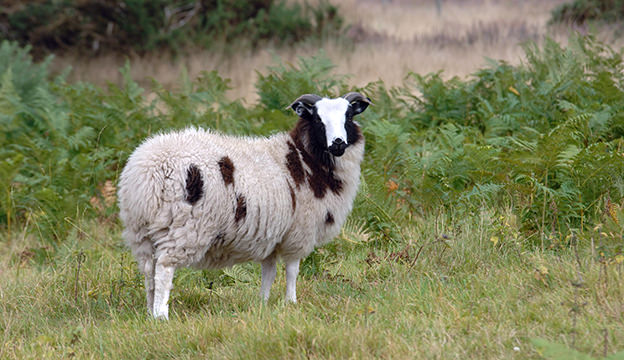
Spot On: Jacob Sheep—A Unique Sheep Breed

With impressive horns and unusual coloring, Jacob sheep usually cause folks to take a second look. The history of this unique breed is just as fascinating and colorful.

Jacob sheep originated in what is now Syria and Iraq, more than 3,000 years ago. One of the oldest sheep breeds, the Jacob is named for the Biblical father of the 12 Hebrew tribes. Jacob, son of Isaac, was the first person in recorded history to practice selective breeding of livestock.

Biblical History

As the Bible story relates, Jacob cheated his younger brother Esau out of his birthright, and tricked his elderly blind father into giving him a blessing that was supposed to go to his brother. Esau swore to kill him for that, so Jacob fled to his Uncle Laban’s farm far to the east, on the plain of Aram. (Aram is the Hebrew name for ancient Syria.)

Jacob fell in love with Laban’s younger daughter, Rachel, and asked for her hand in marriage. The uncle agreed, if Jacob would work seven years tending Laban’s flocks of sheep and goats. But after seven years of work, Laban gave him the older daughter, Leah, instead. Jacob had to work another seven years for Rachel.

Jacob’s wives bore him 12 sons who later became patriarchs of the 12 tribes of Israel. The eleventh son was Joseph, his favorite. Jacob gave him a coat of many colors, and the jealous older brothers sold Joseph to slave traders headed for Egypt. They told their father he’d been killed by a wild beast.

Jacob had worked for his uncle for 20 years by the time Joseph was born, and Jacob asked Laban to let him and his family go back home. But Laban didn’t want him to leave. Jacob was a good herdsman and Laban’s sheep and cattle had thrived under Jacob’s care. Laban begged him to stay, and told Jacob to name his wages. So Jacob agreed to keep feeding and tending the flocks if he could have all the spotted and speckled sheep and goats.

The Biblical story describes how Jacob had a dream in which God instructed him to use only spotted rams for breeding, and this resulted in a flock that soon consisted almost entirely of spotted offspring. This Biblical reference is one of the oldest documented examples of selective breeding. To accomplish his purposes, Jacob built corrals at the watering spots and confined selected ewes with a spotted ram.

Eventually he took his family and large flock of spotted sheep back to Canaan. Later as an old man, Jacob moved his family and flock to Egypt. Thus the Jacob sheep came to Egypt, and eventually into most of North Africa. From there they went to Europe when the Muslims invaded and conquered Spain in the 8th century. From Spain and North Africa some of these colorful sheep were eventually taken to England, where they survived as a distinct breed.

Breed Characteristics

Because of their striking appearance, the Jacob sheep were soon noticed by English noblemen and imported as a novelty for use as ornamental animals. Jacob sheep have graced the large estates and country homes of England for many centuries; their impressive horns and color contributed to their popularity and survival. The British Jacob was primarily an ornamental park animal, and as such was not improved (selectively bred for increased meat and wool production) as much as modern breeds, according to Janine Fenton, who breeds Jacobs at her home in Fort Collins, Colo. Until very recently, the Jacob has not been genetically changed; it retains most of the hardy characteristics of its ancient ancestors.

There are other breeds of multi-colored sheep in various parts of the world, most of them bearing more than one set of horns. The double-horned characteristic, called polycerate, is common in sheep originating in the Middle East. Some of these spotted, horned breeds also spread to Europe, but most of them disappeared by the l900s.

The first Jacobs imported to the United States were for game parks and zoos in the early 1900s. Some went to roadside zoos and exotic animal farms, and some were crossed with other breeds, diluting the Jacob’s unique genetics. The gene pool was then augmented by more imports from Britain during the 1950s and 1960s.

“Unlike many other ancient breeds, the Jacob has not been improved to satisfy the commercial marketplace,” says Fenton.

Jacobs have a more primitive body shape, are fine boned and yield a lean carcass with very little external fat.  Carcass yield is very high, compared with more improved breeds; there is very little waste.

“Ewes need less supplemental feed than other sheep during times of nutritional stress, and usually lamb with no assistance. Newborn lambs are very vigorous, up and nursing quickly without help,” says Fenton.

Jacob ewes are included in many commercial flocks in England because of their hardiness, ease of lambing, strong mothering instinct and very little need of the shepherd’s time and assistance.

Breed Standard

Many sheep are called Jacob sheep, but they may have no resemblance to the true Jacob, except for having four or more horns, or producing an occasional spotted lamb. Just because a sheep is spotted or polycerate (having more than one set of horns) does not mean it is a Jacob.

The Jacob is basically a white sheep with random-colored markings, but the markings are clearly defined, with no mottling. The legs have short hair. Spotted sheep with wool below the hock are the result of crossing with other breeds. Merino sheep have spots and woolly legs, and some of the modern sheep breeds with Merino ancestry (Rambouillet, Columbia and Corriedale) occasionally have lambs with spots, woolly legs and sometimes wool forward of the horns. Dorset and Barbados crosses may also have spots. These sheep mature larger than a Jacob, however. A Dorset cross might not grow as large as a Merino type, and can be harder to differentiate from a true Jacob, except it would have a tendency to lose its color.

In the Jacob, there is no wool forward of the horns. Horns are black, or black and white striped, but never white. The face has large, symmetrical eye patches and a dark muzzle. Ears are small and erect. Tail is medium length. Wild sheep have short tails (about four inches long), while domestic sheep have long, heavily wooled tails that are generally docked. The Jacob tail is in between, reaching only to the hock. Hooves are black or striped. The most obvious clue to the purity of a Jacob is its offspring. Lambs are always spotted. If a ewe produces a black lamb (or black with a few white markings on the extremities) probably only one of the parents is a pure Jacob.

Jacob Sheep In America

The Jacob sheep today in North America is a small- to medium-sized sheep. Adult ewes range in size from 80 to 140 pounds; rams weigh up to 180 pounds. Color is basically white with lilac or black spots. Skin is pink under the white fleece and black under colored areas. Legs and face are free of wool. Jacob sheep never have black legs; their legs are white with black spots (usually black knee patches).

Since Jacobs have the polycerate gene, individual animals may have two, four or six horns. The rams have the most spectacular horns, which can reach 30 inches or more in length. Jacob fleeces are light with very little grease. Because of the spots, fiber from a single fleece can be spun into material with a complete spectrum from white through gray-lilac to black, and these fleeces are very popular with hand spinners. The colors can be blended or separated to give uniformity of color or a plaid effect in the finished sweater, scarf, shawl or mittens.

Preserving the Breed

In 1976, several people interested in preserving ancient breeds became aware that there were Jacobs in the United States. These sheep were purchased by breeders who wanted to preserve rare, domestic livestock. Ingrid Painter, who raises Jacob Sheep at her Puddleduck Farm near Redmond, Wash., says the Jacob Sheep Society of Britain formed a branch of their association in 1982 to record Jacob sheep in America that passed photographic inspection. Additionally, the American Minor Breeds Conservancy started identifying and recording Jacobs in 1985 and published the Foundation Flock Book in 1986. In 1988, the American Minor Breeds Conservancy helped interested individuals form the Jacob Sheep Breeders Association (JSBA) and registry. The first JSBA flock book was published in 1989 with 400 animals inspected and registered. From these humble beginnings the breed has grown and gained popularity.

Jacobs in the United States today are descendents of early imports dating back to the turn of the century, plus additional imports in the 1950s and two more in the late 1970s. These later imports provided some much needed new bloodlines, and were larger and heavier boned than the earlier population. The Jacobs in Britain before 1969 (when the Jacob Sheep Society there was formed) were also smaller and lighter boned than those in Britain today. The British Jacobs today can compete with commercial breeds for size and wool quality and are no longer considered an endangered breed or a primitive sheep.

Has this come about through selective breeding or the deliberate crossing with commercial breeds such as the Dorset Horn? Painter believes that there are many tell-tale signs that the latter is true. “By ‘improving’ on an existing breed, it is easy to lose sight of the very reasons that first attracted a person to them,” she says.

Advantages of Primitive Sheep

The advantages of the Jacob sheep in a commercial operation are actually the very characteristics that make them an “unimproved” breed. They are small and hardy, economical to feed and have few health problems. On pasture, stocking rates for Jacobs are about six sheep per acre, compared to about five per acre with the larger breeds. The small, fine-boned Jacob has no lambing problems in contrast with the improved breeds that often need birthing assistance. Jacob ewes are also good mothers, and often have twins and occasional triplets.

Selective breeding to create more weight and meat in modern sheep breeds has its disadvantages, such as creating more lambing problems. The ancient Jacob has conformation more like a wild sheep, with more sloping hindquarters than modern sheep breeds. “Through selective breeding, this slope has been raised, allowing the leg muscle to increase in size,” says Painter. “This is the most valuable cut of meat on the carcass. Altering the tilt of the pelvic bones means that the slope of the birth canal has also been changed. So lambs entering the birth canal in improved breeds have to rise upward before they can be delivered outward, instead of slithering downward and out, unassisted, as in sheep with sloping docks.” For a few extra pounds of “leg of lamb,” modern breeds have had to sacrifice easy births.

The biggest drawback in showing Jacob sheep is that most judges tend to place as winners the sheep with larger leg muscles and tails carried well up. But as Painter says, “judges are never present at lambing time!” The change in the slope of the hindquarter is probably the most noticeable difference between the older and newer Jacob.

The udders on Jacob ewes are small, yet they give plenty of milk. Jacobs with large pendulous udders are probably not pure Jacobs. Scrotal sacs on Jacob rams are held high and tight against the body, rarely reaching the hock, even in hot weather. “The scrotum of rams in more modern breeds are lower and more pendulous and may almost reach the ground, becoming more prone to injury,” says Painter.

Breeders like Jacobs because they still have many of the instinctive traits that have been lost in modern breeds. “Jacob sheep can think,” notes Painter.  Breeders also like them because the carcass is lean and tasty, with little fat and bone waste, compared with up to 30 pounds of kidney fat in some modern sheep, plus the waste weight of their heavy bones. In England, where there are more Jacobs, the ewes are often bred to large mutton rams to produce larger, early maturing, lean-market lambs. “The ewes are more economical to keep than the same number of a larger breed,” explains Painter. “Jacob rams are also used on yearling commercial ewes, to help ensure less lambing problems.”

Breeders who raise Jacobs find them highly marketable as breeding stock, and for their many products. Farm sales of freezer lamb, tanned pelts, hand-spinner fleeces, exotic horns for making walking sticks, buttons and various ornaments can bring breeders additional income.

The uniqueness of these sheep gives many breeders a great deal of satisfaction, for Jacobs can be bred to exhibit a specific look to suit each owner’s personal preference; percentage of color, two horns or four, spotted legs or white legs, large spots or small. Breeders can craft their own flock just the way they want it and not quite the same as anyone else’s. This genetic diversity is part of the breed’s appeal and may help assure its continuity.

For more information on Jacob sheep, contact:

This article first appeared in the Fall 2002 issue of Hobby Farms magazine. 

Categories
Homesteading

Living With Farm Dogs

Muddy paws, shed hair and dried manure—that’s what farm dogs are made of!

Those not-always-beautiful, but-always-hardworking farm companions end their days as beat up as their people do. But farmers get to leave their boots outside; dogs, unfortunately, don’t have that privilege.

Is it even possible to keep your house clean while inviting your four-legged ranch hands inside? Absolutely!

The Transition: Using the Mud Room
There are two words of wisdom when it comes to allowing farm dogs into the farmhouse: mud room. Without a mud room, or something to act like a mud room, keeping the farm outside of the house can be nearly impossible.

There’s a good reason that many houses in the Northwest are built with mud rooms. If you work or play outdoors, you’re going to get wet; if you’re a dog, you’re going to get muddy.

But a mud room is universally sensible—it’s a place for Southwest ranch dogs to have the sand and dust brushed from their coats and a place for Midwest hunting dogs to get the last bit of snow out from between their toe pads.

A heavy-duty doormat  between the mudroom and the house will get the crud off your boots and your dog's paws.
Courtesy Plow and Hearth

Want more tips?
Audrey Pavia’s Animal Talk column offers news, advice and more for animals around the farm. For a few excerpts just for farm dog owners, click to continue

The mud room is the best spot in the house to give your dog a once-over and remove burrs from ears and compacted dirt from feet. If you don’t have a mud room, then a porch, sunroom, laundry room, basement or attached garage works just as well.

“Our solution to the farm dogs in the house is that we have a mud room where the dogs go to dry off if they get really muddy,” says Anne Jespersen, who lives in Custer, Wis., and has eight Australian shepherds, all of whom work or have worked on their small farm where they raise lambs for custom butchering. “A few hours nap and the mud has usually fallen off enough that they can come in the house.”

Mud rooms are also good places to hang leashes and other doggy accoutrements. Install hooks for leashes and dog blankets, and have a box for things like dog brushes, nail clippers, and canine toothbrushes and toothpaste.

Keep two boxes for towels in the mud room. One is for clean, folded towels, the other is for soiled towels.

Give your dog a special bed -- a spot that's her's alone.

© Karen Keb Acevedo

On dry days, use a towel to whisk off extra dirt and sand and get any packed-in dirt from between paws. On rainy days, use several to thoroughly clean and dry your pup. Make a habit of emptying and refilling the boxes on a semi-weekly basis.

“We have an area on the porch with a bucket of water and towels for cleaning up the dogs in the winter,” says Sunny DeYoung, who has five Bouviers and lives on a farm in Glenwood City, Wis. “We soak the dogs’ legs in the water to get snowballs off their legs and feet.”

Place a door mat outside the mud room and also between the mud room and the house. Instead of using a cutesy, novelty door mat, invest in a serious, heavy-duty door mat that will actually get the crud off your boots as well as off your four-legged family members’ paws.

In addition to a mud room, many farmers with dogs keep areas of the house separated with doggy or baby gates. “My parents have a different solution,” says Jesperson. “They allow the dogs in the kitchen, but not the rest of the house. This at least keeps the mess contained to one area that can be swept out easily.”

Farmhouse Dog Do’s

No Farm is Complete without a Farm Dog
© Bonnie Sue

If you live with a farm dog, here are some pooch preparations that will help:

  • Trim her nails. Clipped nails will cut down on snags (painful for the dog and the furniture) and help ameliorate some floor scratches.
  • Groom her. Dogs with long coats that track in mud can be trimmed to curb the mess. DeYoung clips her Bouviers’ coats short most of the year. “Not only do they drag in less dirt,” says DeYoung, “but we can also keep burrs to a minimum. We also keep their beards cut—Bouviers are nicknamed ‘dirty beard’ for a reason!” Dean specifically chooses his Kelpie and cattle dog mix dogs for their short coat: “Because dairies have infinitely more wet, sloppy manure for dogs to play in than do drylot feed yards or open pastures, I prefer short-haired dogs that are wash and wear.”
  • Brush daily. Brushing at least once a day will really cut down on the hair she sheds and the amount of dirt she carries with her.
  • Bathe monthly. It’s not good to bathe your dog with shampoo more than once a month. As long as she doesn’t roll in something dead or especially smelly, stick to hosing her off without shampoo. When Dean’s herding dogs get too mucky, he rinses them with a milk hose before allowing them in the house.
  • Consider a coat. When living in a rainy climate like Oregon, Wessel keeps her dogs dry with doggy raincoats. More like horse blankets than chi-chi doggy fashion accessories, dog coats protect fur from rain and wind; some are also reflective for night work.
  • Teach her house manners. Training for living in a home is somewhat different than training for life on a farm. Before you even begin housetraining, buy a crate and crate train your dog. It will be a great help when you need to keep her separate. Teach basic commands, such as “sit,” “down” and “stay.” A puppy kindergarten or basic dog-training class can help you establish housetraining and other basic training for house life.
  • Designate an “eating” spot. If you feed your dog inside, give her her own dog food and water bowls, and keep them on a mat. Almost every pet supply store sells mats for food bowls. She’s hungry, she’s thirsty, she’s tired—it’s almost guaranteed that she’s going to slobber and make a mess around her food bowl.
  • Provide toys. Make sure she has some toys of her own so that when she starts getting bored, she opts to play with them instead of making a toy out of something that is definitely not a toy (i.e., the chair legs, the remote control, your shoes).
  • Give her a bed. Even if she sleeps in a crate, give her a soft dog bed for relaxing. This gives her a “safe” spot in the house that is hers alone. It keeps her out from underfoot, offers her an option other than your furniture and gives her a time-out area.


Patrick Dean, a professional bovine hoof trimmer in Columbia City, Ind., allows his three herding dogs into the kitchen, living room and office in his home.

“These rooms all have the same run of high-quality, wood laminate flooring that is scratch resistant and easy to clean,” he explains. Before allowing the dogs into the house, however, each is individually towel dried and cleaned. Dean keeps a stack of clean terrycloth towels on a shelf ready for use and a milk crate on the floor to throw the soiled towels into.

What to Do About Floors
With the amount of dirt that a rural dog encounters in a day, it’s nearly impossible to keep carpets clean. Wood floors are more convenient, but soft woods, like pine, are easily scratched by doggy nails.

Some farm dog owners still opt for carpet, rationalizing that they can vacuum daily and steam clean weekly or bi-weekly, but that’s a lot of work. Tracy Wessel of Dundee, Ore., works as a farm manager and caretaker and doesn’t get much choice over flooring.

Although she says her dream floors would be unfinished travertine, she currently contends with wall-to-wall carpeting by using floor runners and utility rugs to soak up most of the mud from her two Belgian sheepdogs. She has the carpets professionally cleaned once every three months and spot cleans regularly.

Hardwood flooring fares better than softwood floors; however, it will still pick up little nicks and dents from dog nails, especially if your pooches tend to play hard. DeYoung has Amish-milled hickory flooring in her kitchen, where her dogs spend a good deal of time. She mops the floors regularly and uses handwoven rag rugs, which she washes frequently.

“We do see gouges in the floor over time,” she admits, but adds, “Our philosophy is that if you can’t have character in a rural Wisconsin farmhouse, where can you?”

Vinyl floors are terrible for doggy nails because they’re easily dinged and ripped, but linoleum, especially the Swiss product, Marmoleum, is a farm-dog owner’s dream come true. It looks nice, with a range of colors to choose from, is extremely durable and doggy nails won’t leave scratches. It’s also easy to clean and hypoallergenic. For those of you living organically, the new linoleum is actually a green product, made of linseed oil and natural materials such as cork, wood or jute.

Natural stone floorings have become very popular. These tend to be expensive, but slate, travertine and granite are all fairly easy to clean and durable. They look rustic and any new chips or dings just add to their appeal. Tile also continues to be popular, but it can be a little slick for dog paws. These floors just need regular sweeping and mopping to keep them looking their best.

Choosing the Right Rug
If you opt for a non-carpeted floor, you’ll want some rugs to soften things up a bit. But we’ve all seen what rambunctious dogs can do to a nice rug: By the time they’re done playing with it, it’s brown with dirt and wadded in a ball in the corner.

Instead of choosing a rug that is simply decorative, consider how durable and stable it is. Plow and Hearth sells a range of super-durable, indoor/outdoor rugs that are also attractive. Made in all shapes and sizes, the rugs can be used to cozy up the living room or family room and for kitchen and mud room utility rugs. The best thing about them? When they get dirty, you can simply take them outside and hose them off.

Loose rugs are attractive chew toys that are also dangerous for playing pooches and kids, so always use a carpet pad to adhere the rug to the floor. Use an outdoor pad with indoor/outdoor rugs.

Choosing the Right Upholstery
City dogs might track a bit of dirt or leaves onto couches and chairs, and even low-shedding dogs shed a little, but farm dogs are a special case. After a day in the paddock, they might have burrs, mud, dirt and dried manure stuck in their fur and paws. Most have copious fur, which often sheds in copious amounts.

If you want upholstered furniture that your dog can lounge on, don’t bother with wool, cotton, velvet and brocade. Dog-friendly furniture means cleanable. Leather is sturdy and easy to wash. Pretty much anything a dog brings in can be wiped off with a sponge. Vinyl and synthetic plastic leathers, commonly called pleather, are also easy to clean, but aren’t as durable. Sharp dog claws can puncture and shred these fabrics.

There are a number of other materials that are purported to be pet-friendly, including ultrasuede and other microfiber fabrics. Crypton Super Fabric is a new material that claims to be water-, stain- and bacteria-resistant. It’s marketed to “extreme families” and may just be the perfect fabric for families with farm dogs. If your furniture store doesn’t stock these fabrics, you can usually special-order them.

Slipcovers have long been the designer’s answer to pet-friendly and stylish design. However, a messy, ill-fitting slipcover can look worse than a dirty, hair-covered couch. If you go the slipcover route, buy dark colors (unless you happen to have a Great Pyrenees), buy quality and buy in quantity. One will always be dirty.

If you allow your dog on the bed, use a washable duvet or bedspread. Wessel tosses an old flannel sheet over her bedding and then throws it into the wash after a few nights of doggy co-sleeping. Wash duvets or bedspreads at least once a week.

Orvis offer their dog-friendly “Three Dog Night” bedding sets, which include comforters, duvets, coverlets and entire bedding ensembles. All bedding is designed to protect your bed linens from hair, dirt, snags and accidents from your four-legged friends.

Cleaning Up After Your Dog
Is that what you think it is on the living room floor? Sometimes the house still gets dirty, despite your best efforts to prevent it. There are muddy paw prints on the floor, dog hair on the couch and, well, other indignities.
No matter. In the last few years, a bevy of new dog clean-up products have hit the market. These products fight against the scourges of dogdom: hair, dirt and, yes, bodily fluids.

If your dog urinates, defecates or vomits in the house, first wipe up the offending substance, then treat the area liberally with one of the enzymatic cleaning products available at pet supply stores or online catatlogs. The best known is Nature’s Miracle, but there are a number of them out there. These products work by using “good” bacteria to consume “bad” bacteria. Most of these products can be used on upholstery as well, but be sure to do a spot test first.

The best match for dog hair is a vacuum—even if you don’t have carpeting. Buy the best vacuum you can afford. Sibo and Miele make high-quality vacuums that are highly recommended by multiple-pet families. Anecdotally, canister, rather than upright, vacuums have better suction; what you may sacrifice in convenience will be made up for in effectiveness. Dyson makes a vacuum specifically for pet hair called the Dyson Animal Vac. Be forewarned: Very good vacuum cleaners are expensive, starting around $500 and going up to more than $1,000.

The Farm Dog Life
Ultimately, most farmers whose dogs live in the home say that a little imperfection is just part of the life they have chosen. Terry Kenney, who lives with his nine dogs on a small farm in Leona Valley, Calif., sums it up: “I am a bigger culprit than my dogs: muddy boots, wet slickers, alfalfa flakes shedding off of jackets … pliers in the back pocket ripping sofa fabric. The dogs are a minor issue.”

About the Author
Kristin Mehus-Roe, author of The Original Dog Bible: The Definitive Source to All Things Dog (Bowtie Press, 2005) and Working Dogs: True Stories of Dogs and Their Handlers (Bowtie Press, 2003), writes from Seattle, Wash.

This article first appeared in the Fall/Winter 2007 issue of Hobby Farm Home magazine.

Categories
Animals

BVDV in Alpacas and Other Livestock

By Dr. Aaron Tangeman 

Q: I recently bought my first alpaca. The owner had assured me that the cria tested free of bovine viral diarrhea virus (BVDV). What is this disease? How does a cow disease infect alpacas? 

A: Although its name implies this disease affects bovines, other even-toed hoofed animals can be infected including:

  • Sheep
  • Goats
  • Swine
  • Deer
  • Old World Camelids (OLC) such as camels
  • New World Camelids (NWC) that include llamas and alpacas

There are two biotypes of bovine viral diarrhea virus (BVDV) based upon the pathologic effects seen in infected cell cultures:

  • noncytopathic – the predominant type
  • cytopathic – a relatively rare mutation that arises in cattle persistently infected with noncytopathic BVDV

BVDV can be transmitted from the mother to the fetus in utero, with varying effects depending upon the gestational age when transmission occurs.

If the virus is transmitted late in the pregnancy, the calf can be aborted or malformed.

However, early transmission can result in a calf which may appear normal but whose immune system is immunotolerant.

Because the calf’s immune system fails to recognize the virus as foreign, it is unable to launch an immune response and produce antibodies, becoming persistently infected (PI). These calves may or may not appear sick but they will shed BVDV and infect other members of the herd.

Other methods of transmission in cattle include ingesting or inhaling the virus, which is found in all body fluids, including tears, semen, urine, and feces. Blood-sucking insects present an infective risk.

The transmission in camelids is not fully understood. Cattle have been suspected as a source but other ruminants and wildlife cannot be excluded.

BVDV in alpacas can result in abortions, illness, and death. Crias can be born persistently infected.

BVDV tests in alpacas depend upon the age of the animal. The serum neutralization (SN) test can detect exposure to the virus, but cannot indicate whether the exposure was through a previous infection or vaccination.

Owners of bred alpacas may have their veterinarian perform an SN on the mother to rule out the possibility the cria could be born infected. Remember that persistently infected alpacas do not produce antibodies, and will therefore test negative.

The “gold standard” test to determine persistently infected states is virus isolation, regardless of an alpaca’s age.

  • A whole blood sample is required for animals age 60 days or less; serum, plasma, or whole blood can be submitted for animals older than 60 days.
  • The polymerase chain reaction (BVDV PCR) is an alternative test to virus isolation, and can be performed either on individual animals, or on pooled samples (to control costs) from two animals, up to 60 days of age, or from five animals older than 60 days. Necropsy is recommended for aborted fetuses.

Your breeder tested your cria to guarantee it was free from BVDV before the sale.

As you add to your herd, be sure to follow recommended biosecurity precautions, avoid potential fence line contact with other livestock, and observe quarantine procedures to ensure herd health as you grow your operation.

1 BVDV vaccinations are approved for use in cattle only. Use in camelids is off-label. 

Dr. Aaron Tangeman received his Doctorate of Veterinary Medicine from the Ohio State University in 1998 and practices in Northeast Ohio.

Top

Categories
Animals

Are You Ready for a Horse?

Lisa on quarter horse

Lisa with quarter horse
Courtesy Lisa Munniksma

Before you bring home your horse, consider this checklist to be sure you’re really ready:

  • Shelter: Some horses require more shelter than others. This depends on your climate, their health, their age and their breeding. In general, a three-sided shelter that acts as a wind-break is adequate for most horses. If the shelter has a concrete floor, you’ll need to be sure it’s well-bedded (see below) or you can line the floor with rubber mats.
  • Safe, sturdy fencing: Barbed-wire fencing is not recommended for horses, as this can cause serious injuries if they were to become tangled in it. Read “Farm Fencing” by Carol Ekarius for details about fencing options.
  • Turnout area for adequate exercise.
  • Clean, constant water access: Whether you have a creek in the field, an automatic waterer or good, old-fashioned water buckets, constant access to drinking water is important for horse health.
  • Quality, mold-free hay or year-round access to forage. Read “Grazing the Surface” for information on managing your pasture.
  • Supplemental grain: The majority of a horse’s nutritional needs should be provided by forage, but some horses require grain to supplement their diets.
  • Halter: You’d better get an extra halter, because it’s likely to break or get lost at the least convenient time. If you plan to leave the halter on your horse while he’s unattended, be sure it’s made of leather or has a leather break-away strap. A horse can be injured if its halter gets caught on something in the field.
  • Lead rope: Have an extra of these, too.
  • Wheelbarrow and pitchfork: You know what these are for, and horses have a way of making a lot of it.
  • Bedding: If your horse is going to spend a lot of time in the shelter, you’ll want to bed it with wood shavings, straw or other bedding materials to absorb waste and provide a cushion.
  • A basic first-aid kit: This should include a thermometer, a stethoscope, a hoof pick, bandage scissors, tweezers, a pocket knife, a flashlight, sterile saline solution, povidone-iodine solution, rubber gloves, triple-antibiotic ointment, non-steroidal eye ointment, oil-based lubricant, sterile absorbent pads, gauze roll, self-adhesive wrap, duct tape, instant cold packs, non-steriodal anti-inflammatory drugs in paste form, your veterinarian’s contact information, and an equine first-aid book. Your veterinarian can recommend additional items and instruct you on how to use these properly. Store this in a mouse-proof container in an easy-to-access place.
  • A good relationship with a veterinarian who works on horses: You should get to know him now, before you need him in an emergency situation.
  • A good relationship with a farrier: Horses’ feet need routine care. A general recommendation is to have their feet trimmed every four to eight weeks, depending on how fast they grow and what the horse is used for.
  • Transportation for your horse or a good relationship with someone who is able to transport your horse in an emergency: Sometimes horse injuries or illnesses require a visit to the veterinary hospital, and you want to be sure you have a way to get him there if needed.

If this is your first horse-owning experience, check in with your veterinarian or your county extension agent to be sure your farm is ready to go before your horse arrives.

Categories
Animals

Livestock Q and A

By Heather Smith Thomas

Pneumonia in Calves

Q: One of our calves got pneumonia after being weaned. Why did it get pneumonia and what’s the best way to treat it?

A: Pneumonia usually strikes when animals are stressed (during weaning time or bad weather, when they have dry or dusty creep rations or supplemental feeds, when they have inadequate or unclean water for consumption, on a long transport to market, etc.) because stress hinders the immune system. The most severe cases are usually caused by bacteria, so antibiotics should be given to halt the infection and prevent permanent lung damage or death of the calf. Often, however, a virus occurs first, suppressing the calf’s immune system. So, if you can prevent viral respiratory disease in calves, you can often prevent pneumonia.

To prevent pneumonia, you should be vaccinating with a modified live virus at 4 to 6 months of age and administering a booster shot 4 to 6 weeks after the first injection.

Your vet can recommend a good vaccine. Most stockmen use a vaccine that includes BVD (bovine virus diarrhea) and IBR (infectious bovine rhinotracheitis). Some include PI3 (parainfluenza type 3) and BRSV (bovine respiratory syncytial virus). The important thing is to make sure calves are vaccinated twice with a modified live-virus vaccine between 4 and 7 months of age, with at least one shot given before weaning. There is controversy over using modified live virus vaccines in calves that are still suckling their bred dams, since cows with no immunity may pick up shedding virus from the calves and abort. Some vets recommend killed-virus vaccines that are less effective for calves for this reason. If the cows are on an annual vaccination program and have good immunity, you can safely use a modified live-virus vaccine on their calves.

If calves are vaccinated before weaning and stress is low, they rarely get pneumonia. If one gets sick, early recognition of symptoms and treatment is crucial. Otherwise you may lose the calf or it may have permanent lung damage.

Your vet can recommend a good antibiotic if the calf is diagnosed with pneumonia. There are several products that work, but your vet may have a preference and his recommendation may be based on your situation. Micotil (tilmicosin) has some safety precautions for humans and should be given by your vet unless you are experienced at administering this shot. Baytril (enrofloxacin) and A180 (danofloxacin) are similar drugs, but the latter is cheaper, concentrates in the lung better and has a shorter withdrawal time before slaughter. Other antibiotics used for pneumonia include Nuflor (florfenicol) and Excenel (ceftiofur).

There is no one drug that works “best” for all cases; some work better on certain farms than others because of the different pathogens involved. The tetracyclines (such as LA-200) are cheaper than many other drugs, and if they work, there’s no reason not to use them. If a certain drug is not effective in your situation, your vet will try something else. Proper dosage is critical.

Besides giving an antibiotic, your vet may also recommend the use of Banamine (a non-steroidal anti-inflammatory drug). It not only acts as a pain reliever (making cows more likely to eat and to drink), but helps prevent some scarring of the lungs. If a calf has a fever higher than 103 degrees F, it should be given Banamine.


Heaves in Horses

Q: My horse coughs a lot. Our winteris wet and cold, so I brought him into the barn, but his coughing became worse and he could hardly breathe. Why is he coughing and how can I protect him from bad weather?

A: Your horse may be suffering from COPD (chronic obstructive pulmonary disease), also known as “heaves.” This condition is similar to asthma in humans; breathing becomes difficult because of swelling and narrowing of the airways, triggered by allergies. The allergic reaction is caused by breathing dusty air. The dust particles floating around in the confined space of a barn (from hay, bedding and certain grain rations) bring on the coughing attacks.

Heaves is a very common problem in horses that are kept indoors or horses that are fed dusty hay and grain. Signs of heaves are chronic cough, lack of stamina, labored breathing and sometimes a watery nasal discharge. 

The most characteristic symptom (from which the term “heaves” is derived) is forced effort to exhale. The horse must use his abdominal muscles, giving an exaggerated lift of the flanks. When a normal, healthy horse inhales, the expanding chest wall causes the lung tissue to stretch, enlarging the flexible air passages.

Inhaling is the active process and exhaling is the passive process; the chest wall collapses and effortlessly pushes the air back out as the lung tissue goes back to its unstretched shape. But in a horse with heaves, the lungs lose their elasticity, small air passages are swollen and air flow is reduced. He makes a wheezing sound as he forces air through these narrowed passages, and if he breathes deeply (as when exerting) or breathes in dust, he coughs. Overall tidal volume of air is also reduced, forcing increased labored breathing.

The problem is worse in winter if the horse is confined to an enclosed barn. A horse with respiratory problems should not be kept indoors in winter. Even if he is turned out in a non-dusty environment (pasture), it may take weeks for the inflammation to resolve. If he’s put back in a barn, even for a very short time, he’ll most likely relapse. Every time he has an episode of difficult breathing he becomes a little worse. If you need to protect him from nasty weather, put him in an open-sided shed. Dirty bedding with high ammonia gases in a confined area also irritates his pulmonary system.

If he has a roof over him and a windbreak, he can stay dry and comfortable. Don’t use straw for bedding. Wood shavings, wood chips, peat moss or shredded paper are less dusty and won’t be as irritating to his respiratory system as straw or sawdust. Whatever bedding is used must be cleaned regularly in order to reduce both dust and ammonia.

          Author Spotlight

Heather Smith Thomas is a freelance
writer, author and rancher based in
Salmon, Idaho.
What you feed him will also make a difference. Pasture grass is the best situation. If he can’t be on pasture, feed him dust-free hay or pellets. Alfalfa hay is often dustier than good grass hay and may also have more microscopic mold particles (which may trigger allergic reactions). The hay may need to be dampened or soaked in water to make sure there are no dust particles. You may need to soak each flake of hay in a tub of water to completely moisten it, then drain it before feeding. If grain is fed, it can be given as a mash or with molasses to moisten it and to reduce dust. Some horses do better if fed a complete pelleted ration designed for horses with heaves. None of these efforts will help if thehorse is kept indoors and other animals in the barn have dusty straw bedding or are being fed dusty hay; there will always be floating dust particles in the air.


Bladder Stones 

Q: I raise goats and sheep on my small 5-acre hobby farm. I have heard that it’s fairly common for both of these animals to get bladder stones. Can you tell me why they occur and how can I treat them?

A. Treating animals suffering a urinary tract blockage resulting from bladder stones is both expensive and often unrewarding. The long-term prognosis for complete resolution is poor and leaves the owner frustrated and uncertain that the animal will survive. Preventing stones is the best management approach.

 Helpful Sites:

The American Miniature Horse Association
5601 S. Interstate 35W
Alvarado, TX 76009
(817) 783-5600
www.amha.org

The American Miniature Horse Registry
81-B East Queenwood
Morton, IL 61550
(309) 263-4044
www.shetlandminiature.com

Guide Horse Foundation
P.O. Box 511, Kittrell
NC 27544
(252) 433-4755
www.guidehorse.org

USA Miniature Horse
www.mini-horse.org/index.html

Often valuable livestock operations or a family’s favorite pet Pygmy goat become victims of this dreaded disease. Primarily affecting castrated male ruminants between 5 and 18 months old, any Pygmy goat that was castrated at an early age may be at risk his entire life. While un-castrated males are occasionally affected, those castrated when younger than six months are at highest risk for stone formation. Mineral deposits that form stones in the urinary tract are noted in two main classes of animals: feedlot and housed animals fed grain as a large percentage of their diet, and those animals grazing on grasses high in silicates, such as clover.

Stones form for several reasons. Changes in the pH (the acid or base nature) of urine cause minerals to crystallize, leading to stone formation, and might result from urinary tract infections or decreased water intake—resulting in more highly concentrated urine—such as seen during droughts or in the winter months when cold temperatures dampen an animal’s thirst or water sources freeze. Nutrition also plays a vital role. High grain rations raise urinary pH, and diets high in phosphorus increase the risk of stone formation. 

Once formed, stones sit in the bladder until urine eventually flushes them out through the urethra unless a stone blocks urinary outflow. Males have a smaller diameter urethra than females, making them more prone to developing urinary tract blockages by stones. Also, younger castrated males grow up without testosterone—the hormone which enhances testicular and urethral development. 

Visible signs of an animal with a urinary obstruction include: standing alone, not eating, straining to urinate, having slow or dribbling urination, having bloody urine, stomping their feet and kicking at their belly, along with crying out and grinding their teeth. Owners may think their animals are constipated due to the straining.

The owner should contact a veterinarian immediately once these signs are seen as bladder or urethral rupture can occur within 48 hours. The veterinarian’s exam may find an animal with an elevated heart rate, painful, swollen belly or abdomen, and either an increased or decreased temperature depending on the stage of the disease. Sand, grit or small stones may be caught in the hair around the pubic area. Further testing and work-up, including blood work, ultrasound or abdominal X-rays, may be done to confirm the diagnosis and develop a treatment plan. 

         First Line of Defense: Water and Minerals

Administering urinary acidifiers such as ammonium chloride
will help lower urine pH and decrease crystal formation. To
increase urine acidity, add one capful (about one teaspoon)
of apple cider vinegar per gallon of drinking water, and
provide free-choice goat mineral containing ammonium
chloride. Always have clean, fresh water available to animals;
heated water during cold times of the year will keep them
drinking normally.

Standard salt and trace-mineral blocks are not recommended
for goats and sheep since they do not lick adequately to
consume minerals needed in that form. It is strongly
recommended that a coarse-ground trace mineral mix be
available free choice year-round.

Treatment depends on the type of animal affected, stone type, stage of disease, economics and personal attachment to the animal. Valuable and breeding animals are typically more aggressively treated. Feedlot animals should be slaughtered before the bladder ruptures. If attempted, initial treatment focuses on (the process) located at the tip of the penis and narrowest in diameter can be amputated with scissors, which may restore urine flow. If urinary flow is not reestablished, a urinary catheter can be inserted while the animal is under anesthesia, and an attempt made to dislodge the stones by irrigating them out; however, the presence of a urethral diverticulum (blind sac) near the pelvis may prevent passing the catheter into the bladder. If these remedies are unsuccessful, surgical options might be considered. An ischial urethrostomy surgically alters the male so he will urinate similarly to a female.

You should know that development of urethral structures limits long-term success rates. An alternative is a peg tube cystotomy, in which rubber tubing is inserted into the bladder to drain urine out through the abdominal wall. Both procedures risk incision site and recurrent urinary tract infections, as well as incur extra cost to the owner. The decision to either treat or put the animal down becomes an important component.

If rupture of the urethra or urinary bladder occurs (water belly), restoring urinary flow and draining urine from the abdomen will delay complete healing for two to three weeks. Correcting electrolyte imbalances, alleviating dehydration and administering antibiotic and pain medication regimens require diligent medical management and tender loving care for there to be any hope of long-term success. Subsequently, prevention strategies are needed following the occurrence of stones.

Recommended dietary changes include keeping phosphorus consumption at minimal levels and maintaining a calcium to phosphorus ratio of >2:1. Feed smaller amounts of grain while increasing forage. Grass hay is recommended over alfalfa. Increasing salt and mineral intake encourages drinking, thereby increasing urine production. Place water and salt/mineral at opposite ends of the pasture or paddock to encourage exercise, which also assists in proper urination and muscular health.


Node Nuisance

Q: I noticed that some of my sheep had soft, swollen areas on their necks and shoulders. When I called the vet, he told me they were swollen nodes. What can you tell me about swollen nodes and how sheep get them?

A: The presence of chronic infections is one of the most frustrating and costly problems for goat and sheep producers regardless of the farm operation size. Caseous lymphadenitis (CLA) is an infection, caused by Cornybacterium pseudotuberculosis bacteria that can cause the lymph nodes and the internal organs to form abscesses that have a soft, cheese-like appearance. The disease is also referred to as “cheesy gland.”

CLA can be found in any size flock of sheep or goats around the world; it impacts livestock owners through economic losses resulting from an animal’s inability to gain weight, poor breeding efficiency, lost wool and milk production, and possibly death of the animal. Invariably, it seems that many times your best and most valuable or favorite animal becomes infected.

The culprit bacteria can be transferred by using equipment—such as for shearing and grooming on multiple animals, through feed, and by handlers who may not frequently wash their hands and who carry traces of the abscess from sick to well animals. It is also spread by poorly maintained working corrals, chutes, handling devices, protruding nails and other metallic objects that can cause superficial injury to a sheep or goat. It can also be found in soil and manure contaminated with the purulent (pussy) drainage. The cheesy pus carries large amounts of bacteria that can survive for months in hay, shavings and soil.

Infection is typically through contact by c. pseudotuberculosis on mucous membranes such as those that line the nose or mouth, by oral ingestion, or via penetrating superficial skin wounds of ruptured abscesses from which infected carriers then expose the entire flock. The infection can be introduced into a healthy flock by purchasing an apparently healthy animal that is a carrier—one who does not show outward signs of infection. The cycle of infection then perpetuates by animals sharing contaminated pastures or shearing equipment. 

Monitoring for signs of sickness and disease is very important. You should be aware that the animal may not display any signs of illness at all. The early clinical signs of caseous lymphadenitis can be vague but may include following: high fevers (temperatures greater than 103.5 degrees F), anorexia (demonstrating poor appetite) or weight loss, and cellulitis, which is noted by swelling and edema at the site of infection. Some CLA infections occur internally (in the trachea or lungs, for example) and cannot be visually diagnosed.

Once the animal has been infected, a slowly enlarging localized abscess may form at the site of infection. The bacteria may spread via the bloodstream or lymphatic system to regional lymph nodes or internal organs such as the lungs, liver and kidneys, and form abscesses. External lymph node swelling on range sheep occurs primarily at the prescapular (shoulder) area and the prefemoral region (where the groin area adjoins the back leg), and often results from using the same shearing equipment from animal to animal. Housed sheep and goats frequently develop abscesses around the head and neck from contaminated feed and feeders. Once the lymph node enlarges and breaks open, a thick, greenish-yellow or white purulent drainage is seen, often setting up the conditions for a chronic, recurring infection not only in that animal but possibly spreading to the entire flock. The diagnosis of CLA by your veterinarian is usually based on clinicalsigns and by taking a thorough flock history. In a flock with no past history of infection, your vet may insert a needle into the animal’s enlarged lymph node, withdraw a tissue sample and culture the drainage for the presence of bacteria. Isolating the infected animal and quarantining it from the herd, pending results, is recommended. Testing the blood of other animals that do not presently show clinical signs of disease should be discussed with your veterinarian. 

Treatment of this disease is seldom rewarding and often not attempted. The offending organism is susceptible to penicillin; however, due to the thick nature of abscess formation, penetration by antibiotics is difficult and will not completely eliminate the disease from the infected animal. Managing CLA is best achieved by isolating infected animals, by lancing abscesses before they rupture, or by making the decision to cull those animals suffering from recurrent disease and weight loss. Animals considered too valuable to sell need specialized veterinary attention. Young and non-infected animals should be isolated from carriers. Finally, you should know that several vaccines developed to help control the incidence and prevalence of CLA might assist in promoting flock health and viability. Consult your veterinarian for further treatment options.

          Author Spotlight

Dr. Aaron Tangeman received his
Doctorate of Veterinary Medicine
from The Ohio State University in
1998 and practices in Northeast Ohio.

The best prevention of this disease begins by keeping it off of your farm. Purchase animals only from reliable sources that you know have disease-free flocks, or test animals over six months old to evaluate serum levels for the presence of disease. Quarantine new livestock before allowing them to intermingle with the main flock. Keep feed troughs and equipment free of sharp edges. Remain alert for other objects around the farm that may cause penetrating wound injuries to skin surfaces. When shearing animals, make sure you or your contract shearer disinfect the combs and clippers upon arrival to your farm, and if you’re flock is not free of CLA, disinfect them between animals—especially if a ruptured abscess is found.

Should you show and exhibit your sheep or goats at fairs and fiber festivals, be sure your animals are not penned next to other flocks with CLA. Solid-wall pens between flocks is highly recommended while off the farm and participating in these types of events. Further disease prevention strategies and management should be discussed with your local veterinarian.

Categories
Animals

Get In Tune with Your Livestock’s Health

Get to know the behaviors and habits of your livestock early on, so later you can detect when they are ill. Photo courtesy iStockphoto/Thinkstock (HobbyFarms.com)
Courtesy iStockphoto/Thinkstock
Get to know the behaviors and habits of your livestock early on, so later you can detect when they are ill.

Wouldn’t it be nice if our animals could communicate with us more clearly? After years of working with exotic and domestic animals in zoos and on my small farm, I can understand some basic “animal-speak.” I know my sheep flock’s incessant baaing means they want dinner now. I understand my mare is snapping, “Get that away from me!” when she pins her ears and jerks back from the deworming syringe. But I want to know more!

Unlike humans, who often have no qualms about making their illness symptoms known to others, livestock have a tendency to hide sickness or injury so they don’t get attacked, eaten or bullied. Signs and symptoms of illness can be subtle, particularly early on. A horse with mild colic, for example, might just seem sleepier than usual or yawn more often, while obvious signs like kicking at the belly and frequent rolling accompany more severe colic. A goat with caprine arthritis encephalitis might show only slight swelling in the knees at first; increased swelling and wasting occur as the disease progresses.

It would be so much easier if livestock could just say, “Hey, you know, I think I’m starting to come down with something …,” but instead the burden falls on us to recognize the warning signs of sickness and injury so we can take swift action.

Why is it so critical for livestock owners to stay alert for early signs of illness?

For one, if a contagious disease is detected promptly, you might be able to prevent its spread to the rest of your herd or flock by isolating or culling the infected animal. Also, a number of dangerous diseases, like rabies, salmonella and anthrax, can be transmitted from animals to humans.

Of course, preventing disease in the first place should be a priority, but it’s important to remain vigilant in light of recent animal health scares, like mad cow, foot and mouth disease, and avian influenza. Early detection and reporting of unusual disease outbreaks is critical for our own health and the health of our country’s livestock industry.

“Oftentimes, if disease can be dealt with during the early stages, the affected animal will stand a much better chance of recovery,” says Dr. Jeremy Powell, DVM, an extension veterinarian at the University of Arkansas who teaches about diseases of livestock. “Colic is a disease that requires treatment to be initiated as quickly as possible. Respiratory disease in cattle is another ailment that requires early detection. If left untreated, severe lung damage can occur, which could be irreversible.”

As I’ve learned the hard way, staying alert for signs of sickness and then acting quickly can mean the difference between life and death. During our first year raising Jacob sheep, I was shocked and saddened one morning to discover an apparently healthy lamb had died. A necropsy indicated starvation; somehow I’d missed the signs that he wasn’t getting enough milk from his mother.

Fast forward three years: One Sunday after showing our sheep at the fair, I went to feed them breakfast as usual. Idly, I watched the sheep dig in with enthusiasm—all but Lily, an energetic bottle lamb. She hung back, disinterested, and a warning bell tinkled in my head. I could have chalked up Lily’s behavior to an off-day and headed inside for more coffee. Instead, I lingered, observing her listlessness and half-closed eyes with growing concern.

After running for my husband and a thermometer, I easily caught her and we took her temperature, which was sky high—a symptom of pneumonia. Thanks to an experienced breeder’s speedy advice (our vet’s office was closed) and a course of penicillin, this story has a happy ending: Lily bounced back to her perky, gluttonous self in no time.

“The sooner a correct diagnosis is reached, the more likely the animal is to survive,” explains Ingrid Painter, a long-time Jacob and Navajo-Churro sheep raiser at Puddleduck Farm in Brownsville, Ore., and the author of Jacob Sheep in America. “An illness like pneumonia is fatal if undetected. Often there are no signs like a cough or runny nose—the animal just seems listless and non-caring, maybe even separating from the flock.”

Know Your Animals Well
This might sound a bit obvious, but it’s important to know how your animals normally look, move and behave before you can spot any abnormalities. In my case, I realized something was wrong when Lily didn’t race over to eat with the others. By that time, I’d come to know my flock’s typical feeding behavior pretty well: They ate like pigs.

Knowing what’s normal, however, isn’t always easy—especially if you’ve just acquired a species you’ve never kept before. Ideally, you should do your research ahead of time:

  • surf the web
  • milk experienced raisers for advice
  • head to the library or bookstore to bone up on livestock health

“Go to 4-H meetings, talk to veterinarians and read books on the type of livestock you have,” adds Doug Foote, who has operated D&J Enterprises Pet and Livestock Sitting with his wife, Janis, in Eagle, Idaho, for 12 years. Conducting their business successfully means knowing what’s normal and abnormal for animals, ranging from potbellied pigs and emu to bison and horses. The Footes keep an extensive library of animal books and always schedule a pre-farm-sitting visit to become acquainted with their livestock clients’ normal appearance and behavior.

Spot Signs and Symptoms of Illness
Once you’ve researched your livestock breed, bought tons of feed and created a home for your new animals, it’s time to develop your observation skills. As you get to know your own animals, keep an eye open for breed, male-female and individual differences, along with seasonal changes in behavior.

Not only do my five Jacobs behave differently from other sheep breeds (they’re more active than Cotswolds, for instance), they also differ from each other.

  • Honeybun baas louder than the rest put together.
  • Shamrock is wary.
  • Friendly Maia loves a good head rub.
  • Lily is curious.
  • Marigold, at the bottom of the hierarchy, often grazes away from the flock. This behavior could be interpreted as a sign of sickness in another sheep, but for Marigold it’s normal.

I keep their personalities and individual quirks in mind while looking them over each morning and evening for signs of sickness and injury.

Zookeepers, who generally care for large numbers of animals during the course of a day, will quickly make the rounds of their exhibits first thing in the morning to check on all their charges before opening time. Farm sitters, too, must learn to make quick, efficient observations during their visits.

“The first thing you should do is a head count—is everyone accounted for?” Foote says. “Janis went to care for some cattle and she couldn’t find the calf. We went out to look for it and found it down with scours and dehydrated. We put in a call to the vet, and he came within half an hour and treated it with fluids. Had we not looked for this calf right then, it would have died.”

Try to study each of your animals from head to hoof on a daily basis. Use binoculars if you have to.

Don’t just toss your cows or goats some hay and high-tail it back inside without a backward glance: Chow-time is a great opportunity for closer inspection. Watch how your livestock react to your presence, how they move, how quickly they approach their food and how heartily they eat.

“When feeding your animals, you should observe their behavior every day—anything abnormal should soon become apparent,” Painter stresses. Within her own flock, she looks for any sheep behaving differently from the rest, staying alert for listlessness, hunched backs, droopy ears and any animal who seems uninterested in their food.

If it’s practical and you can do so safely, regularly use your sense of touch to assess the animal’s condition (bison raisers might want to skip this). Whenever I confine my sheep on their stanchion for hoof care or vaccinations, I dig beneath their thick wool with my hands to determine their real body condition and search for lumps or wounds. Grooming your horse, dairy cow, goat or rabbit is an excellent way to check for health problems.

“With our mare, we see her and physically touch her twice a day. I look at her coat, eyes and ears,” Foote says. “One reason you brush your horse is to look for injuries. Pet them, play with them, spend some time with them—you’ll spot something real quick.”

Observing our animals for signs of sickness or injury is a daily job. Like all chores, it’s easy for this one to become so automatic that you’re simply going through the motions while thinking of your work to-do list. Try to stay focused and in the moment when checking your animals. Avoid burn-out by taking breaks and vacations. Ask your farmer friends, livestock sitter and family for their observations. (You’ll be surprised at how observant children can be!)

Also be on the look out for these livestock sickness warning signs:

  1. lethargy, weakness or depression
  2. change in food and/or water consumption
  3. change in stool color or consistency; blood present
  4. change in color, frequency or amount of urine; straining to urinate
  5. abnormal discharge from nose, eyes, mouth or reproductive tract
  6. solitary behavior in a normally social animal
  7. irregular breathing, coughing, gagging or retching
  8. loss of body weight
  9. swollen joints or lameness
  10. skin abnormalities: wounds, hair loss, swellings, et cetera
  11. signs of dehydration
  12. abnormal vitals: heart rate, respiratory rate, temperature, gum color, et cetera

About the Author: Cherie Langlois is a freelance writer and hobby farmer who raises Jacob sheep and chickens.


Categories
Animals Large Animals

How To Raise Nubian Goats For Milk

The versatile Nubian goat ranks as one of the most difficult animals to photograph—unless you’re shooting for an extreme close-up of its cute nose. Walk into a well-socialized goat herd’s pasture and you’re immediately mobbed by inquisitive, friendly, floppy-eared creatures, all vying to be the first to mouth your camera lens or untie your shoelaces. One deep look into those eyes with their horizontal pupils and you know you’re dealing with an intelligent and personable member of the hobby farm.

Origins of Nubian Goats

Although the breed derives its name from a desert region in North Africa, the present-day Nubian goat developed in Britain through crossings of English goats with exotic bucks that came off British ships returning from Africa, India and the Middle East. Imported into the United States during the early 1900s, the Nubian goat has since become the most popular of the dairy-goat breeds. In 2002, the American Dairy Goat Association, which registers some 40,000 goats annually, had already registered nearly 16,000 Nubian goats through the third quarter. It’s no wonder … who could resist such a handsome and affectionate animal, one that can devour blackberries, grace a show ring, be trained to pack or pull a cart, and—last but not least—serve as a source of fresh dairy products?

With its Roman-nosed profile and pendulous, Bassett Hound ears, the Nubian is easily distinguished from the other five dairy-goat breeds officially recognized by the American Dairy Goat Association. Its short, glossy fur comes in a variety of solid colors and patterns, from nearly pure black or brown to white-spotted. Although outstripped as the top milk producer by the Saanen goat breed, this breed produces a creamy milk with a butterfat content of between 4 and 5 percent—ideal for making cheeseyogurt and soap.

“They’re often referred to as the ‘Jersey’ of the dairy-goat world,” says Susy Carpenter, who raises Nubians and produces goat-milk soap at Narrow Way Farms in Chehalis, Wash. “We’ve tried milk from individual goats of other breeds, and find we like the Nubian milk best. The relatively high butterfat content contributes to the delicious taste.”

Common goat lore paints the breed as headstrong, but Carpenter has found her Nubians to be friendly and easy to train; their medium size and hardiness make them excellent family-dairy animals. Even her children, the youngest who’s 9, can handle and milk the goats. Like many Nubian-goat enthusiasts, Carpenter enjoys their fun personalities, the varied colors that add even more excitement to an already eventful kidding season and—of course—those adorable ears.

A few caveats to keep in mind: Alhough not extremely loud, Nubians can be “talkative,” especially during breeding season and at weaning time. Those undoubtedly cute ears can be a liability during frigid winters, when they hang into water troughs and freeze. Finally, like most goats, Nubians are natural escape artists.

“Goats are smart, curious and destructive, so fencing should be strong,” says Michelle Stone, an award-winning cheese maker who raises dairy goats at Drinking Swamp Farm in Haynesville, Va. “However, a goat will almost always find a way out, no matter what type of fencing is used!”

Dairy-Goat Husbandry

Feed your nubian goats alfalfa and clover.
Heather Paul/Flickr

Given proper care, adequate space and a balanced ration, Nubian goats tend to be healthy animals. Dairy goats thrive on quality alfalfa or clover hay and concentrated goat feed with a relatively high protein content. (Check out feeds formulated especially for dairy goats.) They must also receive a loose mineral/salt mix and have fresh water available at all times. Consult your veterinarian to find out if your goats need a selenium supplement in parts of the country where this mineral is deficient.

Dairy goats require less space than other hoofed livestock, another plus for the small-scale farmer. Large expanses of lush grass pasture aren’t essential, as these nomadic animals prefer browsing on a variety of plants and woody shrubs, like blackberry and salal, rather than grazing. Keep in mind, however, that certain plants, such as daisies and chamomile, can give their milk a bad taste; that means managing goat enclosures to eliminate milk-tainting plants, along with toxic weeds, like tansy ragwort.

Despite their hardiness, goats are susceptible to chilling and pneumonia and need adequate protection from the elements in the form of clean, dry, ventilated and well-bedded housing—whether it’s a simple shelter or more elaborate barn structure. Many goat owners clean their animals’ enclosures daily, while others adopt a deep-litter system, regularly layering fresh straw over the old substrate and manure, which is then mucked out during the summer. In winter, this underlying manure pack creates heat and can help prevent barn flooding during rainy periods.

In comparison to other forms of livestock, goats are relatively easy to care for, maintains Sue MacDougall, a Nubian goat breeder who runs Alchemy Acres in Clinton, Tenn.

“I house mine in a three-sided shed that doesn’t face into the prevailing winds,” she says. “They have access to fresh orchard grass, shade and underbrush. Every goat gets his or her hooves trimmed monthly and here in the moist, hot South, they’re dewormed monthly.”

If you have hard, stony pastures or your acrobatic goats have access to climbing rocks, you can trim hooves less often, though they should still be checked regularly. Deworming frequency will also depend on where you live, along with how many animals occupy enclosures, whether you practice pasture rotation and other factors. Yearly vaccinations, which many goat owners learn to perform themselves, will help prevent diseases like tetanus and enterotoxemia. For advice on deworming and vaccinations, contact a veterinarian experienced with goats in your area.

Finally, you’ll need sturdy, secure fencing, such as woven wire, chainlink or electric “New Zealand”-style fence (minimum of 4 feet high). to contain these mischievous animals and help keep predators and wandering dogs out. For safety’s sake, avoid the dangerous practice of tethering unless you can closely supervise your goat.

Breeding and Freshening Nubian Goats

A female dairy goat, or doe, generally comes into season during late summer through early winter, though the Nubians’ season tends to be longer. Breeding is a brief affair, accomplished during the day or so when a doe is in standing heat and receptive to a buck’s attentions. Keep in mind that bucks require separate quarters and can be tougher on fences than the smaller does. They also emit a powerful odor during the breeding season that attracts female goats but tends to repel humans, so you won’t want to put the buck’s enclosure close to your house or milking area. If you own only a doe or two, housing a buck on the premises isn’t a necessity: for a fee, you can often shuttle your doe to a local breeder who keeps bucks. Artificial insemination, which requires special equipment and training, is another option.

After a successful breeding and an approximate five-month gestation period, an adult doe will usually give birth to two or three (but sometimes four or five) bouncing kids and begin producing milk or “freshen.” At Jim Schott’s Haystack Mountain Dairy in Niwot, Colo., a typical breeding/freshening cycle begins as the does are bred in fall or early winter before their milk supply dries up. The kids arrive during January and are pulled from their dams to be raised separately on pasteurized goat’s milk, a practice that helps prevent the spread of a disease called caprine arthritis encephalitis, or CAE. The does then give milk for about 305 days before the cycle repeats itself.

Milking Nubian Goats

The primary purpose of my mom's farm is goat milk, cheese, and butter. It's only a ?hobby farm,? but she's able to keep the family in good supply.
Olaf Gradin/Flickr

According to the pros, milking is a fairly simple process—that is, once you get the hang of it and your goat learns to cooperate. A healthy animal and a sanitary, dust- and odor-free environment, along with proper technique and the right equipment, will make milking time more productive and lead to tastier dairy products.

“For personal milk consumption or cheese making, the minimum equipment you need is a good udder wash, a pail, a strip cup and strong hands,” says Stone, who admits her own equipment is more elaborate. “I have a milk parlor that holds two milking stands, a belly pail vacuum pump milk machine, running water, and a heater for those cold days.”

Carpenter, who milks her nine goats by hand, also has an efficient set-up. After running her Nubian does up a holding ramp, she slides a gate open to allow three or four animals at a time into the milk parlor, where they race for their elevated stanchions and filled grain buckets. As the animals happily munch their feed while confined in the head gates, Carpenter moves from doe to doe, milking each in approximately 1½ minutes. (Difficult milkers take her three to five minutes.) It looks easy enough: a rhythmic squeezing of the teats from top to bottom that forces milk into the pail. According to Carpenter, milking is also fun and relaxing. Afterward, the goats exit via another door to their pasture.

“For optimum production, you need to milk the goats every 12 hours. After a couple of months, you could switch to once a day, but that will lower the amount of milk the doe produces,” Carpenter explains. “It’s important to keep the milk as clean as possible and handle it carefully. I wash the udder before milking and also milk into a filter to keep the milk clean. Then it goes straight into the refrigerator.”

Although it tends to be a controversial topic among goat raisers, most U.S. health authorities recommend pasteurization of the raw milk, a process that involves heating it to destroy potentially health-threatening bacteria.  MacDougall, who favors pasteurizing, considers a home pasteurizer to be an important piece of dairy equipment. Carpenter, on the other hand, feels that—when handled correctly—raw milk is safe and healthy. “We’ve never had any problems,” she says. “The only thing I’ve noticed is we never get sick.”

Dairy Delights

Domestic goats have provided humans with milk since prehistoric times. The ancient Greeks and Romans drank goat’s milk, and goat-milk cheese served as an important component of the ancient Egyptians’ diet. Throughout much of the world, goat’s milk is the dairy drink of choice and for good reason: These tough animals thrive where the rough terrain and vegetation can’t support cattle. Goat-milk cheese is widely enjoyed in Europe and generally comes in two types: fresh, often referred to by the French word for goat, Chevre, and aged.

In the United States, goat dairy products have increased in popularity as consumers discover they’re not only tasty, but easier on the human digestive system than products made from cow’s milk. Goat’s milk has smaller fatty-acid chains that break down more easily than the fat globules in cow’s milk. Goat’s milk and cheese also have slightly lower amounts of fat and cholesterol than comparable bovine dairy products. Like cow’s milk, goat’s milk is a good source of calcium, protein and phosphorous. However, be careful if you’re lactose intolerant—this sugar also occurs in goat’s milk.

An increasing number of dairies in our country are producing distinctive goat cheeses to meet the growing demand.

“Our business has increased by an average of 15 percent a year and continues to grow,” says Schott, whose herd of 100 Nubians and Saanens provide the milk he and his family have been using to craft award-winning farmstead cheeses, including flavored chevres and feta, for the past 14 years. It takes 15 pounds of milk to make one pound of cheese, which Schott markets through statewide farmers’ markets, natural food stores, 80 different restaurants and by mail order at his website.

Stone also turned to cheese making after buying Drinking Swamp Farm in early 2002.

“This has been a complete lifestyle change for me. I moved to Virginia from California, moved from the corporate start-up world to farming,” she says. “I make a variety of cheeses, from soft spreadables to traditional hard cheeses, and of course Feta. The cheeses are available to the general public as well as available wholesale.”

Carpenter acquired her first Nubian goats in the interest of providing her children with healthy, hormone-free goat’s milk. When her growing herd started producing more milk than her family could drink, she began casting about for a way to use the excess. Not wanting to deal with food inspections or regulations, she finally hit upon the idea of making soap.

Combining natural ingredients like coconut oil and olive oil with essential oils for fragrance, Carpenter makes and sells about 1,500 to 2,000 bars of creamy Serendipity goat’s-milk soap each year.

“I used to produce more than I do now, but when it began to take over my life and rob time from my other duties as a home-schooling mom and hobby farmer, I decided to cut back,” she says. “I mainly sell the soaps off my web page and out of my home. About two-thirds of my sales are generated from GarlicFest, a local festival held in August.”

MacDougall has found a different market for her extra goat’s milk: over the years she’s built up a clientele of horse, llama, dog and game breeders who purchase goat milk and colostrum to feed hand-reared young. Surplus milk, she notes, can also be fed to chickens, hogs, calves and other animals around the farm.

Not surprisingly, the Nubian’s usefulness doesn’t end with dairy products and soap. This breed tends to be more heavily muscled than the Swiss dairy breeds, making them useful for meat animals, as well. Goat meat is leaner than beef and popular with people of Hispanic, Greek, Arabic and African heritage.

MacDougall, who has been raising Nubians for 25 years, uses her animals primarily for breeding purposes. She ships her “babies” throughout the country, where people keep them as show animals, dairy animals or simply for pets. In MacDougall’s opinion, dairy goats like the Nubian are a great investment for the hobby farm.

“It’s possible that the animals can actually turn a profit and at the least pay for themselves,” she praises. “Dairy goats provide a very useful and wholesome product in the milk and meat, and they fit well with other livestock. They’re unsurpassed at providing emotional remuneration: they love the keeper whether or not said keeper has a feed bowl in hand.”

This article first appeared in the April/May 2003 issue of Hobby Farms magazine.

Categories
Animals

Home Remedies for Common Animal Sickness

Organic substances, like iodine, can be used for things such as coughing

In this article …

The warm, summer breeze kicks up eddies of dust in the barnyard. Monte, my beautiful Kieger mustang, coughs. He coughs again. Monte’s allergies are bothering him.

In the feed room cabinet, I find the foil, sealed container of organic iodine I always keep on hand. Iodine is an anti-inflammatory and expectorant that loosens phlegm, making it easier to cough out. Coughing can be brought on by dust, mold, exercise—anything that overworks the respiratory system.

Frequent coughing in horses can lead to life-threatening complications such as heaves. But all I have to do is add one tablespoon of iodine to Monte’s evening grain for 21 days and his cough will disappear.

Using my favorite remedy means I don’t have to wrestle anything down the horse’s throat and I don’t have to give him an injection.

It’s inexpensive and it saves me time, effort, and the possibility of injury.

Organic iodine is my reach-for cure. Other hobby farmers around the United States have their own life-saving remedies. Here’s a sampling of what works for them.

Healing Herbs
Herbal remedies have been healing and soothing for centuries. One herbal concoction, a calming product from Bach Flower Essences, is Rescue Remedy. Alice Stebbins, who lives on five acres in Duval, Wash., carries Rescue Remedy, both drops and spray, in her purse.

Before Stebbins hauled her nervous mare to Idaho for breeding, she added drops of Rescue Remedy to the mare’s drinking water. “I put about six drops in a water bucket,” she says. This easy application limits stress for both owner and horse.

Herbs and plants can also be used in aiding

Stebbins also suggests a dose when a horse is injured. A few sprays of Rescue Remedy into its mouth will quiet the animal so it can be helped. She says that because a horse can pick up on its owner’s anxiety, “I often recommend that both of them take it.”

Stebbins’s horses aren’t the only animals that benefit from a dose of her favorite tonic. When her dogs have gotten hurt, she’s given them Rescue Remedy, too. She also takes it herself … “It’s great stuff.”

Kristen Molencamp of Plato, Minn., keeps tea tree oil around as a topical treatment for her horses. “I really like tea tree oil for minor cuts and things,” she says. 

Tea tree oil is an extract from the leaves of the Australian Tea Tree, Melaueca alternifolia. The oil is an anti-yeast, antifungal and antibacterial substance that also comes as a cream. It’s available in health-food outlets, pharmacies and some larger stores such as Wal-Mart.

TOP

Kitchen Cures
Kitchen pantries store food for the table and often, remedies for the barn. Nicole Raines, of Sidney, Neb., raises goats, chickens and rabbits on her six-acre farm. She keeps a rabbit remedy in her pantry—Old Fashioned Quaker Oats. “We give them oatmeal on occasion to keep them from getting hairballs,” she says.

Common kitchen items can be used to remedy certain health issues

Her Satin rabbits shed and groom continually; hairballs can have dire consequences since rabbits can’t regurgitate. Oatmeal is a fiber that keeps the digestive system moving, cutting down on the possibility of hair collecting and forming a blockage.

Raines gives each rabbit a handful of uncooked oatmeal after they’ve given birth and in the spring when they start shedding heavily. It’s easy, she says. “They like it.” 

Kathy Arnold of Whistler’s Glen Alpacas in Hudson, Ohio, also keeps a favorite remedy in her kitchen. “One of the things I always have in my refrigerator is live-culture yogurt.”

On her 11-acre farm, Arnold breeds and keeps anywhere from 50 to 65 alpacas.
 
“If I see somebody isn’t feeling quite well or if their stool starts to look like it’s not quite the consistency it should be, one of the first things I’ll give them is yogurt.” The yogurt adds good, live bacteria back into their digestive system. Arnold explains, “The health of the rumen is extremely important.”

Our Vet’s Advice
By Dr. Dianne Hellwig, DVM, PhD

For millennia, man has searched for remedies and methods to cure the physical ailments of both himself and the animals he cares for.

Good old “trial and error” or empirical evidence was the norm before knowledge of animal physiology and the scientific method became the standard. Observations were made about the usefulness of certain herbs and chemical substances found in our environment. Some of them worked very well and some failed miserably. It is a common belief that herbs and plants are natural, and therefore, harmless. Think about hemlock! The disciplines of veterinary and human medical science have been effective in minimizing some of these failures.

As a scientist, I believe in utilizing knowledge that has been derived from bona fide clinical trials.

Having said that, I have also successfully used some of the remedies found in this article.

Sometimes there isn’t the time or the assistance available when we need to do something as soon as possible. We make the assertion that if it works in humans and other animals, it should work in this particular animal.

Most of the time this works, but we need to proceed with caution. Most drugs and chemicals are metabolized in the liver and kidneys, utilizing enzymes that are unique to a given species. In plain language, this means that some drugs and chemicals may be harmful or even deadly to certain species. For example, Tylenol can be deadly for cats. The dosages and methods of administration can also be critical. Drugs that have been designed to be given intravenously may not be effective when given orally and subjected to the digestive juices of the intestinal tract.

The bottom line is that while we should always remain open to new methods and ideas, we should proceed with caution. Always do your homework when it comes to you and your animals. Find out as much as you can about the physiology of your animals and the substances you are planning to use.
 
Try to utilize your veterinarian as much as you can for both knowledge and technical expertise.
TOP

An alpaca cria can suffer stress caused by too much handling. To cut down on the number of times Arnold must handle a baby she’s bottle feeding, she says, “I put the live-culture yogurt into the milk and shake it up real good.”

To dose her baby alpacas, Arnold uses a 10cc syringe with a one-and-a-half-inch long applicator tip. She slides it into the side of their mouth and slowly administers 6ccs or 10ccs of yogurt. She warns, “Make sure they’re swallowing nicely because you don’t want them to aspirate.”

Arnold gives her adult alpacas 10 to 15cc’s with a large syringe and a longer applicator. She usually administers the yogurt once a day for a few days. The alpacas seem to like the taste and Arnold’s seen consistently good results.  

TOP

Medicine Cabinet Fixes
MaryLu Worth of Norco, Calif., raises goats on her 2.5-acre farm. She keeps a people-product around to treat bloat problems. “I actually treat it with Gas-X,” she says. While Pepto Bismol and baking soda also work, Worth always reaches for Gas-X first. “It’s been the most effective,” she explains. She reads the package and doses her goats according to the listed weights.

Gas-X comes in a capsule and getting a goat to take a pill isn’t an easy task. Worth says, “I push it down their throats. There is a device called a pill plunger that you can use, but I just make them swallow it by putting it way far back in their mouth and not getting bit—hopefully.” She holds their mouth shut and strokes their throat until they swallow the pill. 

Worth watches her goat herd closely for any signs of diarrhea.
 
“You should always consider treating diarrhea. You can use Pepto-Bismol or Kaopectate.”

Worth warns that persistent diarrhea can be dangerous and to wait no longer than 48 hours before contacting your veterinarian. A veterinarian will culture a fecal sample to determine the cause of the problem. If it’s an infection, the animal will need antibiotics.

Dehydration can accompany diarrhea and will need immediate attention. To replenish fluids and rebalance electrolytes, Worth says to give them Pedialyte. Use a dosing syringe and follow the directions on the package.
Barb Kirchner keeps llamas on her 5-acre farm in Pleasant Hill, Ore.

Simple medicine cabinet items are usable

She says her veterinary medicine cabinet is probably bigger than most, but she wants to make sure she can help a llama if something happens on a weekend. One of her must-have remedies is hydrogen peroxide, something she reaches for whenever she spots a llama with a wound. She’s had llamas get cut on fences, “just from being silly, jumping in places they shouldn’t be,” she says.

Briars can work through a llama’s wool and make an abscess, though Kirchner notes that “Most of the time you really never know where it [the wound] comes from.” A dosing syringe filled with hydrogen peroxide works to clean and flush a wound.

TOP

Feed Store Fixes
Nicole Raines raises goats on her Sidney, Neb., farm. Her reach-for remedy is Nutri-Drench, a high-energy product that kick-starts a young goat’s digestion. When Raines began breeding goats, she lost a 10-day-old kid and found out later it was probably due to low blood sugar.

Stores can also sell useful health products for your animals

Now she keeps Nutri-Drench on hand. “It’s got vitamins and molasses, and it goes straight to their bloodstream in seconds,” she says. She simply squirts the required amount directly into their mouths. Follow the instructions on the bottle and use a dosing syringe to ensure the proper amount.

Kirsten Molencamp of Plato, Minn., keeps another favorite remedy—aloe lotion—around to treat her horses. “In terms of minor scrapes and cuts, it’s my favorite!”

Tips
For more information or to order products, check these sources:

Lixotinic: A Pfizer product available at your veterinary clinic. For more information, visit www.pfizerah.com or call (800) 366-5288.

Nutri-Drench: Available at your feed store or online at www.bovidr.com/nutridrench.html

Organic Iodine Dextrose: One brand is manufactured by Vedco and is available at your feed store or veterinary clinic. Check www.vedco.com and click on “E.D.D.I. 20 gr.” or call (888) 708-3326. 

Probios: Manufactured by Vets Plus, Inc. and is available at your feed store or veterinary clinic. To order online, go to www.JeffersLivestock.com or call (800) 533-3377.

Rescue Remedy: Available at many natural food outlets and pharmacies. To order online and for more information, go to www.BachFlower.com or call (800) 214-2850.

Aloe Heal Cream, made by Farnam, promotes healing, allowing the wound to mend quickly from the inside out. In fact, she says, “I’ll put it on anything that doesn’t need stitches.”

Kim Denny of Chestnut Farm in Hardwick, Mass., raises a variety of animals, including grass-fed cattle. She says that during the winter, “We buy molasses in 50-gallon barrels.”

She fills a five-gallon bucket with half molasses and half hot water, and sprinkles it on a five-by-five round bale.“That makes a big difference in our cattle; it’s the only supplement they get.” She says the cattle are more energetic, eat better and are generally more alert than those fed on straight hay.

Denny’s found a quick, easy way to treat her sheep for worms. “We use diatomaceous earth sprinkled onto the feed.” Diatomaceous earth is the fossilized remains of hard-shelled algae. The skeletons of these tiny creatures cut the parasites and work their way into moving parts, causing the parasite to “leak” from the inside out.

Denny uses the powdered form and says, “a handful will do—about a half-cup to 35 pounds of feed. I’ll do that twice and let it go for six months.” Denny’s farm is organic and she doesn’t use chemical dewormers. She says sheep worms can become resistant to traditional dewormers and it’s important to treat for them regularly. Diatomaceous earth in the sheep’s feces will even kill fly maggots.

Take the Sting Out of Your Sting

The air around the farm hums and buzzes with winged activity, and anyone who gets in the way can be met with an itchy bite or a sharp sting. From yellow jackets to flies to mosquitoes, here are some home remedies for the two-leggeds who care for the four-leggeds. Before you try anything new, please check with your doctor.

Household ammonia: Soak gauze or a cottonball with ammonia and place it directly on a sting. I stock a supply in my barn and I carry a small bottle of ammonia in my saddlebag when I ride. 

Aloe: A commercial form or the juice squeezed from a plant leaf relieves the heat and soreness of a sting or a minor burn. MaryLu Worth says, “I put aloe on immediately, straight out of the plant.” Get an aloe plant and keep a ready supply on hand.

Prevention: Mosquitoes, harbingers of many dangerous diseases, lay their eggs in standing water. During the summer, Kim Denny washes out her water bins twice a day. Frequent changing of water and scrubbing with a 10 percent bleach rinse will kill mosquito larvae.

When Barb Kirchner of Pleasant Hill, Ore., notices a llama that’s not chewing its cud, that’s not eating or that has diarrhea, she reaches for Probios, a beneficial bacteria formula. She says, “It’s a kind of insurance. It can’t really do much harm and it might help.” If she thinks a llama may be dehydrated, she has another remedy and a special tool. “I’ve got a turkey baster so if they’re not drinking, I can get some Gatorade in them.”

TOP

Prescription Panaceas
Every hobby farmer with livestock has a collection of remedies that may not be available anywhere except a veterinary hospital.

Kirchner keeps a bottle of Lixotinic in her medical supplies. While mainly a horse product, this vitamin- and mineral-rich liquid works well for her llamas. It boosts appetite and energy levels in an animal that’s not eating well. Kirchner says some of her llamas will eat grain with Lixotinic on it.

For others, especially if they aren’t eating or if they are habitually picky eaters, she uses a dosing syringe. She says, “I’ve had llamas I’ve had to dose for two or three days, morning and night, to get them back to eating.”

Michelle Bolt of Tanglewood Farms in Canton, Ga., keeps an array of prescription remedies on hand because of the large variety of miniature animals found on her 10-acre farm. The farm includes 20 different breeds of miniature pigs, horses, goats, sheep and cows.

Despite the variety of possible patients, Bolt always keeps some universal standbys around. “Clavamox,” she says. “That’s a standard antibiotic. And Vitamin B12 shots.” Bolt’s farm is also a breeding facility and she uses the Vitamin B shots anytime she has babies born that might need a bit of extra energy. She says, “Any frail animal—goats, sheep, horses, donkeys—anything will get an injection.” 

Bolt also maintains a supply of people medicine on hand. She says, “I always keep St. Joseph’s Aspirin for Children on hand in case we have something with a sprain.”  

Before reaching for any remedy, do your homework first. Watch for clues to indicate what problem the animal may have. Listen to respiration and heart rate. Take a temperature.

Check to see if the animal is eating and drinking. Look at the consistency of its manure. Try your remedy, but if the problem persists, call your veterinarian.

All these reach-for remedies have champions among hobby farmers around the country. However, always check with your veterinarian before using a product in a way that’s not originally intended.   

About the Author: Deanna Mather Larson is a freelance writer and horse owner based in Oregon.

TOP

This article first appeared in the July/August 2007 issue of Hobby Farms magazine. Subscribe online>>