Categories
Crops & Gardening

How to Grow Garlic

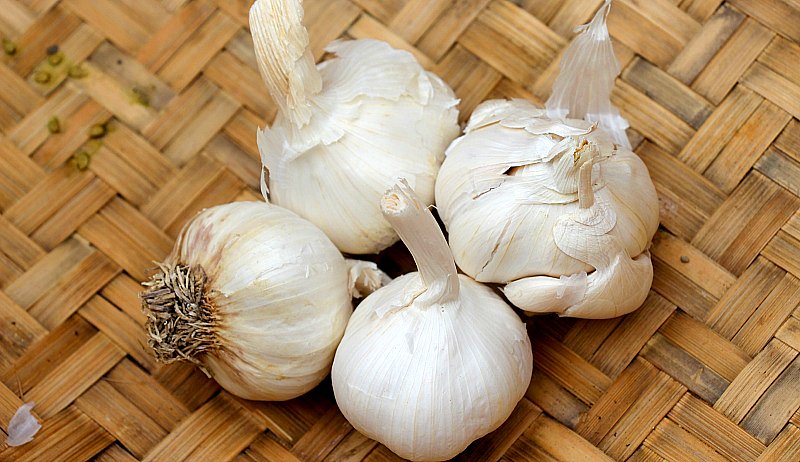
Garlic easily ranks as one of the top-five favorite kitchen seasonings on the planet, but growing garlic can be surprisingly difficult at times, especially if the wrong diseases hit your crop at the wrong time.

“Most small growers, especially new ones, fail to appreciate the high risks involved in acquiring and trading garlic seed,” says Dr. Fred Crowe, of the Department of Botany & Plant Pathology at the Central Oregon Agricultural Research Center in Madras, Ore.

Crowe isn’t exaggerating. Once a garlic field has been infected with white rot fungus, it can take as much as 40 years before the dormant infection disappears. Garlic can also be attacked by a nematode that breeds within the seed garlic for up to six seasons before the plants show any major symptoms, at which point it is not uncommon for the entire crop to be suddenly destroyed.

“[In the early 2000s], a group of 30 small garlic growers in Australia all went out of business together because they had been trading seed garlic back and forth among each other. Once the nematode levels reached critical mass, everybody’s crops went down at once,” Crowe says.

But that’s enough of the scary stories. In general, garlic is a reliable crop, not difficult to grow and if handled well, usually finds a ready market. Here’s what you need to know to get started on your garlic-growing venture.

Garlic Types

The taxonomy of garlic is a bit muddy. As many as 600 varieties of garlic are grown around the world. Because garlic has been heavily traded among various countries, because no official registry and because viruses might make the same garlic species appear in different forms, many of the 600 varieties are undoubtedly duplicates with different names.

It is safe to say that there are two main types of garlic: hardneck (Allium sativum ophioscorodon) and softneck (Allium sativum sativum). The hardneck types, also called topset garlic, produce fewer but larger cloves, while the softneck types produce smaller but more numerous cloves. Most of the commercial garlic available in the supermarkets are softneck. Of the predominantly softneck commercial crop, 25 percent goes to the supermarkets and 75 percent goes to the dehydrating market.

Small-scale farmers, on the other hand, more often grow the hardneck garlic varieties. These typically do not store as well as softneck types, but farmers claim the flavor is better. There are three types of hardneck garlic: Rocambole, Purplestripe and Continental (also known as Porcelain). All three varieties tend to grow better in colder climates.

Hardneck garlic plants send up a central flower shoot called a scape. (Softneck types sometimes produce scapes, too, in times of stress.) The scape can be harvested and sold because it provides a tasty garlic product in the spring, when no other fresh garlic is available. Scapes left on the plants produce flowers that contain masses of bulbils that can be planted to create new garlic plants. Bulbils, produced in the scapes, are smaller than peas; the bulb, on the other hand, contains the cloves. Many small-scale farmers grow hardneck garlic on a two-year cycle, using the bulbils as planting stock instead of the largest cloves, as other growers do.

Softneck garlic varieties are not usually recommended in colder northern climates. The two main commercial garlic varieties, Californian Early and California Late, are both softnecks and comprise more than 90 percent of the commercial plantings in the United States. One reason hardneck varieties are less frequently grown commercially is that the cloves must be planted in an upright position, and this is a difficult task for automated equipment. Softneck garlic cloves, on the other hand, can be successfully planted at any angle.

A third general type of garlic is known as Elephant, or Buffalo, garlic (Allium ampeloprasum). This plant produces the largest cloves, has the mildest flavor, and is mainly used for roasting or stewing. Other types of garlic include Bear’s (Allium ursinum), Serpent (Allium sativum ophioscorodon), Round-headed (Allium sphaerocephalicon) and Shoshone (Allium falcifolium).

Growing Garlic

Garlic seldom produces true seeds, and crops are almost always planted from cloves or bulbils. When buying garlic cloves for planting, farmers should plan to pay a bit more for seed cloves from a clean source. Discounts on planting stock mean higher chances of the cloves being infected with viruses, nematodes or fungal diseases.

Growing garlic most often takes about nine months from planting in the fall to harvest in the early summer. In warmer areas, it is sometimes acceptable to plant garlic in the spring, though spring planting usually results in far lower harvests of garlic. When spring planting is desired, growers subject the bulbs to a vernalization period (false winter) through refrigeration for a month or longer.

Where winters are cold, garlic should be planted before first frost and should be heavily mulched. The new shoots that emerge in spring will not have any trouble poking up through even thick mulches. Good mulch also reduces weed growth and keeps the ground warmer and softer. In the warm seasons, mulch also acts as a good weed retardant and keeps the soil cooler.

In general, Rocambole garlic types produce a few large bulbils, while Porcelain types produce lots of small bulbils. When planted, these garlic varieties produce a small plant with a single round bulb at the base. These single bulbs can be replanted the following year, producing full-sized bulbs with many cloves inside. Many small-scale growers plant extra bulbils in order to harvest some in the spring. These young plants can be sold for fresh-cooking use at a time when no other fresh garlic products are available. Small farmers also often count on cutting some of the scapes later in spring in order to have a fresh garlic product to sell at that time. Scapes that are left to mature will take energy away from the developing bulbs, so it is a good idea to only leave scapes on those sections that are intended to produce bulbils for future planting.

Garlic Harvesting Storage

While commercial garlic growers use mechanized harvesters, small-scale garlic growers usually harvest by hand. Freshly harvested garlic should be hung in a sheltered location to dry and harden. In California and other warm, dry regions, garlic can be stacked in the field to dry, but the bulbs are covered with the leaves to prevent sunburning.

Once the bulbs are dried, they may be moved to long-term storage locations. Garlic will usually store well for eight months or more if kept cool and dry. Moist storage areas often have problems with mold of the Penicillium genus.

This article was excerpted from the December/January 2004 issue of Hobby Farms magazine.

Categories
Farm Management

Building Nest Boxes

Building nest boxes and installing them on your farm is one of the most popular wildlife management practices.

Few efforts are more simple and capable of generating a significantly positive response for wildlife. Many landowners will admit the first wildlife project they tried was building a nest box. Some nest boxes are readily available, but a host of boxes can be constructed.

Understanding basic concepts about wildlife using man-made “houses” can nearly guarantee success.

Common Nest Boxes

The bluebird box remains the mainstay of wildlife nest boxes. The bluebird box can be found in nearly every hardware store. Homemade designs can be works of art ranging from log cabins to castles.

Despite some of the unnatural appearances, bluebirds will still use them for nesting as long as they are limited to a single hole (bluebirds are territorial).

The Eastern Bluebird is a wildlife success story that is largely attributed to interested people installing boxes in grassland habitats. In many cases, even suburban yards could support a breeding pair.

The Wood duck box is a distant second to the bluebird box in popularity. The dabbling duck also made an incredible recovery from critically low numbers in the early 20th century. Their success may not be as closely tied to nest boxes, but they certainly played a positive role.

Wood duck boxes are large and often erected in wetlands or ponds. However, a Wood duck box can be placed hundreds of yards from water.

Wood ducks using natural cavities can travel over a mile from water and be incredibly high off the ground. However, the closer to water these structures are the fewer hazards are encountered by clutches traveling to aquatic habitat.

Animals That Use Nest Boxes

Wildlife are not always birds: Flying squirrels and mice can take up residence in boxes as well. Just about any critter that seeks a cave-like setting can benefit from boxes. Man-made structures offer many opportunities to support wildlife.

Consider designs that transform old tires into nest structures for fox squirrels.

  • Match the box’s size, openings or hole dimensions and habitat to the wildlife of interest.
  • Pay attention to animal behavior; many species will be territorial, but some, like the Purple Martin, are communal.
  • Finally, protect boxes from predators by mounting them on metal poles or installing tin predator guards.

Nest Box Construction Tips

When constructing and installing boxes, keep in mind some basic rules of thumb. First, avoid toxic materials like pressure-treated wood and paint. Metal boxes are not a good idea either because they can become excessively hot.

Wood boxes should offer ventilation and access for cleaning. Do not install perches on boxes as they often attract non-native, aggressive birds like starlings and house sparrows. Finally, limit yourself to one box for every couple of acres and face them away from prevailing weather.

Boxing up the farm can be a fun and rewarding project for you and your family. From construction to monitoring and cleaning, kids and parents can enjoy the wonders of nature.

Nest boxes can be a great introduction to managing wildlife. With a little research, a few tools and supplies, a blueprint, and some quality family time, the hobby farm can be home to more wildlife–both furred and feathered!

Sizing Tips

The Kentucky Department of Fish and Wildlife Services offers the following guidelines for sizing the boxes and holes when you construct your nest boxes.

SPECIES

BOX SIZE

HOLE SIZE

Bluebird6″x6″x9″1 3/8″ X 2 1/4″
Carolina chickadee6″x6″x9″7/8″
House wren6″x6″x9″7/8″
Carolina wren6″x6″x9″1 1/4″
Barred owl12″x12x24″7″x 8″
Wood duck12″x12″x24″3″x 4″ oval
Screech owl12″x12″x24″3″
Categories
Crops & Gardening

Garden Garb

By Sarah E. Coleman
Photos by Karen K. Acevedo

Get Your Garden Gear!
Buzz Off Sun Hat

We all know that any form of outdoor work can be tough on normal clothes—especially when you’re bending, kneeling, pulling and hauling dirt, compost, plants and all manner of tools (and if you carry these tools in your pockets, as most of us are inclined to do, fabric needs to be virtually indestructible!).

Check out some of our favorite apparel and garden goodies to see if they can aid you in your quest for gardening success.

Bug Off
It can be quite irritating to have to stop what you’re doing every two seconds to slap at mosquitoes, no-see-ums, flies and other annoying insects.

Get Your Garden Gear!
Buzz Off Ultra Lite Vest

Sometimes keeping away the bugs takes more energy than planting the entire garden! Thankfully, ExOfficio has a solution. With clothing featuring their odorless Buzz Off Insect Shield, wearers are protected from a variety of insects, including mosquitoes, chiggers, ticks, ants, flies, midges and no-see-ums.

The Buzz Off shield combines permethrin, a manmade form of the natural insect repellent found in chrysanthemums, with a new, patent-pending process. Registered with the EPA, Buzz Off garments are a greener way to keep away insects that could carry Lyme disease, West Nile virus and similar maladies.

  • The Buzz Off Ultra Lite Vest has a total of 11 pockets—enough for all the seeds, pruners, spades, twine, water bottles and plant markers you can carry!

    It also offers 30+ UPF (similar to SPF ratings on sunscreen)  for excellent UV protection in addition to its ability to repel insects. The mesh midsection and back will keep you cool even on the hottest of days; it’s also wrinkle resistant—no matter what you do to this vest, it’ll still look good!

  • Spring mornings can still be a bit cool, but they heat up rapidly once the sun rises. The Buzz Off Baja Long-sleeve Shirt is the perfect piece to take you from morning ‘til night.

    Get Your Garden Gear!
    Baja Shirt

    With roll-up sleeve tabs, an Airomesh-lined yoke and climate-controlled ventilation panels along the arms and back, this shirt will keep you cool under the most intense heat. An action pleat in the back allows for easy movement; this shirt will bend and stretch with you all day long.

    Available in a range of colors from light flamingo to poppy, this shirt is presentable enough to go from garden bed to grocery store with no problem.

  • An alternative to your floppy straw hat, the Buzz Off Sun Hat is made of 100 percent nylon with 30+ UPF sun protection—a must when you’re gallivanting about your garden. The removable cord has an adjustable cinch, perfect for those breezy spring days.
  • Not just a fashion statement anymore, bandannas can now serve double duty as bug repellents. Tie this bandanna around your neck to keep biting bugs at bay.

    Available in bamboo green, poppy, water and light olive, the Buzz Off Insect Shield is good for 25 washings. ExOfficio, 800-644-7303

  • Get Your Garden Gear!

    Buzz Off Bandanna

    The new Carhartt for Women Double Front Sandstone Duck Dungarees are virtually indestructible—which is a great quality to have when you’re working around the farm!

    Made of durable, 12-ounce cotton, the contoured waistband sits just below your waist—making them comfortable to wear when bending and straightening all day long. The roomy, straight leg fits nicely over work boots and there are plenty of pockets for toting around all your gear.

Get a Grip
There’s no item more indispensable than a good pair of work gloves when there are rose bushes to prune,
barberry to be transplanted or briars to be cleared.

  • SafeGrasp GardenArmor and WorkArmor gardening gloves are some of the toughest workhorses around. The Advantage Garden Gloves (#230) have three layers of SuperFabric in the palm, allowing you to handle just about any heavy-duty gardening chore with ease.

    Get Your Garden Gear!

    Muck Boot Scrub Boot

    The SuperFabric is made of super-hard, micro-sized resin guard plates that are actually integrated into the fabric itself to make an extremely durable-yet-flexible composite fabric. The thumb and index fingers, both high exposure areas, have extra protection, but the spandex material over the back of the hand is breathable and stretchable for all-day chores.

    These gloves offer 3 times the puncture protection of leather and 14 times the cut protection of leather, yet are washable and stain-resistant.

  • The Puncture and Cut Resistant Work Gloves (#425) protect hands from injury from wire mesh, sheet metal, needles, lumber and more—all of which we tend to work with on a farm. These gloves provide extreme cut protection, allowing you to work more quickly with the confidence that you won’t be harmed. SuperFabric covers the palm, thumb and fingers.
  • Get Your Garden Gear!

    Loadumper Multi-cart

    Need even more confidence when stringing barbed wire or working with especially dense briars? Check out the Heavy Duty Puncture and Cut Resistant Barbed Wire Gloves (#447). Now you can tear down old fencing or pick up broken glass without fear! These gloves have 25 times more cut resistance than leather and are comfortable to boot!

If The Shoe Fits …
Quality, waterproof shoes that are easy to get on and off are a must on any farm, especially in the garden, where watering is almost a daily chore and soil can be wet and muddy. Comfort is at a premium when there are dozens of seedlings to be planted and loads of compost to be hauled. Blisters are not an option!

  • Crocs unisex, all-terrain footwear is the perfect choice for cold, damp weather. The enclosed footbed will keep your toes warm and dry while the water-resistant leather upper with laces provides a snug fit. These shoes are light as a feather! Crocs, 866-306-3179
  • Dansko shoes have always been associated with  comfort and durability. The Calla is stylish enough that you can dig in the dirt or muck out the barn all day and then go into town at night—all in the same pair of shoes! Shown in black oiled leather, these shoes provide the comfort you crave as well as the support you need to be on your feet all day. Dansko,  800-DANSKO4
  • Mother Nature has met her match in these pull-on Bogs—a must-have for muddy conditions that would suck off almost any other shoe.

    Breathable neoprene and waterproof rubber keep your toes toasty in winter, cool in spring and dry all year-round. The non-slip, rubber outsole provides great traction on muddy, snowy or icy surfaces—and when it comes to spring, who knows what weather you’ll wake up to!

    The floral print updates this tough, sturdy boot, which has a removable insole. The entire boot is anti-microbial lined to provide protection from odor, stains, and deterioration due to bacteria, fungus and other microorganisms.

    We got ours from Gardener’s Supply Company, but they can also be ordered directly from Bogs Footwear. Bogs, 800-201-2070

  • Muck Boots are a perennial favorite of outdoorsmen near and far. Available in a range of styles, their newest offerings include the Scrub Boot, perfect  for all those dirty jobs; it’s resistant to fertilizers, household cleaners and grass stains. If they get too dirty, simply scrub and rinse with soap and water; if they get wet inside, remove the cushion insole and air dry. The snug topline keeps cold out, but on warm days, simply turn down the collar to vent the interior.
  • Muck’s Daily Lawn and Garden Shoe is also resistant to most anything; the snug fit along the ankle keeps out dirt and pebbles—a bonus when you’re trekking through freshly tilled garden beds! Your toes get added protection with the wrap-up toe bumper and the four-way stretch nylon is resistant to snags.
    Both Muck styles feature breathable airmesh, giving you slipper-softness in a tough, rugged shoe. Muck Boot Company, 877-GET- MUCK

Garden Goodies
Some things just make our gardening lives easier, whether they hold lots of supplies, carry lots of dirt, take the weight off our backs or remember what we planted last year. Here are some fun gadgets to consider:

  • The Waistie Garden Pouch is a gardener’s dream come true: It’s ideal for weeding, pruning, deadheading, collecting berries and more! Now you don’t have to drag that old trash can behind you; simply fill the large pocket and unzip to remove the contents. With a unique, hands-free design, you can get more done in less time. There are also side pockets for gardening tools or water bottles. Available through Muck Boots and Shoes, 800-517-5970.
  • Keep tools, pots, seeds, gardening clogs and more close at hand and organized with these chicken-coop cubbies from Smith & Hawken. Made of weather-resistant cedar, they’re perfect next to the potting shed or in the mudroom. With individual cubbies that have upturned lips, everything stays securely stowed. Smith & Hawken, 800-940-1170.
  • Lugging bags of mulch, compost or transplants is infinitely easier with help from the Loadumper Multi-Cart. The cart’s U-shaped handles allow for one-handed operation—much easier than trying to manipulate a wheelbarrow through freshly turned beds or on undulating terrain. There is no need to lift the load to haul—
    simply push down on the handle and the load moves effortlessly. The 6-cubic foot model can handle up to 400 pounds and is just as easily dumped—the patented gravity latch makes it so you don’t have to lift the entire cart to empty it, like traditional wheelbarrows; it can even be pulled by your mower or utility vehicle. This all-terrain cart also features Memory Foam Flat-Free Wheels that enable a smooth ride so you never have to worry about losing a load; Loadumper, 410-461-2100.
  • Lifestyle maven Katie Brown has an entire line of beautiful garden items, but we loved her fashionable brown apron, made of heavy-duty cotton canvas. It’s perfect for digging in the dirt or creating craft projects. With multiple pockets to hold all your stuff, the stylish halter design is comfortable and machine washable. Katie Brown, 866-682-2060.
  • We know how important it is to keep detailed garden records, so we’re always looking for more than your average garden planner. This version from Gardener’s Supply Company is a combination of garden journal, record keeper, scrapbook and organizer. There’s space for three years of notes, annual checklists, plant wish lists, graph paper, a project-planning section and pockets to store receipts, photos, magazine clippings or whatever your heart desires. Designed in a standard binder, you can easily add more pockets or pages. This book will  be a constant garden companion! Gardener’s Supply Company, 888-833-1412.

About the Author
Sarah Coleman, former Hobby Farm Home managing editor, dons equine gear when she rides her horse. Here she tried out some of the best gardening garb available for spring gardening season.

Categories
Recipes

Maple Mustard Salmon

Maple Mustard Salmon

March is maple month!  Try this simple twist with salmon and learn more about how New England celebrates the maple harvest>>

Ingredients

  • 4 salmon fillets
  • 2/3 cup melted butter
  • 1/2 T. dried dill
  • 1/2 cup pure maple syrup
  • 1/4 cup Dijon-style mustard

Preparation
Blend ingredients over low heat until melted together. Grill or broil salmon, basting and turning until flaky and done. — Courtesy of Massachusetts Maple Producers Association

Categories
Recipes

Vegetable Spring Herb Confetti Spread

Whip up some Vegetable Herb Spring Dip from Hobby FarmsIngredients

  • 8 oz. cream cheese
  • 4 oz. goat cheese
  • 3 T. butter
  • 1 T. olive oil
  • 2 T. milk
  • ¼ tsp. salt
  • Generous pinch cayenne
  • ¼ cup carrot, finely grated
  • 2 T. shallots, minced
  • ¼ cup red or yellow bell pepper, finely chopped
  • 2 T. chives, minced
  • 1 T. fresh dill, minced
  • Crackers, baguette slices or chunks of your favorite artisan bread

Preparation
Place cream cheese, goat cheese and butter in a bowl, and leave at room temperature for one hour to soften. Add olive oil, milk, salt, and cayenne, and beat with an electric mixer at medium speed until mixture is smooth. Stir in vegetables and herbs. Serve immediately with crackers or bread. Or, refrigerate to serve later, but allow to sit at room temperature for at least 30 minutes before serving. Makes approximately 2 1/2 cups.

Categories
Homesteading

Diary of a Class: Green Woodturning

By Autumn Foushée 

Learning to work the lathe is a important skill learned during the Green Woodturning class at John C. Campbell Folk School
© Keather Weideman
 
Get More Folk School!
We’re loving our John C. Campbell experiences. Here’s more of what we’ve learned:

Sunday Arrival: Follow the Winding Road
Sharp turns to the left, then back to the right on narrow country roads with no shoulder—I had started to see the value of I-75 when I decided the mountains were telling me to “slow down, take your time and enjoy the sunshine streaming through the quaking leaves; the Folk School will be there when you arrive.”

It isn’t often that you get to experience beautiful October forests in southern Appalachia!

I arrived at the John C. Campbell Folk School in Brasstown, N.C., in the midst of the annual fall festival.

The campus bustled with music, vendors and visitors from all over. Amid the Bluegrass music, dancing and hundreds of vendors, there were also blacksmithing and woodcarving demonstrations that hinted of what was to come during my week at the school.

With the delightful help of the Folk School staff, I got situated in my cozy quarters for the week and took off to explore the festival before it ended.

Getting Started Right
Supper was served around 6 p.m. and the campus was just beginning to quiet down from the festival as the new students arrived.

Long, oak tables seated eight people for a family-style supper. The dining hall was filled with windows that looked across the valley to the mountains, offering a peaceful view of the land.

I took the last seat at a table filled with students of many ages. Though I understood the Folk School’s principles of noncompetitive learning and tolerance, I was still surprised by the diverse group of people all interested in learning a traditional craft.

From age 20 to 79, I talked with people from places as varied as one town away to California to as far away as New Zealand! The dining table was already a microcosm of what the Folk School strives to create: a community of caring, tolerant people eager to learn from each other.

After I was stuffed with a lovely meal, we divided into our classes to meet our instructor and begin learning. To my surprise, the woodturning class was a great balance of men and women, which was even represented by the instructors: Dave Barriger and Connie Lefebvre.

Our first night of class uncovered the variety of student skill levels.

We introduced ourselves and Dave discussed safety and a few basics of woodturning, and introduced us to the machines we would be using: woodturning lathes—large, strongly built machines that struck fear in the hearts of the novices in the group (but we kept silent at first).

When those fears were finally expressed, Dave addressed them with guidance and a warm chuckle—obviously, he believed we could overcome them.

I left the woodshop that night feeling expectantly eager about the first day of woodturning.

Monday: Flying Chips!
A sunrise walk shrouded in mist started my first day. Led by a Folk School staff member, we walked along a path crisscrossing the campus. I decided quickly that the peaceful, invigorating morning walk would be an enjoyable, daily ritual for me.

After a scrumptious breakfast, woodturning class started with a discussion about what else—wood!

What is green woodturning? Green wood is that which has been cut down or has fallen recently, but has remained in whole pieces; in other words, it has not been allowed to dry out.

Green wood is softer than dry wood because it contains more water, making it easier to turn on a lathe.

After Dave discussed how to use the lathe and cutting tools, it was time to jump in.

Our first task was to turn a bowling pin from a heavy and unbalanced, rectangular block of cherry wood. The technique used was called “end turning,” where the piece of wood is pinched between the lathe’s drive center and tailstock.

With the wood spinning at roughly 800 to 900 RPMs, the first challenge was to convince myself to place a long, sharp metal blade against an irregularly shaped piece of wood spinning so fast that its blurred image appeared round—yes, it was slightly intimidating! But with reassurance and a few sample cuts by Dave and Connie, I put the blade against the wood and let the wood chips fly!

After an intense day of learning, I had a bowling pin that looked more like a bloated Coke bottle, as well as a spindle that had some nice, smooth cuts. I didn’t turn any amazing works of art the first day, which wasn’t even important because there was no competition between students; we were there to learn. However, I realized that I had learned some key green woodturning tips and techniques.

I knew that the idea wasn’t just to cover the woodshop in wood chips; the point was to master your cutting skills so the cuts became long and smooth, leaving the wood not only in the shape you wanted, but also with a smooth surface.

It sounded simple enough, but I quickly learned from Dave and Connie that every piece of wood is different and the techniques come with practice. We got a lot of practice on our first day—that was for certain!

Tuesday: A Test
Day two was a challenging day for me. Feeling a little tired from the vigorous day before, but with a breakfast boost, I went to class excited. We were supposed to turn platters.

A wooden plate seemed a much more elegant beast to master on the lathe than did a bowling pin. I was nervous, but ready.

Dave and Connie first demonstrated how to safely use a chainsaw to cut green wood for turning. The shape in which the wood is cut sets up the type of piece you can turn on a lathe.

For example, to make a platter, you typically need to cut the wood roughly into a square slab. This slab is then mounted on a lathe and cut into a round platter.

After Dave demonstrated his impressive ability to turn a clean, well-done piece (by student standards) in 15 minutes or less, we hesitantly started our own platter projects.

The first step was to cut the backside of the platter, smoothing it to create the slight slope characteristic of a plate’s underside.

To do this, I followed Dave’s example by rounding the edge, then cutting from the center to the edge to form the stock and smoothing the backside of the platter.

The stock is an elevated, beveled edge of wood at the center of the turning piece that allows it to be held tightly by the chuck (the main part of the lathe, which rotates the wood).

After I shaped the edge and back of the platter, and cut the stock, I turned the piece around on the lathe so the unfinished face could be cut, smoothed and detailed.

Feeling tired, my inexperience at judging the right cutting angle got a little worse and I caught the edge of my tool in the wood, jolting the platter from the chuck. It fell to the floor with a loud crash. The woodshop had heard this sound already in our class—most wood turners, novice and proficient, catch their blade at some point. It shook me up a little, but I quickly realized the mistake I made with the cutting tool.

After I talked with classmates and the instructors again about how to hold and position the cutting tools, I realized I could salvage my platter.

I also realized the noncompetitive spirit of the Folk School certainly existed in our class. My classmates were eager to help and learn from each other.

Even the more-experienced students sought help from the novice wood turners at different points during the class. My rough day on the lathe was made more than bearable because of the support and guidance from my instructors and fellow classmates.

Wednesday: Lessons Learned
With a good night’s rest, I was eager to reclaim my platter! I learned another lesson from the day before—turning wood when you’re tired is dangerous. Woodturning requires complete concentration and awareness, otherwise the many hazards can turn quickly into accidents and injuries.

With renewed concentration, I finished the platter and moved on to the next project—a goblet!

Dave brought a few branches of live oak from Florida for the students to turn. Live oak was a lesson in the nuances between different types of wood.

The branch I chose for my goblet was dense and had dried a little more than my previous pieces of wood. Turning this wood proved interesting and challenging because of its hardness, but also because of the wood’s beautiful grain pattern.

I didn’t know that a goblet—an item of such small, intricate detail—could be made from wood on a lathe as large as the ones we used.

The method of turning the goblet was similar to both the bowling pin and the platter. We combined the simple techniques from different pieces to create more intricate turnings. After finishing our goblets, we took a field trip to the woodturning studio of a local legend—Lissi Oland.

Oland is a woman of tiny stature with scrappy fortitude. She’s known for turning pieces of wood larger in diameter than she is tall!

Oland guided us through her woodshop and studio, describing how she turned the extremely large pieces by hoisting them from roof rafters to place them on her lathe. As we drove back to the Folk School, I realized that like so many crafts, there are many styles and methods of woodturning. While there are some basic principles, no single method is necessarily the “right” one—it all depends on experience and preference.

Thursday: Ride the Bevel!
All week the conundrum for many of the woodturning students was a single phrase that Dave and Connie said to us every day: “Ride the bevel!” The bevel is the smooth edge of a cutting tool, right next to the sharp edge of the tool’s blade.

The goal was to keep the bevel against the surface of the wood while rotating the tool to allow the blade to cut smoothly as the tool is moved across the wood’s surface. It was a technique that took a lot of practice to master for every piece of wood.

The woodturning lesson of the day was a natural edge bowl. To create the bowl, I had to do my best bevel riding of the week because gouging out a bowl can be disastrous if the tool edge catches the wood.

I made slow, deliberate cuts and took a lot of time to think about how to angle my cutting tool; I began to understand how “riding the bevel” feels when cutting the wood.

Woodturning doesn’t take a lot of strength, but rather demands mastery of skill. The more experience I gained, the more I understood that when I made a good cut by riding the bevel, it felt smooth and fluid, and didn’t tire my hands and arms.

I was grateful to Dave and Connie for being so patient with my questions (often the same questions over and over!). I was amazed by the skills I learned in a week and by the pieces I was ultimately able to create. In my memory, my classmates and my instructors made it seem so effortless.

To end class that day, Dave led us on a tree walk to learn what many of the woods we turned look like in their tree form. Following a tradition started by a long-time woodturning instructor at the Folk School, we finished our tree walk with a stroll to the ice cream shop in Brasstown. We celebrated the end of a great week with laughter and conversation. (Enjoying the school beyond the classes is important, says Autumn.)

Friday: Finishing Touches
Watching the morning fog roll across the valley as sunrise approached, I couldn’t believe the last day had arrived so soon. I joined the morning walkers for another lovely walk and enjoyed breakfast with new friends, all of whom were talking feverishly about finishing their projects for the student exhibition that evening.

They weren’t alone. After breakfast, I went to the woodshop and put the finishing touches on my natural edge bowl, giving it a coat of lacquer to preserve the red maple’s white color. I turned a couple fun projects that looked like little mushrooms.

As we finished our projects, students from other classes toured the studio to see our creations. Before long, it was time to move all of our finished pieces to Keith House, where all the students were showcasing their works from the week. This was the most incredible part—to see all the creative effort that came from one week!

The blacksmithing class had created beautiful tools and decorative hangings; the woodworking class crafted intricate chessboards; the bookmaking class displayed gorgeous paper and bound books—there was no shortage of lovely, hand-crafted pieces, all created in a week by newcomers and experts alike.

We shared our trials and triumphs as we talked about each piece we’d created. I loved hearing each story and seeing the joy it brought to the teller’s eyes. We wound down the evening by gathering together to hear the toe-tapping Bluegrass music of Curtis Blackwell and Charles Wood.

Saturday: Turning Homeward
With Bluegrass music still in my ears, I went to breakfast before hitting the road back home. Students milled around the coffee and tea table in Keith House, some looking at the newspaper and commenting that the world had indeed been turning while we were “away.”

As I joined other students and instructors at the dining table, I felt a little sad to leave.

It had been such a transformative week, where I learned more than how to turn wood. I reaffirmed in my mind and heart the importance of tradition and community in my life.

The Folk School is built upon the community of people who formed it, and it continues to be built upon the community of people who come there each week to grow creatively and socially. Any winding road is worth driving if you arrive at a place like the John C. Campbell Folk School.

About the Author Wood isn’t the only green interest in Autumn Foushée’s life. She currently works in the University of Kentucky’s Forestry Department while pursuing her master’s degree in restoration ecology. If not in the woods, you’ll find her greening her thumbs in the garden.

Categories
Recipes

Sunshine Streusel Muffins

Sunshine struesel muffinsIngredients

  • 1 1/4 cups flour
  • 1/4 tsp. salt
  • 1 tsp. baking powder
  • 1/2 tsp. soda
  • 1 tsp. cinnamon
  • 1/2 cup chopped walnuts
  • 1/2 cup chopped golden raisins
  • 1 egg
  • 1/2 cup firmly packed brown sugar
  • 1/3 cup oil
  • 1/2 tsp. vanilla
  • 2/3 cup (2 medium or 3 small) oranges, peeled, seeded, pith and membranes removed, finely chopped
  • Finely grated peel from 1 orange

For streusel topping:

  • 1/3 cup flour
  • 1/3 cup sugar
  • 4 T. butter, cubed
  • 1/2 tsp. orange extract

Preparation
Stir together flour, salt, baking powder, soda and cinnamon. Stir in walnuts and raisins. In a separate bowl, beat egg with brown sugar and oil until blended. Stir in vanilla, chopped oranges and orange zest.

Combine topping ingredients and blend on medium until a crumbly texture is achieved.

Add egg mixture to dry ingredients, stirring only until flour is moistened. Spoon batter into greased muffin pans.

Evenly divide streusel across tops. Bake at 375 degrees for 18 to 20 minutes or until streusel is lightly browned and toothpick inserted in center of muffins comes out clean. Makes 12 medium or 6 to 8 large muffins.

More Dessert Recipes

Categories
Recipes

Flavored Sugar

Flavored SugarSuperfine sugar, in combination with scented flower petals or leaves, becomes a distinctive flavoring for tea or punch.

Suitable leaves and petals include lemon verbena, lemon balm, lavender, rose petals, scented geranium leaves and leaves of fragrant mints such as peppermint, apple mint and lemon mint.

Use 1/4 cup of leaves and petals for each cup of superfine sugar.

Carefully wash and dry the leaves. In a glass jar with a tight-fitting lid, alternate layers of sugar and leaves.

Cover tightly and let sit for two to three weeks. Remove leaves and pour sugar into small decorative jars with tight-fitting stoppers or lids.

Categories
Recipes

Honey-lime Glazed Duckling

Five-spice powder is a strong, distinctive mixture of Szechuan pepper, star anise, cloves, cinnamon and fennel, available in the spice aisle or in the Asian grocery section of most supermarkets. Use sparingly, as directed, to add a touch of piquant Szechuan flavor to this recipe—unless you know you like it; in that case, increase quantity to your taste.

Ingredients

  • 1, 3- to 5-pound whole, domestic
    duckling
  • 1 tsp. coarsely ground black pepper
  • 1 tsp. salt
  • 1 tsp. powdered ginger
  • 1⁄2 tsp. five-spice powder

    For Glaze

  • 1⁄3 cup honey
  • 1 tsp. lime zest, finely grated 
  • 1⁄4 cup freshly squeezed lime juice, strained to remove pulp and seeds
  • 3 T. soy sauce
  • 1 T. vegetable oil
  • 2 tsp. fresh ginger, very finely minced
  • 1 tsp. fresh garlic, very finely minced or put through a press
  • 1 lime, cut into wedges or thin slices, for garnish (optional) 
  • Watercress or other greens for garnish (optional)

Preparation
Rinse duck; pat dry. Combine pepper, salt, ginger and five-spice powder. Sprinkle some spice mixture in duckling’s body cavity; rub the rest on the skin. Using poultry skewers (small metal skewers available at your grocery store, often used for turkey) and kitchen string, skewer neck skin to back and tie legs to tail. Twist wing tips under back and prick the skin all over with a fork.

Set duckling breast side up on a rack in a roasting pan and place, uncovered, in a 375-degree F oven. Roast for 1 hour and 45 minutes to 2 hours and 15 minutes or until you can move the drumsticks easily in their sockets and the meat is no longer pink. If duckling is very fat, spoon fat from roasting pan occasionally during roasting.

Meanwhile, combine glaze ingredients. At three separate times during the last 15 minutes of roasting, brush glaze over duckling, using approximately one-third of the glaze each time and stirring glaze first to incorporate chopped ginger and garlic.

To serve, place whole duckling on a warm serving platter and carve at the table. Or, cut roast duckling into pieces and transfer to a warm serving platter before taking it to the table. Garnish either option with lime wedges or slices and greens if desired. Serves 3 to 4.

Categories
Homesteading

Honey: How Sweet It Is

By Tom Meade

Tips from Hobby Farms for using Honey in your cooking

Tips for Cooking
with Honey

When measuring honey, moisten the measuring cup with water or oil to prevent sticking

Substitute 2/3 to ¾ cup of honey for 1 cup of sugar in recipes. 

When baking with honey, lower the oven temperature by 25 degrees. 

Add two tablespoons of honey to a cake mix to make the cake moist and less crumbly. 

Use dark honey, such a buckwheat honey, as a substitute for molasses and brown sugar in baked beans.

Please do not store honey in the fridge. Store it at room temperature. 

When honey crystallizes naturally, immerse the jar in warm water to liquefy it again.

Warning!
Please do not feed honey to children younger than a year old. Though honey is a “health food,” it may harm infants whose immune systems have not developed.

Honey adds a delicious new dimension to beverages, salads, main dishes, vegetables and desserts, and it’s the healthy alternative to refined sugar.

Honey comes in an infinite number of varietals, like wines.
 
Each has its own distinct aroma and flavor, depending on the kind of flowers where the bees were gleaning nectar.(Supermarket honey generally has a consistently bland flavor because it’s blended.)

  • The nectar from spring maple-tree blossoms produces a zingy dark-amber honey.
  • Clover honey is yellow and pleasantly smooth with a floral “nose.”
  • Buckwheat honey is as dark as motor oil and has a real bite.
  • On some of the Greek islands, honey bees glean nectar almost exclusively from thyme blossoms, and their honey is spicy.

It’s a treat to sample and compare honey at farmers’ markets and local food co-ops.

Like wines, certain honey varietals are better than others for certain recipes.

Beekeepers Share Recipes
In central Massachusetts, members of the Worcester County Beekeepers Association have been swapping recipes for generations.

The oldest bee-keeping group in the country, it celebrated its centennial anniversary in 2000 by publishing One Hundred Years of Cooking With Honey. It’s one of those wonderful ring-bound cookbooks that contain so many family recipes that cooks cherish. Here are some variations to try!

Thyme and Honey Lamb ChopsThyme and Honey Lamb Chops
Here’s a variation of the beekeepers’ recipe for pork chops. If there is a Mediterranean grocery store nearby, it may have Greek thyme honey which is in a class of its own.

Ingredients

  • Enough lamb chops for everyone
  • Enough honey to coat both sides of all the chops
  • A small bunch of fresh thyme
  • Olive oil to coat the bottom of a baking dish
  • Salt and pepper to taste

Preparation
Pre-heat the oven to 400 degrees. Dip the chops in honey, sprinkle with thyme leaves. Bake about 30 minutes or less, depending on thickness of chops. Turn once while baking. Garnish with a sprig of fresh thyme.

Honey Ice Cubes
On a hot summer day, honey is delicious in ice tea, so why not put it in cubes for tea and other beverages. The Worcester beekeepers don’t recommend it, but honey ice cubes are great in a light pilsner-style beer to make a version of the British summer drink, shandy.

Mix together:

  • 1/2 cup honey
  • 2 cups very hot water
  • 2 T. or more lemon juice

Pour in an ice-cube tray and freeze. In a glass, pour beverages over the cubes

Vermont Tonic
In Vermont folk medicine, there is a tonic that is a sure thirst quencher while working outdoors:

Mix 2 tablespoons of honey with 2 tablespoons of apple-cider vinegar and 8 ounces of water. Pour over ice.

Honeyed acorn squash
We have added more honey and butter, instead of margarine, to this beekeepers’ recipe.

Ingredients

  • 3 acorn squash
  • 5 T. melted butter
  • 1/2 cup honey
  • 1/2 tsp. salt
  • 1/2 tsp. cinnamon
  • 1/4 tsp. powdered ginger

Preparation
Pre-heat the over to 375 degrees. Cut squash in halves and remove seeds and pulp. Bake cut-side-down in ½ inch of water for 30 minutes. Drain the liquid from the pan, and turn the squashes upright, and pour some of the honey mixture into each half. Bake another 15 minutes or until tender.

Honey Pecan Pie

Ingredients

  • 3 eggs
  • 1 T. sugar
  • 2 T. flour
  • Dash of salt
  • 1 cup dark corn syrup
  • 1 cup honey
  • 1 T. vanilla
  • 1/2 tsp. almond extract
  • 1 cup pecan halves

Preparation
Pre-heat oven to 350 degrees. Put all the ingredients, except the pecans, into a blender, and blend for 15 seconds at medium speed. Empty the mixture into a crust-lined, 9-inch pie plate. Sprinkle with pecans, and bake for 45 minutes, until the filling is set.

Fruit dip
This recipe, also with cider vinegar, is from the Worcester County beekeepers.

Ingredients
1/2 cup honey
2 T. cider vinegar
1/2 tsp. salt
1/3 cup oil
2 tsp. poppy seeds

Combine and shake well. Store in a jar, and dip any fruit into it.

Top