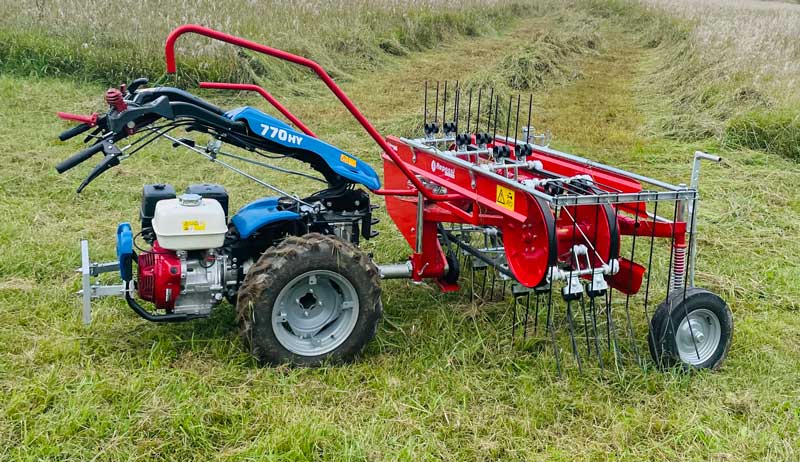
The two-wheel tractor is the best piece of small equipment for professional growers, landscapers and serious homesteaders. It makes land management a breeze. Two-wheel tractors are affordable yet powerful and beneficial for many different tasks. They can be suitable to many different types of enterprises where affordable, maneuverable, multi-functional equipment is needed.
I have used two-wheel tractors throughout my life and career. When I was growing up on a permaculture homestead in Santa Fe, New Mexico, we had a two-wheel tractor to manage our gardens and do various earthworking tasks. I also used two-wheel tractors when I started up my market garden and innovated a Permabed system using equipment to help form raised beds that were never destroyed, only reformed.
This system is much easier now with some of the great equipment being manufactured today—like the power ridger! Now I use two-wheel tractors extensively to nursery fruit trees, berry bushes and herbs. I can more easily prepare land for edible landscapes or foodscapes using the edible ecosystem design methods we are developing. The two-wheel tractor is great for home gardeners, homesteaders and farmers.
A two-wheel tractor has only one engine, and yet you can use it with multiple implements. This multi-functional nature is unique to tractors and makes the smaller two-wheel tractor quite useful for many different property types and project applications.
Easy to Learn & Use
These tractors have a simple but effective design. With every control in easy access to an operator’s hands and eyes, the learning curve is straightforward. Large equipment takes much more time to learn to operate correctly, and in many situations it is no more effective.
Task-Appropriate Power
Most two-wheel models have between 1 to 18 horsepower. Overall, this lower hp range and their light weight makes them useful for application where other tractors with too much power and weight aren’t ideal.
For example, there are farms that use large tractors (from 20 to 200 hp) to pull light cultivation equipment over just one to three vegetable beds. This is far more weight and power needed for these light-duty jobs.
Budget-Friendly
Tractors are available at a price range that allows a grower to pick up all needed equipment on a modest start-up budget. Often, with large equipment, you could easily sink all your money into machinery.
The two-wheel tractor has many jobs it can perform through all four seasons. You’ll find a plethora of equipment suitable for different spring, summer, fall and winter jobs.
Low Impact
These lightweight and fuel efficient machines (you’ll even find some electric models entering the market) are low impact in two senses.
First, they cause far less compaction on your soil. Second, the manufacturing is far less energy intensive than larger equipment. Considering large tractors are used for jobs that could be performed by smaller tractors, they are always a lower impact choice for smaller land management jobs.
Low Maintenance
Generally speaking, the design of the two-wheel tractor is one that is easy to maintain, with easy access to most components and a good deal of functionality visible to the human eye.
They rely on four-stroke engines, which are both commonplace and maintenance friendly. You don’t need highly specialized tools or facilities to maintain this equipment.
Maneuverable
These tractors are very maneuverable because they are small, with a tight turn radius. This makes them very effective for situations where there isn’t much room for turning around, such as the ends of garden plots or within greenhouses.
Easy Storage & Transport
These machines are easy to store, with foldable handlebars and a compact size. They are also easy to transport, with the ability to load in the back of a pickup truck or on a small trailer.
Safe Handling
These units are much safer to operate than large equipment. They are much smaller and lighter, yes, but advances in safety have also made them quite safe for operators at all levels of experience.
The two-wheel tractor is also great for a number of specialized jobs, where larger tractors are too large to fit and maneuver, or cause too much compaction. The two-wheel tractor has many jobs it can perform through all four seasons, with a plethora of equipment suitable for different spring, summer, fall and winter jobs.
Ten years ago, I originally shared my recipe for baked grapefruit on my personal blog. So, to celebrate the 10-year anniversary, I’m sharing it here. It’s a classic recipe that will stand the test of time.
Baked grapefruit is ridiculously easy to make, but the process of baking adds a unique and special twist to your otherwise bitter fruit. Plus, the house smells amazing as it bakes.
My husband and daughter enjoy being pleasantly surprised seeing this on the breakfast table.
Yield: 2 servings (1 halve each serving)
Ingredients
1 grapefruit
Honey, drizzled
Ground cinnamon, as needed
Directions
Pre-heat your oven to 400 degrees F.
Wash the grapefruit and dry it fully. Slice off the bottom of each half without puncturing the meat of the fruit. This helps the grapefruit halves stay level without tipping off the juices while cooking.
Slice the grapefruit in half and score the membranes. Scoring the membranes allows you to easily spoon out the grapefruit in spoonfuls after baking. Pick out any seeds as you are able.
Line a baking sheet with parchment paper. Drizzle honey over the top of each half and sprinkle with ground cinnamon.
Bake 15 to 20 minutes, until baked and bubbly. For an extra browned top, briefly broil the fruit once baked.
Once cooked, the bitterness somewhat subsides, and the fruit takes on another dimension.
Enjoy straight out of the natural fruit bowl of the grapefruit peel.
Eat as-is or add a dollop of freshly whipped cream or plain yogurt over top. This even pairs well with cottage cheese.
I’ve never had great luck growing broccoli. In the past, I’ve lost a lot of it to flea beetles. Lately, though, I think more extreme weather events and earlier, warmer springs have been to blame. Despite my best attempts to plant early and choose varieties that can handle my local climate, I nearly always end up with broccoli quickly bolting to seed.
We’ve long known that broccoli and broccoli relatives like cabbage, kale and cauliflower perform best in the cool temperatures of the early spring and fall months. So, what exactly can be done to succeed with broccoli despite shorter periods of cool weather and warmer temperatures overall?
As it happens, a group of plant scientists may be a little closer to working that out.
Hot Stuff
In late 2022, researchers from Cornell University’s School of Integrative Plant Science and Zhejiang University’s College of Agriculture and Biotechnology published the results of a new study in the journal Molecular Horticulture. Together, they examined the effects of high temperatures on a Brassica oleracea cultivar known as Green Harmony F1.
They grew three sets of broccoli plants, exposing each to specific temperatures—60.8, 71.6 and 82.4 degrees F, respectively. The broccoli grown at the coolest temperature developed normal flower heads.
As for the broccoli plants grown at the two higher temps? At 71.6 degrees F, the plants’ floral crowns became deformed and, at 82.4 degrees F, they looked a lot more like cauliflower than broccoli. The researchers then examined floral specimens from each group at the genetic level in order to understand the mechanics behind the broccoli plants’ responses to heat.
Rob Duval, Creative Commons
Their Findings
By applying whole-genome sequencing to the broccoli samples, the researchers were able to locate the section of genetic code in which genes associated with abnormal floral development are either expressed or suppressed. According to a Cornell University news release, “They found that abnormal flower development in broccoli was regulated by sets of floral development cessation-associated genes (FCGs).”
In other words? The broccoli’s makeup included genetic elements which can affect normal floral development. The researchers determined that, in the presence of high heat, a process called DNA methylation—during which some genes are actively switched on or off—plays an important role in the formation of those abnormal, cauliflower-like flowers.
After chemically preventing the methylation process from taking place, the researchers were able to grow normal broccoli flower heads—even in high heat conditions.
“Once we understand the mechanism better, we should be able to devise ways to develop a new biotechnology, a molecular genetics approach to suppress DNA methylation, in order to breed crops to grow in much warmer temperatures and in wider regions,” said co-author Dr. Susheng Gan via the Cornell University news release.
Although Gan and her colleagues suspect that their findings could be applied to other crops, additional study will be needed. If they are able to prevent other crop abnormalities even in the face of higher temperatures, their findings could be the basis for a new breed of heat-resistant—or at least more heat-resilient—crops.
And that could mean no more bolting broccoli when things get hot.
Keep your eggs safe and sound—and unfrozen—in the coop with energy-efficient and thermostatically controlled HenGear Heat mats, which go under nest pads and can raise the ambient temperature in the collection tray up to 20 degrees Fahrenheit. $99 to $139, depending on size.
Warmies Chicken
The Warmies chicken provides hours of soothing warmth and comfort by being heated in the microwave. Scented with dried French lavender, she can also be chilled in the freezer for cooling relief. $29.99.
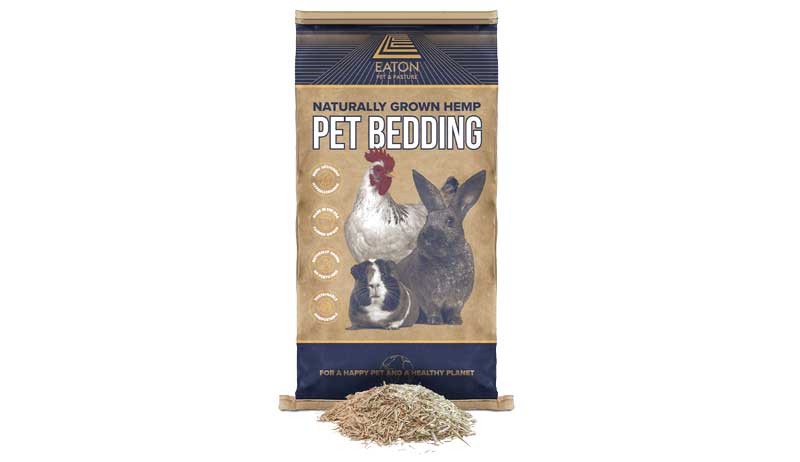
Eaton Pet & Pasture Hemp Bedding
Eaton Pet & Pasture’s naturally-grown hemp bedding for brooders and nesting boxes is virtually dust-free, soft and cozy, absorbent and odor-eliminating. $18.99, 8-pound bag.
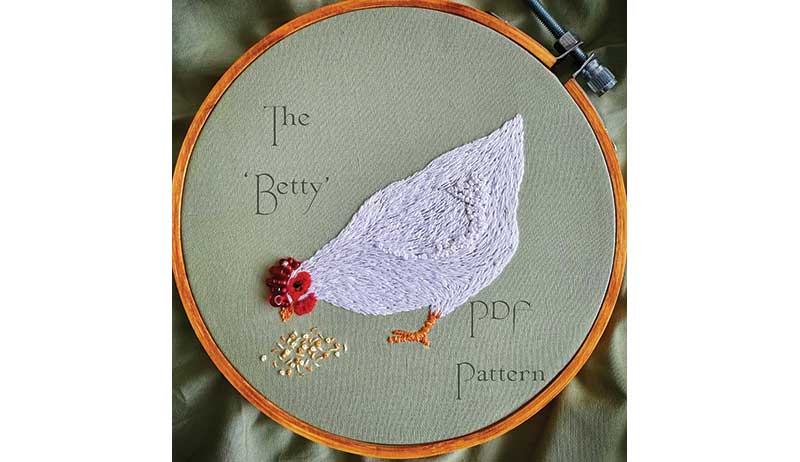
Custom-Made PDF Pattern
Embroider a custom-made pattern of your feathered friends from Texas artist Amanda Barnes or check out the multitude of PDF patterns for download. $5 and up.
Comb & Wattle Salve
Prevent frostbite and promote healing with all-natural Henny+Roo Peppermint Lavender Comb & Wattle Salve, made with coconut oil, beeswax, and peppermint and lavender essential. It also works on human dry skin and cracked cuticles. $10.95.
The Extreme Feeder II offers a gravity-fed, portable design that allows birds to eat when they choose from four covered ports while keeping up to 25 pounds of feed off the ground and dry. $45.
Egg Container
Display, transport and/or store 12 regular-sized chicken eggs in a reusable, transparent egg container with an unbendable lid. $12.99.
This article originally appeared in the January/February 2023 issue of Chickens magazine.
Knowledge is a key part of animal care. Sure, the physical work plays a large role, but a solid understanding of your chickens’ physiology is important for ensuring you provide the best care you can. Plus, you’ll increase your own enjoyment of farming when you take the time to learn some of the fascinating biology of these animals that you spend so much time with. To that end, we’ll take a “look” at one very interesting attribute of your chickens: their eyesight.
At first, you might not think there would be much to say about the topic. Chickens have eyes, and aren’t they pretty much like ours?
There certainly are some similarities between human and chicken vision. But chicken vision is substantially different from ours, and understanding the hows and whys can help explain some unique chicken behaviors.
Monocular Vision
People have what is called binocular vision. The word “binocular” in everyday use might imply magnification. But in biology, binocular vision just means that both eyes work together to form a single image.
It’s not that you can’t see with just one eye, but both eyes are designed to function in tandem and produce a 3D image with depth perception. And, all things being equal, two eyes focusing together produce a sharper image.
But chickens have monocular vision. While they still have two eyes, of course, the eyes are widely separated on each side of the head. The advantage here is that the chicken picks up an extremely wide field of vision—300 degrees, compared to a human’s 180.
A wide field of vision is typical of prey animals (such as chickens), as it helps them watch for predators in more directions at once. While chickens’ vision does overlap a little bit in front of their beak, this binocular portion is limited. The key takeaway is that chickens’ eyes can focus on and form two completely different images in their brain.
Joseph Kirsch/Adobe Stock
Different Eyes for Different Tasks
In chickens, each eye sees different views and is designed for different uses. Surprisingly, a chicken’s left eye excels at focusing on distant objects (such as keeping a watch on the environment), while the right eye is good at close focus (such as when searching for objects on the ground). And chickens can multitask in this way, looking at and observing two different things at once.
This difference in focusing abilities develops while the chick is still inside the egg. Chicks orient themselves so that the left eye is against their body and the right eye is near the semitransparent eggshell.
This results in two different near- and far-sighted eyes and explains why chickens tend to tilt their heads to the left side when looking up at something.
Motion Vision
Chickens need to notice and track moving objects for a couple of reasons. First, it helps them find little insects on the ground. Secondly, it aids in watching for predators. Fortunately for the chickens, a double cone structure in their retinas provides them with better motion perception than we have.
They’re more attuned to motion and more likely to notice something moving.
There’s another, somewhat related factor. To borrow a term from video technologies, human eyes can detect motion at what we could call about 30 frames every second. Flickering devices such as a TV, computer screen and LED lights operate at a higher rate than this—about 60 hertz—to ensure your eyes perceive the flicker as smooth motion and constant light.
But your chickens’ vision is completely different. They can see about 150 to 200 frames per second (and thus wouldn’t enjoy watching TV too much!). As a result, you should only light your coop with LED bulbs with a high refreshing rate.
Understanding color in your chickens’ vision requires a quick science lesson, but one worth taking. Briefly, what we typically refer to as “light”—meaning the shining sun and all of the colors of the world—is just one small piece of the much broader electromagnetic spectrum.
When you look at a rainbow, you see all the wavelengths of colors lined up neatly: violet, blue, green, yellow, orange, red. Our eyes are receptive to that specific portion of the spectrum. But other wavelengths of “light” are out there that we can’t see—such as radio waves or X-rays, for example.
Chickens vision is interesting because they can perceive ultraviolet light—a wavelength that is just below violet on the spectrum. This is in addition to the standard set of colors that humans can see. It’s impossible to imagine what this must look like to the chickens, but we can make some educated guesses.
Chickens can probably look at a rainbow and see an additional band. But there are other, more practical advantages.
Certain foods that chickens forage for (such as insects, seeds and some fruits) are all easier to see in ultraviolet light, especially when foliage is surrounding them. So seeing in this wavelength helps chickens locate their next meal. Feathers also have a distinctive look in ultraviolet light, and mother hens may use this fact to evaluate which chicks are developing properly (i.e., growing feathers the fastest).
In some other bird species, ultraviolet light reveals unique feather patterns, making it possible for the birds to differentiate males and females even when there isn’t a visible difference to humans.
Because of this ability to detect ultraviolet light, avoid fluorescent light fixtures in your coop, as the chickens would be able to see an annoying flicker from this type of device.
Vidady/Adobe Stock
That Third Eyelid
Photographers who work with chickens (such as me!) quickly learn that these birds possess a unique eye feature that humans don’t: a third eyelid called the nictitating membrane. If you’ve ever taken even a few photographs of a chicken, you’ve probably seen how the third eyelid invariably shows itself, creating an unusual semitransparent appearance over the surface of the eye.
The membrane, which is found in plenty of birds, reptiles and some mammals (dogs have one), is primarily used to protect the eye, to clean it, to lubricate it and even to aid in healing. It functions almost like a biological windshield wiper, drifting across the eye horizontally and then back again.
The transparent feature allows the chicken to see through the third eyelid while it’s closed. Some birds use it as a built-in safety feature when pecking or feeding young.
Not Much Eye Movement
Chickens generally tend to move their heads in a rather quick, jerking fashion. If they want to look at something new, they usually do so with a rapid head turn.
Part of the reason behind this is that chickens don’t rely much on eye movements. They can turn their eyes from side to side the way we do, but they don’t do it nearly as much and instead opt to turn the entire head.
For all their advantages, a chicken’s eyes are lacking when it comes to night vision. Humans don’t have fantastic night vision either, especially when compared to cats. But we see substantially better in the dark than chickens.
This lack of solid night vision is probably a major reason why chickens are perfectly content to quietly wait through the night in their coop and are not nocturnal.
Your chickens are amazing birds—and they are amazingly suited for seeing the world in a chicken-specific way that is beneficial to them and interesting to us. The next time you’re out in the coop enjoying your flock, don’t just rush through your chores—take a minute to think about the fascinating biology of your birds, especially their unique vision.
More Information
The Pineal Gland
While unrelated to vision, it’s worth noting that the light-sensitive pineal gland in a chicken’s brain can be stimulated through the skin. So even a chicken who is blind visually is still capable of perceiving day/night changes and seasonal lighting effects.
Hens adjust their egg production based off of this and produce fewer eggs as winter approaches.
This article originally appeared in the January/February 2023 issue of Chickens magazine.
Chicken-keepers have it easy. Our workload is relatively light. Especially in the seasons when gardeners and farmers have it toughest (spring and summer), we’re lucky. When shepherds are tending to their flocks by midwifing does and ewes in the wee hours of the morning, chicken-keepers sit back and watch the eggs roll in. As milk demands to be collected from young cows with calves, requiring morning and evening milkings, the chicken keeper sleeps in, content knowing the flock is safe behind a locked coop door. However, one time of the year that our chickens need a bit more of a leg up is winter.
Hot summers pose their challenges, too, to be sure. But winter requires hands-on maintenance by the flock-keeper. The work you do in the winter will be compounded by harsh winds, snowdrifts and cold temperatures, after all.
Prepare Chickens for Winter
The best way to combat winter challenges? Anticipate them. This means preparing as much as possible in advance.
So, fall should be a busy season: bedding down the coop, buying extra feed and having medical remedies on hand. Tackle repairs and replacements in the autumn, before things break down and need attention. And before it gets too cold.
Get the Shelter in Shape
When fortifying your flock’s living space, start with the housing itself. Most people speak of the “spring cleaning” urge, but in the chicken coop, that may well be the “fall cleaning” rush.
When the hens slow their laying and the molts begin, you feel the change in season and it’s time to give everything a good, deep clean. Scrub water fonts, feeders, miscellaneous dishes and snack baskets. Remove old bedding in the nest boxes, especially material that’s soiled from the season of use.
Scrub roosts and remove debris, especially if you heat the coop or part of the structure with an electric lamp.
While everything is out in the open, check the coop for damage, holes, gaps or sections of the structure needing repair. As you look, keep your local predators in mind. What types of predatory animals could take advantage of each weak point in your coop?
Are there gaps in fencing? Low, loose fencing or wire mesh? Holes in the coop 1 inch in diameter or larger? Mice, rats and weasels, which are especially damaging and dangerous to stored feed and the chickens themselves, can squeeze through a hole about an inch wide. Address and repair anything that size or bigger right away. Loose or flimsy fencing welcomes just about any predator, including dogs, raccoons, bears and bobcats.
Roofing is another major concern of coop security. Keeping the elements out of the roosting area and nesting boxes—the two most important parts of the coop’s interior—is the most important function of the roof. In summer, the roof keeps sun and rain out. In winter, it’s susceptible to damage from heavy snows and harsh winds.
The fall is a good time to investigate the quality of your coop’s roofing and make those repairs you’ve been putting off.
janaland/Adobe Stock
Winter Nutrition
In just about any part of North America, a winter flock of chickens will be missing something from its diet during the colder months. Fewer plants grow and thrive, meaning less green for free-ranging flocks. For most chicken keepers, providing supplemental food seems like a luxury, but let’s explore the benefits.
Chickens are omnivores, meaning they eat just about everything: greens, fruits, vegetables, seeds, nuts, small bugs and even small animals, such as rodents or snakes. Like us, chickens thrive on variety and diversity in food sources. Summer chickens can free-range and source a variety of growing things on pasture, if you let them. But even free-ranging winter chickens are at a loss. Any flock will benefit from some extra supplements in the winter—even if it’s just leftovers or peelings from your kitchen.
Winter is a great time to start the habit of giving your chickens kitchen scraps.
It’s cold, I know. The last thing you want to do after making dinner is go outside. But your chickens will thank you—maybe not with a nice card but certainly with a few clucks and an occasionally much-anticipated weekly winter egg.
All manner of greens, fresh fruit and vegetables, kitchen clippings and leftovers are fair game for chickens, if the mix doesn’t include avocados (the pits leach a chemical toxic to all birds), raw potatoes, or anything excessively oily or greasy (such as old takeout). Fresh food that’s a few days past prime is fine, but avoid offering anything rotten or moldy.
That’s best left to the compost pile.
And, if ever there were a time to spoil your birds rotten with treats, winter would be it. Scratch is a fabulous winter treat because it offers variety to an otherwise mundane diet, and it raises body temperatures as the bird digests it and keeps the chicken warm.
Mealworms and sunflower seed treats are a great source of protein and a fun activity for chickens cooped up during winter snowstorms.
It’s easy to forget about water in the winter: No one pants or breaks a sweat. And while it seems we can all go with less water in the colder months, our flocks need it every bit as much as in the summer, if not more.
The trick is keeping water available under freezing conditions.
When water freezes, you have two choices:
Keep an extra set of waterers, and switch them out daily for thawed water.
Heat the water font so that water is always available.
Both options have obvious drawbacks: Lugging water back and forth from a heated house is not much fun, certainly less so in the winter, while heating a water font poses a fire hazard.
Those chicken-keepers in the southern states might be able to get away with lugging frozen water fonts for the few days or weeks out of the year that require it. Those in the Northern and Midwestern states might find that they need to research the safest heating options.
Ah, we have reached the most contentious point of winter maintenance: heating the chicken coop. Proponents of heating the coop prefer to keep their flocks comfortable and pampered. Some are concerned about extreme cold, frostbite and even death.
It’s true that some chicken breeds, such as the Silkie, absolutely require milder temperatures to not only thrive but to live. But with thoughtful attention and care to your chicken-keeping journey, I don’t believe anyone should need to heat the coop.
Artificially heating the coop—such as with a heat lamp—does several things. It brings the inside temperature to a higher degree than the outside temperature, putting chickens at risk for being unable to maintain their body temperature. Should you lose power to the coop on a very cold night, the plunging temperatures could be enough to seriously injure the flock or even result in death.
Some might say that heating the coop will keep any indoor water fonts from freezing, but that’s a small consolation. The larger issue is that heating the coop poses an unnecessary fire hazard. Many a coop fire—and flock deaths—could have been avoided by a few simple precautions instead. Flock deaths from fires or power outages are more likely than those from cold, when birds have been properly acclimated and protected.
First, try to only raise cold-hardy birds, naturally suited to your region. This ends the dream of owning Silkies or Naked Necks in Alaska. But if a thriving, low-maintenance flock is your goal, start with the right breeds.
Rhode Island Reds, Ameraucanas, Plymouth Rocks, Australorps and Orpingtons are all wonderfully cold-hardy breeds with winning personalities and phenomenal egg-laying abilities that are loved by millions of flock keepers. Consider breed selection to be your first winterizing task.
Next, prep the coop. A coop should have adequate ventilation but no drafts, especially around the roosts where the birds sleep at night, the coldest hours of the day. Insulation in the walls of the coop and windbreaks around the coop’s location go a long way toward keeping the coop moderate during nighttime. You can also consider employing the deep-litter method to raise the temps up even higher.
Finally, allow your birds to acclimate to your region’s winter temperatures naturally. Through the autumn season, they’ll adjust to the coming cold. With additional nutrition and a fortified coop, they’ll ease into winter with grace and be strong enough to handle the cold with your help.
Xalanx/Adobe Stock
Have Extras
It never hurts to have extras. Emergency preparedness experts advise to have at least two to three weeks worth of food, medical supplies and medicine on hand in case of emergencies. A wise chicken-keeper applies this to his or her flock in the winter, too. Even in my relatively mild winters in the Southeast, a surprise blizzard at just the right time could leave us without access to feed and other necessities.
A good rule of thumb is to always keep one month’s worth of feed on hand. Extend that to medical supplies, such as first-aid-kit essentials for pets. During the fall, stock up on nutrients and supplements, such as grit, oyster shells and scratch, as well as feed.
Store everything tightly and away from hungry winter scavengers, such as mice, rats and raccoons.
Winter can be a wonderful season for chickens. The birds are relieved of the summer heat, and most of the laying hens take a hiatus from their egg-laying duties. They’re not bothered or stressed by moving locations to fair shows, loud mowing chores or additions to the flock. Things are slow and quiet, and winter is a time of rest for all.
If you spend adequate time and effort on preparation and maintenance early on, it can be a time of rest for you, too.
Rolling in the Deep
Some critics call the deep-litter method of coop maintenance lazy. Others find it ingenious. What if they’re both right?
The deep-litter method maintains the coop’s bedding without wasting the resources of the raw materials—bedding and chicken manure. In the traditional method, bedding is laid in the coop’s floor several inches thick. As the flock lives among the bedding, roosting above it for weeks and months on end, the droppings decompose with the bedding material.
The decomposition process produces heat, making the deep-litter method ideal for naturally warming winter coops and keeping temperatures inside the structure stable.
Why is this method considered lazy? Well, for one, you don’t remove the bedding all year. Chicken droppings continue to pile up, and the chicken-keeper mixes the bedding and adds more as needed. How much and when to add it is not an exact science. It depends on the size of your coop, the size of your flock, the type of bedding you use and your frequency of maintaining it.
Generally speaking, most chicken keepers can get away with completely changing the litter one time per calendar year. When that happens is also up to you, but it’s typically best done in spring or fall.
So why is the deep-litter method ingenious? Well, it takes advantage of the chicken’s naturally hot manure, and turns the whole coop into a giant compost pile. That doesn’t sound so nice, does it?
The fact is, with some attention, the coop should not smell or cause illness to you or the birds. Regular maintenance of bedding replacement and mixing is necessary to keep it clean, but the bedding and droppings are still doing what they do best: breaking down into something usable again.
When fully decomposed and added with other substances, such as garden soil, the litter becomes fertilizing garden gold with minimal effort.
This article originally appeared in the January/February 2023 issue of Chickens magazine.
In order to preserve the genetics responsible for beloved apple varieties, apple trees are produced by grafting. This means that scion wood (or even just a bud) from a preferred specimen is grafted to rootstock so that the tree above the graft union is genetically identical to the tree from which the scion wood came.
The scion wood is what makes an apple tree grow into a specific variety. But exactly how the scion wood performs is influenced by the rootstock on which it grows. If you’re interested in grafting apple trees, choosing the right rootstock is a critical step.
Here are four things to consider when buying apple rootstock.
What size of apple tree would you like to grow? This should be determined before you acquire rootstock, because the rootstock plays a big role in the size of the eventual tree.
Some rootstocks have strong dwarfing tendencies, growing small trees that can be squeezed into tiny lawns and tight spaces. Consider M.27 rootstock, which dwarfs trees down to 6 feet tall or less. Other rootstocks produce semi-dwarf trees, and some have little to no dwarfing tendency.
So what size tree would you like? Are you looking for a dwarf tree that’s easy to pick by hand or with a short apple picker? Or do you want to grow a standard-sized tree that reaches 30 feet tall and produces large crops of apples?
The choice is yours, and it starts with the rootstock.
Cold Tolerance
Rootstock hardiness varies from one type to another. And you don’t want to inadvertently purchase rootstock that isn’t hardy enough to survive your local winters.
Use the USDA Plant Hardiness Zone Map to determine the typical extreme minimum winter temperature for your area. Then shop for rootstock that is sufficiently hardy for your zone. Antonovka rootstock, for example, is considered hardy down to -50 degrees F, which means it can survive all the way into Zone 2 (where the average extreme minimum temperature is -40 to -50 degrees F).
Keep in mind, however, that cold hardiness isn’t just about tolerating extremely cold temperatures. Some rootstocks are better able to handle the temperature swings associated with winters in warmer locales. Putting in the research to find a rootstock proven to succeed in your area is worth the time investment, given the long-term rewards you’ll reap from the resulting trees.
Rootstocks can also vary in their resistance to different apple tree diseases. M.9, for example, puts up a good fight against the fungal disease that causes collar rot in poorly drained soils. If you know that apple trees in your area struggle against a certain disease, see if you can find a rootstock that offers some natural resistance.
Soil Preferences
Not all rootstocks relish all types of soil, though some are more adaptable than others. If you have clay-based soil, shop for rootstock that can handle heavy (and possibly damp) soils. If you’re not sure what type of soil you have, conduct some research or have your soil analyzed. You’ll learn a lot and set yourself up for success choosing suitable rootstock.
Planting an orchard is a delightful project, especially when you’re grafting trees perfectly suited for your area and needs. Have fun!
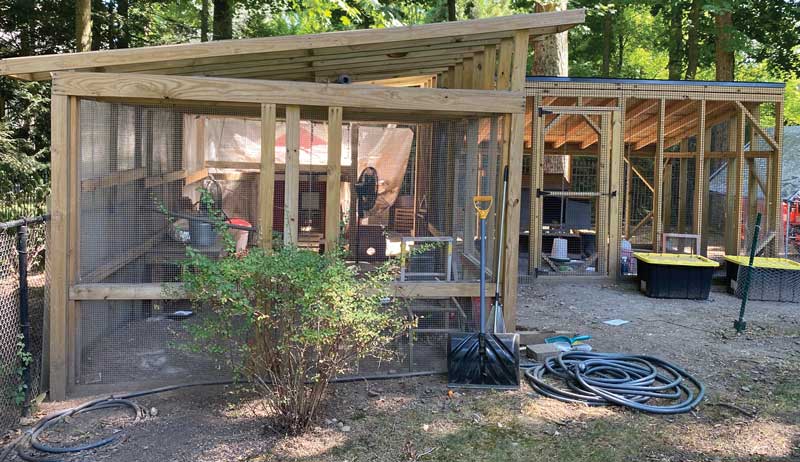
When we moved into our new home, it came complete with four hens in a tiny chicken coop with a tiny run. They slept on the roof. Since then, we built them a 5-by-8-foot, raised barn/coop and started over from scratch (no pun intended!).
Next, we constructed a 10-by-16-foot run with an angled roof with corrugated plexiglass for water and snow runoff. In the winter, we put corrugated plexiglass around almost the entire run to keep it nice and warm. We added an adjunct 10-by-12-foot run with a slanted shingled roof so they could also see out and have fresh air, and connected the two with a chicken door.
We currently have young pullets, so a screen blocks the two sides and a mini-coop/loft sits in the young ones’ run.
We love the option to have shelter in the winter and to be able to strip it down in the hot summer. We built a “screen” door inside the outer door of our coop—constructed from hardware cloth—so in the heat of summer, we prop the outer door open and secure the screen door.
A tiny air conditioner is rigged up underneath the corrugated that we can install in one of the coop windows when temperatures reach triple digits. It only gets the chicken coop down to about 78 degrees, but that’s perfect for them. On normal summer days, we detach it, and window breezes flow through the door and lots of louver vents.
— Dana and Zach Koenig, Saddle River, New Jersey
This article originally appeared in the January/February 2023 issue of Chickens magazine as a “Cool Coop” feature. Have a cool coop you’d like to share? Email us a short write-up (~250 to 500 words) about your chicken coop along with a few images to chickens@chickensmagazine.com with the subject line One Cool Coop, and include your name and mailing address. Check out Chickens magazine for current prizes and contest rules.
A ubiquitous term at the salon or barbershop is “cowlick.” That pesky wave of hair that just won’t lay flat is sometimes more pronounced in some than others. But everyone has a hair whorl at the crown of his or her head. Cattle and other livestock such as horses have a similar cowlick whorl but in a more obvious place—usually right between the eyes. And it turns out these whorls may be more than an aesthetic quirk.
A little over two decades ago, animal behaviorists began to notice a connection between crazy hair whorls and crazy animals. Turns out there is science behind hair whorls and brain development—both in bovines and humans.
Location, Location
Dr. Temple Grandin, professor of animal science at Colorado State University and author of the best-selling book Animals in Translation, first noticed a connection between the location of a bull’s hair whorl and whether the animal was excitable when handled by humans.
Studies showed that location—meaning above, between or below the eyes—as well as shape of the whorl could be, to some extent, a predictor of excitable behavior in cattle.
In 1995, Grandin published findings that cattle with whorls high on the face—above the eyes—were significantly more excitable than animals with whorls lower on the face. This could be utilized by farmers for breeding decisions, helping them choose animals with calmer temperaments for their breeding programs.
But how, then, are hair growth patterns and temperament related? It all has to do with brain development. Skin cells and neurons (brain cells) come from the same location in the embryo, a layer of cells called the ectoderm. As these cells migrate during embryonic development, both brain cells and skin cells remain intertwined, especially on the head.
A study from the University of Limerick in Ireland in 2008 demonstrated that horses with clockwise hair whorls were significantly more likely to move toward the right, or begin a gait with the right-sided hooves. In essence, these horses were right-handed.
And the horses with counterclockwise whorls? Yep, lefties. Research has also shown that within the human population, the majority is right-handed and demonstrates a clockwise hair whorl.
Other Indicators
Apart from a whorl’s directionality and location, Grandin has also found that cattle with very odd-sized or -shaped whorls are associated with abnormal and sometimes dangerous behavior. Normal hair whorls between the eyes of a cow are typically circular and either turn clockwise or counter-clockwise. Abnormal whorls would be those that appear either very high or very low on the forehead or are more linear in shape.
She warns against cattle with a stripe down their face akin to a lightning bolt. Although rare, those animals tend to be extremely excitable and dangerous to handle.
In the early 2000s, Grandin found another interesting link with hair whorls, this time connecting the shape of the whorl with bull reproductive parameters. This time, Grandin demonstrated that bulls with round whorls had a higher percentage of normal sperm as compared to bulls with an elongated whorl on their faces. Bulls with round whorls averaged 77.6 percent normal sperm while bulls with elongated whorls had 69.4 percent normal sperm.
While a 77 to 69 percent difference may not seem like much, remember that for a bull to pass a breeding soundness exam (BSE), he should have a minimum of 70 percent normal sperm. An abnormal whorl could mean the difference between a bull that makes the cut for entry into a breeding program and one that doesn’t.
As with the connection between whorls, temperament and embryonic development, there is also a link between skin and gonad development in the fetus.
Next time you’re among cattle, take a close look at a face and try to find the shape and location of the cowlick. You just might make some interesting connections between their hair and their personality.
If you farm and/or keep chickens, you know the very real trouble of dealing with predators. In their endless quest for a free, easy meal, wildlife can (and will) attack a beloved hen or decimate a row of carefully tended produce. While we can’t blame these creatures for seeking out food to survive, it’s normal to feel frustrated or even heartbroken when an unexpected animal causes harm on our growing space.
There are different methods for dealing with different predators, each with its own set of pros and cons. And of course securing against predators is the first step in preventing an animal intrusion.
But it’s also endlessly helpful to know what animal you’re dealing with. After an attack, it’s true that various predators leave telltale signs. But you can also know what’s sneaking around before an attack using a scent station.
What’s a scent station? Well, it’s really just a trap, of sorts, meant to attract predators for easier identification.
Here’s what we do on our farm.
Rake a dirt area clear of debris for a smooth-as-possible surface. It doesn’t need to be perfect, but try to get it as flat and smooth as possible.
Put down some regular white flour in a hula-hoop sized circle, starting with the outline then filling it in with flour for a big, flour circle. You can rake this circle of flour to even things out, but ideally the flour will cover all the dirt.
For step three, we put the “scent” in our scent station to attract animals. I like to just dump a can of wet cat food in the middle of the flour circle.
This step is optional, but if you have some kind of surveillance camera such as a trail camera or just basic weather-proof security camera, you can set it up to monitor the scent station. In the video above, you’ll see that’s what I did—and I got a lot of answers about the predators on my farm!
Check out the video above to see what our scent station attracted, as well as what you can do to identify the predators on your land using a scent station of your own.