Categories
Crops & Gardening Farm & Garden Homesteading Permaculture

Cover Crop Your Garden For Obvious Benefits

There are many great benefits to planting a cover crop. Commercial market gardens and farmers have been cover cropping their gardens and fields for hundreds of years. The reasons aren’t even that obscure— most can be observed in the fall, winter and spring. 

By observing these benefits ourselves, we can truly find value in the time, space and energy it takes to cover crop our gardens.   

Cover cropping is not that laborious or expensive for the home grower. Also, using some of the techniques we share here (I also offer courses on my educational platform, EcosystemU.com), home growers can cover crop affordably and effectively.

Most gardens can be cover cropped completely for between $10 to $60!   

Observable Benefits 

There are tons of benefits to cover cropping, and we could fill a book exploring them all. But here are a few that are plainly obvious to the naked eye.

Ecosystem Health

The soil is full of organisms, full of soil life. It’s an entire ecosystem of microbiology at your feet. 

If you lift a handful of soil, you will see some creepy crawly organisms like earthworms. But there are oh so many others that you don’t see! 

I have done data collection to show the observable difference in soil organism habitat to the naked eye. It was a very simple process (which are ones I like best, because they are so practical and transferable to anyone anywhere). I walked my fields and adjacent farm fields, and people’s gardens in early spring after the long cold northeastern winter. 

Most fields are bare soil through winter and spring. However, there is always straggling weeds or debris. 

I would dig up 10 shovelfuls of random soil in these gardens and/or fields and look for observable soil organisms. I would also dig up 10 shovelfuls of soil from just immediately beside the random dandelion or other weed that was left and missed in plowing or in garden clean-up. 

Without fail, there were earthworks and other soil organisms living amidst that habitat of the vegetation. 

Why Is This? 

This is because vegetation provides shelter from the cold and other environmental extremes and provides food for these organisms. This doesn’t mean you need to leave weeds in your gardens. And it certainly doesn’t mean to be careless in your garden process in preparation for winter. 

Rather, it means cover cropping can provide that habitat for soil life in an organized way. It is easy to cover crop the garden, then remove the cover in spring for planting. Or you can leave the green matter to let the field regenerate through early summer and plant late summer/fall crops! 

Example

Winter rye can be established very late in growing season, even putting on new growth in temperatures around 37 to 50 degrees F. It can establish a protective cover over the soil so the soil life is safe in the cold winter extremes and provide them with habitat through til spring, when the land can be re-prepared. 


Read more: You can use worm counts to asses your soil’s health and improvement. 


Erosion Prevention

The soil is vulnerable to erosion, and during the spring, when the snow melts and the rain falls, we risk losing valuable nutrients and soil organic matter. But the roots of cover crops will hold this soil in place and keep these nutrients in your gardens. 

This is also easily observable. Go out in the late winter when the snow is just starting to melt on your land. Look at the area where it melts first and the way it forms melt pools and little melt rivulets on the surface of the snow pack, resulting in soil erosion. 

Why is this?

These areas are going to have high amounts of water flow for a short period of time. This means the ability of the soil structure in your yard or field to hold on to particles of silt, sand and clay will be overcome. 

The melt water in the spring has a higher volume and also a higher carry capacity to move particles of earth. Cover crops hold soil aggregates, and their leaves buffer and slow rain in spring. This can impact the ground, causing bursts and little blow outs in the soil surface that can then be eroded! 

Example

A cover crop of peas and oats can be seeded in late summer to establish a strong mat of dense vegetation before the first frost. The frost will kill the cover crop but leave a protective cover to reduce erosion in the spring. You’ll then be able to turn the garden into new beds for spring plantings. 


Read more: The first step of garden soil fertility improvement? Getting the garden in shape.


Cover Crops Boost Fertility

The fertilizers and other nutrients in your soil are lost easily. When we apply fertility into bare soil it can easily be eroded, leached into the subsoil or lost into the atmosphere. Crops helps to capture nutrients by using them. 

Why is this?

At times of the year when there are no crops on the bed tops or fields, nutrients are readily lost. The soil is an engine and always functions, but we cannot control when nutrients are released from their bonds on soil particles. 

Yet, if we have cover crops established in our gardens at times of the year when the garden isn’t growing crops, then these cover crops can act as nutrient sponges, taking up the soluble nutrients and converting them to organic matter. This fixes these nutrients, storing them safely for future use as the cover crops decompose. 

Example

Clover will fix lots of nitrogen. If you fry it back with a black tarp prior to planting, it will release this nitrogen and other nutrients quickly back into the soil for your plants to use. 

 Cover crops can be quite helpful for you and your soil allies! 

 Grow On, 

 Zach 
Categories
Crops & Gardening Farm & Garden Food Recipes

Recipe: This Pear Jam Brings Autumnal Fruit Flavor

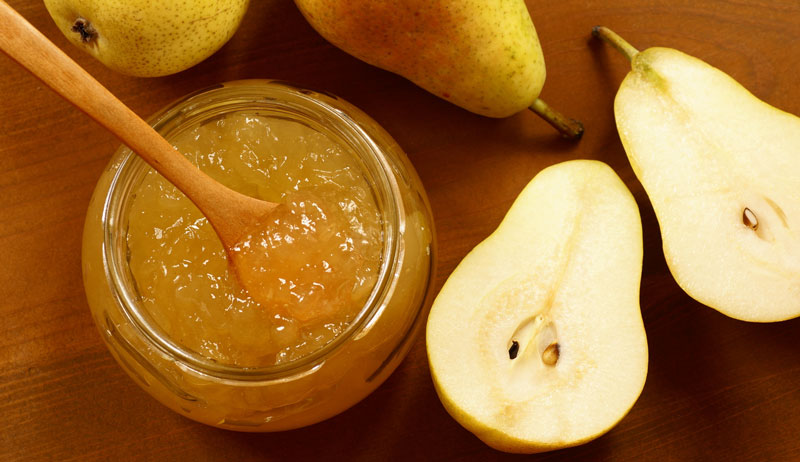
Pears are one of the fruits I tend to preserve with the least. But I’m always elated when I do. They’re one of those special preserves in my pantry that I covet. The fruit can be canned as pear jam or jelly, transformed into chutneys, pickled and infused, dehydrated into chips, frozen for later use and so much more.

The jam recipe I share here is the perfect flavor for fall. It is an enjoyable spread over warm toast or pancakes, delicious dolloped over soft cheeses or served as a glaze over grilled protein.

Yield: 3 pints (or 6 – 8oz jelly jars)

Ingredients

  • 8 cups pears, cores removed, diced
  • 4 cups white granulated sugar
  • 1 tbsp ground cinnamon
  • 1/2 tsp ground nutmeg
  • 1/2 tsp ground ginger
  • 1/8 tsp ground cloves
  • 2 tbsp lemon juice

Directions

Wash and core pears, removing any flawed or bruised spots. Add diced pears to a large, heavy-bottomed, non-reactive pot. Add sugar and mix well to coat the pears.

Cook over medium heat until the pears can easily be pierced with a fork. Use a potato masher to gently smash the pears into a smoother consistency. Don’t break them down completely, though, as you’ll want this jam to have some chunks for texture.

Add in the seasonings and lemon juice, mix well and cook until the mixture thickens. Stir often to avoid burning.


Read more: You can freeze your fruit harvest for quick and easy preservation.


Refrigeration Instructions

Ladle the hot pear jam into warm prepared jars (canning jars washed with warm, soapy water and kept warm until filling). Add washed lids and tighten on the rings.

Once cooled, refrigerate and enjoy within two months.

Water Bath Canning Instructions

Ladle the hot pear jam into warm prepared jars (canning jars washed with warm, soapy water and kept warm until filling). Leave 1/4-inch headspace (room from the jam to the rim of the jar).

Use a clean, dampened, lint-free towel or paper towel to wipe the rims of the jars, removing any spillage. Place the canning jar lids on the rim of the jars and screw the rings on until they are gently snug (not fully tightened).

Lower the jars into a hot water bath and cover the canning pot with its lid. Turn up the heat to high. Once the canner reaches a rolling boil, set the timer for ten minutes.

Adjust time for altitude.

Once water bath processed, carefully remove the jars from the canner and place them on a towel-lined surface for 12 hours without touching. After 12 hours, remove the rings and test that the lids are completely suctioned to the jar. Wipe jars clean, label and date the jars.

Preserved jars of jam will keep for at least one year shelf stable but must be transferred to the refrigerator once the seal is broken.

Side Notes

According to the Penn State Extension Office, the best pears for preserving with are Bartlett, Bosc, Anjou and Comice.

You can leave the skins on for this recipe or remove them. It’s up to your personal preference.

Feel free to omit and adjust seasonings in this recipe. A plain pear and cinnamon jam is just as delicious.

Use an immersion blender instead of a potato masher to make a pear butter instead of a jam.

For more information on safe home water bath canning, read through this USDA resource.

For more canning recipes, check out Thurow’s book Can It & Ferment It.

Categories
Crops & Gardening Farm & Garden Food Recipes

Can Your Pumpkin For On-Demand, Anytime Pie Puree

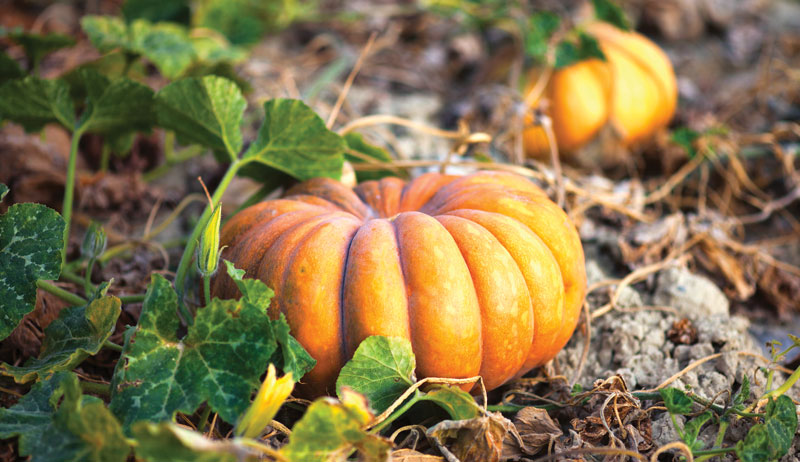
I was ecstatic the first time we grew pumpkins. My kids anxiously awaited their homegrown jack-o’-lanterns while I eagerly envisioned homemade pumpkin pies. Pie pumpkins, jacks, miniatures and even Cinderellas sprawled across our too-small garden that year. Our family was surprised at the sheer quantity of pumpkins a tiny patch can provide! 

In the years since, we have narrowed down our selection of pumpkin varieties to those that make the best decorations and the best pumpkin pies. Even better, all those pumpkins are readily preserved with a pressure canner, a few jars and a bit of time.

Here’s how we turn our pumpkin patch into a larder full of jars, each ready to make a pie.

Pumpkin Selection

The good news is that it only takes two to four plants to produce all the pumpkin puree a small family will likely need for an entire year. However, you don’t have to grow your own pumpkins to achieve that sought-after, fresh-from-the-farm flavor.

Beginning around September and running through the holidays, most regions maintain a steady supply of these delectable orbs in the stores and the farmers markets. From-scratch baking is just a simple matter of making a quick trip to town. 

The best pumpkins to use in any type of recipe are by far the pie pumpkins. Also commonly called sugar pumpkins, these varieties are much smaller than the more recognizable jack-o’-lantern varieties and boast a significantly higher sugar content. Most pie pumpkins also produce a smoother final product than others, such as the jack-o’-lantern varieties. 

However, don’t be discouraged if a large jack-o’-lantern is the only pumpkin you have access to. While technically not the best for pies or other pumpkin-based food fare, these will still produce a fine end product with a little extra prep. Most often, this simply means adding more sugar to the recipe than originally called for to offset the lower sugar content.

These pumpkins also tend to be stringier than their smaller counterparts and may require additional runs through a sieve or blender to create the smoothest texture possible. So don’t worry if you can’t find those little pie pumpkins.

Regardless which type of pumpkin you select, always go for the firmest pumpkins available with little to no blemishes. Stems should be firm and connected solidly to the pumpkin. You should notice no soft spots, including on the bottom of the pumpkin.

When handling, hold pumpkins by the sides and not the stem to avoid damaging the tender flesh inside. Store pumpkins in a cool, preferably dark, location until ready to process.


Read more: Save seeds from your pumpkins! This video shows you how.


Canning Help

While it’s true that pumpkin can be easily frozen for future use, not everyone has access to extra freezer space. By using a pressure canner, however, enough pumpkin can be processed within a few short hours to supply a small family with an entire year’s worth of pumpkin products.

Just be sure to follow the USDA’s safety guidelines to ensure the final product is safe for consumption.

Step 1

Carefully wash pumpkins to be canned. Using a sharp knife, slice the pumpkin into halves. With a large spoon, remove seeds and any visible strings just as you would do with a jack-o’-lantern. Set seeds aside for later use as desired.

Step 2

Once the seeds are removed, slice the two halves into 1-inch-long strips. Carefully remove the rind from the flesh and discard. Cut each strip into 1-inch cubes.

Step 3

Place cubes in a saucepan. Cover cubes with water. Boil 2 minutes. Cubes should not be soft or mushy but should retain a level of firmness. (Note: According to the USDA, pureed forms of pumpkin can’t be safely canned in any manner in a home-canning environment.)

pumpkin pie canned
Kristi Cook
Step 4

Prepare hot jars, lids and bands according to the manufacturer’s recommendations. 

Step 5

Fill hot jars with cubes and cooking liquid, leaving 1-inch head space. Be careful to not overpack cubes. Some cubes may become squashed in the bottom, so just be extra careful to avoid squashing as much as possible. Remove air bubbles and adjust headspace, if needed. 

Step 6

Wipe rims of jars with a dampened clean paper towel. Adjust lids and process in a pressure canner according to the floowing “Pressure Points” chart. 

From Jar to Pumpkin Puree

Minimal time and equipment are needed to turn those golden cubes into a velvety smooth puree ready for Thanksgiving pumpkin pie. Just drain the excess liquid from the jar and blend. It couldn’t be simpler. 

  • One quart jar of home-canned pumpkin cubes is the equivalent of one 15-ounce commercially prepared can of pumpkin puree. 
  • To achieve the smoothest texture, puree canned pumpkin cubes using a potato masher, ricer, sieve, blender or processor.
  • If using jack-o’-lantern pumpkins, additional blending may be required to achieve the desired smoothness. 
  • Fresh purees can be slightly more watery than standard canned pumpkin. To alleviate this concern, strain and/or squeeze excess liquid from puree using cheesecloth until desired consistency is achieved.
  • Jack-o’-lantern type pumpkins often require an additional 14– to 12-cup granulated or brown sugar to achieve the same level of sweetness as pies made with pie pumpkins. 

Once you’ve tried your hand at pumpkin pie in a jar, you may be surprised to find you no longer have a need for the commercially prepared versions of pumpkin puree. Your new creations will have a richer, fuller flavor reminiscent of all things made from scratch. The trick is to find which pumpkins you enjoy best.


More Information

From-Scratch Pie Crust

I don’t recall where I found this recipe, but it has become one of my family’s favorites over the years. Light and flaky with a hint of buttery goodness, this recipe uses butter and shortening. Make a delicious pumpkin pie or whatever pastry you fancy!

However, I’ve had great success swapping the butter entirely for shortening when butter wasn’t available. This dough freezes exceptionally well for up to three months.

Ingredients
  • 2 12 cups unbleached all-purpose flour
  • 1 teaspoon salt 
  • 6 tablespoons unsalted butter, cut into cubes and chilled
  • 34 cups vegetable shortening, chilled
  • 12 cup ice water
Preparation

In a medium-sized bowl, combine flour and salt. Add butter and shortening to the bowl. Using a pastry blender or two forks, cut the butter into the flour until crumbly. 

Slowly add chilled water to the flour and butter mixture, one tablespoon at a time. Continue adding water slowly until dough can be formed into a smooth ball. (All of the water might not be needed.) Be careful not to overwork dough. 

Once smooth, divide dough into two equal balls. The extra dough ball may be placed in a baggie and frozen for later use. 

Lightly flour the work surface, placing dough ball in the center. Flip dough ball to allow both sides to be lightly coated in flour. With the rolling pin, begin rolling dough from the center out, turning dough in circles periodically to all for a more even circle of dough.

Roll until 12-inch thick.

Place crust into nongreased pie pan, crimping edges. Cover edges with aluminum foil to prevent over browning.

Crust is now ready for pie filling. For baked crust pies, bake each crust using pie weights at 375 degrees Fahrenheit for 10 to 15 minutes, or until lightly browned. 

pumpkin pie canned
Kristi Cook
Homemade Pumpkin Pie

Everyone needs a good pumpkin pie recipe. Here is mine. 

Ingredients
  • 1 34 cups pumpkin puree 
  • 1 23 cup evaporated milk
  • 1 egg, beaten
  • 1 cup firmly packed brown sugar
  • 2 tablespoons flour
  • 1 teaspoon cinnamon 
  • 12 teaspoon nutmeg
  • 12 teaspoon ginger
  • 14 teaspoon ground cloves
  • 12 teaspoon salt
  • 1 deep dish pie crust
Preparation

Preheat oven to 375 degrees F. In a large bowl, combine brown sugar, flour, salt and spices. Add pumpkin puree, evaporated milk and beaten egg. Stir until smooth. Pour into an unbaked pie crust. 

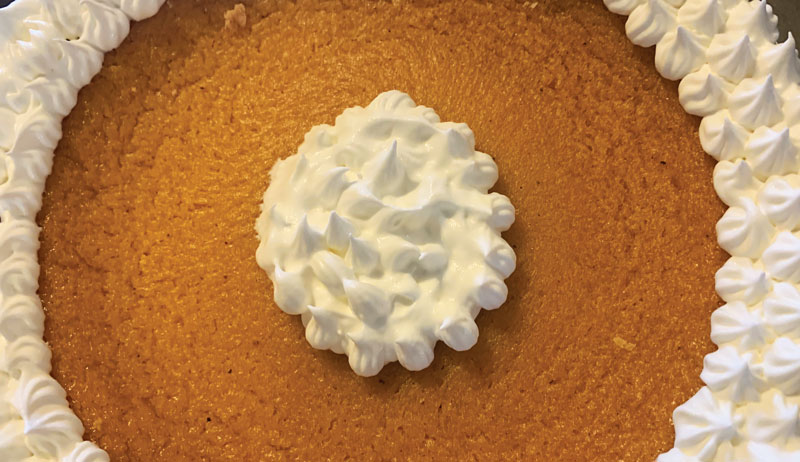
Bake for 40 to 45 minutes, or until knife comes out clean when inserted 2 inches from the edge of the pie. Serve warm with homemade whipped cream.

This article appeared in Hobby Farm Home, a 2023 specialty publication produced by the editors and writers of Hobby Farms magazine. In addition to this piece, Hobby Farm Home includes recipes, crafting projects, preservation tips and more. You can purchase this volume, Hobby Farms back issues as well as special editions such as Healing Herbs and  Goats 101 by following this link.

Categories
Beginning Farmers Farm & Garden Permaculture

Commitment To Permaculture Blossoms At Indara Farms

The roots of Indara Farms‘s permaculture operation go back to the days when founder Stephanie Cutmore grew up on a hobby farm. Cutmore says she has fond memories of “having the space and a large backyard that became my playground, making cubby houses in old gum trees, searching for tadpoles in creeks [and] making picnics on granite outcrops.”

Years later, Cutmore eventually founded her own venture, which is situated in Meckering, Western Australia. Along with an emphasis on permaculture farming techniques, the hobby farm also maintains a strong focus on producing vibrant flowers.

We spoke to Cutmore about her commitment to a permaculture philosophy and her recommended entry level tips. We also got into the importance of to-do lists.

Following the Permaculture Philosophy


View this post on Instagram


A post shared by Steph (@indara_farms)

“I was studying permaculture. While a lot of people associate permaculture with food, it also encourages you to think of ways to make the farm self-sustainable,” says Cutmore when asked about why she decided to make flowers such a focus of her farm.

“I am in a semi-arid area where a beautiful market garden probably wasn’t going to be sustainable, at least over the summer months where we lack rainfall,” she explains. “I was looking at our soil types and what would grow well here and realized that cut native flowers could work. They required a lot less water. They suited the soil types because I would choose ones that were suited to our growing conditions here. And they were being illegally harvested in the natural environment or grown overseas and imported with lots of chemical use involved.”

Cutmore sensed that she was being presented with an opportunity to not just grow flowers in a sustainable fashion and with permaculture principles in mind, but to also “educate people about the slow flower local movement that was starting to happen around the world.”

Lavender, Eucalyptus & Acacias


View this post on Instagram


A post shared by Steph (@indara_farms)

When it comes to selecting flowers for the farm, Cutmore says that she has been “planting tube stock since last year.” The most bountiful varieties to date, she adds, are acacias and eucalyptus.

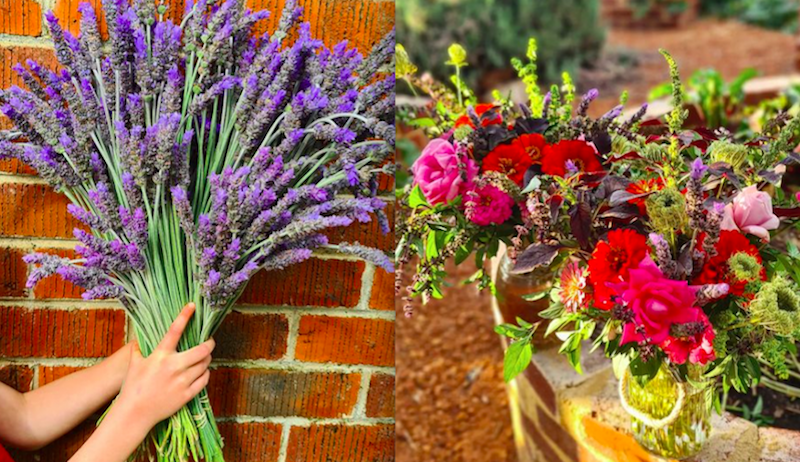
“There is also an old lavender planting here which also does incredibly well,” she adds. “That is one underestimated tough Mediterranean plant! Our summers we can reach up to 48 degrees Celsius and can go five months with no rain so it is a harsh hot summer for plants.”


Read more: Grow these old-fashioned flowers in your garden for something ‘new.’


Committing to Permaculture


View this post on Instagram


A post shared by Steph (@indara_farms)

“Permaculture has given me the tools and guidance I needed to get started,” says Cutmore of her abiding farming principles. She adds that these ethics are now “engrained in the way I think and help guide me to make decisions on the farm.”

The Importance of Planning


View this post on Instagram


A post shared by Steph (@indara_farms)

Keen to add permaculture tactics to your own gardening and farming routine? Cutmore suggests spending time teaching yourself about the key principles through reading books, watching YouTube videos and seeking out local proponents to chat with.

“The next thing would be to really sit back and take time to design on paper first,” she continues. “Get out the pencils and the measuring tapes and get all your ideas for your farm drawn out on paper. You don’t have to be an artist—you just need somewhere to start giving your ideas life.”

“I even created a vision board initially and I look back on this A3 page with cut-out magazine pictures and smile because I can also now look outside and see that vision been brought to life,” she adds. “You can always erase on paper—however it’s harder to move a concreted chicken coop if you change your mind later.”


Read more: Plan out your farm for maximum efficiency.


Don’t Fear Those To-Do Lists!


View this post on Instagram


A post shared by Steph (@indara_farms)

Finally, Cutmore says that while farm duties may seem endless, it’s important to maintain a sense of balance between responsibility and enjoyment.

“I keep reminding myself to slow down and appreciate how far we have come because the to-do lists never end on a hobby farm,” she says. “You can get caught up in all the doing and forget to enjoy the current moment.”

Follow Indara Farms on Instagram.

Categories
Animals Chickens 101 Farm & Garden Flock Talk Health & Nutrition Poultry

Bereaving Butters (Farewell To A Very Good Orpington)

Butters the Mottled Orpington died yesterday.  

I was busy getting dinner ready when my son Jaeson came in through the kitchen sliding door. He gave me a look that I completely misread. I thought he’d seen all the vegetables I was dicing and was expressing his displeasure.

He stood there silently for a while, then finally asked how cold it would get overnight. I replied that we were dropping to the low 30s. He then asked if the ground would be more frozen with the snow we were expecting than it currently was.

An odd question. I paused in halving tomatoes and gave him a quizzical look.  

 “We knew it was bound to happen,” he responded. “Butters is dead.” 

I abandoned dinner, quickly pulling on my muck boots, jacket and a pair of disposable gloves. Jaeson already had a shovel ready. We headed out to say farewell to our beloved Orpington hen.  

Unexpected Orpington 

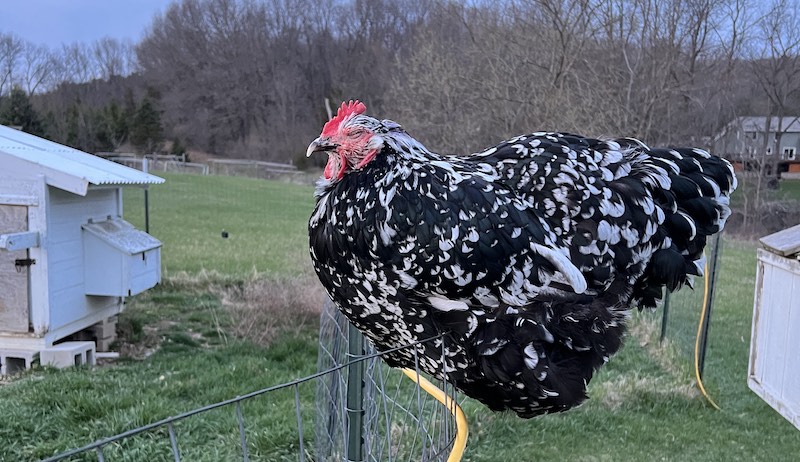
Butters came to us quite by accident. During the Chocolate Orpington craze of 2015, I purchased a dozen Chocolate Orpington hatching eggs from a seller on eBay. The eggs arrived intact, but they were tagged Mottled Orpington.

When I contacted the vendor, they apologized for the error, refunded my money, and told me to keep the eggs. They didn’t have any more Chocolate Orpington eggs.

I set a total of 30 eggs to hatch, including the Mottled Orpington ones. Only three Mottled babies hatched (along with 20 Black, Blue and Lavender Orpingtons). Two seemed to wear little tuxedoes, while the third had a few black splotches on its creamy yellow fluff. My sons immediately named her Butters.  

This buttery little pullet became a favorite with us and with her hatchmates. It seemed as though everybody wanted to be Butters’ friend, explore with her, snooze with her, even dustbathe with her. Butters quickly discovered how to hop up the steps to our deck and that, if she pecked at the sliding door, she’d be given a grape, a tomato or a piece of bread.

Of course she shared this knowledge with her best friends. Soon Butters and her buddies—Stormy, Selene, Claudine, Fitzgirl and Claude—came knocking on a daily basis.  


Read more: You, too, can teach your chickens to do tricks for treats!


A Special Bird

The Orpington breed is known for being docile and affectionate, and Butters definitely embodied those traits. On sunny days, when I chose to sit outside and read, Butters would announce herself with a soft cluck and either jump up onto my lap or settle down beside my chair.

She was trusting almost to a fault.

I almost had a heart attack when Jaeson called me out back to show me a new trick. He had trained Butters to perch on his bike’s handlebars while he rode around the yard. Butters also learned another trick: If we held up a piece of bread, she would jump for it.

It didn’t take long for her to share this new talent with her buddies.

Over the years, Butters chose to be a bachelorette. The roosters seemed to know there’d be trouble if they tried courting her, and she never showed any inclination towards broodiness. She became Auntie to younger girls, and the Orpington run remained peaceful and harmonious.  

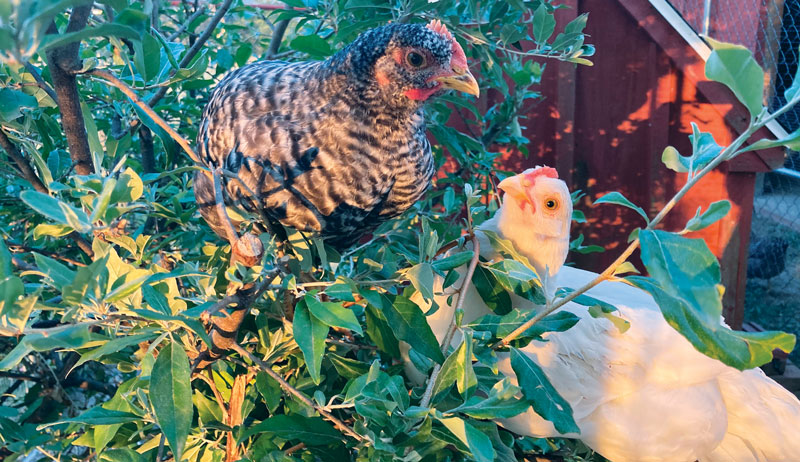
Mottled Orpington chickens chicken hen

Surviving Tragedy

She—and we—suffered a true tragedy two years ago, when her besties all suddenly died over the course of two days. We soon learned that our neighbor to the east had used a powerful herbicide right at the property line, exactly where the Orpington gang loved to forage. For reasons I still don’t understand, Butters had not joined her crew in their forays to the border.

This saved her life but also changed it irrevocably.  

With so few Orpingtons left and a growing number of Ameraucanas, I made the difficult decision of swapping coops. Butters would return to the small white coop of her youth, leaving behind the larger coop.

At least that was the plan. Butters wouldn’t have it. She’d lost her friends and wasn’t about to lose her home, too.

She and the remaining Orps refused to cooperate. They flapped their wings and shrieked and dashed around the run, eluding capture. After 30 minutes of non-stop, unsuccessful chase, we gave up.  

Still, things were different for Butters. Lonely without her closest friends, she finally submitted to both Thomas Orpington and to Claude Orpington (who passed on soon after; his exposure to the herbicide had been to a lesser degree than that of the Orp girls).

Butters became broody for the first time in her life. But with no experience at setting, she was remarkably terrible at it. We finally rescued her clutch and put them under our Silkie, Natalya. Thus Natalya became surrogate mom to Margarine (what else would we name a child of Butters?), Claude Jr. and Thomas Jr. 


Read more: Follow these 4 steps when burying a deceased chicken.


Midlife for a Mottled Orpington

Oddly, Butters refused to have anything to do with her offspring, so Natalya happily raised them. At about 4 months of age, we moved Claude Jr. (CJ) in with the Ameraucana girls, as they had been roosterless for a year. He quickly showed them who rules the roost and continues to do so.

Margarine (called Margie for short) disappeared one afternoon and, despite hours of searching, was never seen again. Thomas Jr. (TJ, or Tiny because of his dwarfism) remained with Natalya until the fateful day I tried once again to do a coop swap. This time, Butters gave in and took up residence in her former coop, along with Tiny and Natalya.

The three formed an odd bond—mother, surrogate mother and son. Natalya somehow decided Butters was mom and would tuck herself beneath the larger hen to sleep. 

As Butters’ eyesight slowly failed, she spent more and more time inside the coop, although I occasionally caught Tiny trying to cajole her into coming out. He did discontinue perching at night, choosing instead to stay beside the older Orpington hen on the coop floor. We covered the coop floor with extra shavings to provide comfort and warmth.

Every now and then, I’d find Butters outside, sitting contentedly under the wild daisies that grow in the run. She had always loved daisies. She gave my husband Jae the stink eye for weeks once after he weed-whacked the daisies down to clear the run for her. But even without her eyesight, she always managed to find the daisies.  

And that’s where we found her, her head tucked forward as if she were asleep. We buried her out back in the chicken graveyard near where we’d laid her friends to rest. We covered her completely, putting a board, then multiple logs over the top of her grave. I added a sprig of her daisies on top.  

Farewell, Butters. Thank you for the light and joy you brought to us.  


Categories
Animals Chicken Coops & Housing Farm & Garden Health & Nutrition Poultry

A Reader-Submitted Essay On Chicken Health

This article on chicken health and poultry care was written by 7th-grader Sedona O., whose teacher suggested she try to submit it somewhere!


I’m just a country girl who loves all breeds of chickens. I can spend all day around my fluffy feathered flock. I thoroughly clean and diligently care for them, and I also play games, feed homemade treats and lovingly carry them in the large barnyard. Put another way, it’s not just all fun and games, this task requires consistent hard work to own and manage chickens. 

I joyfully watch my chickens follow at my heels, although at times I stumble to avoid tripping over them. This flock of mine needs extensive attention around my feet and in areas concerning safety issues, unyielding weather and demanding chores. But in the end these things build long-lasting character.

Owning chickens teaches responsibility because a healthy and happy flock requires careful planning, different management skills for every season and maintained cleanliness.


Read more: Check out these tips for free-ranging chickens through the seasons.


Providing Protection

Planning chicken safety begins with securing the barnyard. In order to prevent predators from entering the premise and wreaking havoc, a rooster is helpful. Or, better still, a fenced chicken run and a sturdy coop are the best choices. 

Above all, protection starts with a secure area that includes high chicken wire and netting over the top of the coop area. Fencing prevents the birds from flying out. Netting over the top prevents hawks from attacking. 

The ideal coop provides adequate shelter and space for the number of poultry housed there. Defensive features on their home include latched trapdoors and tight screens on windows to maintain a stress-free environment. This arrangement safeguards the flock.

Though they might not be happy about it, at least they are out of danger.

chicken chickens health

Seasonal Chores

However, with the changing seasons come various tasks. Altering climates contribute to different types of care for chickens. Thus, hot weather overheats birds, causes watery poops and weight loss. Frequently refreshed waters, juicy treats, such as watermelon, and the breeze from fans keep the flock cool. 

Cold weather brings freezing waters and shivering poultry. That is why it’s important to provide water heaters and well-insulated coops to help hens solidly endure the colder months. Chicken care that accommodates change builds management skills each season.

Of great significance, cleanliness matters for chicken health, and if ignored, fatal things start to occur.

Diseases from flies landing on uncleaned poopy vents and mites or lice breeding in unchanged egg box bedding are both very deadly. In other words, a filthy coop attracts unwanted flies that can spread fly strike. The infection is caused when flies lay their eggs on the chicken’s vents. The newly hatched maggots speedily eat the poultry from the inside out. 

Mites and lice thrive in moist laying boxes and circulate quickly between birds, causing skin irritations. The pests bite the bird’s skin causing the fowls to peck themselves therefore losing feathers. Additionally, they burrow under leg scales and make the hens’ legs red.

Uncontrolled, these parasitic insects will kill them. Without a doubt, maintaining a clean coop and healthy chickens save their lives.

Most importantly, chicken care leads to personal accountability. Protecting poultry, adjusting to cope with weather changes and preventing diseases all play very important roles for healthy birds. Although these tasks are difficult, fun and games still fit in the schedule. 

“The work never goes away,” my mom constantly reminds me. I still have tasks to do when my insistent chickens perch on my arm wanting to play. Though it pains me to say “no,” I still tell them: “Toiling comes before frolicking.” 

Even though cute chickens are useful animals, they require a lot of care. People around the world prize chickens for their eggs, companionship, and lessons that teach responsibility. 

This reader-submitted article on chicken health originally appeared in the September/October 2022 issue of Chickens magazine.

Categories
Farm & Garden Food Recipes

Recipe: Garlic, Ginger Soy-Cured Egg Yolks

Egg yolks turn to a creamy, custardlike consistency when cured in a savory mix of soy sauce, garlic and ginger. This method puts yolks to good use when you have extra on hand due to recipes requiring egg whites only, such as with meringues. 

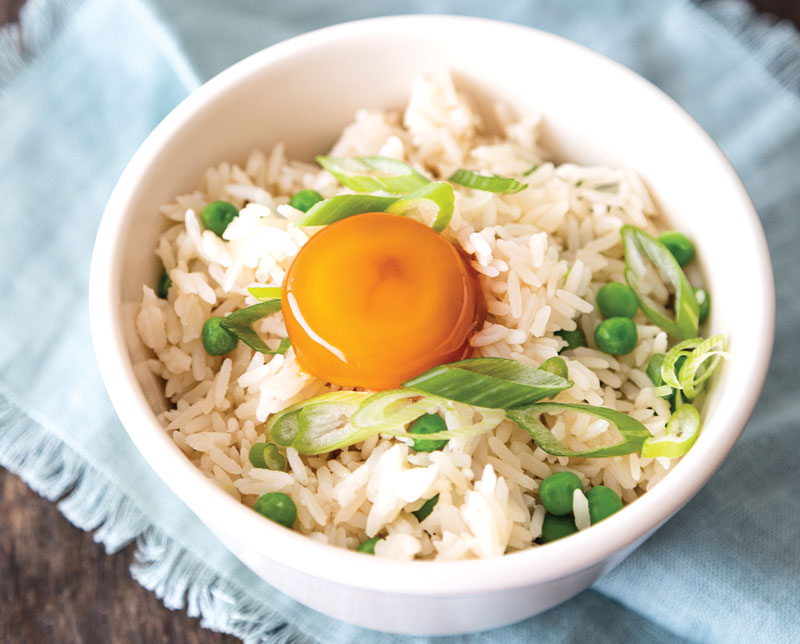
You can cure the egg yolks without the garlic and ginger, but do use full-sodium soy sauce (not reduced-sodium) for curing. Eggs cured 4 to 6 hours will have runnier center with smooth, creamy edges while those cured for 48 hours will be almost spreadable with a firm, but velvety texture, like the yolks pictured here.

Soy-cured egg yolks add a fun, flavorful touch when served on top of homemade fried rice or a bowl of ramen. 

Yield: 4 yolks


Read more: Preserve your hens’ harvest with this recipe for salt-cured eggs yolks.


Ingredients

  • 4 egg yolks
  • 12 to 34 cup soy sauce
  • 1 garlic clove, grated
  • 1 teaspoon grated fresh ginger root

cured egg yolk

Preparation

Place the yolks in a medium-size shallow bowl, being careful that they don’t break. 

Pour in the soy sauce. The amount needed will depend on the size and shape of your bowl. The soy sauce should cover the yolks about 34 of the way up. They don’t need to be completely submerged. Sprinkle the garlic and ginger in the soy sauce surrounding the yolks. Cover the bowl with a lid or plastic wrap. Refrigerate for 2 to 24 hours. 

Remove from the refrigerator, and carefully flip each yolk with a spoon. Cover and refrigerate for the same amount of time, 2 to 24 hours. 

Once the yolks have cured for your desired amount of time, scoop the yolks out of the bowl with a spoon and discard the soy sauce. Transfer the yolks to your preferred method of serving, on a plate or over rice or noodles. 

Note: Consuming raw or undercooked egg yolks can increase your risk of foodborne illness. When prepared properly, salt-cured eggs are safe to eat as they’re made with the same principle as any other type of cured food (such as lox). 

This article originally appeared in the September/October 2022 issue of Chickens magazine.

Categories
Animals Chickens 101 Farm & Garden Poultry

Can You Identify This Mystery Chicken Breed?

Chickens and other poultry members come in all sizes, shapes, colors and personalities. Nearly 400 recognized breeds and varieties of poultry exist, including large-fowl and bantam chickens, ducks, geese, turkeys and guinea fowl.

Using our illustration and a few selected hints, can you guess which breed we have depicted here? Find out the answer below!

Hints

  • This mystery breed was first developed in Europe from Japanese breeds brought to the continent by French missionaries. 
  • Murray McMurray Hatchery describes males as having “impressive long tails and saddle feathers,” while “females are good layers of light cream-colored eggs.”
  • This quiet and gentle breed was recognized by the American Poultry Association in 1981 as a standard breed in White and Red Shouldered varieties. 
  • They are named after the second-largest city in Japan (by population) and not a popular brand of automobile tire!

Mystery Breed Answer

The breed depicted above is the long-tailed Red Shouldered Yokohama, which is primarily used for exhibition. The Yokohama is a regal, slim breed with a gamelike appearance. This small breed comes in standard and bantam sizes and has incredibly long tails that sweep the ground.

Standard cocks weigh 4 1/2 pounds; hens, 3 1/2. Bantam cocks weigh 26 ounces; hens, 22. Yokohamas are docile, friendly, unusually quiet and bear confinement well, but they do require special housing to accommodate their long tails. Hens are poor layers of small, tinted eggs. 


Read more: To learn more about this beautiful breed, click here! 


To purchase these beautiful Buttercup chickens, visit Murray McMurray Hatchery.

This mystery chicken breed was brought to you byMurray McMurray Hatcherywhich provides the highest quality poultry and auxiliary products to its customers and has been a trusted, knowledgeable industry resource for more than 100 years. Whether you are an experienced or novice enthusiast, Murray McMurray is sure you will enjoy its wide selection of breeds and supplies to assist you with raising your flock!

This article originally appeared in the September/October 2022 issue of Chickens magazine.

Categories
Animals Farm & Garden Homesteading Large Animals

How Old Is OLD For Your Sheep? We Have Answers

As we prepare for breeding season at the end of this month, I’ve looked at a few of my ewes and wondered if they are still young enough to breed successfully. That also got me wondering exactly how long I can expect my sheep to live. 

My oldest ewe is 6 years old. According to research that I found on how long sheep live, the average life span is about 10 to 12 years.  (Side note:  some breeds are known to live longer, like the Merino sheep. The oldest recorded sheep was 23 years and and, yes, she was a Merino!).  

So, for a North Country Cheviot ewe, my girl still has plenty of life left in her. That is, she should have some years left with good nutrition, good health and perhaps a dose of good luck. 

Now, as far as breeding, the Sheep 101 website says that most ewes are at their most productive between 3 and 6 years old. After they reach 7 years, their reproductive abilities begin to decline. But, given great care and good nutrition, some ewes can birth lambs up to 10 years old!   

On a larger farm, ewes of an older age might be culled at about 6 years or earlier to make way for younger, healthier breeding stock.  However, on our little farm, the ewes will be used for breeding as long as they are able—and healthy! 


Read more: You can use these herbs to help maintain your sheep’s health.


Teeth Are the Key to Health 

I had only a vague idea of how important a sheep’s teeth are to telling its age and, moreover, predicting its eventual health (or lack of it). 

First of all, lambs are born with no teeth but will grow eight “milk teeth” by the time they are a few months old. What really surprised me was that, like humans and other mammals, lambs lose their baby teeth!

By the time they are about a year, the sheep will grow in two permanent incisors. A second pair of baby teeth are replaced at about two years. By the age of 4, an adult sheep will have a full set of adult teeth that includes incisors and molars in the back of the mouth. 

But as you can imagine, a grazing sheep uses its mouth to pull and crunch on everything that goes in her mouth. As sheep age, their teeth eventually wear down, break off or even fall out. You need to keep an eye on your older sheep to watch out for weight loss …especially if dental issues are the reason.

At that point, it’s really best to talk to your vet to see what they recommend for feeding a ewe with dental issues. 

I can tell you that checking your sheep’s teeth is not the easiest thing to do. But I have started to do that while worming, shearing or other such tasks. When they are caught up is the perfect time to look at many aspects of their health. 

Well, now that I know my oldest ewe is capable (I hope) of bearing more lambs, I’ll keep an extra special eye on her health and her teeth to ensure she is getting the nutrition she needs.  

Categories
Farm & Garden Food Homesteading Recipes

Dress Yourself With Homemade Salad Dressing Recipes

The dressing is the final touch that gives a salad its identity. A soy-based dressing lends itself well to a salmon-topped spring mix salad. A berry dressing is a good match for a spinach salad loaded with goat cheese and candied nuts. Variety in your salad dressings can take a week’s worth of greens and transform them into a different meal each day. 

Creating all these salad dressings is much easier than you think. You simply need a basic formula. From there, you can swap in what you have in the pantry or what’s been harvested from the garden to create a completely different salad dressing each time you make one.

The Foundation of a Salad Dressing 

There are two core ingredients in a vinaigrette that make up the base of the formula: an oil and an acid. To go beyond a basic oil and vinegar dressing, add three more categories to the formula: sweetener, seasonings and optional add-ins. 

The formula for a basic vinaigrette begins with three parts oil to one part acid—for example 34 cup of olive oil and 14 cup of apple cider vinegar. Depending on how sweet of a dressing you enjoy, you’ll need 1 to 3 tablespoons of a sweetener.

Seasonings and add-ins will vary by the ingredient. The type of oil and acid used in the dressing influences how much flavor can be detected from these additions. 

For the recipes here and for those you create with your own ingredients, we’ll use the formula that follows. It makes about 1 cup, which is plenty to serve over a large, family-style salad.

34 cup oil + 14 cup acid + 1 to 3 tablespoons sweetener + 14 teaspoon to 1 tablespoon each of seasonings + 14 teaspoon to 1 tablespoon each of add-ins

salad dressing dressings recipes

The Oil

The most important characteristic of the oil for a salad dressing is that it is balanced in flavor. The oil should complement the other components of the dressing, but not overpower them. 

Extra-virgin olive oil is a standard ingredient in most salad dressings, but a mildly flavored version should be used. This mild flavor comes from olive oil blends versus single-varietal olive oils or those labeled as bold, which can be strong and peppery.

Most extra virgin olive oils you find in the supermarket are a good fit for a salad dressing. But if you are concerned that the flavor may be too strong, look for “virgin olive oil” or simply “olive oil” for an oil with a less intense taste. 

Consider expanding beyond olive oil, too. Peanut oil, coconut oil, avocado oil, grapeseed oil as well as ordinary corn and canola oil can be used to create new types of salad dressings.

The Acid

Any acidic ingredient can serve as the acid to balance the savory and sweet flavors of your salad dressing. Apple cider vinegar and balsamic vinegar are popular choices. But lemon, lime and grapefruit juices can also serve as the acid.

Rice vinegar and red wine vinegar are other good choices.


Read more: Learn about crafting vinegars from foraged finds.


The Sweetener

Even if you aren’t aiming for a sweet dressing, a tablespoon of a sweetener will help to blend the savory and tart flavors that come from the other ingredients. If a sweeter dressing is what you are after, simply increase the sweetener you use to two to three tablespoons. 

salad dressing dressings recipes

There are many forms of sweetener. Honey, maple syrup, and granulated white sugar are the most common. Agave syrup, sorghum syrup, molasses, date syrup and maple sugar also make flavorful dressings.

Additionally, low-acid fruit juices such as the juice from berries or sweet oranges can serve as a sweetener as well. A combination of sweeteners such as fruit juice and maple syrup can deepen the sweetness further. 

The Seasonings

Seasoning your dressing is your opportunity to get creative and make it all your own. Seasonings apply to any fresh or dried ingredient that adds more flavor beyond your oil, acid and sweetener.

Salt and pepper are certainly in this category. So is every other dried spice such as cumin, coriander and turmeric. 

Fresh and dried herbs are also included here, along with other fresh aromatic ingredients. Examples include basil, cilantro, dill, rosemary, grated garlic cloves, grated onion and grated ginger root. 

salad dressing dressings recipes

Other ingredients used to season a dressing can include soy sauce, tamari and coconut aminos. These ingredients can take the place of salt or can be combined with salt in the dressing for a complex savory note. Hot sauce, tahini (ground sesame paste) and nut butter are other seasonings you can add to a salad dressing. 

This is also where you can add in some strongly flavored finishing oils. These are the type of oils that are too potent to use as the base of your dressing, but they contribute a punch of flavor when added a tablespoon or two at a time.

Toasted sesame oil, walnut oil and pumpkin seed oil are all tasty choices. 


Read more: Check out these 5 tips for drying homegrown herbs.


The Add-ins

The add-ins are completely optional, so you’ll want to make sure you consider your dressing complete and delicious without them. But they can add a fun twist to both the taste and texture.

They also help people identify what might be in the dressing. 

For example, a sesame dressing with sesame seeds in it. In addition to toasted white and black sesame seeds, add-ins can include thinly sliced scallions, poppy seeds, citrus zest, minced sun-dried tomatoes, pimentos and finely minced olives. 

Put It All Together

To make your dressing, ensure that you have at least one ingredient from the first four categories. Then consider add-ins for a creative twist. Combine all ingredients in a jar with a secure lid.

A pint-sized jar will give the ingredients enough room to blend. Shake for about 30 seconds until all ingredients are combined. 

Sweeteners and seasonings can always be adjusted to personal tastes. Start with a smaller amount, and add more until you get the flavor just right. Flavors will also blend and brighten as a dressing sits, so consider making it about 30 minutes ahead of time. 

Then adjust the sweetness and seasoning just before serving. Dressings can be stored in the refrigerator for up to 3 days. If the oil solidifies, allow the dressing to sit out at room temperature for an hour before using. 


Salad Dressing Recipes

Soy Sesame Dressing 

The slight sweetness of the maple syrup combined with the savory soy sauce and sesame flavors of the tahini make this nutty dressing perfect for topping a mixed green salad. It can also be used as a tasty sauce to add to stir-fried vegetables. 

Yield: about 1 cup

Ingredients
  • 3/4 cup peanut oil
  • 1/4 cup rice vinegar
  • 2 tablespoons tahini
  • 1 tablespoon maple syrup
  • 1 clove garlic, grated
  • 2 tablespoons soy sauce
  • 1/2 teaspoon onion powder
  • 1 tablespoon toasted white sesame seeds
Preparation

Place all ingredients in a pint jar. Secure the lid. Shake for 30 seconds until all ingredients are combined.

Berry Lemon Rosemary Vinaigrette

Make this dressing from late spring to late summer when fresh berries are in season. During the winter, frozen berries make an equally delicious substitute.

This recipe was made with blackberries. But strawberries, blueberries, raspberries or a combination of berries are all ideal for this dressing. 

Yield: about 1 cup

Ingredients
  • 3/4 cup avocado oil
  • 1/4 cup lemon juice
  • 2 tablespoons fresh blackberry juice*
  • 1 tablespoon maple syrup
  • 1/2 teaspoon minced fresh rosemary leaves
  • 1/2 teaspoon fine sea salt
  • 1/2 teaspoon lemon zest
Preparation

Place all ingredients in a pint jar. Secure the lid. Shake for 30 seconds until all ingredients are combined.

*Extracted from a handful of fresh or thawed berries. Mull the berries in a bowl and pour through a hand strainer to separate the juice. 

Honey Lime Cilantro Dressing

This tangy dressing is ideal for topping taco salads. The honey adds a touch of sweetness to savory ingredients such as ground beef and beans in the salad, while the cilantro gives a pop of vibrant fresh flavor that is a good match for the fresh lime.

Yield: about 1 cup

Ingredients
  • 3/4 cup extra-virgin olive oil
  • 1/4 cup fresh lime juice
  • •2 tablespoons honey 
  • 1 tablespoon finely chopped cilantro
  • 1 clove garlic, grated
  • 1/2 teaspoon onion powder
  • 1/2 teaspoon fine sea salt
  • 1/2 teaspoon ground cumin
Preparation

Place all ingredients in a pint jar. Secure the lid. Shake for 30 seconds until all ingredients are combined.

This article appeared in Hobby Farm Home, a 2023 specialty publication produced by the editors and writers of Hobby Farms magazine. In addition to this piece, Hobby Farm Home includes recipes, crafting projects, preservation tips and more. You can purchase this volume, Hobby Farms back issues as well as special editions such as Healing Herbs and  Goats 101 by following this link.