Gentle weeding techniques are essential when working around delicate vegetables like lettuce, cucumbers, or onions—especially when those plants are newly sprouted or freshly transplanted. The wrong weeding method can accidentally damage stems, disturb roots, or even uproot your veggie plants entirely. Whether you’re dealing with fragile seedlings or tender transplants still recovering from shock, it’s important to weed with care. Here’s how to keep your garden tidy while protecting your most vulnerable plants.
Gentle Weeding Techniques to Protect Your Plants
First off, plan on a gentle approach. We aren’t going to use any kind of machinery or heavy tools. Herbicides are also off the table, as we’re working with food plants that are intended for consumption. Instead, gentle weeding techniques are going to come down to your hands and a few select tools.
Full-Length Hoe
If the spacing between rows is wide enough, you should be able to stand up and use a full-length hoe to lightly scuff the ground and remove a good percentage of the weeds.
Stirrup Hoe
Similarly, a stirrup hoe with a sharp blade can be used to gently slice weeds away from around the veggie plants you’re protecting.
Hand Hoe
To get closer to the plants, you can use a small hand hoe with a straight or pointed blade.
Your Own Fingers
Honestly, when it gets right down to it, simply picking and pulling weeds out with your own fingers is fast and effective for gentle weeding techniques near delicate plants. Most of the “weeds” you’re dealing with are probably just grass, so pulling by hand allows you to remove them without disrupting the root system of your veggies.
Scissors or Weeding Knife
Finally, the use of a simple pair of scissors may be necessary for snipping away weeds right at ground level, without disrupting the roots at all. This works very well for weeds that are growing directly next to or within the veggie plants. You can’t risk pulling roots and disrupting soil, so simply snip, snip, snip. A weeding knife works in a similar fashion. It’s delicate work, but helpful to the plants.
Additional Gentle Weeding Techniques for Delicate Veggies
Even with the right tools, timing and technique can make a big difference. Keep these extra tips in mind to make your gentle weeding techniques even more effective and plant-friendly.
Don’t Let Weeds Get Out of Control
Try not to let the weeds get too bad if you can help it. This isn’t always easy thanks to busy summer schedules and fast-growing weeds, but the smaller the weeds, the less disruptive removal will be to the tender veggie plants around them.
Weed When Soil Is Wet
Wet soil causes the weeds to pull out more easily. Weed after rain or after watering to help.
Pull Weeds Straight Up
Try to pull weeds straight up—you get more roots without breakage and it’s less disruptive to the surrounding soil.
Gentle Weeding: Final Thoughts
Delicate vegetables deserve a delicate touch, and the right weeding techniques can make all the difference in their survival and growth. With simple tools, hand-pulling, and a bit of timing and care, you can stay on top of weeds without harming your plants. A little extra attention now will pay off with a healthier, more productive garden later.
This article about gentle weeding techniques was written for Hobby Farms magazine. Click here to subscribe.
The work never stops — and neither should your boots. Prepare for rugged terrain and changing weather from summer through fall and into winter.
Ask any farmer, and they’ll tell you: no matter the season, the work doesn’t wait. Summer’s heat brings long, sun-soaked days of sweat and hard labor, but as the calendar turns, fall’s cooler temperatures and wetter conditions bring new challenges. Before you know it, winter’s cold and frozen ground arrive, demanding even more from both farmer and gear.
Through these seasonal changes, reliable equipment isn’t just a convenience—it’s a necessity. And that all starts from the ground up.
Summer on the farm means early mornings and late nights, working through dry, dusty fields or tending to thirsty livestock. The sun beats down, and keeping your feet dry and comfortable is critical to making it through long days. As fall rolls in, rains soak the soil, turning fields slick and muddy. Cooler temperatures mean moisture lingers longer, making waterproof gear essential. Then winter settles in, bringing ice, snow, and freezing conditions that test both man and machine.
Farmers often say, “There’s no such thing as bad weather, just bad gear.” And this couldn’t be truer when it comes to boots. Wet, cold, or uncomfortable feet can slow a farmer down more than any other factor. The right pair of boots provides traction, waterproofing, and insulation to keep you moving safely and efficiently, no matter the season.
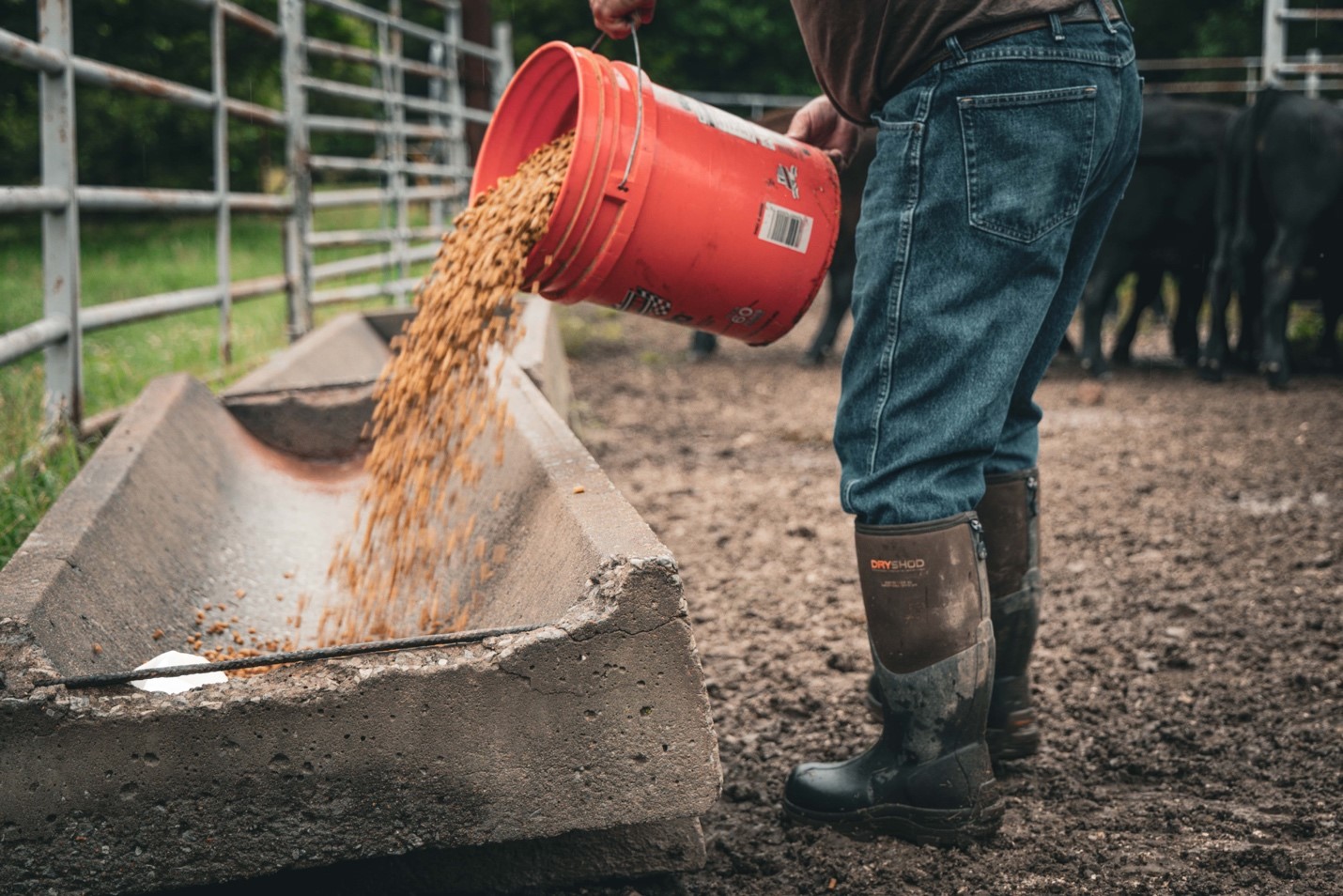
The Dryshod Haymakerboot is designed for these realities. From summer’s rugged terrain to fall’s muddy fields and winter’s cold, icy ground, the Haymaker stands up to the challenge. Its 100% waterproof construction keeps feet dry during wet chores, while the DS1 molded outsole provides dependable grip on all kinds of terrain. The EVA midsole offers cushioning and cold-blocking insulation, keeping feet comfortable and protected as temperatures drop.
Quality boots aren’t a luxury; they’re an essential part of the farm uniform. When your feet stay dry, warm, and supported, you can focus on the task at hand, rather than the discomfort or risk.
Whether you’re battling summer heat or preparing for the cold ahead, the proper boots make all the difference. The Dryshod Haymaker is built to withstand the rigors of your work, from the dog days of summer through winter’s worst.
Barn cleaning for goats is one of the most dreaded but also one of the most satisfying chores on a goat owner’s to-do list. With proper maintenance and a few smart cleaning tips, it doesn’t have to be dreaded anymore!
Why Barn Cleaning for Goats Matters
Barn cleaning day: The three words that make most goat keepers want to pull the covers over their heads and sleep the day away. But if you want to raise a herd of healthy caprines, barn cleaning is an essential part of every goatkeeper’s lifestyle.
Maintaining a clean barn not only helps maintain low levels of dust to promote a healthy respiratory system, but it also helps to prevent diseases. Since keeping our herds healthy is at the top of every goat owner’s priority list, grab a broom and pitchfork and let’s start cleaning!
Keep Goat Water Buckets Clean and Safe
You may not have considered keeping your goats’ water buckets clean as part of barn cleaning for goats, but it is one of the most essential parts to raising healthy goats.
Water should be changed twice daily, and the bucket thoroughly rinsed out before refilling with fresh water. Change water first thing in the morning while feeding your herd, and then again during evening chores.
While it may sound extreme, washing your herd’s water buckets should be a part of your weekly barn cleaning routine. Scrub water buckets out with hot, sudsy water and a designated scrub brush or cloth to prevent bacteria and algae from building up. Washing buckets also helps reduce the chances of your herd contracting coccidiosis.
Do not use bleach to wash goat buckets, as it can leave a residue behind that can be harmful to your herd.
How to Clean Goat Feed Buckets
Like water buckets, cleaning the feed buckets should be a part of your weekly routine. Goat feed contains molasses and tends to make the feed buckets sticky.
Feed buckets should be scrubbed out with hot, sudsy water (never use bleach) once a week to prevent the spreading of disease, bacteria, and parasites. Washing the feed buckets shortly after morning feeding should allow enough time for them to air dry before they are needed again the next morning.
Want to kill more germs and bacteria? Sit buckets out in the sun to dry, as sunlight naturally kills harmful pathogens.
Mice, flies, and other bugs can be attracted to the sweetness of goat feed and also make goats sick. Cleaning feed buckets on your weekly will help keep goats healthy and unwanted pests under control.
Don’t Forget to Clean Your Goat Equipment
Equipment often gets overlooked when considering barn cleaning for goats, but disinfecting your herd’s equipment can prevent the spread of diseases and parasites.
Wiping down hoof trimmers, shearing equipment, brushes, and other equipment after use helps to prevent parasites, disease, and infection from spreading from one herd member to another.
How to Clean Goat Pens Properly
Pen cleaning is the hardest and most time-consuming of the barn cleaning tasks, so many goat keepers prefer to put it off to once a year. However, from personal experience, it’s actually a lot easier and less of a chore to clean the pen more frequently.
Throw in the fact that cleaning more frequently decreases the chances of respiratory problems, coccidiosis, and external and internal parasites, and monthly pen cleaning is a win-win.
Clean your herd’s pen once a month, making sure to remove all soiled bedding, manure, and cobwebs from the pen. Sweep thoroughly with a broom. When using stall mats, be sure to remove the mats and clean underneath.
If possible, in the warmer months, pressure wash the floor of your goat barn to help keep your barn cleaner and wash away parasites.
While performing the monthly barn cleaning for goats, be sure to wipe down hay mangers with a damp cloth to remove dirt and dust.
Daily Cleaning for Goat Milking Equipment
If you raise dairy goats or are considering raising goats for milk, you probably already know that cleaning the milking equipment is part of the daily barn cleaning process.
After each milking, all dairy equipment must be rinsed in lukewarm (not hot) water. Scrub the equipment with a stiff wire brush using a solution of hot water, dish soap (use unscented dish soap to avoid giving your milk an odd flavor), and chlorine bleach.
Dairy equipment should be rinsed after scrubbing in clean water and then in dairy acid cleaner. Rinse in clean water for a final time.
Let the equipment drain before the next milking.
Time-Saving Tips for Barn Cleaning for Goats
Looking for some helpful barn cleaning tips to make the job easier? These tips will help save you time while keeping your herd safe and healthy.
Using proper cleaning supplies will make barn cleaning a lot easier. Pen cleaning tools include a wheelbarrow to cart dirty bedding and manure to the compost pile, a pitchfork to remove soiled bedding, and a broom and dustpan to sweep away cobwebs, manure, and dirt.
If you don’t have a dustpan on hand, a feed or snow shovel makes a great replacement for sweeping manure and dirt into.
While doing your monthly barn cleaning, be sure to look around your pen to ensure there are no holes your goats can squeeze through or get their heads stuck in. Also, check for loose wires, nails, or other sharp objects a goat could get caught on. Remove or secure objects to keep your herd safe from injuries or ingesting harmful materials.
When washing feed and water buckets, use gentle, unscented, natural dish soap that is easy to rinse out and won’t leave your goat buckets smelling like cleaner.
Having a set day to clean your pen and wash buckets keeps you in the routine and your schedule running smoothly.
Consider spot cleaning every several days in frequented areas to make the monthly barn cleaning easier and less time-consuming.
Barn cleaning for goats may not be a favorite job, but with the right tools, it doesn’t have to be difficult. Give these cleaning tips a try, and you will see for yourself how proper management and good nutrition will help your herd live longer, healthier lives.
This article about barn cleaning for goats was written for Hobby Farms magazine. Click here to subscribe.
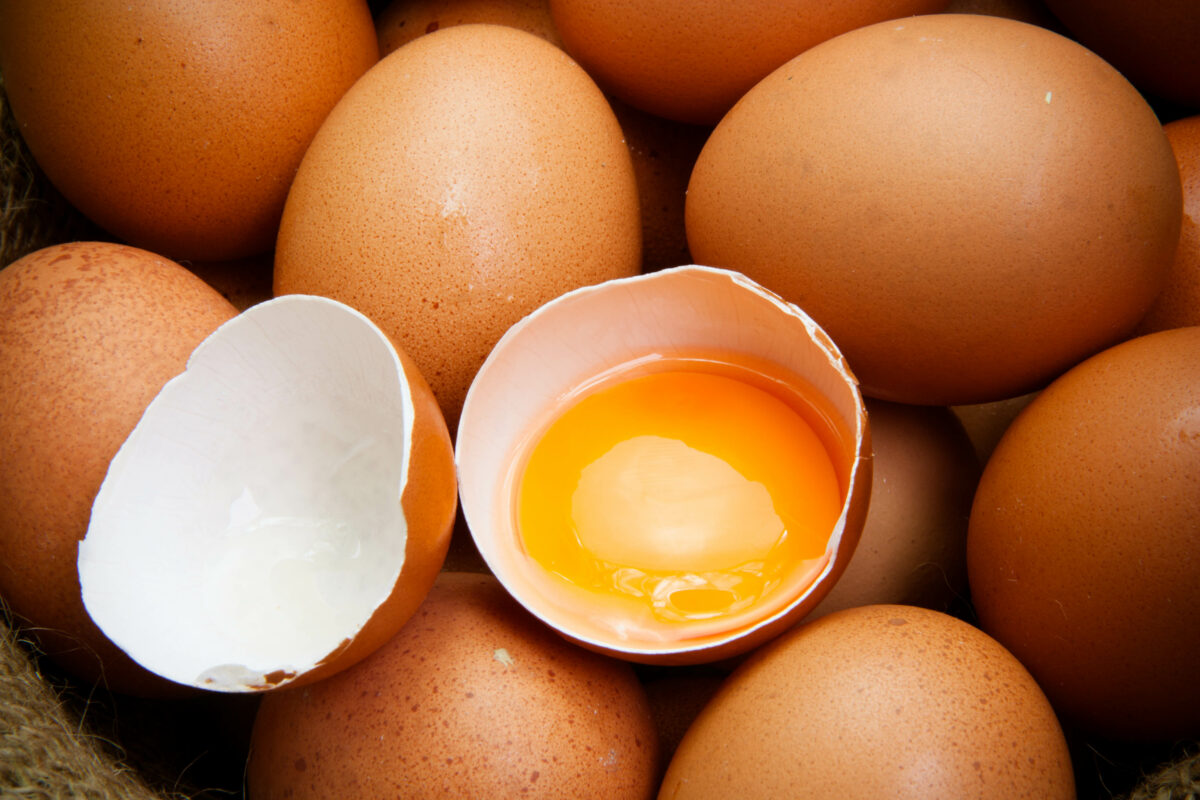
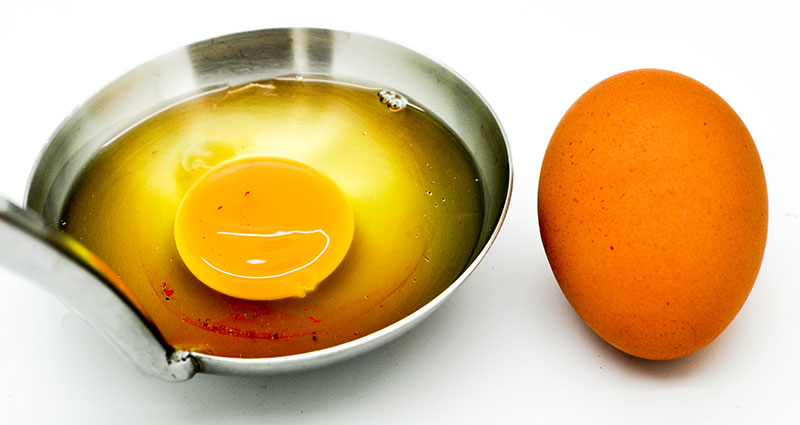
Egg yolk color can range from nearly white to deep orange, and it’s a surprisingly accurate reflection of what your hen has been eating. During the course of your breakfast, baking, and culinary adventures, you may have noticed that the color of an egg yolk is not always consistent. There can be quite a range of tones from pale to dark. And maybe you have some hens of your own, and the color of their egg yolks doesn’t quite match the color of egg yolks from the store. So what affects egg yolk color? And does it affect the taste or nutritional value?
How Hen Diet Affects Egg Yolk Color
Turns out, the reason is pretty benign. The color of an egg yolk hinges mostly on the diet of the hen. Specifically, it depends on the amount of carotenoids that the hen’s diet contains. You might recall that word—carotenoids—as the pigments that give things like carrots, pumpkins, tomatoes, corn and other plants their various colors. These pigments tend to lean towards the long wavelengths of the color spectrum—think red, orange, and yellow.
Animals don’t manufacture these pigments themselves; they obtain them from plants that they eat. So your egg yolk color depends directly on what foods your hen consumes, and how many and what types of carotenoids they contain.
Why Egg Yolk Color Varies from Pale to Dark
You can find eggs with yolks that are nearly white, some that are a deep red, and most somewhere in between. There’s even an industry-standard color checker chart, known as the DSM Yolk Color Fan, on which yolks can be judged.
Hens that consume plenty of grains in their diet—cornmeal, wheat and barley tend to lay eggs with light-colored yolks.
Hens that enjoy alfalfa might see vividly yellow yolks.
Free-ranging chickens and those with access to pasture often produce more yolks with an intense orange color, thanks to the variety of edibles they may come across during their travels, including seeds and bugs.
Seasonal changes in yolk color are quite common—you’ll see brighter colors during the summer when peak grazing is in place. And you may see very pale yolks during the winter, when the hens aren’t eating plants with carotenoids.
Some chicken owners even try to make the yolk color richer by supplementing their hens’ meals with certain flowers.
Does Egg Yolk Color Affect Nutrition?
Should you particularly care about the yolk color? Does yolk color affect nutrition in any meaningful way?
Nope—not to any degree that matters. Regardless of yolk color, you’ll still get all the terrific protein, vitamins, and antioxidants that make eggs such a popular “power food.”
What about taste? It’s definitely under-studied, but it seems that darker/richer colors—where the hen’s diet was more varied—may make for a slightly more flavorful egg.
But really, there is little reason to focus on this. Instead, just think of egg yolk as a fun reminder of where your backyard chickens’ diet came from, and watch the colors change with the seasons.
Egg Yolks: Final Thoughts
Egg yolk color is more than just a visual detail—it’s a subtle reflection of season, diet, and lifestyle. Whether your hens are pasture-raised, supplemented with vibrant greens, or fed a simple grain mix, the yolk color tells part of their story. While it may not significantly impact nutrition or taste, it offers a fascinating glimpse into the life of your flock. Keep an eye on those shades—they might just tell you more than you think.
Chicken egg questions come up all the time from new chicken keepers to seasoned backyard chicken veterans. To help more chicken-keepers at once, here are 10 of the most common egg-related questions in one place. Let’s get cracking!
1. Are Brown Eggs Healthier Than White Eggs?
The color of an egg’s shell has everything to do with pigmentation and nothing to do with nutrition. Regardless of whether the eggshell is brown, blue, tinted, pink or white, the nutritional value of an egg is the same. Brown eggs tend to be (erroneously) considered healthier than white eggs because they are associated with local farms versus factory farms.
2. Why Do My Eggs Taste Different in Spring and Summer?
During the summer, more natural fodder is available for hens to eat than during spring, when plant growth is just starting to emerge. The more fresh forage they eat, the richer and tastier the eggs will be.
3. Why Are My Eggshells Thin or Easy to Break?
Shutterstock
Eggshells draw their calcium from a hen’s own body. Without additional calcium to build up reserves, your layer will not only produce thin shells but also will suffer from weakened bones. To keep your hens healthy, strong and able to produce strong eggshells, offer your flock a supplement such as crushed oyster shells or limestone. Note: Do not allow your chicks or juveniles to eat the calcium supplement, as this can severely damage developing kidneys.
4. Can You Tell If an Egg Is Fertilized Without Cracking It?
There is no way to tell a fertilized egg from an unfertilized egg without cracking it open and looking for the germinal disc or germ. An unfertilized egg’s germ appears as a small white spot, while a fertilized egg’s germ resembles a small halo with a clear center.
5. When Will My Chickens Start Laying Eggs?
A pullet starts laying at an average age of six months. Factors that affect this include the breed of chicken and the time of year. Heavier breeds such as Cochins and Orpingtons take longer to reach maturity and start to lay later. Smaller breeds such as Ameraucanas and Leghorns lay earlier. Regardless of a bird’s age, if daylight is decreasing just as a pullet reaches laying age, that first egg won’t show up until the following spring.
6. Are Spots in My Eggs a Sign of Embryos?
Shutterstock
Unlikely. Eggs sometimes include blood spots or meat spots. Blood spots results from a broken blood vessel releasing blood onto the yolk as it gets released into the reproductive tract. Meat spots are typically bits of oviduct tissue that break off and become incorporated into the egg as it passes through.
7. What Causes Double-Yolk Eggs?
Shutterstock
Double yolk eggs most commonly occur in pullets, whose immature reproductive systems accidentally release more than one yolk at a time. They can also occur as a hen gets older and her reproductive system starts slowing down.
8. Why Are My Chickens Laying Tiny Eggs?
Those tiny eggs, called wind eggs or fart eggs, are produced by pullets coming into lay whose immature systems are still stabilizing. As your birds mature, the eggs will become normal in size.
9. Do Chickens Lay Eggs Every Day?
A hen in her laying prime (one year of age) lays an average of four to five eggs per week. However, factors such as temperature changes, dehydration and stress can affect a hen’s rate of lay.
Hens begin to produce eggs on their own as they reach maturity. You need a rooster only if you want to produce chicks.
Chicken Egg Questions: Final Thoughts
Raising chickens comes with plenty of surprises—especially when it comes to their eggs. Hopefully, this roundup of common chicken egg questions gave you quick, helpful answers you can use right away. Still stumped or seeing something new? Keep asking! Every flock is different, and part of the fun is learning together.
This article about chicken egg questions was written for Hobby Farms and Chickens magazines. Click here to subscribe.
Homemade sun-dried cherry tomatoes are a delicious way to preserve your summer harvest. Most gardeners know just how prolific cherry tomato plants can be—one plant can produce hundreds of juicy little fruits. While giving extras to neighbors is always nice, turning your bounty into sun-dried tomatoes is even better. This easy method requires no special tools, and with just a few simple steps, you can enjoy the flavor of homegrown tomatoes all winter long.
Traditionally, sun-dried tomatoes are dried using only the power of the sun. While this is possible for many gardeners in North America, most of us find it far easier (and faster!) to dry cherry tomatoes in the oven. You can also use a food dehydrator, too, if you have one on hand. Here’s the method I use to make my homemade sun-dried cherry tomatoes that can be used in recipes such as sun-dried tomato and walnut pesto and harvest-time corn bread with sun-dried tomato spread.
Choose the Best Cherry Tomatoes for Drying
Though just about any variety of cherry tomato will dry well, avoid using any fruits that are cracked open or blemished. Select plump, ripe fruits, and dry them within a day or two of harvest.
How to Wash Cherry Tomatoes Before Drying
Put the harvested cherry tomatoes in a colander and run cold water over them. Then remove any stems.
Should You Slice Cherry Tomatoes Before Drying?
Though slicing isn’t necessary, the drying time is greatly reduced by slicing each of the cherry tomatoes in half before the drying process begins.
How to Arrange Cherry Tomatoes for Oven Drying
Spread the halved cherry tomatoes on a non-stick cookie sheet in a single layer. Line the cookie sheet with parchment paper for easier clean up if you’d like. Smaller cherry tomatoes will dry faster than larger ones, so try to keep smaller tomatoes on a separate cookie sheet from larger varieties so they can come out of the oven as soon as they’re finished drying.
Oven-Drying Cherry Tomatoes: Time and Temperature Tips
Depending on the size of the cherry tomatoes and their moisture content, it will take anywhere between two and five hours for your homemade sun-dried cherry tomatoes to be finished drying. Begin to check for doneness after two hours and then check again every hour or so until they are finished.
How to Tell When Cherry Tomatoes Are Fully Dried
Your homemade sun-dried cherry tomatoes are finished when they’re leathery to the touch (like a raisin). Squeezing fully-dried fruits should result in no juice production, and if you pop one into your mouth, it should be chewy, not crunchy (if they’re crunchy, they’ve been in the oven too long).
Storing Homemade Sun-Dried Cherry Tomatoes
Let the tomatoes cool on the cookie sheet and then move them into a clean, screw-top glass jar. Place the jar in the fridge where they’ll last for a week or more. Or, put the dried cherry tomatoes in zipper-top plastic bags and keep them in the freezer for even longer storage.
Extra Tips for Making and Using Sun-Dried Cherry Tomatoes
Any tomato can be dried, not just cherry types. But the bigger and juicier the fruits, the longer they take to dry.
You can rehydrate the tomatoes before using them in a recipe by soaking them in water (or wine!) for a few hours.
Homemade sun-dried cherry tomatoes are excellent in omelets, salads and quiches as well as on pizzas, pastas and sandwiches.
Some drying recipes call for coating the fruits in olive oil, salt, or herbs before putting them into the oven, but I find I get better results without it. I add those extras when I’m ready to eat the dried tomatoes instead.
Final Thoughts on Homemade Sun-Dried Cherry Tomatoes
Making your own homemade sun-dried cherry tomatoes is a simple, rewarding way to preserve your garden’s abundance. Whether you dry them in the oven or use a dehydrator, the result is a concentrated burst of tomato flavor that can elevate countless recipes. With just a little time and effort, you’ll have a delicious reminder of summer that lasts well into the colder months.
This article about making homemade sun-dried cherry tomatoes was written for Hobby Farms magazine. Click here to subscribe.
How to sell cherry tomatoes successfully is something every grower wonders about—especially in a good season, when plants can flood you with fruit. It’s a nice problem to have, but only if you’re able to move your product. Cherry tomatoes are often earlier than slicing varieties, profitable, and a customer favorite—but chances are, you’re not the only vendor with a bumper crop. Here’s how to outpace the competition and boost sales in the middle of a busy market season.
Here are six tips for selling more…
1. Start Cherry Tomatoes Early for a Sales Edge
Obviously, the best way to get ahead of the competition is to simply beat them to market. For this, a small amount of season extension is generally required deepening on your location. For some, you might need a heated greenhouse, though even plating your cherry tomatoes in an unheated greenhouse a few weeks before you would plant them outdoors can yield significant results. A one- or two-week jump on everyone else could mean a significant boost in revenue.
2. Avoid the August Glut With Smart Timing
Another way to get ahead of competitors who can drive prices and sales down: Simply do not compete with them. Do an early round of cherry tomatoes, then a late round. So while others struggle to maintain reasonable prices in the glut of August, you can wait out that month, then have fresh cherry tomatoes when others’ plants are burnt out and customer are still looking for them.
3. Grow Unique Cherry Tomato Varieties Customers Love
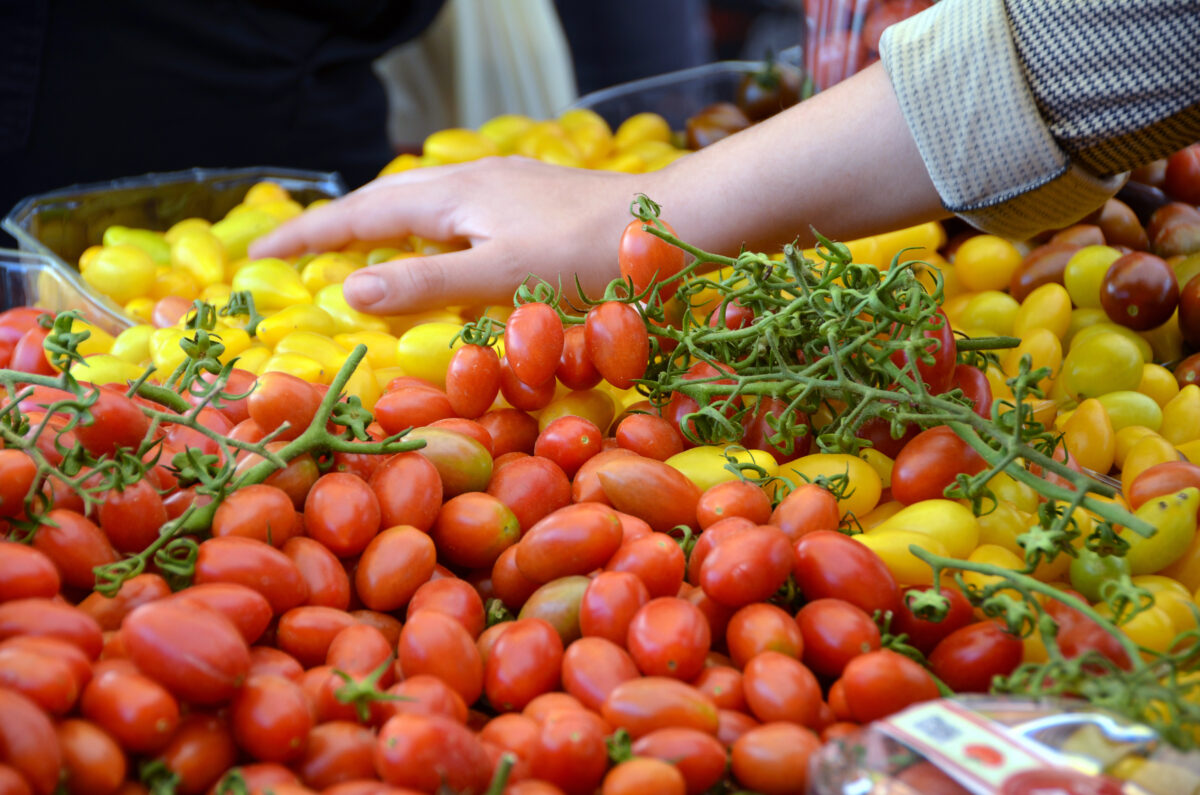
A beautiful array of cherry tomato options exists. You should dare to mix up what you grow and sell. Customers enjoy the different shapes, colors and sizes of tomatoes. As a grower, you can essentially sell different varieties all mixed together as well as separated into individual varieties on the table. Or, you could do both.
4. Add Value by Selling Cherry Tomatoes on the Vine
Some cherry tomatoes from determinate plants (meaning they ripen more or less all together), and some from indeterminate plants (ripen over a long period of time) can yield a cascade of cherry tomatoes. Under the right management, these could make nice additions to the market table. You might sell them for more per pound than the tomatoes themselves are generally worth.
5. Use Small Containers to Maximize Tomato Profits
We’ve had success selling them in heaping, half-pint berry containers rather than full-pint containers. This works really well in a “1 for $3 or 2 for $5” option. This means you get a minimum of of $5 per pint/pound, which, generally speaking, is what they cost most of us to produce.
6. Sell Cherry Tomatoes to Restaurants and Chefs
Cherry tomatoes are a summer fixture in restaurants. You’ll always sell more to busier restaurants than smaller ones that might be more particular about shapes and sizes. If you do have a good relationship with a high-end chef, charge for sorting out the size differences. Otherwise, it is always a good idea to find a nice, larger-scale restaurant that will buy larger quantities of cherry tomato bumper crops.
How to Sell Cherry Tomatoes: Final Thoughts
With the right mix of timing, variety, presentation, and customer targeting, cherry tomatoes can be one of your most profitable crops. Whether you’re trying to beat competitors to market, avoid the midseason glut, or land a steady restaurant account, these strategies show how to sell cherry tomatoes more effectively—and with less stress. A little planning can go a long way in turning a bumper crop into a financial win.
This article about how to sell cherry tomatoes was written for Hobby Farms magazine. Click here to subscribe.
Why are my tomatoes splitting? After all the effort you put into growing these tropical nightshades—juggling soil temperatures, pests, pollinators, and diseases—it’s frustrating to see a beautiful fruit crack and burst apart just as it ripens. Tomato splitting is a common but preventable problem that can leave your harvest ruined if not addressed. Fortunately, the cause is simple, and with a few small changes, you can protect your crop.
What Causes Tomatoes to Split on the Vine?
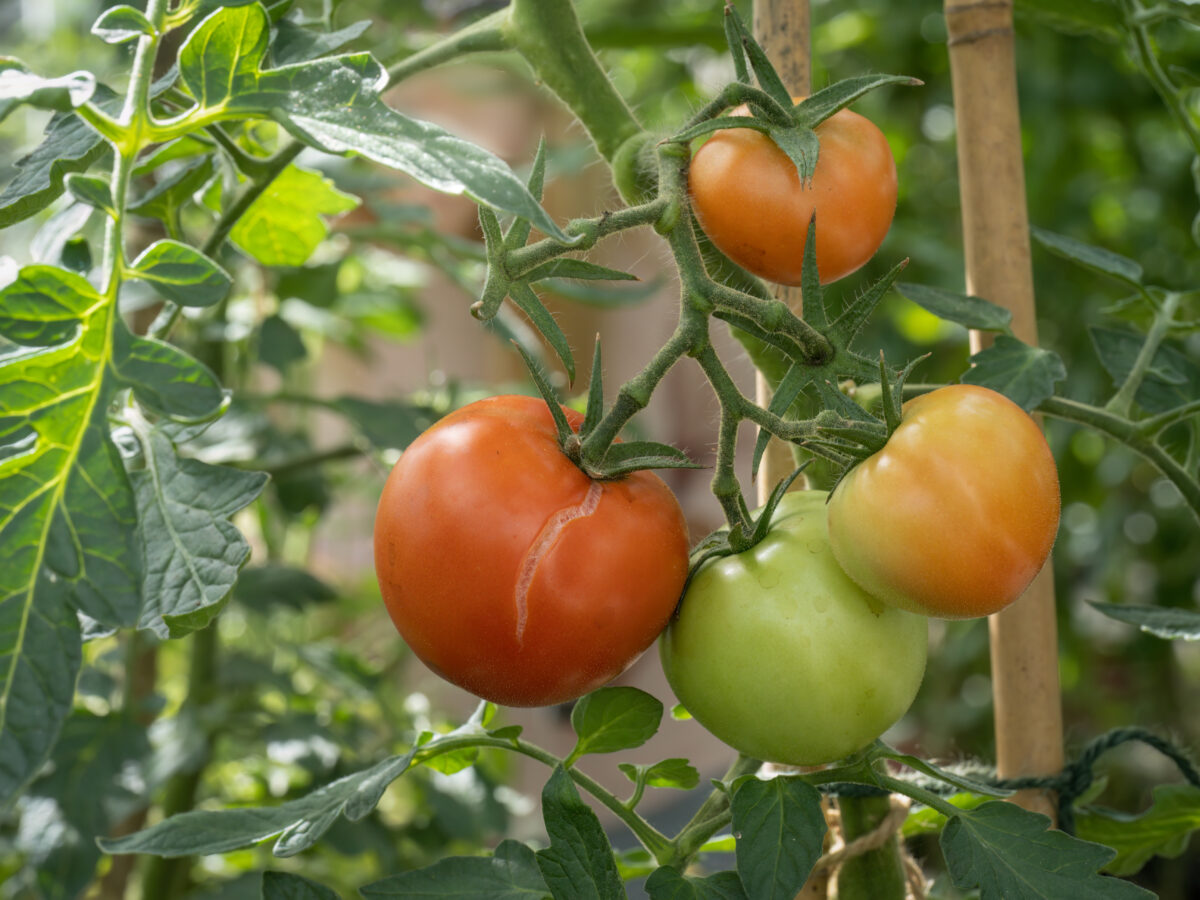
The explanation for why are my tomatoes splitting is pretty simple, even though it doesn’t seem like it at first. At first, you might suspect some sort of insect problem—perhaps insects chewing the skin of the tomatoes and splitting them. Also, you’ll oftentimes see some sort of rot setting in around the tomato split—so maybe it’s some kind of plant disease causing the tomato skin splitting. But it’s not either of these initially. It’s all about water.
Everybody loves those factoids about tomatoes being 95% water (the fruit, not the plant). And it’s true—a tomato has a lot of moisture inside. And as long as the plant is receiving a consistent, regular amount of water on a schedule, splitting should be at a minimum.
It’s when watering amounts are inconsistent that the problems arrive. For instance, maybe you have a busy week and don’t water the garden for several days. Then you have dry soil, and water it really well to make up for the lost days. While this may be okay for some of your garden plants, for your tomatoes, this spells trouble. The plants will drink up the new, excess water quickly, deliver it to the fruits, where the fruits can’t handle the influx, grow rapidly, and basically “explode” in a very gentle fashion.
The same thing can happen if there is a heavy rainstorm, when a large amount of water is dropped in a very short amount of time. Regardless of how consistent you may be with your watering, a major downpour can easily mean split tomatoes tomorrow. And it’s after the split occurs that you see insects and rot take over.
5 Easy Ways to Stop Tomatoes from Cracking
So what can be done? Plenty! Here are five tips to keep your tomatoes in tip-top shape.
1. Water on a consistent schedule.
2. Mulch around your tomato plants’ base to help keep moisture levels steady.
3. Pick tomatoes before a rainstorm, even if they’re not quite ready. It’s better to have them ripen on the counter than to split and rot.
4. Choose a variety that isn’t prone to splitting—those lovely cherry tomatoes tend to split easily, as do some thin-skinned heirlooms. Popular hybrids are sometimes more split-resistant.
5. Use raised beds. The extra drainage can help tomato plants from becoming waterlogged.
Why Are My Tomatoes Splitting: Final Thoughts
Tomato splitting can be disappointing, but it doesn’t have to ruin your harvest. By understanding why your tomatoes are splitting—and taking simple steps like consistent watering, timely harvesting, and choosing the right varieties—you can protect your plants and enjoy more flawless fruit. A little planning goes a long way toward keeping your tomatoes intact and your summer garden thriving.
This article about why are my tomatoes splitting was written for Hobby Farms magazine. Click here to subscribe.
Choosing the right chickens for your backyard or homestead involves more than picking the prettiest birds. Whether you’re after eggs, meat, companionship, or sustainability, your ideal chicken breed should match your goals, climate, and lifestyle. Before you bring home chicks, take a step back to consider what you really need—and why it matters.
A Family Tradition of Keeping Chickens
Thirty-odd years ago, my grandparents and great-grandparents could be found in the front yard dressing and preparing hundreds of chickens to be shared between their two families. They would stock their freezers for the upcoming winter, thinking tantalizing thoughts of homemade chicken noodle soup and fried chicken. A self-sustaining lifestyle wasn’t a hobby or wishful notion. It was a reality of life.
If you wanted to eat, you had to work for it.
Throughout my own childhood, the brooder house was never empty. Fresh eggs filled the fridge that sat in the mudroom.
We had a variety of poultry and waterfowl, so from a young age we had sampled the eggs from turkeys, geese, ducks and, of course, our faithful laying hens.
A few special roosters and hens seemed to have personalities of their own. At one point, my next younger brother and I had each claimed a rooster.—Roovert and Doovert, we comically dubbed them. The two unfortunate souls were chased around the hill by children eager to capture and stroke their beautiful, colored feathers.
Top Breeds We’ve Raised
My mother was a fan of dual-purpose birds in her henhouse. She preferred to have a breed of chicken that allowed for the roosters to be butchered at a young age. The hens grew old while supplying us with a steady stream of delicious eggs.
Even to this day, chickens are a staple at my folks’ home. Over the years, a variety of chicken breeds graced the threshold of the brooder house. But the flock today mainly consists of a mixture of Buff Rocks, Rhode Island Reds, Red Sex Links and Golden Laced Wyandottes.
Later, on my own, I started my own flock—a mix of Dominiques and Golden Lace Wyandottes. A heritage breed with the disposition of the calmest bird I’ve seen, the Dominique has become a favorite in my own henhouse.
What to Consider Before Choosing a Breed
When choosing the right chickens, you’ll encounter a variety of questions you’ll want to answer before picking a breed.
What do you want these chickens for? To raise for meat (fryers), eggs (layers), both (dual purpose) or just as ornamentals?
Will they be show birds and exhibited at poultry shows or just for your own homestead?
Will this chicken breed be able to thrive in the climate you live in?
Do you want full-sized chickens or their smaller counterparts, bantams?
How serious of an egg-layer are you looking for?
And just for fun: What color of eggs would you like?
Matching Breeds to Your Purpose
When choosing which breed of chickens to purchase, a little research can go a long way. One of the first things to decide: what purpose you want the birds to serve.
Chickens Raised for Meat
Fryers are chickens with stocky bodies that fill out with muscle, and are fed and grown with the intent to butcher them at a young age. They don’t lay as many eggs as layers or dual-purpose chicken breeds.
Best Breeds for Egg Production
Layers are chickens that have a more lean body build and lay an average of an egg a day. They’re not intended to be butchered. Rather, they spend the majority of their life producing eggs. The age a hen starts producing at and the number of eggs you get a day will depend on the breed of chicken you choose. An excellent layer should average between 250 to 280 eggs a year.
Chickens That Offer Both Eggs and Meat
Dual-purpose chickens are meant to provide a bit of both worlds. They’ll have a stockier body than layers and thus be able to be butchered. But the hens will also produce more eggs than fryers, making them able to be kept for years for egg production.
If you decide to go for a dual-purpose breed rather than strictly an egg layer, don’t expect them to produce the same number of eggs. They will still lay an adequate amount. But because they’re meant to fulfill two needs (meat and eggs) their body will also spend energy on building muscle as well.
You might also find that dual-purpose chicken breeds tend to be slower growing than their commercial counterparts, the fryers. Rather than a downside, some people find their slower growth to be a healthier alternative to some fast-maturing fryers.
Why More People Are Raising Chickens
Besides the constant entertainment chickens offer, why else would you want to go through the effort of purchasing them, building a shelter, buying feed and all of the other work it takes to maintain a healthy flock?
Chickens have grown increasingly more popular as people begin to question the health of commercial poultry offered in supermarkets and rising prices. Many people also tend to enjoy the feeling of security offered by growing their own food, whether in the form of a garden, chickens or cattle.
N_Design/Shutterstock
How Chickens Become Part of Daily Life
The longer you have them, the more woven into your daily life and habits your chickens will become. Kitchen scraps and yard waste can be diverted from the landfill and sent straight to the backyard. In return, you’ll be given fresh, deliciously rich eggs.
If left to free-range, hens will help keep your yard’s pests in check. Things such as ticks, fleas, mosquitoes, grasshoppers, grubs, aphids and even small reptiles are liable to end up on the wrong end of a hen’s beak!
If you enjoy gardening, chickens can be challenging pets to keep. While they might sneak a few bites of a tomato or dig a tender onion, they’ll mix your topsoil and organic matter as they scratch and kick around the dirt.
Garden pests will dwindle, and both you and the hens will reap the benefits of summertime eggs. Just consider it their way of repaying any missing produce!
Popular Egg-Laying Chicken Breeds
You’ll find a vast number of different breeds offered when choosing the right chickens for your flock. But here are some of the most common and practical layers you could consider adding to (or starting) your flock with.
Rhode Island Reds
Rhode Island Reds are a dual-purpose chicken breed developed in the state of Rhode Island. They are excellent layers and will produce a large, dark brown egg.
Some of the hens can go broody and make good mothers. These are a great option for new or experienced chicken-keepers and easy to care for.
Red Sex Links
Red Sex Links are a hybrid chicken and, interestingly enough, cannot reproduce purebred offspring. They are the result of a red cock (New Hampshire or Rhode Island Red) mated with a silver-based hen (such as a white Leghorn, Rhode Island White, Silver-Laced Wyandotte, etc.).
They are tremendous layers, producing large, brown eggs, and are quite hardy in a variety of weather environments.
Barred Plymouth Rocks
Barred Plymouth Rocks are another great dual-purpose breed of chicken, developed in Massachusetts. An extremely popular breed, the hens lay brown eggs and can turn broody, yet overall are hardy, calm birds.
While their coloring is similar to their relative, the Dominique, the single comb of a Barred Rock will help you differentiate between it and the Dominique, which has a rose comb.
Leghorns
Leghorns are an active, lively breed developed in Italy. They can come in a variety of colors, two comb variations, and either bantam or large breed size.
Leghorns are hardy and excellent layers of large, white eggs.
Golden Laced Wyandotte
Golden Laced Wyandottes get their name from a Native American tribe that was collectively known as Wendat or Wyandot. The original variety of Wyandotte was the Silver Laced. Today, however, you’ll encounter multiple different varieties including Blue, Black, Buff, Columbian, Partridge, Silver Penciled and White.
They are good layers of brown eggs and can become broody. They are a rather fluffy-looking chicken, thanks to their short tail and back, and loose feathering.
Australorp
Australorps, developed in Australia, are another dual-purpose chicken breed. They originated from Orpingtons and eventually came to be known as Australorps.
Australorps are excellent layers of brown eggs, and have a single comb and docile disposition.
Samantha McCourt/Shutterstock
Where to Buy Chicks and What to Know
When choosing the right chickens, chicks can be bought from a variety of places. Local farm-supply stores often host “chick days” and will have stock tanks full of chickens or ducks you can purchase and take home right that day. Many hatcheries also offer the option to order online and have the poultry shipped straight to your local post office for pickup.
Local breeders will also sometimes have poultry for sale. If you decide to buy from an individual, try to get a look at their flock and the living conditions before you purchase any birds. This will give you an idea of not only the history of your birds, but what problems you could run into in the future.
Here’s a quick rundown of how chicks are often offered for sale.
Straight Run
The chicks have not been sexed (had their gender checked). You are buying a random assortment of cockerels and pullets.
Cockerels
This is a selection of chicks that is supposed to be males only. Don’t be surprised if a pullet or two slips by once in awhile!
Pullets
These chicks have been sexed and determined to be pullets (or females) only.
Keeping chickens can be quite an adventure at times, but if you’re ready for a little backyard companionship and fresh eggs, they’re the way to go! Be careful on the number of poultry you get for your space, but don’t forget to have a little fun with it. A basket of multi-colored eggs could look beautiful sitting on your kitchen table!
Frequently Asked Questions About Chickens
Sometimes people have questions they feel are too simple to ask. Don’t be that person! How else can we learn if we don’t start with the basics? Here are a few things you might have wondered about.
Do you need a rooster for your hens to lay eggs?
Nope, you don’t need a rooster for your hens to lay eggs. Roosters simply fertilize the eggs, and the hen does all the work of making them. She can do that just fine without a rooster.
If you think you’ll want a self-sustaining flock in the future (meaning you’ll hatch your own eggs, whether in an incubator or stuck under a broody hen), then you’ll need a rooster.
Do eggs come in different colors?
Yes! Eggs can come in a rainbow of colors—they aren’t all brown or white! There are varying shades of blue, green, pink, white, brown, etc.
For brown eggs, look at the Buff Rocks, Golden-Laced Wyandottes, Rhode Island Reds, etc. For a more colorful egg such as blue or green, look at the Ameraucanas, Cream Legbars, Olive Eggers and so on.
What is the difference between a “single” comb and “rose” comb?
A single comb is how a lot of people imagine chickens—with a single flap of skin standing up on top of their head. A rose comb is a more flat and wide piece of skin that looks rather bumpy and lays down close to the head.
If you live in a cold climate, a chicken breed with a rose comb might be somewhat more desirable as it won’t get frostbite as easily.
How many eggs will my hen lay?
An average layer should produce between 250 to 280 eggs a year. When chickens are just pullets, they will probably lay an egg every three to four days.
As they mature, their eggs will grow larger and they should be producing two eggs every three days. (I typically would look for an egg a day from my full-grown hens, give or take a few.)
Choosing the Right Chickens: Final Thoughts
Choosing the right chickens can be a rewarding first step toward greater self-sufficiency and sustainability. Whether you’re after eggs, meat, or just some feathered friends, take time to match your breed to your climate, space, and goals. Start small, ask questions, and don’t be afraid to enjoy the process. A well-chosen flock can offer more than eggs—it can bring life, rhythm, and purpose to your homestead.
This article about choosing the right chickens was written for Hobby Farms and Chickens magazines. Click here to subscribe.
Rhode Island Red chickens are an iconic American breed. This barnyard hen is an excellent brown egg layer with a friendly personality and has much to offer the backyard flock owner.
How the Rhode Island Red Was Developed
This breed was first developed in Massachusetts and Rhode Island in the nineteenth century by crossing Brown Leghorns with Javas, Malays, and Cochins. Although no one knows who created the first Rhode Island Reds, this breed soon increased in popularity nationwide. In the early twentieth century, the Rhode Island Red made its way to England, where it was met with great enthusiasm.
The breed was first admitted into the American Poultry Association in 1904.
What These Classic Chickens Look Like
Rhode Island Red chickens come in one color: red. Hens sport dark red feathers, with some individuals appearing almost black. Tail feathers are black, giving these beauties an eye-catching appearance. As with all red chicken breeds, no two hens are colored the same. In general, roosters’ feathers are slightly darker than the females.
Both hens and roosters have single combs and red ear lobes. The beaks are a reddish horn color, while the feet and shanks are yellow. The toes and sides of the shanks may also have red markings.
Today’s Rhode Island Reds are slightly paler in color and smaller in size than the original birds. However, heritage strains of Rhode Island Reds are available for purchase as Heritage Rhode Island Reds at a local hatchery or through a breeder.
Rooster Weight: 8.6 pounds
Hen Weight: 6.6 pounds
Egg Production You Can Count On
The Rhode Island Red is an excellent egg producer, with egg colors ranging from light to dark brown. Each hen produces an average of 4-6 large/extra-large eggs weekly. (An average of 260-300 eggs annually).
Hens of this breed produce eggs for two years before production begins to slow. However, exceptional egg-layers may lay a couple of eggs each spring for ten years.
Known as dual-purpose chickens, these birds can be raised for meat and eggs. Some small-scale farms raise the pullets for eggs and cockerels for beef, but these days, Rhode Island Red chickens have been bred smaller and are usually kept for eggs rather than meat production.
Personality Traits of the Rhode Island Red
Hens are active and confident and dominate the top of the pecking order in a mixed flock. While they can bully other, more docile breeds, if kept happy, most Rhode Island Reds will find their way to the top due to their confident nature, not their bullying habits.
When handled frequently, these hens are friendly and love to snuggle on their favorite human’s lap. They are energetic, curious, docile, and sweet, making them an excellent addition to the family.
Rhode Island Red hens are ideal pets, although their food-motivated personality may make them less ideal for families with small children. Because of their love of food, they are more apt to peck at your hands than other breeds, so care should be taken to discourage this behavior.
Roosters are usually more aggressive than other breeds, so they may not be the best option for individuals seeking a pet rooster. However, roosters are individuals, and some do make excellent pets.
How Long Do These Chickens Live?
The Rhode Island Red chicken’s average life expectancy depends on the quality of nutrition fed and the strain. Feed hens a complete layer ration supplemented with probiotics, prebiotics, and herbs to help them live longer, healthier lives. When kept safe from predators, the average lifespan of production strains is about five to eight years (the average lifespan of most backyard chickens), while heritage strains average 9-10 years. Some hens may live as long as fifteen years.
Common Health Issues in Rhode Island Reds
Rhode Island Red chickens are known to be quite robust and hardy, although they should be checked regularly for lice, mites, and internal parasites.
Like other high-producing breeds, hens of this breed can be prone to several severe egg-laying disorders, such as egg yolk peritonitis, egg binding, and ovarian cancer. Egg production should be monitored closely. Take your hen to a qualified veterinarian at the first sign of an egg-laying disorder.
Due to their extra large combs and wattles, roosters of this breed are susceptible to getting frostbite. During the winter months, protect the combs and wattles by rubbing a little coconut oil over these sensitive areas. Extra caution must be used to ensure that the feathers do not get coconut oil on them, as the oil could damage them.
Keep hens and roosters inside their coop whenever temperatures dip below 30°F to keep anyone from developing frostbite. Like all clean-legged fowl, don’t forget to check the toes for frostbite.
Did You Know? Rhode Island Red Trivia
Golden Comets. Photo by Erin Snyder
Golden Comet hens are often referred to as Rhode Island Red hens. Golden Comets have red and white feathers, whereas Rhode Island Reds have red and black feathers.
This is one of the most popular chicken breeds kept for egg production worldwide.
Golden Comet chicks are crosses between Rhode Island Red roosters and White Leghorn hens.
Rhode Island Red hens are seen frequently at petting zoos due to their friendly disposition.
The Rhode Island Red is as American as its name depicts. With their friendly personalities and excellent egg production, it’s easy to see how they have grown in popularity and will for years to come.