Categories
Farm & Garden Food Recipes

Recipe: A Refreshing Strawberry-Vanilla Shrub

One of the sweetest treats of spring and early summer? Strawberries! The berries we pick up at the grocery store over winter in Minnesota do resemble strawberries visually. But the flavor is somewhat more like water in a strawberry guise.

They look like strawberries, but there isn’t much strawberry taste.

Our homegrown strawberries won’t be ready to harvest here until sometime in the middle of summer. And our frozen stash is gone by now, so by late winter, we have a hankering for them. By March/April, when strawberry season is already underway in California and Florida, things start getting a bit tastier in Minnesota.

That’s when I begin incorporating them back into our meals. 

My daughter prefers to snack on strawberries by the bowlful. I prefer to blend them up into a strawberry-banana smoothie. But my husband always requests a strawberry shrub. It is the very best and most simple shrub there is (in my opinion).

Today I’m sharing my twist on the classic, with a strawberry-vanilla shrub recipe. Garden fresh berries make the absolute tastiest shrubs. But this early spring treat does the trick for us until we can harvest our own.  

Last spring, I shared my recipe for rhubarb shrub. There are multiple methods for making shrub. I, however, prefer this no-heat “slow method” as it retains the fresh-fruit flavor versus a cooked-jammy flavor.  

Yield: 2-3 cups finished shrub 


Read more: Plan ahead to mix up a batch of rhubarb shrub!


Strawberry-Vanilla Shrub Ingredients 

  • 1.5 cups strawberries, quartered  
  • 1.5 cups white granulated sugar 

Days later:  

  • 1.5 cups organic apple cider vinegar (or other drinking vinegar of choice) 
  • 1 tbsp. vanilla extract 

Directions 

Clean berries and remove stems, as well as any flawed or bruised spots. Combine with sugar in a clean pint canning jar. Shake jar to mix sugar and berries well.

Wipe the rim of the jar with a clean dampened towel. Apply the canning jar lid and tightly screw on the ring. Store the jar at room temperature, out of direct sunlight, and allow the mixture to macerate over a couple days—until a thick syrup is made.

A few times per day, vigorously shake the mixture to speed up the process (or you can use a clean spoon to stir well). 

After two to three days, once the sugar has dissolved and a syrup is made, use a fine mesh strainer to strain out the solids, reserving the syrup in a measuring cup. Use the back of a spoon to push out any excess syrup. Once strained, measure the amount of syrup that was collected and add that same amount of vinegar to the syrup (it will be 1-1.5 cups of vinegar) and vanilla extract.

Stir well to mix. Store in a clean airtight jar and refrigerate. Enjoy within a few months for best flavor. 


Read more: Do chickens really need apple cider vinegar?


To Serve 

Mix about a shot of the shrub mixture with water, or carbonated water. Serve over ice. Shrubs also make delicious and unique cocktail mixers. 

Side Notes 

You can also use brown sugar, coconut sugar, maple syrup or other sugar alternative in place of white granulated sugar for this strawberry-vanilla shrub. 

In place of vanilla extract, you could use a half of a vanilla bean. Just add the bean with the fresh fruit and sugar on day 1 and follow the directions otherwise.  

Because raw apple cider vinegar “with the mother” is fermented, you also get the probiotic benefits of fermentation in this drink.  

This method of making a shrub can be applied to any fruits and herb combinations.  

Fresh or frozen fruit can be used when making shrub. 

Don’t toss the strained out fruit solids! They are delicious mixed into plain yogurt or oatmeal, or blended into a smoothie. 

This recipe was adapted from WECK Small-Batch Preserving (2018) with permission from Skyhorse Publishing, Inc. 

Categories
Animals Farm Management Large Animals

Wallis Farm Talks Family Farming Legacies & Shorthorn Cattle

“Raising cows is an everyday job,” says Valerie Wallis, who runs the namesake Wallis Farm alongside her husband, Shane Wallis, in Indiana.

Specializing in Shorthorn cattle, Wallis adds that ensuring the welfare of their animals has always been paramount. “We look at their bodies daily to make sure they are feeling okay and don’t have issues with their hooves walking or sores from something random,” she explains.

Part of this process involves taking daily walks around the pasture to check on the cows—and it’s a routine that’s become one of Wallis’s favorite parts of the day.

Taking a moment out from cattle duties, we spoke to Wallis about learning to love cows and tips for spreading bedding. We also got the inside story on the farm’s star cow, Esther.

The Roots of Wallis Farm


View this post on Instagram


A post shared by Wallis Farm (@wallisfarm)

Wallis Farm furthers a family farming legacy. “Shane grew up watching his grandfather farm,” says Wallis. “His grandpa had 40 head of cattle, and he harvested corn and beans in Indiana.”

After buying the farm off Shane’s grandparents, the Wallis’s have built up to 30 head of their own Shorthorn cattle. “We also harvest corn, beans and hay for the cows,” explains Wallis.


Read more: Considering cattle? Here are 9 things you need to know.


All About Cow Love


View this post on Instagram


A post shared by Wallis Farm (@wallisfarm)

The Shorthorn focus of Wallis Farm comes from Shane’s days taking part in the 4-H youth organization network. “He found out that his heart belonged to the cows,” says Wallis. “He has raised cows since he was in high school.”

After they started dating, Wallis’s own love for cows began to grow as she watched Shane raise them. “We have had our share of adventures, from them getting out to showing them at beef congress to bottle feeding ones that needed help,” she says.

Tips for Spreading Bedding


View this post on Instagram


A post shared by Wallis Farm (@wallisfarm)

A recent post to the Wallis Farm Instagram account dug into different ways to spread bedding for cows. Using either straw or baled corn stalks, Wallis explains how “the easiest way to spread a round bale is with the skid loader or even the manure spreader—but with straw instead of poop.”

When tackling square bales, Wallis says her top hack is to “bash a few handfuls of the straw together like you are clapping and let it scatter across the pen.” For added amusement, Wallis recommends playing music and kicking the straw around in time to the song.


Read more: When cold approaches, you need to get things ready to keep cattle safe.


Spotlight on Esther


View this post on Instagram


A post shared by Wallis Farm (@wallisfarm)

Esther the cow is one of the main draws at Wallis Farm. Her back story involves being born as a twin but having her mother reject her in favor of her brother.

“I had to bottle feed her from day one, and we got close because of that,” says Wallis.

It turns out that Esther was also born a free-martin. “So long story short—and skipping a bunch of medical terms—Esther cannot have babies,” says Wallis. “I cannot have kids either, so it bonded us even more.”

Furthering the Legacy


View this post on Instagram


A post shared by Wallis Farm (@wallisfarm)

When it comes to running a family farm, Wallis says that she gets the most amount of joy out of “watching everything grow and being able to say I did that.” She adds that her husband is proud to be carrying on his grandfather’s legacy—and that they both value the sheer hard work that goes into making sure the farm keeps ticking along.

“We absolutely love it and would have it no other way.”

Follow Wallis Farm at Instagram.

Categories
Crops & Gardening Equipment Farm & Garden

Get Ready For Mother’s Day With These Gardening Gifts

Mother’s Day is officially May 8, 2022, so it’s time to snag some extra special gifts for the gardening moms, grandmas and other mother figures in your life. Here’s a little inspiration.

Pet-Friendly Plants

Run by a Florida-based, mother-daughter duo, Verdant Lyfe ships carnivorous plants, ferns, succulents, cacti and more throughout the U.S. They source their specialty houseplants from Florida farms that use organic and sustainable growing methods.

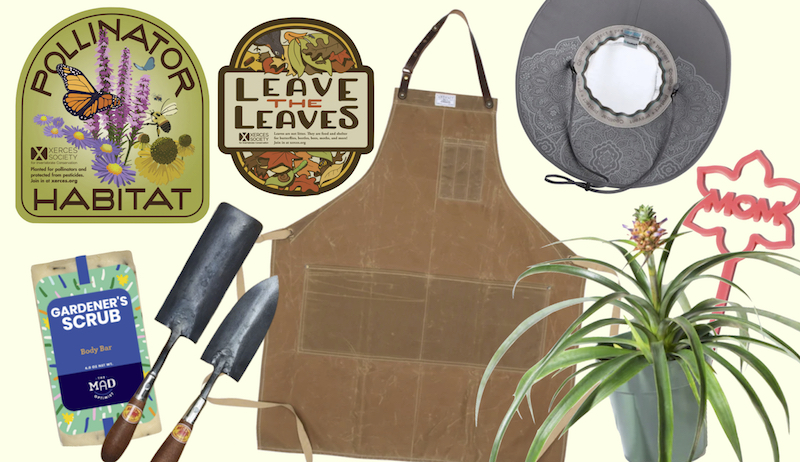
The “Tiny Treasure” mini pineapple plant is one of the more unusual ornamentals you’ll find included in Verdant Lyfe’s Pet-Friendly Plant Collection. Ananas nanus produces a teensy pineapple at its top and is well-suited for full sun container gardens. Mature plants can grow from 2 to 4 foot high with a 2- to 3-foot spread.

Verdant Lyfe’s mini pineapple plant is available in a standard nursery pot or a fancier porcelain planter. Cost ranges from $35 to $59 plus shipping. And, for a little extra, you can include a pink acrylic “MOM” plant decoration, too.


Read more: Establish a pollinator corridor in your neighborhood!


Signs of the Times

Moms who garden for birds, butterflies and bees just might appreciate the Xerces Society’s attractive, conservation-related signs. The Xerces Society for Invertebrate Conservation offers two different, full-color signs suitable for mounting in her garden.

The 9-by-10-inch “Pollinator Habitat” sign features a floral scene complete with monarch butterfly and a bumble bee. It also includes the message, “Planted for pollinators and protected from pesticides.” (They have a Spanish language version of this sign as well.)

The Xerces Society also offers a 9-by-10.5-inch “Leave the Leaves” sign—perfect for moms who’ve hung up their leaf rakes for good. “Leave the Leaves” includes artwork of fallen leaves and assorted caterpillars as well as the text, “Leaves are not litter. They are food and shelter for butterflies, beetles, bees, moths, and more.”

Each sign is available with a $57 donation plus shipping. Your donation helps support this nonprofit organization’s international conservation work.

Scrub-a-Dub-Dub

Help Mom clean up after a long day in the garden with Gardener’s Scrub soap from The Mad Optimist. The handcrafted bar soap is packed with peppermint essential oil and super-scratchy fennel seed—great for removing extra-stubborn garden grime.

The Mad Optimist offers pay-what-you-want pricing, with soaps starting at $6 each plus shipping.

If you prefer, you can customize something just for Mom instead. Simply choose your own mix of scents and exfoliants, pick your soap label art, and name your soap. You can also create custom lip balms, bath soaks, or body sprays.

Orders ship in 14 days or less.


Read more: Make your own DIY herbal lip balm with this recipe!


Handy Tools

Based in Oregon, the folks behind Red Pig Garden Tools are “the only blacksmiths in the United States specializing in hand-forged garden tools.” Red Pig makes both long- and short-handled gardening tools of all types, including hoes, cultivators, trowels and weeders, among others—all of which are sure to make special Mother’s Day gifts for growers.

Super-sharp and durable, the “Hole About” and the “Bigger Holeabout” are just a couple of the hand tools worth a look.

“For many years we have produced a forged transplanting trowel dubbed a ‘Hole About,’ because it makes a hole about 2 or 3 inches in diameter,” the makers explain. The larger version creates holes between 3 and 6 inches around.

Red Pig’s Hole About sells for $40. The Bigger Holeabout is $45. Orders can take a week or more to ship.

Cover Up!

Your favorite gardener can stay extra neat and a little more organized with the “No. 448” gardening apron. Handmade by Artifact in Omaha, Nebraska, this professional-grade, water-repellant apron features an adjustable (and removable) leather strap. It’s made from 10-ounce waxed canvas and includes upper pockets for small items and a deeper, divided lower pocket.

Available in regular and extra-large sizes and tan, slate or black, the apron costs $120 plus shipping. And, for a bit more, Artifact’s makers will even monogram it.

You can help protect your mom’s skin—and keep the sun out of her eyes—with Coolibar’s Etta Shapeable Sun Catcher Hat. With an Ultraviolet Protection Factor (UPF) rating higher than 50, this hat can block 98 percent of the sun’s damaging UVA and UVB rays.

The Etta Shapeable Sun Catcher has a shapeable brim, adjustable chin strap, and comes in black, tan or white. One size fits most. The hat is hand-washable and costs $49 plus shipping.

Also $49 plus shipping, the Flora Gardening Hat is one other good option from Coolibar. Unlike the Etta Shapeable Sun Catcher, the Flora is spot-clean-only. But it is UPF-rated 50+ and features an extra-wide brim for more neck coverage.

The Flora includes a sweatband, cotton-lined crown and chin strap. It comes in black, natural or blue and sizes S/M or L/XL.

Categories
Podcast

Episode 27: Mariel Gardner


Urban farmer Mariel Gardner talks about 5th Element Farms (aka Apocalyptic Acres), where Dope Beets, Dope Rhymes is the motto for the vacant city lot they reclaimed as a space to grow food for their community. Their food access model is to feed the people as best they can with the hope that others will want to support them in this “economy of decency.”

Listen in for tips for finding and reusing discarded items for your farm and for starting your own pollinator garden, in the city or the country. Mariel also tells us about the West Louisville Women’s Collaborative, where they believe “wellness lies at the juncture of art and nature.”

With more than 300 vacant and abandoned properties listed with the Louisville Landbank Authority, you’ll hear about the challenges of accessing this and other land for urban farming. You’ll also learn about Mariel’s research into historical Black land dispossession in the state of Kentucky and how this continues in cities and suburbs today.

Categories
Animals Chickens 101 Farm & Garden Flock Talk Health & Nutrition Poultry

Chickens Will Eat It All! (So Be Careful)

“Not again!” My son Jaeson caught me red handed as I put a rubbery zucchini and the remains of last week’s cantaloupe into our kitchen compost crock. It’s not that he hates seeing food go to waste (I certainly do!). Rather, he laments that our elderly produce’s final destination is not our compost heap but our chicken run.

“Those birds eat better than I do!” he complained.

Jaeson is actually quite correct in his observation, but not in the manner he intended. He grumpily meant that our chickens eat more of our groceries than we do. And he’s somewhat right. Our flocks do indeed benefit from our kitchen scraps, stale bread, unwanted leftovers, and shriveled fruits and vegetables.

Voracious Omnivores

My interpretation of Jaeson’s complaint, however, is that chickens do indeed eat better than a lot of humans, especially picky kids (aka Jaeson) who refuse to eat anything but pasta and pizza.

Chickens are omnivores that eat both plant matter and animal-based proteins. They’ll spend hours foraging for insects. And they’ll gladly eat any frogs, mice and snakes they manage to catch.

Chickens will also chow down on scrambled eggs, aging meat loaf and—yes—even leftover chicken.

Nobody liked your tuna casserole? Your chickens will eat it. Grilled too many hot dogs? Your chickens will help you out with that, too.


Read more: Black soldier flies are a self-harvesting chicken feed.


Fruit Fanatics

Chickens also adore anything with seeds: melons, bell peppers, pumpkins, squash, cucumbers, you name it. Stone fruit is a particular favorite. My hens just seem to know when I’ve eaten all I can of a peach, plum or nectarine and will polish the rest of the fruit right off the pit.

The little rascals have also swiped peanut butter and jelly sandwiches and pizza slices right out of my sons’ unsuspecting hands. Lesson learned: Don’t eat around the chickens unless you intend to share!

My birds are also rather fond of my holiday fruitcake, which is more than I can say for my immediate family. Chickens truly have remarkable palates!

Treat Seekers

Our birds are also very astute when it comes to recognizing where to find especially tasty treats. The moment one of our chickens sees us toting our kitchen crock in their direction, they sound the alert. Suddenly all of our birds dash out of their coops, gathering by the gates in anticipation of delectable delights.

We had to fence in our vegetable garden to keep the chooks from demolishing our salad greens, radishes, turnips, corn shoots and baby melons. I also discovered that the handful of Orpington hens that kept ranging into the woods weren’t being purposely dense. They’d discovered the raspberry canes that thrive there.

I’ve also lost track of how many times I’ve shooed chickens (and turkeys!) off our deck railing, which provided them with convenient access to our wild-bird feeders and their yummy assortment of bird seed.


Read more: Learn more about the 5 essential nutrients in chicken feed.


Forbidden Foods

Despite their voracious appetite for everything, chickens should stay away from several human foodstuffs which are safe for us but can be troublesome or downright dangerous for them. These include:

  • Avocado: One of the most dangerous plants for birds, avocado in all forms fruit, stem, leaf and seed—can cause myocardial necrosis (the death of cardiomyocyte heart tissue), toxicosis and even death when ingested.
  • Chocolate: Theobromine, a chemical found in chocolate, is extremely toxic to chickens, causing life-threatening arrhythmia, seizures and death. In addition to keeping chocolate in any form away from your flock, avoid using mulch that contains cocoa-bean hulls.
  • Raw Bread Dough: The yeast in raw bread dough thrives inside the stomach, where it multiplies, causing abdominal bloat and breathing difficulties. Furthermore, as the yeast ferments, it produces ethanol. This compound gets absorbed into the blood stream, leading to alcohol poisoning.
  • Raw Potato/Potato Peels: Solanine, a substance found in raw potatoes and potato peels, is toxic to chickens, causing vomiting, diarrhea and central nervous system disorders. Note: Thoroughly cooked potato is safe for chickens to consume.

While I may not be making a chocolate-avocado layer cake any time soon (neither my family nor my chickens will eat it), I do prepare potatoes frequently. And while he may grouse about our chickens getting lots of our leftovers, Jaeson has taken to eating his potatoes with peels on … his way of making sure our flocks stay safe.

Categories
Animals Chickens 101 Farm & Garden Poultry Poultry Equipment

Chicken General Store: Chic(k) Decor For the Coop & Home

UNRUFFLEDRX Aloe Vera Spray for Birds

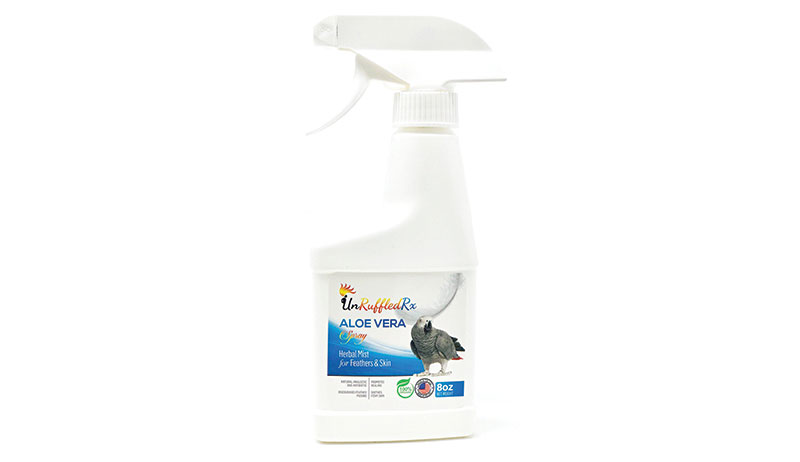
1. Made from cold-pressed aloe vera, this safe, vitamin-rich UNRUFFLEDRX Aloe Vera Spray for Birds makes feathers soft and moisturizes dry, itchy skin and feathers. It’s also effective for relieving pain and inflammation from feather picking. $17.99

chicken chickens

Chicken Bookmark

Let this chicken bookmark keep your place without damaging the pages of your book or fearing falling out. Handmade of copper wire, a saying of your choice can be hand-stamped on the wire. $9

Wooden Spoons

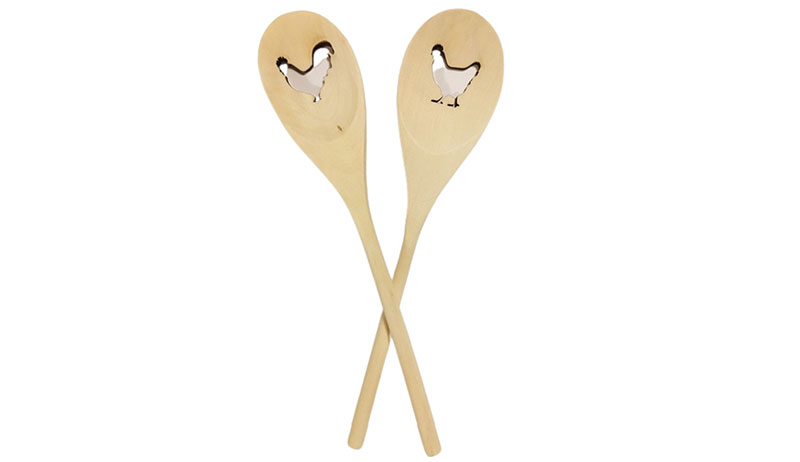
Add some cheer to your meal prep with these wooden spoons featuring a laser-cut hen or rooster, made from solid rubber wood and treated with food-safe beeswax. $4.99

chicken chickens

Microbe-Lift/CCC&D Spray

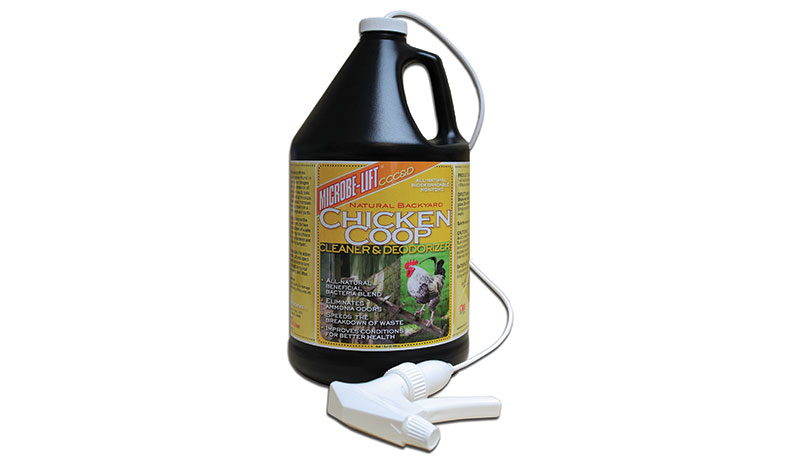
Microbe-Lift/CCC&D spray uses stable, highly active microbial cultures to help remove ammonia ions from chicken manure, keeping the coop smelling fresh and birds healthy. This spray also accelerates litter breakdown and increases the nutrient value for compost. Prices vary by retailer.


Read more: coop Control your chicken coop odor in heat and humidity!


Rocking Roost

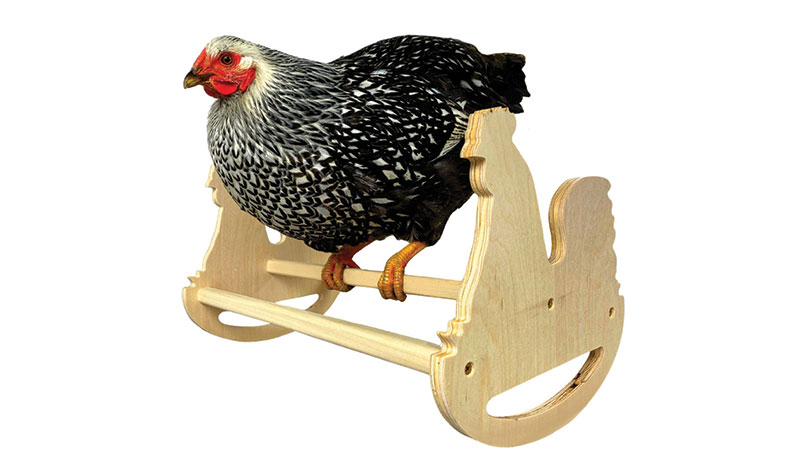
A rocking roost (pictured above) is endless entertainment for hens and owner alike. Handmade of American hardwoods, this roost is perfect for any size bird. $24.95

Scent of Spring Nesting Herbs

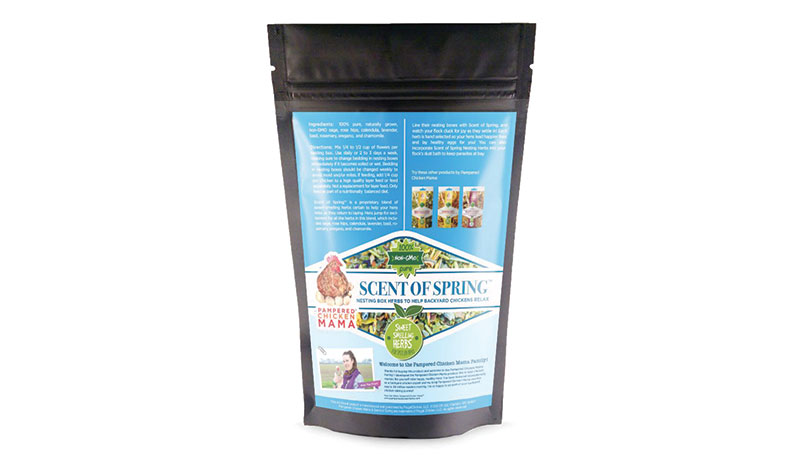
Prepare for your hens’ oncoming eggs by sprinkling Scent of Spring Nesting Herbs in their nesting boxes. The blend includes sage, rose hips, calendula, oregano and chamomile to help hens relax. $19.99   

chicken chickens

Chicken-Shaped Solar Light

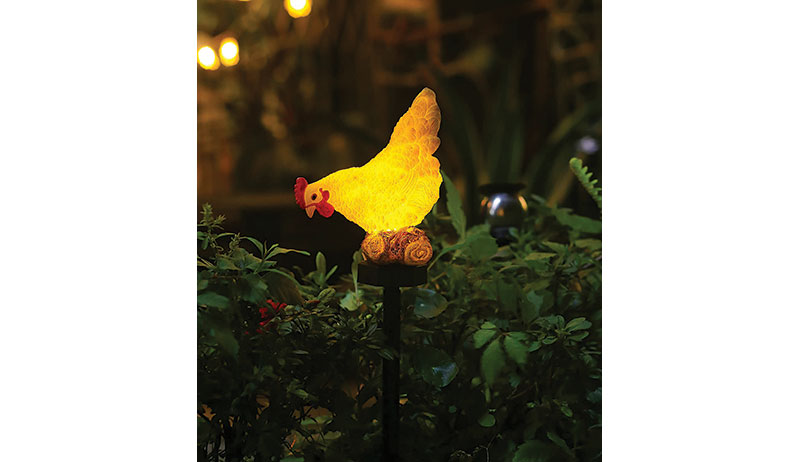
Stay safe on dark walks to the coop with the resin chicken-shaped solar light that automatically turns on at dusk for six hours of illumination. $16.99

Hen Up Scratch Grains

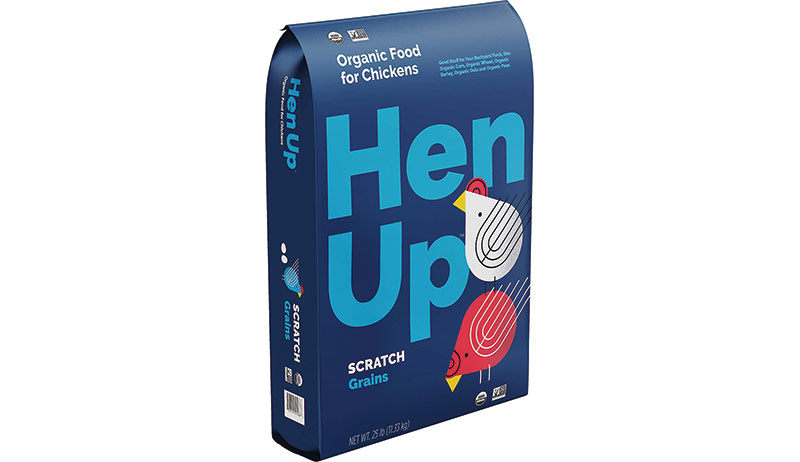
Support your flock’s instinct to peck, forage and scratch with Hen Up Scratch Grains, a supplemental treat. Made with a blend of organic ancient grains such as oats, barley and wheat, Scratch Grains are free of pesticides, fertilizers and GMOs. Price varies by retailer.  

Measuring Cups

These six measuring cups nest together until you need them, can dry measure from 1/4 to 1 cup and are made of food-safe plastic. $13 

This article originally appeared in the March/April 2022 issue of Chickens magazine.

Categories
Equipment Farm & Garden

What Type of Gardening Cart Do You Need?

Judging from the gusts of wind and snowflakes blowing past my window, no one would guess spring arrived more than two weeks ago. It’s hard to picture planting a garden when there’s still an unbroken blanket of snow across the fields.

But as the sun rises higher in the sky and temperatures warm,  these wintry conditions ultimately wage a losing battle. Spring is coming slowly but surely, which means it’s time for me to purchase a new gardening cart.

Garden Cart?

Wait, what? If that came out of left field, let me explain.

I’m busily stocking up on spring garden supplies. And I’ve come to the conclusion I need to replace my existing gardening cart. It’s been in service since 2005, and it’s definitely showing its age.

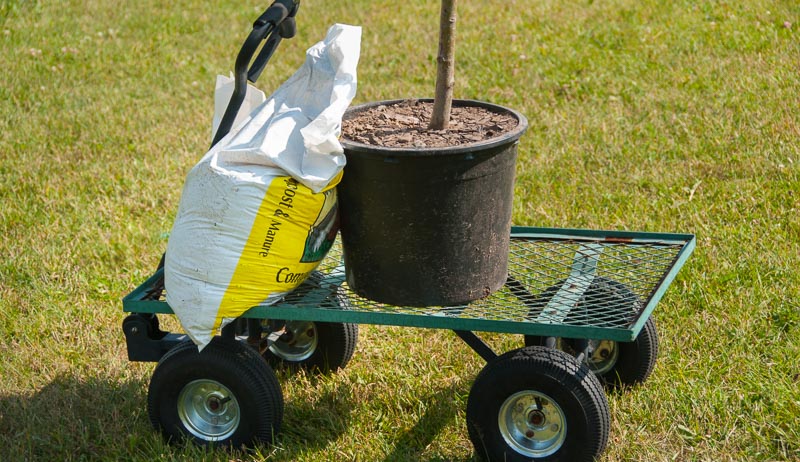
It’s a four-wheeled, metal flatbed cart pulled by hand or by tractor. Unfortunately, the steering mechanism allowing the handle/tongue to turn the front wheels broke several years back. My attempts to repair the break have, sadly, seen only modest success.

Having acknowledged the need for a new gardening cart, I’m faced with a new question: what type? Gardening carts come in many different designs, because—as far as I’ve gathered—“gardening cart” is a rather vague term.

All sorts of carts can be used in the garden, ranging from wheelbarrow types with a pair of front wheels to the four-wheeled carts I prefer. There are even utility carts that stack multiple flat beds vertically like a multi-story house, allowing you to pack more transportation potential into a smaller footprint.


Read more: Wheelbarrows are perfect for gardening—here’s why.


4 Wheels for Me

A utility cart might be perfect for shifting potting supplies and seedlings across smooth terrain, and a wheelbarrow can be useful for negotiating tight quarters. But I’m more interested in the adaptability of a four-wheeled cart.

I want a gardening cart that I can pull by hand around the garden and between beds. But I also want one I can hook to a garden tractor for towing heavy materials around the farm. For example, when moving small loads of compost.


Read more: Consider these 4 types of tractors for your small farm.


Material Matters

This brings us to another consideration: From what material should a gardening cart be constructed? I’ve used both polypropylene and metal carts, and they offer different strengths and weaknesses.

  • Metal carts are literally stronger and can carry more weight, but they can also rust.
  • Polypropylene carts might not be as strong. But if you avoid overloading them, they can hold up for years with little wear or tear.

Typically, polypropylene carts are designed with solid beds and raised sides. This design makes them suitable for transporting loose materials (like compost) without spilling. They can even hold water, which is either an upside (say, if you want to catch rainwater) or a downside (if that cartload of gardening tools you forgot about fills with rainwater).

In contrast, metal gardening carts (either with or without sides) are often constructed from a crisscrossing mesh of metal strips. This creates a strong but open design that allows rain to fall through.

This is great for projects like drying onions. But unless you cover the flatbed with something nonporous (like wood or thick cardboard), moving compost and similar materials doesn’t work so well.

Right Cart for the Job

As you can see, there are a lot of factors to consider when shopping for a gardening cart. My 2005 model is a metal cart with a flat mesh bed, but I may opt for a polypropylene cart this time around.

Transporting compost down narrow paths between raised garden beds will be its primary purpose, so having a solid bed with sides will be a positive. And I may opt for solid rubber tires instead of pneumatic tires, since the solid tires should last longer and require less maintenance while still serving suitably.

Besides … steering or no steering, I reckon my old mesh garden cart still has a few more years of drying onions left in it!

Categories
Animals Farm & Garden Homesteading Large Animals

Ringwomb Is A Dangerous Lambing Complication

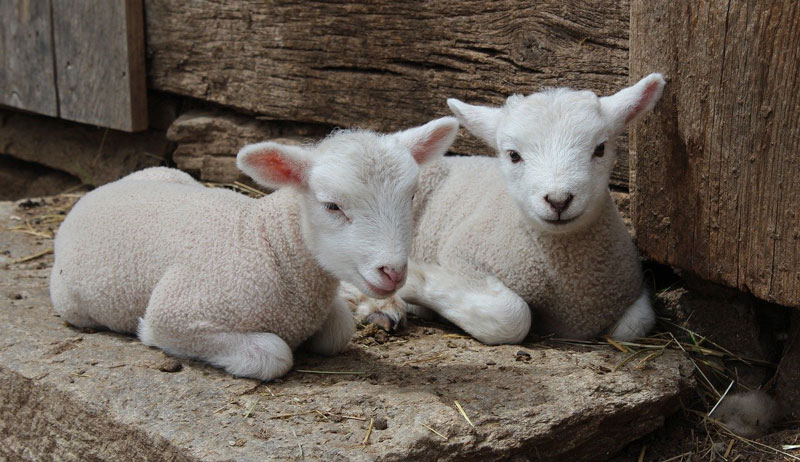
With birthing season in full swing, now is the perfect time to discuss one of the great mysteries (and frustrations) of lambing—a condition colloquially known as ringwomb (not to be misheard as ringworm, a fungal condition of the skin).

What’s Ringwomb?

In medical terminology, ringwomb is an incomplete dilation of the cervix. Full dilation is needed for the lamb to exit the birth canal. So from the description alone, you can see how this condition quickly develops into an emergency situation.

If you raise and breed sheep, at some point you will likely encounter this condition. It’s a marvel to me that, in this day and age and for as common as this condition is, we still don’t know what causes it. Theories on its cause include genetic factors, hormonal imbalances and nutritional causes.

Likely it’s a combination of more than one factor.


Read more: Here’s an overview of what you’ll need this lambing season.


What to Look For

You will typically suspect ringwomb when a ewe has been in labor for a few hours but the process has not progressed. Sometimes her water may have broken, but no lamb makes an appearance soon after. The ewe may keep trying or, if left too long, may weaken and stop pushing altogether.

On examination, you’ll find a cervix that is barely open—most commonly allowing only a few fingers through, when in normal circumstances at this point in the process you should be able to insert your entire hand.


Read more: “Did my informal lambing calculator backfire this year?”


What to Do

Once ringwomb is suspected, your best course of action is to call your veterinarian. Manual manipulation of the cervix—meaning slow and gentle manual dilation—rarely works. Rather, it just results in hurting the ewe, damaging the cervix and stressing her further.

Medical treatment also doesn’t have a good track record in fixing this issue. Some keepers attempt to administer calcium or hormones such as oxytocin to help dilate the cervix. But in waiting for these to help, one loses more time.

With a cervix not properly dilated, the fetus is essentially “waiting at the gates”—knocking at the door unable to get out. If left too long, you will lose the lamb and eventually lose the ewe, too.

So what to do in such dire circumstances? The best option is a C-section. This has the best outcome for the ewe. And, if done early enough, the surgery offers a reasonable chance at saving the lamb, too.

Once your vet comes out, confirms the diagnosis, and a C-section is performed, what next? Hopefully you have a newborn lamb (or two or three) to help the ewe care for. Ringwomb is not necessarily accompanied by lack of milk production. The ewe may need some assistance, however, depending on how many lambs she has and how weak she is from the surgery.

More importantly, however, is the question of the ewe’s future. Due to the consideration that ringwomb has at least a partial genetic link, many vets and experienced sheep producers recommend removing affected ewes from the flock. They also suggest keeping resultant lambs as breeding stock.

Whether this is the right decision for you depends on the size of your flock and your hobby farm goals.

Categories
Animals Breeds Farm & Garden Large Animals

Love My Breed: Get To Know Large Black Pigs

We asked, and you answered. Ohio farmer Felicia Krock wrote in to tell us all about keeping the Large Black breed of pigs!


There are fewer than 500 registered Large Black hogs
in the United States. We chose this breed for its docile personality. We continue to raise them for their parenting skills. 

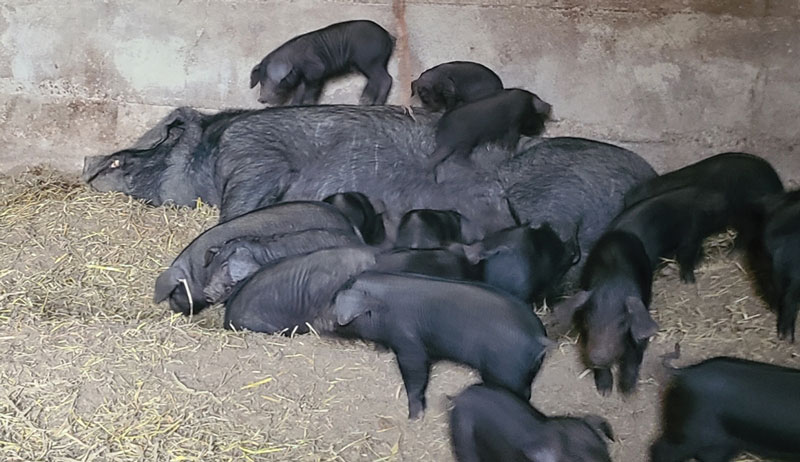
We keep our animals in family units that consist of a boar and usually one to two sows. We want to allow the parental duties to be shared, and they are. 

The boar will stay with the piglets while the sow is out grazing, taking a break or just getting a sip of water. I can’t say enough about their attentiveness to their offspring. 


Read more: Considering raising pigs? Hogs are perfect pasture animals for the small farm.


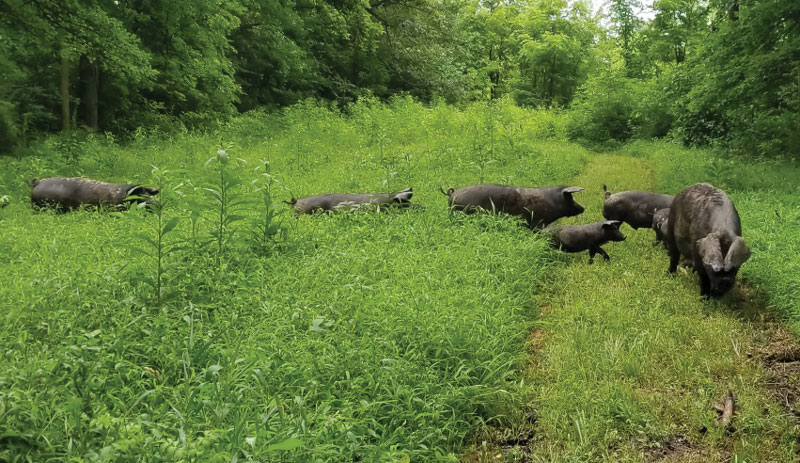
There is a difference in raising the animals on pasture (as we do) and raising them in confined lots. Large Blacks can get lazy and choose not to move around and then they become obese. 

We prefer to have our Large Blacks roaming our acreage working the fat throughout their muscles to produce a beautifully micro-marbled meat. 

Large Black Black pigs hogs

It also keeps them happy and healthy! 

—Felicia Krock, Triangle K Ranch, Kenton, Ohio 

Tell Us Why You Love Your Breed

Do you have a favorite breed of livestock that you think is the best? Tell us about it. Are Tamworths the best pig to keep? Are Jerseys your pick for a hobby farm cow. Or are Orpingtons the chillest farm chicken?

Email us your thoughts (~250 words) and a photo of you and your livestock to hobbyfarms@hobbyfarms.com (subject line: I Love My Livestock!). We’ll publish our favorites in upcoming issues. 

This article originally appeared in the March/April 2022 issue of Hobby Farms magazine.

Categories
Animals Chicken Coops & Housing Chickens 101 Farm & Garden Flock Talk Health & Nutrition Poultry

The Truth About Chickens & Cannibalism

I absolutely love helping out new backyard flock owners. Their excitement and enthusiasm, coupled with sincere concern for the birds they raise, make me eager to take them under my wing, so to speak. I’m always happy to share my knowledge and experience with them and to answer their questions, regardless of how many times I’ve heard them in the past.

At our poultry-owners’ group meeting this past week, however, a question I’ve never heard completely stunned me into silence … and that’s saying a lot!

The fledgling flock owner—a young woman named Kat—seemed hesitant to ask me something but simply had to get her question off her chest. Earlier, she’d lovingly spoken of her baby chicks, a sextet of Wyandottes, Orpingtons and Plymouth Rocks she’d been unable to resist at our local farm-supply store.

She’d already asked about Salmonella and handling chicks as well as about the difference between starter and grower. She’d held back, however, when other new group members asked about preparing nestboxes, estimated point of lay, and other matters related to older birds.

Finally, Kat blurted out, “I’m sorry, but is there really any point to this? I mean, I love my chicks so much, but my mom told me that chickens are cannibals so I shouldn’t count on my chicks lasting to adulthood. Is that true?”

It was so quiet you could hear a pinfeather drop. The expressions on people’s faces told me they were either thunderstruck, like me, or they were concerned about the same question. Are chickens cannibals?

The answer is no … and yes.


Read more: chickens Pecking order changes can present real challenges for chicken-keepers.


No, Chickens Are Not Cannibals

When we hear the word cannibal, images of Hannibal Lecter or storybook South Pacific tribes tend to pop into our minds. Our understanding of the term is definitely colored by fiction. It’s therefore completely comprehensible that Kat’s mother, having read somewhere that chickens can succumb to cannibalism, tried to dissuade her daughter from keeping backyard poultry.

After all, who wants to open up their coop just to find bloody-beaked birds fiendishly feasting on a former flockmate?

Fear not, folks: Chickens are not cannibals. Your Houdans will not be hunting each other in the coop or run, nor will your Leghorns lay in wait for layers. Yes, there will be pecking-order squabbles and, occasionally, some downright bullying.

But you can rest assured that your baby chicks will not grow up simply to rip each other into shredded chicken.

Yes, Chickens Are Cannibals

That being said, chickens are indeed omnivores who, given the opportunity, will eat just about anything. This does not mean they will turn on each other when our backs are turned. But under negative conditions, they may start picking at the combs, feathers, toes and vents of lower-ranked birds in the flock.

An open wound or a bleeding injury that results from this picking can serve as an open invitation to the rest of the flock to start physically assaulting the victim … and may result in the harassed bird’s death.

It’s not cannibalism, per se, but chickens can injure or even kill each other this way.

For this reason, always separate an injured chicken from her flock. Allow the bird to fully recuperate in a separate coop, brooder, pen or even a large cardboard box before returning h2 er to her coop. Similarly, immediately remove deceased birds before curiosity gets the best of the rest of the flock.


Read more: Bust coop boredom with these environmental enrichments!


Causes of Cannibalism

As long as you maintain a healthful living environment for your chickens, with plenty of nutritious feed, clean water, nestboxes, and space to explore and spread their wings, you should not have any worries about cannibalism amongst your flock.

But stay wary of the following conditions, which will cause stress and can start your chickens down the road to cannibalism.

  • Overcrowding: Allow for at least 2 square feet per bird inside your coop, and provide a spacious run or yard for them to explore
  • Excessive heat: When chickens become uncomfortably hot, they begin picking at each other. Only maintain a heated environment for the first few weeks of a chicken’s life
  • Excessive light: Constant light and extremely bright light can cause chickens to become hostile towards each other. Never light your coop or brooder more than 16 hours per day, and only use bulbs that are 15 to 25 watts.
  • Absence/shortage of food/water: Always provide access to food and water around the clock, since the pecking order determines which birds get to eat and drink at which times. If there isn’t enough food or water, hungry and thirsty birds will behave aggressively toward each other
  • Shortage of nesting boxes: When layers have to fight for nesting-box space, vicious vent pecking may take place. Always provide at least one box for every four hens.

Cures for Cannibalism

If you have observed cannibalistic behavior in your flock, take action as swiftly as possible. Isolate injured birds, and remove heat lamps or heating panels to cool down the temperature inside the coop.

If you use artificial lighting, switch to low-watt red bulbs or remove the lighting altogether. If your coop is overcrowded—and with chicken math, this is frequently the case when it comes to backyard-flock cannibalism—you may have to rehome some of your birds or build a second henhouse.

Provide your chickens with boredom busters such as suet cakes, heads of cabbage, scratch balls and shiny strung-up CDs to keep their attention off each other. Do everything you can to ensure that their living environment is a positive, healthy one.