Categories
Uncategorized

Summertime Duck Treats: 7 Healthy Options

Summertime duck treats are a good way to bond with our webbed-footed friends while providing them with entertainment and a delicious snack. However, treats aren’t just for fun; some duck treats will help your flock stay cool and hydrated during the dog days of summer. Here are 7 healthy and cooling options.

Why Summertime Duck Treats are Needed

Duck treats should be a part of your flock’s summertime diet as they help to keep ducks hydrated and cool, while providing a nutrient-packed snack during times when feed consumption is down.

During summer, when temperatures and humidity rise, ducks do not consume as much feed in attempts to stay cool. While this isn’t bad for short periods of time, a reduction in feed consumption can take a toll on ducks and cause health concerns, including reproductive issues, poor nutrition, and even death.

Feeding treats to your ducks can help keep them hydrated, provide extra nutrients, and help encourage your flock to eat. This is especially important for older flock members as the summer heat can cause even more stress on aging ducks.

While summertime treats are important, be sure to supplement no more than ten percent of your flock’s diet with treats to avoid an improper nutritional balance.

1. Watermelon: The Ultimate Hydrating Duck Treat

A member of the squash family, watermelon is one of the best duck treats to feed your flock during the dog days of summer. Watermelon is one of the most popular fruit choices for ducks, as it’s hard to find a duck that doesn’t enjoy the taste of this sweet fruit.

Consisting of ninety-two percent water, watermelon helps keep ducks hydrated even during extreme heat. The extra hydration in the watermelon helps to cool off the duck’s body temperature and also works to keep the digestive tract from overworking, to prevent their bodies from overheating.

Watermelon also contains vitamins A, B6, and C, as well as potassium. These essential vitamins and minerals help improve digestive health, reduce the risk of eye problems, and help keep a duck’s immune and digestive systems running smoothly.

2. Zucchini: Cool, Crunchy & Packed with Electrolytes

Zucchini is another popular squash for summertime duck treats. This popular vegetable contains 94% water, helping your flock stay cool and hydrated.

This mild-tasting squash is high in essential minerals, including manganese, magnesium, phosphorus and potassium. Zucchini is an excellent choice when choosing summertime duck treats, as it is one of the vegetables ducks can safely consume that contains electrolytes.

Zucchini can be fed by cutting the rinds down the middle lengthwise and allowing ducks to eat out the tender fruit inside the shell, or grated and placed into a fresh, clean bucket of cold water overnight for ducks to snack on. Dump and rinse the bucket thoroughly in the morning, before refilling with fresh water.

3. Peas: A Protein-Packed, Splashy Snack

Peas are an excellent choice for duck treats year-round, but they can be even more beneficial during the warmer months. Ducks love the taste of peas and will happily go bobbing for them in a bucket of water or even a kiddie pool.

Bobbing for peas not only offers ducks a nutrient-packed treat, it also helps to keep ducks cool as they dip their heads and necks into the water, and also encourages them to drink more.

Peas are an excellent source of protein and essential vitamins, including B1, B2, B3, B6, B9, and C, and are considered one of the healthiest treat options for backyard ducks.

4. Garden Greens: Fresh, Leafy, and Loaded with Nutrients

Garden greens are an excellent choice of duck treats during the summer months as they contain large amounts of water and are highly nutritious, too.

Whenever possible, pick greens from your own garden, as they are best if freshly picked and fed promptly to your flock. Ducks love all kinds of garden greens, but they are especially fond of home-grown lettuce.

Lettuce contains high amounts of vitamin A to protect against vision loss and promote healthy vision, as well as vitamin C, iron, and calcium.

Other garden greens to consider include arugula, dandelion greens, and kale. Never feed spinach to laying ducks, as spinach can prevent proper calcium absorption, causing egg binding, oviduct prolapse, or poor egg shell quality.

5. Grapes: Sweet, Juicy, and Full of Antioxidants

When choosing duck treats with high water content, grapes are an excellent choice. Grapes contain just over eighty percent water, and are an excellent choice during the late summer months when they are readily available.

Ducks love grapes and will happily consume a lot if given the opportunity, so moderation is key when feeding this late-summer fruit.

Helping to improve heart health, immune function, and eye health, grapes also contain antioxidants that help keep the body free of radicals.

6. Blueberries: Bite-Sized Superfoods for Ducks

Blueberries are not only a nutritious summertime fruit, but they are also fun duck treats for your flock. Roll some blueberries across the barn or coop floor and watch your ducks run after them for a tasty snack.

Blueberries are high in antioxidants and phytochemicals that aid in gut health and reduce inflammation. These superpower berries are also believed to have cancer-fighting properties.

While blueberries do not contain as high a water content as some of the other duck treats featured, ducks seem to enjoy their refreshing taste on a hot summer day.

For even more summer relief, place blueberries into an ice cube tray, fill the tray with water, and place in freezer overnight to freeze. Serve the next day in a bucket of fresh water and let your ducks enjoy bobbing for blueberries.

7. Bugs & Larvae: High-Protein Treats Ducks Love

Bugs are a nutritious summertime snack. Ducks love all sorts of bugs, but it can be difficult to know which species are safe and which ones should be avoided.

Allowing your flock to have some supervised free-ranging time in the garden will allow them to collect their own duck treats as they work to remove unwanted pests. Ducks naturally know what bugs are safe to consume, so there is no need to worry about them consuming a harmful bug while in the garden.

If supervised free-ranging isn’t possible, handpicking Japanese beetles from vegetation that has not been treated with pesticides, herbicides, or other harmful toxins is a great way to add some extra protein to your flock’s diet and reduce plant damage.

Feed Japanese beetles live or by placing beetles in a freezer-safe bag overnight for a delicious frozen snack in the morning.

Substituting dried black soldier fly larvae for garden bugs is another good high-protein treat option.

Ducks need protein in their diet to beat the heat, so adding some protein-rich duck treats, such as bug,s to their diet is crucial to keep them going strong, especially when feed intake is down.

Summertime Duck Treats: Final Thoughts

Combined with access to fresh water and a shady run, these water-packed and nutrient-rich summertime duck treats will help your flock stay cool and hydrated during the hot summer months.

This article about duck treats was written for Hobby Farms and Chickens magazines. Click here to subscribe.
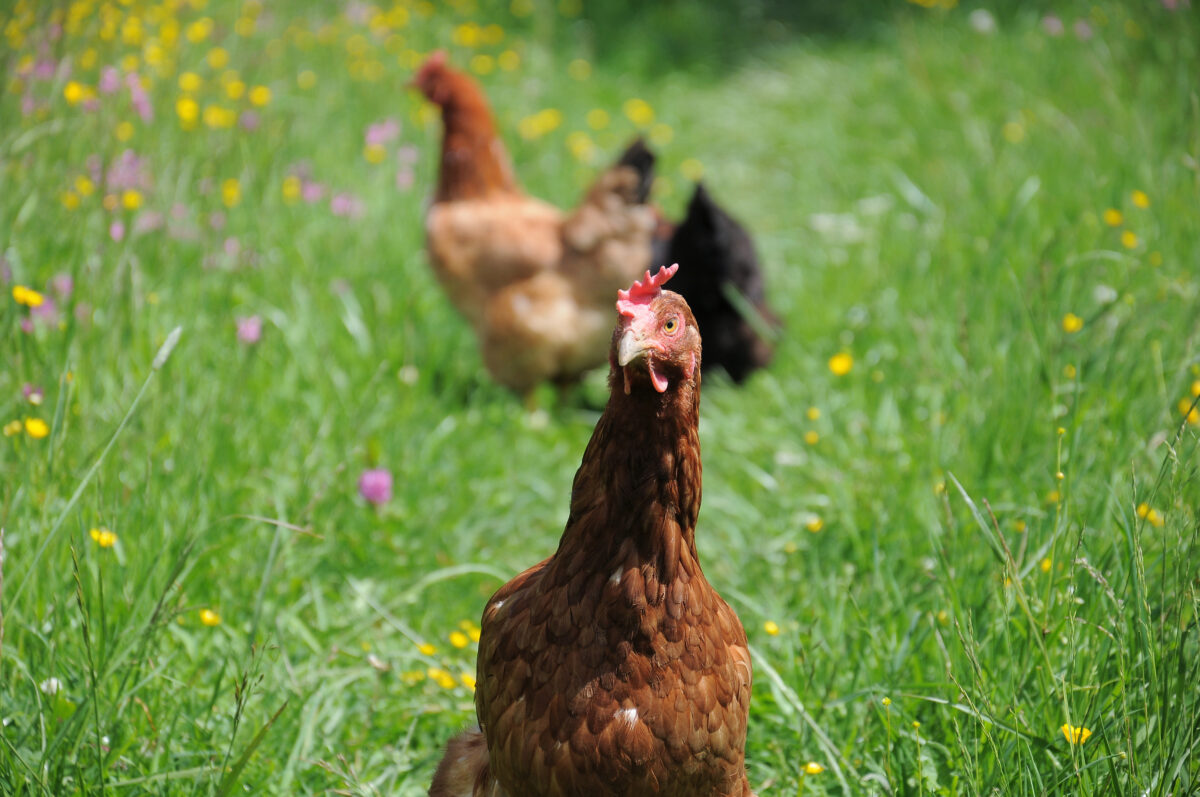
Categories
Poultry

Summertime Chicken Checklist: 11 Tips To Beat the Heat

A summertime chicken checklist has different priorities than other seasons. While our chickens still need the same basic essentials and care throughout the year, here’s what you can do to help your flock beat the summer heat.

1. Take Down Winter Barriers Before the Heat Hits

Many backyard flock owners protect their flock from the winter elements by placing straw bales around the coop and run and covering the run walls with tarps or plastic.

These practices can go a long way to helping winter be more bearable for our flocks, but if left on during the warmer months, can quickly turn the coop and run into a sauna. Failing to remove these protective barriers can cause heat stress and heat-related deaths.

The first thing on the summer checklist for chicken keepers should always be removing the winter protection from the coop and run to prevent the flock from overheating.

2. Boost Coop Ventilation to Keep Air Flowing

Chickens need ventilation in the coop to avoid heat stress, and other heat-related illnesses and deaths. Be sure your flock has plenty of good ventilation by ensuring there are enough windows on opposite sides of the coop.

If the coop is lacking an adequate number of windows, consider adding more windows to promote more ventilation and air flow. If this is something you want to consider, be sure to cover openings and windows with half-inch hardware cloth to prevent predators from accessing the coop via an open window or by ripping a window screen.

Even when using hardware cloth to cover open windows, adding additional window screens will prevent other pests, such as flies and mosquitoes, from entering the coop through the wire.

3. Special Considerations for Summer Chick Care

Chicks are usually on the summertime chicken checklist for chicken keepers. A chick’s basic needs differ only slightly from an adult chicken, but they still need to be fed, watered, and have their brooder cleaned daily to prevent disease.

While none of these chores take long to perform, they still require additional time and should be taken into consideration when planning your summertime to-do list.

Summertime heat can be stressful on chicks and young pullets, so be sure to provide plenty of fresh water and shade to keep youngsters comfortable.

4. Trim Weeds to Deter Pests and Predators

Weed patrol may not sound like something to put on a summer checklist for chicken keepers, but unmowed yards and tall weeds are a great way to attract pests, vermin, and predators to your coop and yard.

Routinely mowing and trimming around the coop and run will help prevent unwanted guests from taking up residence in your backyard, make doing chores easier, and give you a more picturesque view of your flock.

5. Create Cool Zones with Shade Cloth or Natural Cover

Providing shade for our flocks is sadly one of the most overlooked jobs on the summer checklist for chicken keepers. Chickens must have shade to help them stay cool and prevent overheating. Without access to shade, chickens are at a high risk of overheating and dying of sunstroke.

The good news is that even if you don’t live in a wooded area, providing shade for your flock is extremely easy with the use of shade cloth. This lightweight material isn’t difficult to fasten to the run walls and roof using bungee cords and grommets for an easy setup.

Shade cloth helps to reduce the temperature in the run by as much as fifteen degrees, while still maintaining a good air flow to keep chickens cool and comfortable.

6. Keep Water Cool, Fresh, and Flowing

Providing your flock with access to fresh water is essential to helping your flock beat the heat.

Dump and rinse water fountains at least twice daily and refresh with cool, fresh water to encourage your flock to stay hydrated. During the hot summer months, adding an extra water fountain to the run is a good idea to ensure your flock does not run out of water.

Adding a few ice cubes to each water fountain will help reduce water temperature and provide entertainment for your flock, as they enjoy pecking at the melting ice cubes.

When refreshing water fountains, be sure to check for algae growing inside them, as algae can make chickens sick. If there is algae present in the water fountain, scrub them out with a bottle brush and hot sudsy water. Rinse thoroughly before refilling.

7. Tackle Repairs and Clean the Coop Weekly

Coop maintenance is another top priority on the summer checklist for chicken keepers. There is no better time to carefully go over every inch and crevice of the coop and run to be sure a predator cannot enter your flock’s enclosures.

Summer is the ideal time to make coop repairs, add onto the run, landscape around the perimeter of the coop and run, and repair concrete.

These jobs may not be the most fun chore on the summer checklist for chicken keepers, but they are necessary to keep your flock in and predators out.

Also, be sure to clean the coop weekly to avoid extra heat in the coop from decomposing bedding.

8. Stay on Top of Pests Before They Take Hold

Pest control is on the summer checklist for chicken keepers as pests are most prevalent during the hot and humid months.

Prevent external parasites from taking up residence in your coop and flock by regularly checking your chickens and perch for these tiny pests.

Want to prevent flies and other bugs from visiting the coop? Planting lavender and members of the mint family can help prevent large numbers of flies from wanting to take up residence in the coop.

9. Stock Up on Bedding While Supplies Are Plentiful

Back in the day when your grandparents raised poultry, stocking up for winter was a top priority on a summer checklist for chicken keepers. These days, many of us have fallen out of that habit, but this simple task can save you a lot of time and money.

While stocking up on a year’s worth of feed isn’t advised, stocking up on your flock’s bedding is. While not all backyard flock owners have a good storage area for bedding, if you are lucky enough to, take advantage of it.

In regions where grain is locally grown and harvested, farmers frequently sell straw by the bale to livestock and poultry owners. Straw is an excellent choice for coop bedding, is usually quite cheap if purchased shortly after harvest time, and will save you money by not needing to purchase bedding during the winter months when prices rise.

Purchasing straw and other bedding in the summer will save you time too, by reducing the need to run out for more bedding every couple of weeks.

10. Offer Hydrating Summer Treats, Not Heavy Grains

All work and no play makes for an unhappy flock and flock owner, so some fun activities to enjoy with your chickens should always be included on the summer checklist for chicken keepers.

The hot summer months are the perfect time to serve your flock some cool and refreshing treats such as chilled watermelon, fresh lettuce from the garden, or frozen blueberries.

After repairing the coop or pulling weeds, nothing is more relaxing than kicking back and watching your flock practically dance with excitement for some treats.

Never feed chickens scratch or an overabundance of other grains (such as wheat kernels or oats) when temperatures and humidity levels rise.

Instead, serve your flock well-hydrated treats such as fresh herbs and greens from the garden, and fresh fruits and vegetables to help them stay hydrated and cool.

11. Enjoy Safe, Supervised Free-Ranging Time

Summer is a good time to allow your flock the chance to enjoy some supervised free-ranging time. Watching your chickens dust bathe in the garden or chase a bug across the lawn is a relaxing way to spend a lazy summer afternoon.

While many predators are not hunting on hot summer days, be sure to keep an eye out for predators and lock your flock in a safe, secure enclosure at any glimpse of danger.

While allowing your flock to free-range, make sure to stay close to them at all times and keep electronics inside to avoid distractions. Also, be sure to move chickens to a well-shaded area if they show signs of overheating, such as heavy panting and holding their wings away from their bodies.

Summertime Chicken Checklist: Final Thoughts

A summertime chicken checklist for chicken keepers is a helpful tool to help you give your flock the best care possible and also to make sure you take a little time to bond with your chickens, too.

This summertime chicken checklist was written for Hobby Farms and Chickens magazines. Click here to subscribe.
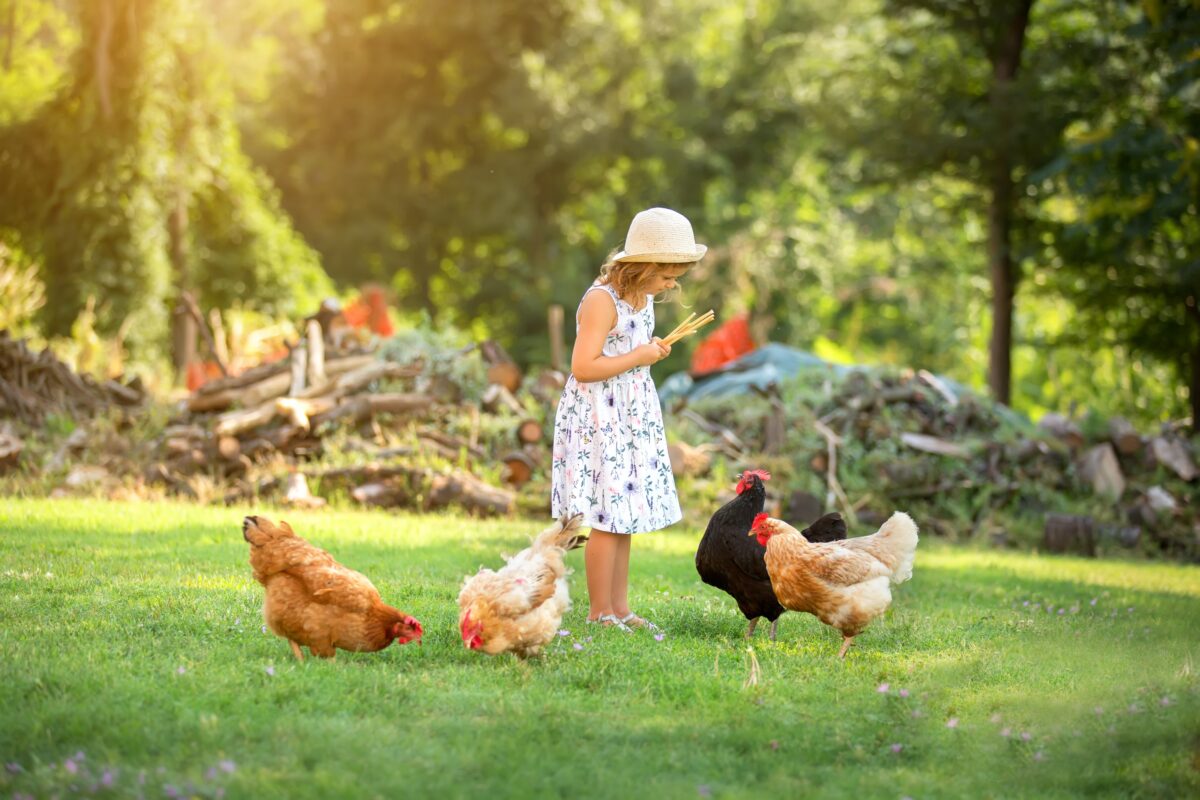
Categories
Farm & Garden

Are Corgis Good Farm Dogs? 5 Things to Know

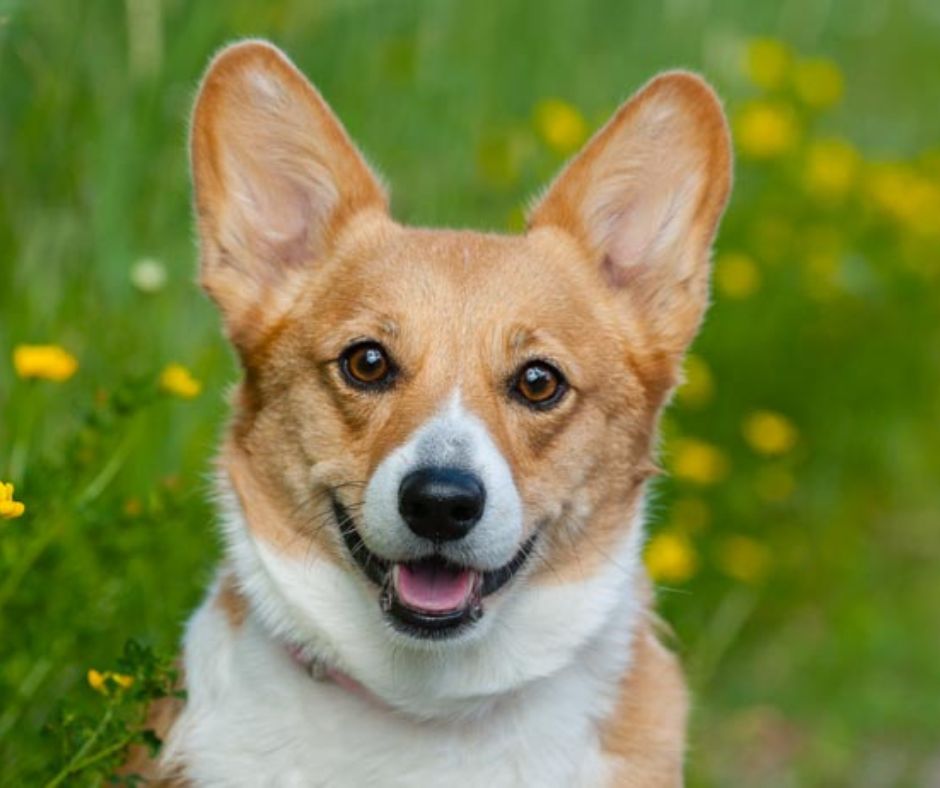
Are Corgis good farm dogs? While these short-legged pups are often associated with royalty and house pets, Welsh Corgis have deep roots as hardworking farm dogs. Known for their bold personality and surprising strength, both Pembroke and Cardigan Welsh Corgis were bred for herding and guarding livestock. Whether you’re on a farm or just love working breeds, here are five things to know about these short but serious dogs.

1. Corgis Are Short, But Not Small

Corgis are short, of course, but it’s a little deceiving. Compared to typical dog breeds, Corgis have a shorter leg/body ratio. But otherwise, their bodies have the build of a larger dog. They have a deep, strong bark that sounds like it’s coming from a dog quite a bit larger (because in essence, it is). They have reasonably large heads for their height, and can easily weigh upwards of 30 pounds.

2. There Are Two Distinct Welsh Corgi Types

When talking about Welsh Corgis, most people probably think of the Pembroke Welsh Corgi. These are the more common Corgis, and the ones famous for living with U.K. royalty. They are short, robust dogs with a somewhat “square” build, with a typically short nub of a tail. Cardigan Welsh Corgis are the other variety; they’re slightly larger dogs, with a somewhat less “fox-like” appearance, and a long tail.

3. Corgis Were Bred to Be All-Purpose Farm Dogs

Today, Corgis are part of the AKC Herding Group. And they definitely have some fantastic herding abilities. But during the breed’s formative years, many family farms needed an all-purpose dog, and Corgis were bred to fill that role. Besides herding, Corgis are really quite excellent watchdogs, very much paying attention to their home and property, and always noticing something amiss. That loud bark helps with the watchdog role as well. They were also originally used to aid with critter control on farms.

4. Herding Is in a Corgi’s DNA

While it’s not terribly common, some farms today still do utilize Corgis for herding. And Corgis are good at it—they bring a kind of exuberance and determination to the job, as opposed to, say, Border Collies, who might herd with more precision and finesse. And then there is the matter of their height. Corgis have been purposely bred over the years to select for the genes that cause their short legs. This was often seen as a benefit in herding cattle, to help prevent the Corgi from being kicked by an argumentative cow. If you own a Corgi today, regardless of your home setting, you will find that the herding personality still shines through, and in the absence of livestock, they may try to boss people around instead!

5. Corgis Are Loyal Pets Who Thrive on Purpose & Attention

Corgis are often devoted to their families and have a lot of love to give. They do need plenty of exercise and mental activity if they don’t have a “real” farm job. Those wonderful coats do shed quite a bit, and their natural watchdog personality can lead to some barking. But these are fantastic, intelligent dogs with a lot to offer.

Are Corgis Good Farm Dogs? Final Thoughts

So, are Corgis good farm dogs? Absolutely. These compact canines combine intelligence, agility, and loyalty in a way that’s made them useful on farms for generations. Whether they’re herding livestock or guarding the homestead, Corgis are proof that good things really do come in small packages.

This article about are Corgis good farm dogs was written for Hobby Farms magazine. Click here to subscribe.

Categories
Crops & Gardening Sponsored

Who’s hungry? Everyone on your operation!

When it’s feeding time out here, we hear about it. From the kids and grandkids to the dogs, cats, chickens and livestock, they let us know. Even the birds raise a ruckus when the squirrels drain the birdfeeder. But while every living thing out there is hungry, it’s your lawn, gardens and pastures that might really need food. Gordon’s® can help you with the menu.

You’ve heard of a “balanced breakfast,” right? Gordon’s® Triple 10 Liquid Fertilizer feeds lawns and gardens a 10-10-10 balance. It’s 10 percent nitrogen, 10 percent phosphorus, and 10 percent potassium. Or, if you need to kill some weeds while you feed the lawn, Gordon’s® Liquid Weed & Feed2 15-0-0 strengthens your turf while controlling tough weeds like clover and dandelion. And if you’re really impatient, Gordon’s® Liquid Lawn & Pasture Fertilizer 20-0-0 with Micronutrients offers visible growth and green-up in lawns.

But if your grass and plants can’t holler about their hunger, how can you tell what they need? Slow growth and off-color plants are obvious signs, but the best way to know if your lawn and garden are hungry is to have the soil tested. There are DIY kits available online and in garden stores, and plenty of companies that will test your sample. Check them out and feed your lawn and garden!


Categories
Equipment

9 Essential Fence Repair Tools Every Farmer Needs

Fence repair tools are essential for any farmer or homesteader because fixing fences is rarely a simple task. Whether you’re handling routine maintenance or making a quick repair to a damaged section, having the right tools on hand makes all the difference. Here are nine fence repair tools I always keep nearby when tackling a fence-repair project.

1. Speed Up Fence Assembly with a Powerful Electric Drill

After expounding on the virtues of electric drills in a previous column, I have to rank them as one of the most important tools for fixing fences. From drilling holes to screwing things together, an electric drill is essential.

2. Set Posts Securely in the Ground with a Manual Post Driver

During fence repairs, it’s inevitable that you’ll eventually need to move or replace fence posts, and having a post hole digger or an auger on hand is the way to go for digging new holes.

3. Loosen Stubborn Soil with a Heavy-Duty Digging Bar

Few tools are more useful on a fence-fixing project than a digging bar, my tool of choice for loosening the dirt around posts, prying the posts out of the ground, and later tamping dirt back into place. Being 5 or 6 feet long and made of steel, they’re heavy, but they’re worth it!

4. Move Dirt Efficiently with a Reliable Shovel

Replacing old fence posts or adding new ones requires moving a lot of dirt. Even if you use a specialty tool for actually digging the hole, you’ll want a shovel on hand for shifting the dirt around and adding it back into the hole once the post is in place.

5. Never Get Stuck—Bring a Variety of Drill Bits

Remember that summer when you accidentally bought square-head screws instead of your usual star-head screws? It’s not uncommon for fences to have been assembled from a variety of screw types (whatever happened to be handy), so you can save yourself some trips back to the tool shed by bringing along a variety of drill bits …

6. Drive Staples and Nails with a Solid Fencing Hammer

… and also a hammer! Just when you think you’ve got all the drill bits you need, you’ll discover that one part of the damaged fence is held together by nails. Know your types of hammers and use a claw hammer to remove old nails, and bring along a few new ones if you like to use them.

7. Tackle Multiple Fence Fixes with Heavy-Duty Fence Pliers

Even massive fences that surround acres of land are made up of tiny components, and these can be troublesome at times. Maybe you tied that knot in the rope a little too tight when you first installed the fence, or maybe you need to hold on to a nut while you tighten a bolt. I always have multiple pairs of pliers on hand, including at least one pair of locking pliers (commonly called vise-grips) that clamp in place and hang on tight without any effort on my part.

8. Haul Your Gear Easily with a Durable Wagon

As you can see, fixing fences requires a lot of tools! You’ll want a wagon of some sort (perhaps a yard cart or even a tractor-pulled trailer) to carry all your supplies to and from the work site.

9. Protect Your Eyes—Always Wear Safety Goggles

Although not technically a “tool,” plastic safety goggles are great for protecting your eyes from flying objects (because you never know when you might need to break up a piece of concrete holding an old post in place).

Fence Repair Tools: Final Thoughts

Having the right fence repair tools on hand can save you time, frustration, and even prevent future damage. Whether you’re maintaining wire fencing, fixing a broken post, or tightening sagging lines, these tools make the job faster and more efficient. Investing in a solid set of essentials now means you’ll be ready the next time your fence needs attention, because on the farm, it’s not a matter of if repairs are needed, but when.

This article about fence repair tools was written for Hobby Farms magazine. Click here to subscribe.
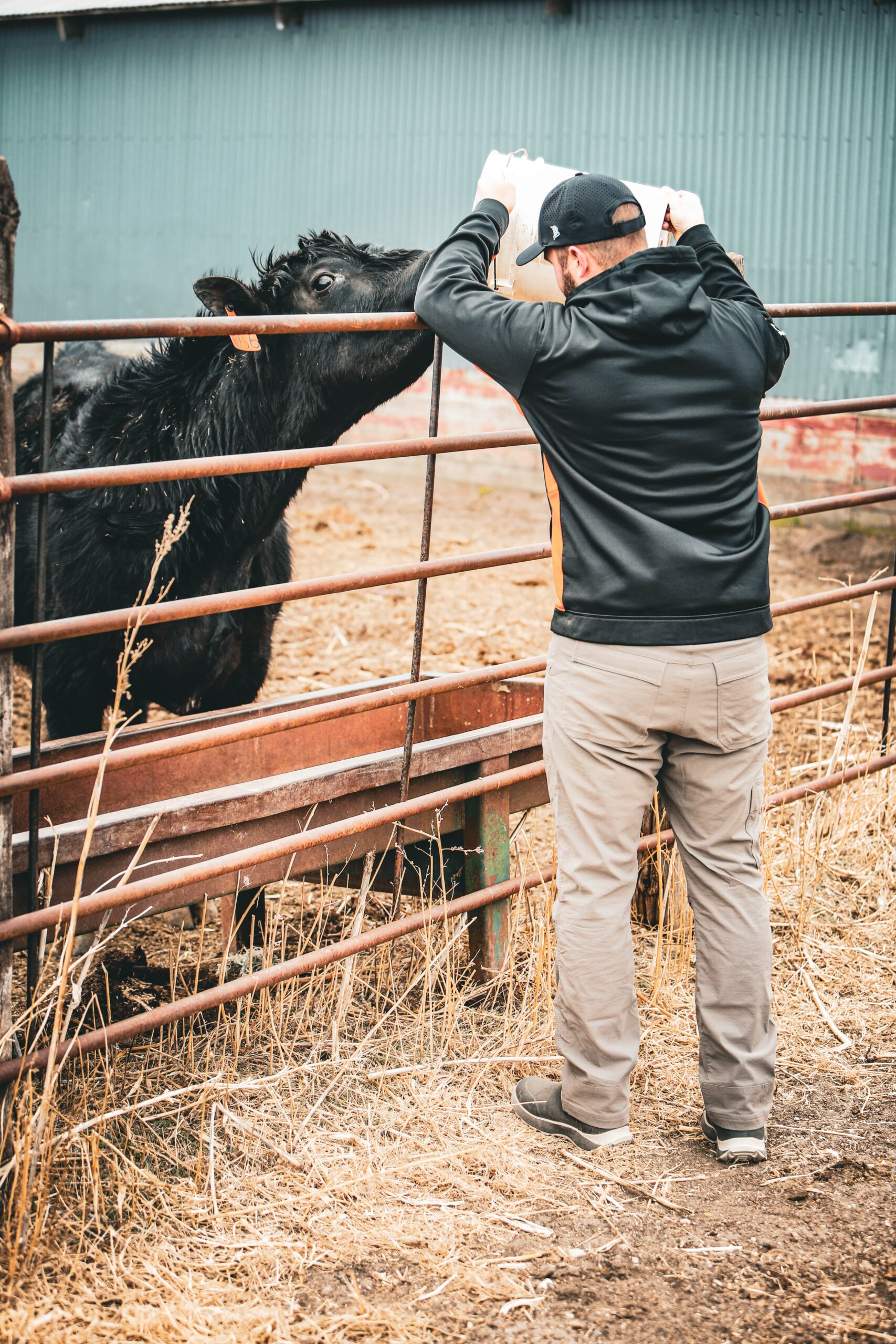
Categories
Farm & Garden

5 Stars Farmers Should Know to Track the Seasons Naturally

Stars farmers should know were once vital to agriculture—and they still offer timeless guidance. In ancient times, before modern calendars, farmers used the night sky as a simple calendar to help them know when to plant certain crops. This was a form of actual science, not astrology.

Though we’ve traded ancient observation for modern convenience, certain stars still serve as helpful, grounding guides. It’s a part of nature that can help you feel more in tune with your land and the drift of the seasons. Here are five celestial beacons—Polaris, Capella, Sirius, Betelgeuse, and Vega—that every land steward should learn to spot.

1. Polaris: The North Star That Guides the Way

Polaris is the famous North Star, useful to humanity for thousands of years. Even today, it’s well worth your time to identify and learn the position of this literal beacon of navigation. The reason Polaris is so special is that it stays in the same place in the sky, night after night, year after year. All of the other stars move around the sky once every 24 hours—just as the Sun does—because of Earth’s rotation. But Polaris happens to be lined up with the Earth’s North Pole, so it seems to stay stationary from our perspective.

Contrary to popular thought, Polaris is not the brightest star in the sky—in fact, it’s kind of dim. To find it, locate the Big Dipper first—it’s always somewhere in a northern direction (though it might be upside down depending on the time of year). The two stars that make up the right side of the Dipper’s bowl form a pointer that directs you to the North Star.

2. Capella: The Goat Star Farmers Might Relate To

If you are raising goats, you might want to learn to identify Capella—the “goat star.” The star gets its name from the same Latin that we get the word caprine, for things related to goats. Not only is Capella supposed to playfully represent an imaginary celestial goat, but there is even a small triangle of fainter stars next to it, which are called “The Kids”—the offspring of Capella. Capella is found in the northern part of the sky and is known for twinkling very rapidly when it’s close to the horizon.

3. Sirius: The Bright Dog Star of the Summer Sky

Many people are familiar with the name Sirius, which is the famous “Dog Star,” an object the ancient Greeks mistakenly thought was responsible for summer’s heat, hence the phrase “Dog Days of Summer.” Sirius technically isn’t the brightest star in the sky—that would actually be the Sun—but it is the brightest star in the night sky.

With its bright light and vivid, colorful twinkling, it’s a conspicuous sight in the southern winter sky. It’s called the Dog Star because it’s in the constellation Canis Major, which is supposed to represent a fine hunting dog owned by nearby Orion.

4. Betelgeuse: A Giant Red Star in Orion’s Shoulder

Some stars and constellations are visible for most of the year. In the Northern Hemisphere, stars in the northern part of the sky, like Capella, might be visible any night (the specifics depend on your exact latitude). But other constellations are seasonal—they’re most prominent during certain times of the year and are lost in the Sun’s glare at other times.

Orion is one of these seasonal constellations. Large and brilliant, this staple of wintertime astronomy has generally been seen by cultures throughout time as a man, hunter, or giant. It’s easy to see why, because
Orion really does look like a stick figure in the sky, and it doesn’t take much imagination to see.

Betelgeuse is a famous bright, red star that forms Orion’s shoulder, and is a favorite among the winter stars farmers should know. It’s a phenomenally gigantic star that may form a supernova in the not-too-distant future.

5. Vega: A Summer Marker in the Celestial Triangle

You’ll know it’s summer when the bright star Vega is shining high in the midnight sky—almost directly overhead (a point called the zenith). Vega is part of a famous triangle of stars, including brilliant Deneb and Altair, that form the popular “Summer Triangle.” It’s quite striking, and a hallmark of the summer sky. Vega is right next to the band of the Milky Way galaxy, which requires a dark, rural site to see.

Stars Farmers Should Know: Final Thoughts

Learning the stars farmers should know is more than a nod to ancient traditions—it’s a way to deepen your connection with the land and seasons. Whether you’re watching Polaris to orient yourself, spotting Vega to mark summer’s peak, or simply admiring Orion’s glow on a cold night, the night sky offers a quiet kind of wisdom. These stars don’t just light the dark—they remind us to observe, to listen, and to live in rhythm with the natural world.

This article about stars farmers should know was written for Hobby Farms magazine. Click here to subscribe.

Categories
Beekeeping

Do Bees Need Water? Yes—Here’s How to Give It to Them

Do bees need water? They do, just like every other living creature on your farm.

Why Bees Need Water

While nectar and honey provide some moisture, bees still rely on fresh, accessible water to cool the hive, dilute stored honey, and stay hydrated. If water isn’t readily available nearby, bees will fly to find it, wasting energy and risking exhaustion.

How Far Will Bees Travel for Water?

If bees can’t find water nearby, they will travel for it. As with food sources, bees may travel a mile or two for water if necessary.

Imagine flying all that distance for just a drop or two of water, only to turn around and go back for more. Naturally, the further the honeybees must travel to a water source, the more energy they consume doing so, and the more wear and tear on their bodies.

How to Give Bees Water Safely

As a beekeeper, understanding how to give bees water and creating a safe, reliable water source close to the hive can make a big difference in your colony’s health and productivity. Instead of leaving the bees to rely on distant (and possibly unreliable) water sources, you can easily provide your bees with a clean, constant, and predictable water source right near their hive. This is especially important in the spring and summer when things have dried up. It’s important to make sure the water source is safe for bees, as some water sources pose an accidental bee drowning risk.

5 Easy DIY Bee Watering Station Ideas

Here are five possibilities for your farm’s own bee watering station.

1. Small Tray with Rocks

This is probably the simplest option. A small, shallow baking pan can be repurposed into a bee waterer, simply by setting it out near the hives, filling it with water, and then adding a selection of small stones. The idea is that the stones give the bees a dry place to stand and hang on to while they gather water; otherwise, they may fall in and get stuck. One downside to this method is that it might dry out quickly in hot weather.

2. Bird Baths

A basic bird bath, like you probably already have in your garden, can work just fine for bees. Again, consider adding small perching stones to prevent bee drowning. Or, use a “bee raft” made of a floating grid pattern—available from some retailers.

3. Bee Baths

Similarly, you can sometimes find bee-oriented products that are essentially tiny bird baths designed specifically for thirsty bees, with built-in perches. A few of these could be installed near your hives.

4. Poultry Waterer

If you have a spare chicken waterer around, you can use it, but again, you have to either place pebbles in the drinking space or provide floats for the bees to stand on.

5. Entrance Feeders

You can also just fill entrance feeders (intended for sugar water) with just plain water, and these work wonderfully. One style uses inverted jars of water and a vacuum effect to restrict the available water for drinking to just a small trickle at a time (kind of like a small pet water bottle).

Tips for Maintaining Your Bee Water Source

Once you’ve set up a watering station, it’s important to keep it in good condition so your bees can count on it.

  • Check water levels daily in hot weather. Bees drink more during warm, dry conditions, and shallow containers can dry out quickly. Refill as needed to avoid gaps in availability.

  • Keep the water clean. Debris, algae, or bird droppings can contaminate your water source. Rinse and refill containers regularly, especially if you’re using open trays or bird baths.

  • Refresh and relocate as needed. If bees stop visiting the water source, try moving it closer to the hive, into partial shade, or away from heavy traffic areas.

  • Prevent mosquito breeding. Change water frequently or use moving water (like a drip system or fountain) to discourage mosquito larvae from hatching.

  • Secure landing spots. Make sure pebbles, floats, or bee rafts remain above water and are stable—sinking stones or slippery surfaces increase drowning risk.

  • Monitor bee activity. Keep an eye on usage. A sudden drop in visits could mean the bees have found a better source elsewhere or that your setup needs attention.

Regular maintenance ensures your bees always have access to safe, nearby water, reducing their workload and helping the hive thrive.

Final Thoughts

Providing water for your bees is one of the simplest yet most impactful ways to support their health and productivity. By setting up a safe, consistent water source near the hive, you reduce the stress on your bees and help them focus their energy on what they do best—pollinating, building, and making honey. Whether you opt for a DIY solution or a commercial bee bath, a little effort on your part goes a long way in keeping your colony hydrated and thriving.

This article about beekeeping was written for Hobby Farms magazine. Click here to subscribe.

Categories
Food Recipes

7 Summer Egg Cocktails That Are Farm-Fresh & Frothy

Egg cocktails are a creative and delicious way to use your farm-fresh eggs, especially when they’re abundant in summer. Whether you’re using just the whites or the whole egg, these 7 frothy, silky recipes bring refreshment with a backyard twist.

🥚 What Are Egg Cocktails?

Folks have been adding raw egg whites, yolks or both to drinks and foods for centuries. Yolks and whole eggs add an unmistakable, rich, silky creaminess without adding dairy. And adding whites of eggs to a shaker gives egg white cocktails a professional foamy top and velvety texture.

🍳 Are Raw Eggs Safe in Cocktails?

You probably already know this, but you don’t need to shy away from drinking—or eating—your own backyard-fresh eggs raw. Eggs are good, healthy food (and they make delicious cocktails, too!). When hens are kept right, in a clean environment, with plenty of fresh air, sunshine and grass, the chances of an overgrowth of bad bacteria are slim.

When using raw eggs in cocktail recipes, always break the egg into a bowl first, before adding it to the rest of the ingredients. That way you can discard any with unappealing blood spots or ones that don’t pass the sniff test, without contaminating the other ingredients and ruining the whole recipe.

🍹 7 Summer Egg Cocktails to Try

1. Liquid Lemon Meringue

Limoncello is a sweet-tart Italian lemon liqueur that’s great to have on hand for making cocktails and baking. It’s lovely and refreshing on its own over ice after a meal or simply added to chilled fizzy water. This pretty cocktail delivers the flavor of the classic pie without the baking! 

Yield: 2 drinks

Ingredients
  • 1 ounce plain or vanilla vodka
  • 1/4 cup freshly squeezed lemon juice
  • 1/4 cup limoncello 
  • 1 free-range egg white 
  • lemon peel to garnish (optional)
Preparation

Add all ingredients to a cocktail shaker half-filled with ice for these egg white cocktails. Shake well for at least 30 seconds—really develop a thick, meringue-like foam. Hold the ice back and pour into two generous martini glasses. Garnish with a bit of lemon peel, if desired.


Read more: Spend a lovely afternoon coopside with your ladies and this delicious orange blossom cocktail!


2. Cool & Calm

This healthy, rich but refreshing blender mocktail is just what the doctor ordered for any time of day. Brew the green tea the day before and refrigerate, but don’t leave the tea leaves—or bags—in the pot, or the brew will become bitter. 

Yield: 2 drinks

Ingredients
  • 1 cup brewed and chilled jasmine or plain green tea 
  • 1 whole free-range egg 
  • 2 tablespoons maple or agave syrup 
  • 1 cup whole dairy or chilled plain almond milk
  • 4 ice cubes
Preparation

Add everything to a blender and blend on high into a smoothie. Pour into two glasses. Serve immediately as this drink may separate if left to sit for too long.

To take this from mocktail to cocktail, add 1/4 cup of green tea liqueur and eliminate the syrup. 


3. Blueberry Maple Sour 

This is so pretty and so delicious! We’ve used a specialty liqueur from Quebec called Sortilège, but any whiskey or bourbon-based maple liqueur will do. 

Yield: 2 drinks

Ingredients
  • 1/2 cup frozen blueberries 
  • 1/4 cup whiskey or bourbon
  • 2 tablespoons freshly squeezed lime juice 
  • 1 free-range egg white
  • 1/4 cup Sortilège or other maple liqueur 
  • 2 to 4 dashes Angostura bitters, depending on how tart you like things 
  • thin lime slices to garnish
Preparation

For these egg white cocktails, into a blender add frozen blueberries, lime juice and whiskey. Blend on high until puréed. Let stand for at least 20 minutes or longer. The berries will infuse flavor and color into the whiskey. Strain through a fine sieve or cheesecloth. Discard the blueberry pulp.

You should end up with about 23 cup of infused blueberry whiskey.

Into a cocktail shaker, add the strained blueberry-whiskey mixture, egg white, maple liqueur, and bitters. Shake well for at least 30 seconds. Strain into two tumblers with ice and garnish with a lime slice.  


4. Creamy Vanilla-Orange Nog

Christmas isn’t the only time for nog! Made with fresh, raw, whole eggs and cream or milk, nogs are rich, creamy and frothy, and perfect for brunch. Combining vanilla and orange gives this velvety treat its delightful creamsicle flavor. Don’t substitute the freshly squeezed OJ for anything less. Store-bought is just too acidic. 

egg cocktails cocktail recipe
Courtesy Donna Griffith

Yield: 2 drinks

Ingredients
  • 1 small tin mandarin orange slices in syrup, drained, syrup reserved 
  • 1 cup freshly squeezed orange juice
  • 1/4 cup vanilla vodka
  • 1 whole free-range egg
  • 1 tablespoon reserved syrup from tinned mandarin orange slices
  • 2 tablespoons 35% or whipping cream
  • 8 ice cubes 
Preparation

Make the garnish in advance (optional): Thread several mandarin slices onto two skewers and set aside in the freezer on a bit of wax paper several hours or the day before. You could also just simply garnish with a couple of orange slices. 

Into a blender, add the orange juice, vodka, egg, mandarin syrup and two ice cubes. Blend until smooth.

Pour into tumblers with the remaining ice. Garnish with frozen mandarin slices.


5. Mango Flip

Like nogs, flips are silky and frothy and call for fresh, raw, whole eggs. Unlike nogs, they don’t call for cream or milk. This rum-spiked smoothie is ultrathick without being overly rich. Serve in a tall glass with a garnish of frozen mango.  

Yield: 2 drinks

Ingredients
  • 1 cup frozen mango chunks, plus extra for garnishing
  • 3/4 cup mango nectar
  • 1/4 cup white rum. (Darker rums taste fine but muddy the lovely orange color.)
  • 1 whole, free-range egg
  • 4 ice cubes
Preparation

Into a blender, add the mango, mango nectar, rum, egg and ice cubes. Blend on high until smooth. 

Pour into 2 glasses and garnish with some skewered fresh or frozen mango chunks.  


6. Raspberry-Rose Ginny 

The essence of rose is perfect with gin. Add raspberry and you’ve got an ode to springtime and summer. Adding egg white to this elegant cocktail makes it frothy and smooth. Gin runs the gamut of flavor profiles from juniper-forward to herbal to floral and melon.

Look for a gin with notes of rose petal, such as Hendrick’s from Scotland. Rose syrup is easy to make but can also be found in specialty food shops or online.

egg cocktails cocktail recipe
Courtesy Donna Griffith

Yield: 2 drinks

Ingredients
  • 1/4 cup gin
  • 2 tablespoons rose syrup
  • 1 tablespoon homemade seedless raspberry jelly or excellent quality store-bought
  • 1 free-range egg white
Preparation

First make the rose syrup. Add 1⁄3 cup rosewater and 3 tablespoons of vanilla sugar to a small saucepan over medium-high heat and bring up to a simmer. Cook for about 5 minutes, stirring often, until sugar is dissolved. Set aside to cool. Transfer to a bottle or jar and refrigerate until ready to start bartending. Do this up to a couple of weeks before and store, covered, in the fridge. It needs to be cold when used in egg white cocktails. 

For the cocktail: Add all ingredients to a cocktail shaker with ice. Shake vigorously and strain into 2 pretty martini or champagne glasses. Garnish with rose petals if you can find some organic ones! 


7. Chocolate-Brandy Cream

If you enjoy that classic 1980s cocktail, the Brandy Alexander, you’ll love this chocolaty version. Rich, sweet, creamy and decadent, serve this after dinner instead of dessert. And speaking of dessert, drizzle a splash of this cocktail over dishes of vanilla ice cream for a grownup sundae. 

egg cocktails cocktail recipe
Courtesy Tristan Peirce

Yield: 2 to 4 drinks depending on size and type of glass

Ingredients
  • 1/4 cup brandy
  • 1/4 cup dark crème de cacao liqueur or
    coffee liqueur such as Kahlua 
  • 1/4 cup white crème de cacao liqueur 
  • 1 whole free-range egg 
  • 1/4 cup 18% or table cream
  • Pinch of freshly grated nutmeg or cocoa or shaved chocolate to garnish (optional)
Preparation

Add all ingredients except the nutmeg/cocoa to a blender with about 4 ice cubes and blend on high until smooth. Pour into glasses and garnish with a tiny sprinkle of nutmeg or cocoa or shaved chocolate, if desired. 


Disclaimer: Consuming raw or undercooked meats, poultry, seafood, shellfish or eggs may increase your risk of food-borne illness, especially if you have a certain medical condition; are pregnant, elderly, very young; or have a compromised immune system. Before beginning a recipe, it’s recommended to do the necessary research and make appropriate food-handling decisions. You assume full responsibility for any food handling and cooking doneness decisions made regarding your own health and safety, and the health and safety of those consuming the recipes. 

Egg Cocktails: FAQ

Q: Are raw eggs safe to use in cocktails?

A: Yes—when sourced from healthy, backyard-raised hens kept in clean conditions. Always crack eggs into a bowl first to inspect before mixing.

Q: What’s the purpose of egg whites in cocktails?

A: Egg whites create a smooth, velvety texture and a foamy top, giving drinks a professional finish.

Q: Can I use whole eggs in cocktails?

A: Absolutely! Whole eggs add body and richness, particularly in nogs and flips, without needing cream.

Q: Do egg cocktails taste eggy?

A: Not at all! The other ingredients—citrus, liqueurs, and syrups—mask the egg flavor while enhancing the texture.

This article about egg cocktails originally appeared in the May/June 2023 issue of Chickens magazine. Click here to subscribe.

Categories
Equipment Sponsored

Dryshod’s Evalusion Cuff for Every Task on the Hobby Farm

There’s a moment every gardener, farmer, or homesteader knows well: stepping out early in the morning, dew on the grass, a full day of chores ahead. You need a boot that’s ready for anything—watering seedlings, checking the coop, hauling hay, or even a quick run into town for seed trays or feed.

For those everyday “don’t-know-what-today-will-bring” kind of mornings, the Dryshod Evalusion All-Around Cuff Boot stands out as a dependable go-to.

The Dryshod Evalusion Cuff Boot: 4 Reasons It Belongs by the Back Door

When the day’s tasks range from harvesting greens to hauling water or wrangling livestock, footwear needs to be both dependable and easy to live with. The Dryshod Evalusion All-Around Cuff Boot offers a lightweight, mid-height solution built for those unpredictable days when comfort, durability, and versatility matter most.

Here’s why it’s earning a permanent spot by the door:

  1. Lightweight Performance That Goes the Distance

Designed on a running shoe platform, the Evalusion Cuff Boot offers comfort and responsiveness without extra weight. The exclusive DUREVA™ outsole makes each pair nearly a pound lighter than comparable boots, while still delivering rugged durability across mud, rock, and loose ground.

Whether bending through garden rows, stepping into animal pens, or covering uneven terrain, the reduced weight makes long days easier on the legs and back.

  1. Mid-Height Coverage Without the Bulk

The boot’s cuff-height design strikes a balance between protection and flexibility. It’s tall enough to block out grass clippings, mulch, hay, and light splashes—yet low-profile enough to fit easily under pants or work jeans.

Farmers and gardeners alike will appreciate how quickly the boots slip on and off, especially when juggling tools, gate latches, or an energetic farm dog all at once.

  1. Breathability Where It Counts

Traditional rubber boots often trap heat and moisture, especially in warmer weather. The Evalusion Cuff combats that with WIXIT Cool-Clad™ lining, featuring moisture-wicking mesh and micro-perforations that improve airflow throughout the day.

The result? Dry, comfortable feet—even during midsummer garden sessions or long afternoons in the barn.

  1. Stable and Quiet Tread

The built-in nylon shank gives enough support when you’re stepping over rocks or working on uneven ground. And the multi‑lug tread? It grips, but flexes with soft soil or gravel—no clomping barn‑yard echo. That quiet step is golden when you don’t want to wake the chickens too early.

Why It Hits the Mark

Tall boots aren’t always necessary, but sneakers or garden clogs often fall short on real farm terrain. The Evalusion Cuff Boot bridges the gap between comfort and utility. If you’re walking the line between garden rows, farm chores, and homesteading tasks and want one reliable, no-fuss boot, this is it. Every season, every task, every kind of day.

Categories
Poultry

Red, White and Blue Chicken Breeds for Patriotic Flocks

Looking to add a little patriotic flair to your backyard flock? Choosing red, white and blue chicken breeds is a fun and festive way to celebrate your love for country—especially around holidays like Independence Day or Memorial Day. Beyond their colorful plumage, these breeds are reliable layers, hardy birds, and charming additions to any coop. Whether you’re just starting your flock or planning to add more birds, these feathered friends bring color and character to your homestead.

Here are five full-colored breeds you can raise to create the perfect red, white and blue poultry flock.  

🐔 Cochin: A Fluffy Breed with Patriotic Variety

Beloved by Queen Victoria, the feather-legged Cochin is a favorite with families because of its gentle, friendly nature. The bantam version of this chicken breed is just as affectionate … and comes in red, white and blue colors.

This colorful Bantam Cochin trio is ideal for chicken owners who have small yards, small children or both … or who simply want beautiful, full-feathered birds.  

🐔 Orpington: Buff, Blue & Black for a Colorful Coop

One of America’s most popular backyard birds, the Orpington has earned its place in chicken owners’ hearts with its reliable egg production, amusing antics and mellow disposition. While the Buff Orpington can be commonly found in flocks throughout the country, White Orpingtons and Blue Orpingtons are slowly gaining prominence with poultry keepers.

The Red Orpington, developed by W. Holmes Hunt in 1911, remains a fancier’s favorite. But this breed can be purchased from specialized breeders as well as some commercial hatcheries. 

🐔 Silkie: White and Blue-Gray Birds with Unique Style

This sweet, serene bantam was described as a chicken with “hair like cats” by explorer Marco Polo in the 13th century. Today, the Silkie is kept for companionship, for exhibition and for its fabulous mothering instincts.

Silkies come in both bearded and beardless chicken varieties, and both come in white and blue colors. Red Silkies are challenging to find. Your best bet is to check with Silkie breeders who dabble in color projects.  

🐔 Ameraucana: Blue Egg Layers with a Patriotic Hue

What better breed to display the colors of our country than the chicken that practically has America in its name? This cold-hardy heritage hen is known for the beautiful, sky-blue eggs that it lays.

Ameraucanas are cheery, sociable chickens that enjoy roaming, foraging and satisfying their endless curiosity. Blue Ameraucanas and White Ameraucanas are recognized by the American Poultry Association (APA), as is the breed’s brown-red variety … which may not be fully red but hopefully that can be overlooked due to its patriotic name! 

🐔 Leghorn: Classic White Breed with Strong Egg Production

Although this breed originated in the Livorno region of Italy, the Leghorn has become almost synonymous with American egg production. Despite historic—and ongoing—ties to commercial egg farms, the non-industrial Leghorn is actually a hardy heritage bird well suited for homesteads and hobby farms.

This extremely active chicken is an instinctual forager that can hunt and scratch for most of its food if given the opportunity. The Leghorn also lays an average of 300 eggs per year, one of the highest rates of lay in all poultry. The Red Leghorn and the White Leghorn are recognized by the APA. The Blue Leghorn is officially recognized in the United Kingdom but not in the U.S., though specialized breeders may produce this variety in America.

Red, White and Blue Chicken Breeds: Final Thoughts

Whether you’re planning your flock around national holidays or simply love the idea of a colorful, cohesive coop, these red, white and blue chicken breeds offer both beauty and practicality. From fluffy white Silkies to blue-egg-laying Ameraucanas and classic white Leghorns, there’s a patriotic pairing for every backyard setup. Celebrate your flock—and your country—with birds that bring charm, character, and a splash of festive color to your homestead.

This article was about red, white and blue chicken breeds was written for Chickens and Hobby Farms magazines. Click here to subscribe.