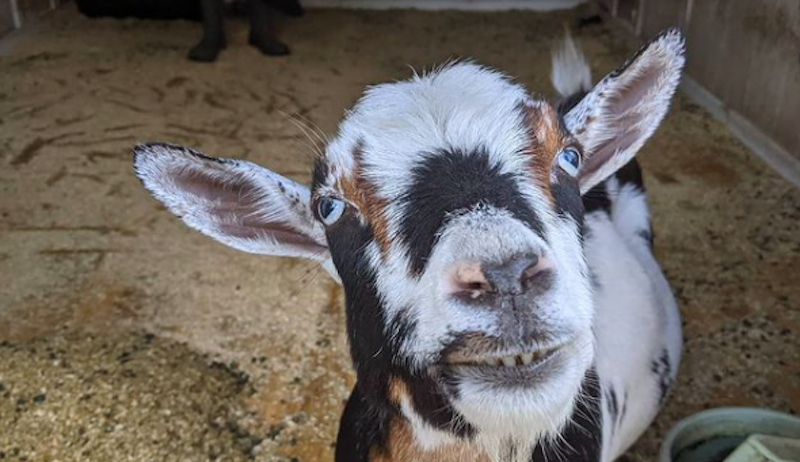
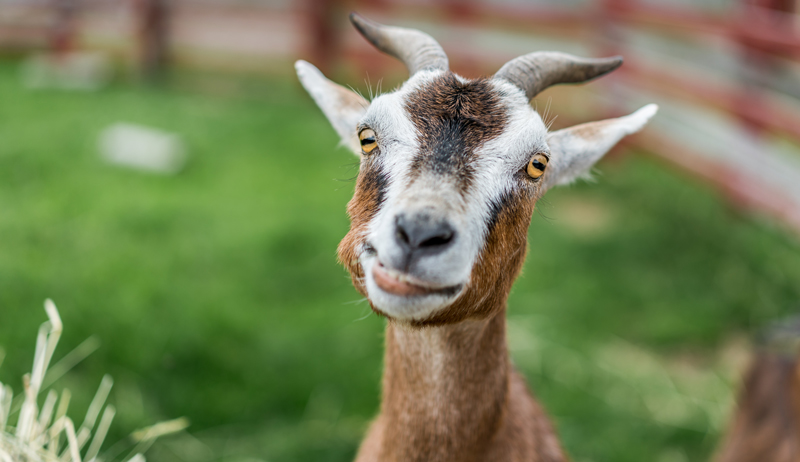
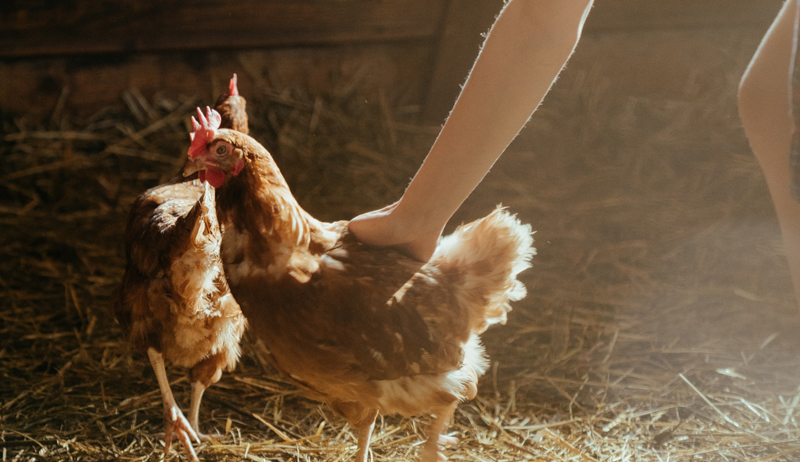
Don Eckert and Matt Park run the Cypress Grove Homestead in Naples, Florida. It’s a 3-acre venture that strives to take eco-conscious steps and uses solar panels to power a property that brims with fetching Nigerian Dwarf Goats.
“This was Matt’s vision, to tell the truth,” says Eckert as he recalls the origin story of Cypress Grove Homestead. Park adds that he grew up in a small town in Indiana and that his family are from a long line of farmers. But it was only when he and his husband, Eckert, took the decision to move to Naples that they were in a position to add on to the self-sufficient lineage.
We spoke to Eckert and Park about utilizing solar panels and Florida growing seasons. We also got the inside story on the homestead’s boss goat.
When Eckert and Park began to plot out Cypress Grove Homestead, they knew that solar panels needed to be an internal part of the process.
“One of the first things we knew we wanted to do to ease our electric burden and carbon footprint was get solar panels,” explains Park. “It was for the financial burden but also to eliminate our share of the emissions.”
Nigerian Drawf Goats prosper at Cypress Grove Homestead, and they also carry out what Park calls a “dual purpose” role.
“They’re pets but they contribute to the homestead,” he explains. “When we bought this place, the back acre and a half was completely overrun, like it had sat for years and was full of vines and poison ivy and brush. But the goats just came in and took charge and turned all that into milk.”
“The goats are low maintenance,” says Eckert. “They’re probably the best outdoor pet you can get and they’re super easy to socialize.”
He adds that the boss of the trip is a goat named Binky who’s become “like our homestead mascot” and “keeps everyone in line and she showboats when there’s other people around.”
“For the size of animal they are, the goats give a remarkable amount of milk,” says Park when asked about the benefits of raising Nigerian Dwarf Goats.
“The milk is very nutritious, plus a lot of people who can’t drink milk otherwise—like if they’re intolerant to lactose from cow milk—can still drink goat milk because the fat and sugar molecules are easier on the stomach.”
Looking back over their most successful crops, Park says they’ve benefited from having “really good luck with peppers and tomatoes because of the heat down here.”
He adds that the Florida growing season is the “opposite of up north, so when we post pictures now, everyone up north is jealous and we like that!”
Eckert says that along with peppers and tomatoes, Cypress Grove Homestead produced a strong run of cauliflower and broccoli last year.
Between raging wildfires, raging politicians and a raging pandemic, a lot has happened since last July. So, it’s understandable that the mailing of thousands of unsolicited packages of seeds sort of fell off the radar.
Even so, I’ve been wondering how things turned out. How many packages of unsolicited seeds were there? What did they contain? Were pathogens or noxious weeds included? Who was behind it? Is it likely to happen again?
I wasn’t the only curious soul. Jason Koebler, editor in chief of Motherboard at VICE Media, requested documents from 50-plus state and federal offices under the Freedom of Information Act (FOIA). According to a September 2020 Vice.com report, he snagged “thousands of pages of emails, spreadsheets, reports and documents, as well as audio voicemail recordings.”
After analyzing his treasure trove, Koebler wrote, “The scale of the mystery seed operation was much larger than I had originally suspected and than was originally reported. Conservatively, it is safe to say that tens of thousands of Americans received what they perceived to be Chinese mystery seeds in July.”
Dr. Kevin Ong, a plant pathologist with Texas A&M AgriLife Extension Service, estimates more than 1,000 Texans called state agencies to report unsolicited seed mailings in just the first month.
“Initially there was a huge concern, because there were so many at the same time, which was really odd,” he recalls. “And it wasn’t only [in] the United States.”
Those odd packages also hit mailboxes in Canada, the EU and Australia.
“They were getting packages primarily from China,” Ong continues, “But there were return addresses from Kazakhstan, from Mongolia, and even Malaysia.”
Meanwhile, ordinary Americans’ reactions were mixed. Citing FOIA records, Koebler writes, “People planted seeds even when expressly told not to…. Some people called 911. Others ate the seeds.”
By the Numbers
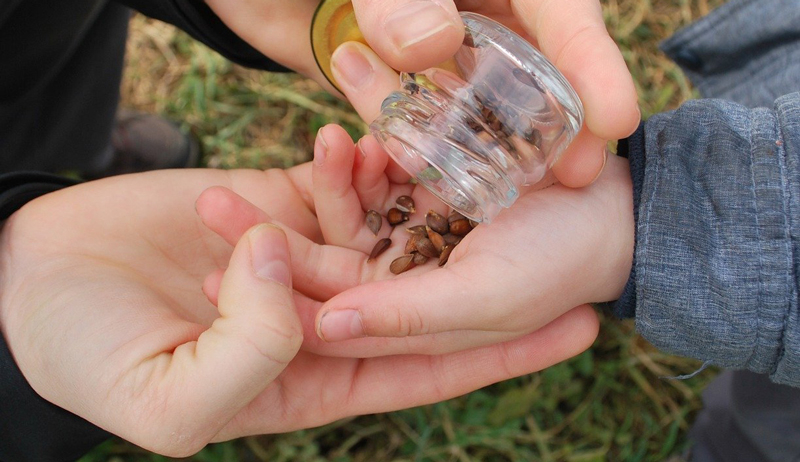
Fortunately, some folks dutifully forwarded their seeds to agricultural agencies. Plant quarantine experts tested the samples to identify the seeds, look for noxious weeds, and check for pathogens.
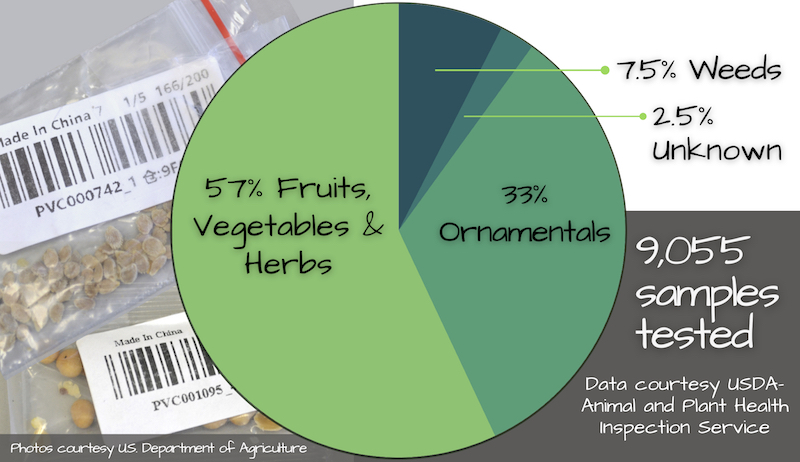
I contacted the Department of Agriculture’s Animal and Plant Health Inspection Service (APHIS) for details, and Osama El-Lissy, deputy administrator of the Plant Protection and Quarantine Program, came through. Via an emailed statement he noted, “As of January 7, 2021 we have collected 19,271 packages from across the U.S. We’ve completed examinations of 9,055 of those packets and identified a total of 488 different species of seeds.”
So far, most have been a mix of horticultural and ornamental species. Fifty-seven percent were fruits, vegetables or herbs; 33 percent were ornamentals; 2.5 percent were “unknown;” and 7.5 percent were classified as weeds.
Susan Brackney
“They include … sunflower, Brassica (i.e., mustard plants, such as broccoli, cauliflower, cabbage, rutabaga, bok choy), basil, beet, radish, watermelon, cucumber/melon, pumpkin, rose, carrot, tomato, corn, celery and dill, lettuce, pepper, onion, green bean, coriander and others.
“Altogether, we have identified approximately 460 taxa of seeds,” according to the APHIS statement.
Using X-ray, APHIS analysts did detect two quarantine insect pests. They also found federal noxious weeds, including water spinach, dodder and turkey berry. And molecular testing of samples revealed six “quarantine significant viruses or viroids.”
Brushing Scheme?
Most officials suggested last year’s mailings were part of a brushing scheme. Interestingly, Koebler writes, “In the emails I’ve reviewed, there’s very little talk about how the scam worked or why it happened. This campaign also seems to be much larger than any other known brushing campaign.”
APHIS is keeping mum, citing ongoing investigations. However, they’ve advised the U.S. Postal Service to “return all suspect seed packets to an international mail facility for inspection and action by U.S. Customs and Border Protection (CBP).”
For its part, online retailer Amazon.com changed its policy on the sale of plant and seed products last September. Now, only U.S.-based sellers may sell seeds, plants or plant products. (And Amazon.com officials can yank the accounts of non-compliant sellers.)
“That’s great, but, if you think about brushing schemes, most of this stuff was identified as something other than seeds,” Ong says.
Furthermore, the policy won’t necessarily nab U.S.-based drop-shippers relabeling seed from abroad. Ong heard of a seed-shipping incident like that last month.
“It actually has a United States postmark,” he says.
Looking Ahead
Even with the coming gardening season, Ong says, “With due diligence and with some of the safeguards in place, I don’t think we’ll see a mass mailing like we saw last July and August.”
Still, we shouldn’t let our guard down. If you receive unsolicited seeds in the mail? Don’t plant them and don’t trash them. Do call USDA’s Smuggling Interdiction and Trade Compliance Program at 1-800-877-3835 or email SITC.Mail@aphis.usda.gov.
To the average person, chickens may seem like simple creatures. But there’s much more to these fine-feathered beauties than meets the eye.
I bet you a basketful of eggs you don’t know all the following chicken facts!
Dino Relations
Chickens (really birds in general) are the closest living relatives to T. rex, according to a recent study. After retrieving collagen from a T. rex bone found by John Horner of the Museum of the Rockies in 2003 between Wyoming and Montana, researchers compared it to 21 different animals.
The collagen was most similar to chickens and ostriches.
“Most of the collagen sequence was obtained from protein and genome databases, but we also needed to sequence some critical organisms, including modern alligator and modern ostrich, by mass spectrometry,” says researcher John Asara.
“We determined that T. rex, in fact, grouped with birds—ostrich and chicken—better than any other organism that we studied. We also showed that it groups better with birds than modern reptiles, such as alligators and green anole lizards.”
Bird Brains?
“Bird brain” is actually a compliment. Chickens are not stupid by any means. From an early age as baby chicks, they can count and perform basic arithmetic, according to “Arithmetic in Newborn Chicks,” published in the April 2009 issue of The Royal Society scientific journal.
hsunny/Shutterstock
A chicken isn’t necessarily beholden to facts, either, as the birds can practice deceit. Ever seen a rooster pretend to have found a tasty morsel just to lure the females over?
They also show self-control from an early age. In a study (“Can Domestic Fowl, Gallus gallus domesticus, Show Self-Control?”) published in Animal Behaviour’s July 2005 issue, chickens had the option to peck a key that gave short access to food with a 2-second delay or another key that gave longer access to food with a 6-second delay.
The birds were more likely to pick the key with the 6-second delay: Longer wait equaled larger food reward.
Chickens can also be very easy to train. Dog trainers often attend chicken camps to practice their training skills.
In her article for the American Kennel Club (“How Chicken Camp Made Me a Better Dog Trainer”), professional dog trainer Stephanie Gibeault wrote that “training requires practice to become proficient, but most of us practice on our own dogs. Because of the emotional attachment we have to our pets, those feelings can get in the way of training, especially when things get challenging or we’re working toward a competition.”
Gibeault chose chickens because they don’t come with any of that emotional baggage (unless they are your own birds!). Dog trainers can hone their skills without worrying about the consequences.
“If your chicken doesn’t learn to walk around miniature pylons, she will be just fine,” Gibeault says.
The researchers summarized the study stating that “even though hens aren’t terribly picky about their mates, they are picky about whose sperm makes it to the egg. Female domestic chickens generally mate with multiple males and are known to sometimes eject sperm following mating encounters. It was unclear, however, whether the sperm ejection was a consequence of receiving a large amount of ejaculate or because hens are actively trying to rid themselves of undesirable sperm.”
Appreciating Beauty
A chicken can remember and recognize several faces, including humans, and, in one of the odder facts, will apparently appreciate beautiful ones. In a 2002 study published in the Human Nature scientific journal (“Chickens Prefer Beautiful Humans”), chickens were shown to have the same preference for certain human faces as humans do.
In the study, a small group of chickens were shown pictures of humans on a screen. They pecked more at the pictures showing symmetrical faces, the same pictures that humans chose when they took part in the experiment.
“We trained chickens to react to an average human female face but not to an average male face (or vice versa),” researchers wrote. “In a subsequent test, the animals showed preferences for faces consistent with human sexual preferences.… This suggests that human preferences arise from general properties of nervous systems, rather than from face-specific adaptations.”
Visionaries
Chickens have impeccable eyesight. They can even use each eye independently for different tasks!
The right eye is nearsighted and used for close-up activities, while the left eye is farsighted and used for distance vision and watching for predators. Their motion-sensing ability also surpasses ours, making flickering lights a major annoyance.
According to researchers at Washington University School of Medicine in St. Louis (Missouri), chickens see color better than humans—and most other mammals, for that matter.
In a study published in the February 2010 issue of the journal PLoS One, they wrote that while human retinas contain cones sensitive to red, blue and green wavelengths of light, chicken retinas contain cones that detect violet wavelengths as well, and even some ultraviolet wavelengths.
“Based on this analysis, birds have clearly one-upped us in several ways in terms of color vision,” said study author Joseph C. Corbo.
“Color receptor organization in the chicken retina greatly exceeds that seen in most other retinas and certainly that in most mammalian retinas.”
Eggcellent Chicken Facts
Eggs come in many colors. But according to Shelby DeVore, agriculture educator in western Tennessee and founder of Farminence, all chicken eggs start out as white eggs.
Olexandr Panchenko/Shutterstock
“[The] shell is created primarily from calcium, a white mineral,” she says. “Hens that lay colored eggs actually add pigment to the outside of the fully-formed eggshell. That’s why if you scrub an egg too hard when cleaning it, it looks like some of the color comes off. [You’ve] scrubbed some of that colored pigment off!”
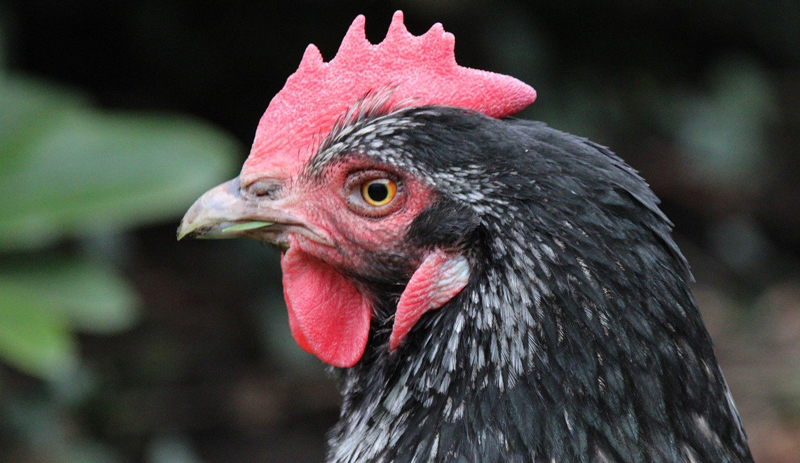
Need more chicken facts? Here’s one: Earlobe color often matches eggshell color. Most breeds with white earlobes lay white eggs, and chickens with red earlobes lay brown eggs.
Joe Schwarcz, the director of McGill University’s Office for Science and Society in Montreal, Quebec, explains that the color of the lobe varies with the breed of the chicken, ranging from white to almost black.
“Chickens with white earlobes lay white eggs exclusively while birds with dark lobes lay brown eggs,” he says. “The fascinating Araucana breed of chickens can even have earlobes that are a pale green or blue color. Sure enough, they lay eggs of the corresponding hue.”
According to Schwarcz, the same gene that determines the color of the earlobe also determines the color of the egg. The color itself is determined by the presence of porphyrins, which occur once hemoglobin, the oxygen-transporting molecule found in red blood cells, is broken down.
This whole process is controlled by genetics, which means the color of the eggs is under genetic control.
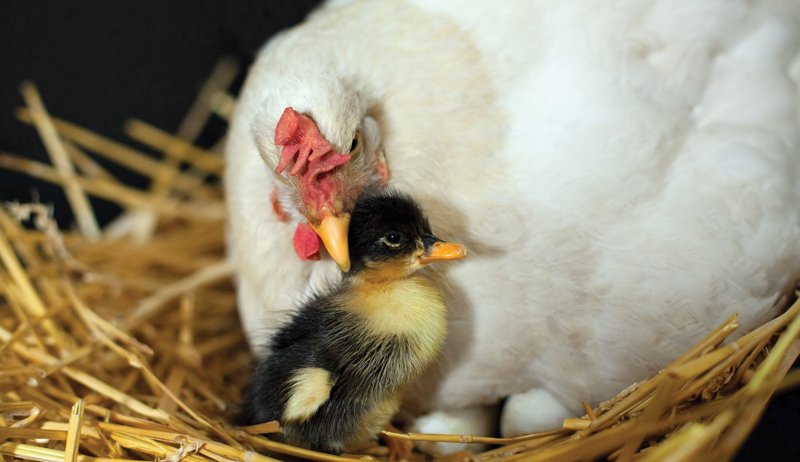
Chickens can make excellent mothers, sometimes even adopting other birds or other species. They protect their chicks, show them what to eat and not eat, and teach them proper behavior. Chicks reared by mother hens show less fear and higher levels of behavioral synchronization.
This was shown in the study “Influences of Maternal Care on Chicken Welfare,” which appeared in the January 2016 issue of Animals, an international, peer-reviewed, open-access journal devoted entirely to animals.
Majna/Shutterstock
“Chicks reared without a mother in this way are more fearful and more likely to develop behavioral problems, such as feather pecking,” the authors write.
The mother-child bond starts before the chicks are born. When a broody hen sits on her eggs, she and her babies actually talk to each other. If an embryo lets out a distress call, the mother hen responds by moving or vocalizing to the chick.
Hearing the clucks and purrs, the chicks learn their mother’s voice before they even hatch.
“[This] is essential to their survival after hatching,” DeVore says. “If you are incubating eggs, you can talk to the eggs to help the chicks learn your voice also.”
Roosters can make good parents, too. They protect the flock, and occasionally roosters have adopted baby chicks, sheltering them under their wings, finding them food and taking on the general role of mama.
As you can see, there’s much more to chickens than meets the eye. Hopefully this article revealed some fun and new facts about these beloved barnyard chickens. Don’t be “chicken” about sharing these facts with friends!
This article originally appeared in the January/February 2021 issue of Chickens magazine.
So you’ve checked with your town hall’s ordinance director—and quite possibly your neighbors—and you are legally in the clear when it comes to chicken ownership. Your backyard flock awaits! Suddenly, the world is your oyster … and the abundance of poultry pearls out there can be staggering. (There are so many chicken breeds!)
With so many sizes, colors, patterns and characteristics to choose from, you might find yourself quickly overwhelmed by chicken choices if you don’t first determine what your flock parameters are. Before you visit even one hatchery web site or head in to your farm-supply store for a Chick Days sale, take a moment to ask yourself one important question:
What do I want out of my flock?
Most poultry keepers raise chickens for the fresh, delicious eggs produced right in their own backyard. If egg production is the chief reason you wish to start a microflock, that determination is the first step towards planning your flock.
Chickens lay eggs in a variety of colors. You can get white eggs, brown eggs, blue eggs, green eggs … even pink and yellow eggs.
The color of the eggshell depends on the breed of chicken. If you are a fan of sky-blue eggs, consider raising Araucanas, Ameraucanas and Cream Legbars. These all produce powder-blue eggshells.
If you want white eggs, take a look at White Leghorns, Polish, Lakenvelders and Anconas. For brown eggs, check out Orpingtons, Marans, Wyandottes and Rocks.
For a range of pastel colors, look no further than the Easter Egger, a hybrid cross of a brown egg layer with a blue-laying Ameraucana or Araucana.
These are just one dozen of the more than 50 pure breeds and cross breeds available to raise in the U.S. Allot some time to research which breed(s) you’d like, once you determine which color(s) you want.
Size of Eggs
Chicken eggs come in a variety of sizes. In the U.S., the size range starts at Peewee (about 1.25 ounces) and continues to Jumbo (approximately 2.5 ounces). Most Americans prefer large eggs, as these are the kind most often called for in recipes. However, you may prefer small, or you might like jumbo.
Once you decide what size egg you would like, research the chicken breeds under consideration to see which produce your desired egg size. Typically, bantam hens lay peewee and small eggs, while large-fowl hens lay medium, large, extra large and jumbo eggs.
But the size of the hen doesn’t always match the size of her egg. Orpingtons, for example, though quite large, only produce eggs that are medium in size, while the gigantic Jersey Giants produce large to extra-large eggs.
Every hen produces eggs, and then there are those overachievers that are veritable egg factories. The ISA Brown, a mixed-breed bird developed in France in the late 1970s, can produce up to 350 eggs per year, while the purebred Rhode Island Red, White Leghorn and New Hampshire lay upwards of 250 eggs per year.
Conversely, the puffball Cochin produces approximately 130 eggs annually. The stunning Sumatra, however, only lays about 100 eggs per year. Most standard breeds lay in the area of 180 to 200 eggs every year.
To ensure your flock provides you with just the right number of eggs, calculate how many dozens you purchase in a month. Then multiply that number by 12 for one year’s worth.
For example, if you go through four dozen eggs each month, your total annual consumption is 48 dozen eggs—or 576 eggs.
Next, calculate how many hens from your desired chicken breed (or breeds) will come close to your annual egg consumption. Don’t forget how many hens your local ordinances permit. If you are only allowed three hens, and you consume 576 eggs per year, a microflock consisting of an Orpington, an Easter Egger and an Ancona—each laying about 190 eggs per year—will provide you with a rainbow assortment of eggs in the quantity you desire.
You might have to mix, match and switch it up to determine exactly which chicken breeds make the cut and become part of your flock.
Farm tools are important to have on hand. Basic tools will enable you to fix more than you think and leave the big jobs up to the professionals. Here are some tools you’ll need to do everything from changing your tractor’s oil to replacing a radiator hose on your farm truck.
Combination Wrenches
Beginning with the absolute basics, you’ll need a set of combination wrenches—or, preferably, two sets: one metric and one standard (or “SAE”).
Standard fasteners tend to hold together domestic machinery. Metric ones, on the other hand, are common in foreign-made parts.
For those uninitiated into the world of wrenches (which can be a surprisingly confusing place), combination wrenches are open on one end and closed on the other. The open end of the wrench is perfect for fitting into tight spaces. The closed (or “boxed”) end of the wrench, on the other hand, fits over the entire nut or bolt, giving you a more reliable hold.
Although combination wrenches may seem like all you need, they’re almost certainly not. Socket wrenches are another indispensable item in your arsenal of farm tools.
Unlike most combination wrenches, socket wrenches have a ratcheting head. This means that you can effectively work on a fastener in tight spaces while only moving the wrench itself a few degrees.
It’s also worth investing in some extensions for whatever socket set you buy. Extensions are especially helpful when you’re working on an engine, where important bolts have a habit of being 6 inches below your reach.
(A Bunch of) Pliers
Like wrenches, pliers come in all shapes and sizes, and you’ll use many of them. To begin with, consider purchasing a variety set.
Needlenose pliers are essential for working in tight spaces and installing the spring hose clamps found on tractor and automotive lines.
Channellock pliers, on the other hand, allow you to establish an especially tight grip. I frequently use them to keep the head of a bolt secure while removing a nut from the opposite side.
Torque Wrench
Yes, another wrench. This one is a bit different, though.
A torque wrench is a specialized type of socket wrench that allows you to measure the amount of torque used to tighten a fastener. So what is torque? It’s essentially the amount of tension on a nut or bolt, which is a kind of proxy for how tight the fastener is.
In most machinery, each nut or bolt is designed to be tightened to a particular torque. The lug nuts on my truck should be tightened to 105 ft-lbs, for instance, whereas the shock mounts should be tightened to 155 ft-lbs.
Without a torque wrench, you’re essentially flying blind and will never know how tight (or loose) your bolts really are.
Although owner’s manuals are a great source of information for technical specs, they don’t provide detailed instructions for individual jobs. That’s where a repair manual comes in.
Repair manuals are just what their name suggests: manuals that walk the user through the most common repair and maintenance tasks.
You can usually find a YouTube video covering a lot of the same jobs. But repair manuals are professionally written and don’t stray off-topic nearly as much.
This list of tools is far from comprehensive, but hopefully it will help you get started making some of your own repairs on the machinery around your farm.
This article about farm tools was written for Hobby Farms magazine online. Click here to subscribe.
There’s no shortage of specialized equipment available for producing small square hay bales. Bale kickers, basket wagons, bale accumulators and other innovations can save a lot of time and labor.
Of course, not every hobby farmer can afford a complete suite of hay baling equipment. A less specialized operation might involve a tractor pulling a baler and a hay wagon, with a couple of workers riding along to stack the bales as they drop onto the wagon.
But wait—there’s an even simpler approach. Hay can be baled with nothing more than a tractor and a baler if you’re willing to drop the bales straight onto the field for manual pickup later on.
As with anything, there are pros and cons to this strategy. Let’s explore some of the benefits and downsides to letting the small square bales fall where they may.
You don’t need any extra equipment! If you’re baling a small amount of hay and can’t rationalize the cost of specialized equipment or hired help, it’s hard to beat the inexpensive simplicity of dropping the bales out the back of the baler, one by one, to pick up later.
It’s a one-person operation! The driver of the tractor can theoretically bale the field, come back with a wagon, and pick up the bales without any assistance. It’s more work, true, but if help is in short demand, this approach is an alternative to having a couple of stackers riding a hay wagon behind the baler.
Less strain on your tractor! If you’re concerned your tractor isn’t strong enough to simultaneously bale hay and pull extra equipment, reducing the load to just a baler will give your tractor a break.
It can be safer! If fields are sloping or bumpy, dropping the bales is preferable to having a stacking crew riding a hay wagon behind the baler.
It’s scenic! A freshly-baled field dotted with hay bales is an iconic image worthy of promotion on social media, if you run accounts for your farm.
Dropping bales on the field and picking them up later requires a lot more time, particularly if you’re working with a small crew. It’s not hard to double the amount of time you spend on a field this way.
There’s more labor involved, particularly when compared to automated methods of handling bales. Once they’re on the ground, you have to pick them back up again, which can grow tiring if you’re manually loading hundreds of 50-pound small squares.
You risk distorting or breaking bales as they fall from the baler to the ground, particularly if you’re producing light, fluffy bales for easy handling. Any bales too misshapen for effective handling will have to be cut open and spread back out to be baled again.
The longer the bales sit on the field, the greater the chance of something going awry. A sudden summer rainstorm could unexpectedly soak the bales. Or dew could settle on the bales as evening falls, dampening them unnecessarily.
In the end, there’s no right or wrong answer when pondering whether to drop small square bales as you bale them. There are pros and cons on each side of the equation, and whether you drop them or not depends on many interrelated factors, including the specifics of each field you harvest.
What approach do you employ when producing small square bales?
For many chicken-keepers, the most expensive part of our hobby is providing hens with good, wholesome feed. However, there are ways to do it without breaking the bank.
The most important thing is to buy a high-quality feed formulated for the kind of chickens you’re raising (layers, broilers, chicks, etc.). Complete feeds are necessary to get maximum production, including more eggs, faster growth for young broilers and healthier chicks. The trick is to augment commercial feed with less-costly “side dishes” that nourish your hens while making your bagged feed go further.
Be Precise & Shop Around
Try to buy exactly what your chickens need. (See “Complete Feeds at a Glance,” below.) One size does not fit all. For instance, starter feeds bagged for broilers is much too high in protein to safely feed future layers.
Read the labels, and stay within suggested parameters.
Look at the price tags, too. Name brand bagged feeds aren’t necessarily priced the same at every store. And ask if feed mills bag their own similar feeds. Many do and comparable house brands usually cost much less.
But again, read labels.
Sometimes low-cost house brands are bulked out with wheat bran and low-quality wheat-milling byproducts such as middlings, shorts, screenings and mill run. These aren’t good buys.
Keep in mind that major milling companies run sales and promotions well worth watching for. Subscribe to the mailings and e-newsletters of companies you like, add clip their coupons.
While you’re making a purchase, consider buying in bulk. Just don’t overdo it. Chicken feed that has been processed into pellets, crumbled, cracked or ground, including commercial bagged feeds, rapidly loses nutrition as it sits. Perhaps you can buy in bulk with a friend or two and split the order.
Store the bags in metal garbage cans, nonworking chest-type freezers, or food-grade 55-gallon drums with lids to protect them from predation by mice, rats and squirrels.
Tulio Andrade/Shutterstock
Grit & Oyster Shells
You won’t need to provide grit if you feed your hens nothing but commercial mash, pellets or crumbles. If you add anything else, you will. Chickens don’t have the means to chew their food since they don’t have teeth.
After being eaten, grit travels down to and lodges in a chicken’s gizzard where it helps grind coarse food into digestible paste. Free-range chickens pick up some grit naturally but probably not enough. Your best bet is to provide a container of grit so your chickens can help themselves as they need it.
There is a finely ground grit for chicks up to 8 weeks of age and larger grit made for full-fledged adults.
Grit is not the same as ground oyster shell. Oyster shell provides high-quality calcium to laying hens. Other classes of poultry don’t need it. Hens do.
Note: Never mix grit or oyster shell with your hens’ regular feed. It should be provided as a separate free-choice supplement.
Another great way to add calcium to laying hens’ diets is to save eggshells and give them back to the flock by placing finely crumbled, cooked pieces in a serve-yourself feeder. To do this, microwave them for 5 minutes on high, let cool and crush. You can also preheat your oven to 200 degrees Fahrenheit, spread the shells evenly on a baking sheet and bake them for 30 minutes.
Fruit and vegetable scraps can be a fine addition to a commercial chicken-feed diet. Offer them in a separate feeder, or spread larger items on the floor of the coop or a dry place outdoors.
Other things you can feed include bakery byproducts, pasta, cereal, chips, bird seed, garden clippings, cooked meat and fish, and tofu. A great source of healthy scraps is whole, uncut pumpkins left unsold after Halloween. To feed them, break them in pieces so your hens can eat right from the rind.
A bonus: They stay good for months in cool storage.
Don’t feed moldy or rotten scraps to your chicken. Mushy fresh fruit is an exception. Feed only as much as your chickens clean up in an hour or so. Leaving scraps to rot attracts flies, mice and wildlife such as raccoons and opossums.
Slice or break open things with thick skins such as melons and winter squashes.
Do not feed hens any of the following:
raw potatoes, potato skins or potato vines from the garden
green tomatoes or tomato vines
immature eggplant or eggplant vines
dry beans or peas
uncooked rice
stone fruit without the pips removed
onions
raw eggs
mushrooms
rhubarb stems or leaves
citrus fruit
sugary foods such as candy and chocolate
highly processed foods and excessively salty leftovers
any part of an avocado
Feeding asparagus can make your eggs taste funny, so feed it in small quantities if at all.
You can also grow a chicken garden for your birds. Some things to consider include sunflowers, kale, cabbage, lettuces of all kinds, pumpkins, squash and mangels.
Also give your chickens nourishing garden weeds such as plantain, dandelions, chickweed and lamb’s-quarter. Garden invaders—potato bugs, cabbage worms, slugs, etc.—make great snacks for your birds. Speaking of bugs …
Build Bug Bowls
The best possible way to augment your chickens’ diet is to let them free-range and pick their own greens and insects. If you live where ticks are a problem, chickens love ticks!
If you don’t, consider buying or raising nourishing mealworms to feed your hens. It’s easier than you think.
Cut a hole in the top of a small plastic bin with a tight-fitting lid. Duct tape a piece of screen over the hole to allow airflow without allowing the mealworms to escape. Place 2 inches of oat bran or oatmeal in the bottom of the bin. Slice a potato in half and place it in the bin as a food sources.
Add mealworms. 200 to 400 is a good place to start.
You can purchase mealworms at bait shops or pet-supply stores or order them online. They’ll morph into small beetles and lay eggs that hatch into more mealworms.
Replace the potato once a week or sooner if it gets moldy. Feed the worms to your chickens several times a week, allowing five to 10 per chicken per feeding. Mix them with feed or scatter them in the litter on the floor of their coop so your girls can go crazy digging for them.
snchzgloria/Shutterstock
Feel Free to Ferment
A cost-free means of boosting nutrition is to ferment your chickens’ food. Fermentation creates healthful probiotics that aid in digestion, strengthen the immune system and multiply vitamin content.
You can ferment any feed, be it crumbles, pellets, scratch, seeds or whole grains.
According to the Permaculture Research Institute, to ferment chicken feed, soak it in chemical-free water overnight, and then place it in a bucket with an optional bit of dry bran. Mix it up, and cover with water.
The feed needs to stay submerged. As it soaks up water, add more.
After a couple of days, the mix will start to bubble and smell slightly sour but not unpleasant. It’s then ready to feed. Save a little of the cultured feed to start a new batch. It’s that easy.
As you fine-tune your feeding routine, be sure to feed sensibly. With layers, a three-feeder system works best, with commercial feed in one, ground oyster shell in another, and a third to dispense less-expensive but tasty and nutritious goodies such as whole grains, chopped garden vegetables or homemade mash.
You might think your hens will pig out on commercial feed, but in fact, they won’t. They’ll happily go for the tasty but inexpensive side offerings, too, while benefiting from the nutritional goodness of a complete feed.
Whatever you feed, minimize waste by using efficient feeders. Chickens are notoriously wasteful, but you can buy no-waste feeders or build your own using instructions found online.
Finally, keep in mind that chickens require 24/7 access to clean drinking water. Water controls the rate they digest food, their body temperature and how efficiently they eliminate waste. Hens also need a plentiful supply of water to lay eggs.
Chickens don’t drink large amounts of water at one time. They tend to sip a little water and do it often, which is why they need access to water at all times.
Supply enough waterers so your birds never run out. Make water more attractive in the summer by placing waterers in the shade and adding ice cubes or frozen water bottles as needed to keep water cool. Try heated waterers in the wintertime. Heated dog bowls are a good choice for smaller flocks.
Sidebar: Complete Feeds at a Glance
Although some feed mills offer one-size-fits-all, avoid these and purchased feed formulated for the purpose and age of your chickens.
Basic Feed Types Protein Level Age of Birds (weeks)
Chick Starter (Layers) 20 to 22 percent 0 to 6 weeks
Chick Starter (Broilers) 22 to 24 percent 0 to 8 weeks
Pullet Grower 14 to 16 percent 6 to 20 weeks
Broiler Grower/Finisher 16 to 18 percent 8 to 16 weeks (or sooner, if slaughtered at a younger age)
Layer Feeds 15 to 18 percent 20 weeks and older
Chick starters come as very finely crumbled feeds formulated to support early chick growth and provide vitamins and minerals for development. They include added ingredients such as probiotics to support health. Broiler chicks require considerably more protein than do future layers. Some brands come in medicated and unmedicated varieties. Medicated feeds contain an anticoccidial drug called Amprollium, which protects chicks from coccidiosis, a common parasitic poultry disease.
Pullet growers are formulated for prelayers. They’re lower in protein and contain less calcium than layer feed. Broiler grower/finishers are lower in protein than broiler starter but are formulated for rapid growth.
Layer feeds contain a balance of protein, calcium, and additional vitamins and minerals to keep egg-producing hens healthy while encouraging abundant egg laying and the production of sturdy eggshells.
Grower, finisher and layer feeds come as mash (loose, finely ground feed roughly the texture of potting soil), crumbles (a coarser type of mash) or pellets.
Another type of bagged feed is scratch, a random mixture of grains such as whole or cracked corn, oats, sunflower seeds, wheat, barley, milo, millet and milling byproducts. They generally run about 8 to 10 percent protein and should be considered a treat instead of a complete feed.
This article originally appeared in the January/February 2021 issue of Chickens magazine.
Last month we began a three-part series on farm drug safety by discussing injectable medications for your livestock. This month, let’s take a closer look at oral and topically applied drugs.
Drenches
Oral medications for livestock are available in liquid and solid forms. Liquid formulations are commonly called drenches. You can administer them using a syringe. But for cattle and small ruminants, special devices called drenching guns can make administration easier.
Like with giving a cat or dog oral medication, the key is to get it at the back of the tongue to encourage the animal to swallow. These drenching guns have a narrow arm that can be inserted along the side of the animal’s mouth. It reaches to the back of the tongue (and protects your fingers).
Before using a drenching gun, make sure you familiarize yourself with how it works and how to accurately dose the medication to each animal. Instances of over- or under-dosing can occur if the device isn’t set to the proper dose ahead of time.
Large pills, called boluses, can be a bit trickier to administer to livestock. For horses, some pain medication and antibiotics come in pill form.
A very common way to administer these medications to livestock is to grind them up and mix with something sweet like molasses or applesauce. For ruminants, there is another device called a balling gun, which is essentially a large version of a pill gun used for cats. A long tube with a plunger to pushes a pill to the back of the mouth.
When using a balling gun with cattle, make sure the animal is properly restrained, such as in a chute with a head gate. Wrap your free arm around the animal’s head and insert your fingers into the space between the incisors and molars. There are no teeth here, and this will encourage the animal to open her mouth.
Then, with your other hand, slowly and steadily insert the balling gun at the corner of the mouth, sliding it to the back of the throat. Be firm but gentle. Damage can occur to a cow’s mouth or throat if such a device is used too roughly.
When the device is pushed as far back as possible, dispense the plunger. Once the pill is administered, hold the cow’s head up briefly to encourage her to swallow. Then watch the animal for several seconds before letting her loose to make sure she has actually swallowed the medication.
Read more:
Topical
Topical products are frequently for insect control in the summer. As with all medications, make sure you read the directions closely before using it. Most topical products for use in cattle, for example, should be applied in an even strip from shoulders (withers) to the tail head, and centered on midline to prevent excessive run-off down the sides.
Also beware of the weather. Applying a topical product to an animal that just came in from the rain with a wet hide may impact how well the product stays on. Alternatively, read the directions to see if the animals need to be kept dry after application and, if so, for how long.
Topical drugs are formulated specifically for absorption through the skin. This means you should avoid spilling any on your hands during use. Wearing disposable gloves is always a good practice when dealing with these types of products. So is cleaning up any spills as soon as they happen. Also, never give a topical product orally or vise versa.
Stay tuned for the final installment of this series next month when we discuss the important information contained on a drug’s label and how to understand withdrawal times.
Last autumn, a woman contacted me to ask if I could rehome her rooster. My old rooster died recently of old age. I thought my girls would welcome another guy.
The family had hand raised the rooster, a Sebright Bantam, as a family pet. When he arrived at my home, he settled right in. He’s a joy to be around, and my hens love him.
Although the Sebright is a calm and docile breed, I think a good part of Rodrigo’s friendliness comes from the way he was raised.
“I’m not as close to them as I am with my cat,” she says. “But I spend time watching them and I know their personalities.”
She says that before you even start to try to befriend your flock, give any new chickens time to settle in and feel safe with each other.
Last summer Jones introduced three new chickens to her two older hens. She wanted the newbies to feel safe and secure in their new situation before she tried to introduce herself. Jones made sure not to make threatening movements such as looming over them, speaking loudly or moving quickly.
When your flock sees you coming, they’ll know a tasty snack will follow. Jones’ hens get a treat every night when they come in to roost.
Treats can include healthy foods such as black oil sunflowers, cracked corn, dried mealworms and vegetable scraps.
Make sure you’re feeding treats sparingly, however. Treats shouldn’t take the place of a balanced diet. In fact, chickens will happily fill up on tasty extras instead of their daily ration.
Name Your Chickens
Naming a chicken might seem silly. But just as learning a person’s name helps you get acquainted and changes the way you think about them, naming your chickens makes them feel like friends.
After all, it’s easier to have affection for a Henrietta than just another Wyandotte.
Whether you can hold your chickens or not largely depends upon them. Some accept it easily and others don’t.
Jones doesn’t hand tame her hens, only picking them up if she has to.
“Instead, we hang out together,” she says. “They have their own thing they like to be involved in. Anytime I dig or move dirt they will run over to see me. Of course they are more interested in the insects and worms than me.
“I could pick them up at the point, but in general I prefer them to be themselves on their terms.”
To hold a chicken properly, place your hands on each side, over the wings, and lift her up. Tuck the bird, securing the wings, under one arm (she can face forward or back), and hold her shanks between your fingers.
If she flaps or protests, put her down. Only pick her up again if you absolutely must.
Teach a Trick
Chickens are remarkably easy to train and are very food motivated. You’ve probably trained your chickens without really knowing it.
Do they come running when you approach the coop with a feed scoop in hand? Or do they watch you as you work in the vegetable garden, expecting to receive a tasty treat, such as vegetable scraps or a tomato hornworm?
Choose a tasty food that they normally don’t receive in their daily diet, such as mealworms. Put them in a bright red or pink bowl, and carry that into the coop. (The colored bowl will teach the chicken that snacks are forthcoming.)
Take the chickens to a certain place, such as a board on the floor, and set the bowl down, removing it as soon as it’s empty. Do this every time your chickens receive a treat, and they will run to that spot when they see the bowl.
You can target train your individual hens by holding out a stick. When the bird pecks it follow that with a treat.
Chickens don’t see us as friends per se because we aren’t part of their social structure. But they do see us as someone important.
Teaching these small tricks will set up a line of communication between you and your flock, allowing the chickens to ask something from you.
Slow Your Roll
Most importantly, don’t try to force your chickens to act like friends.
Some breeds are friendlier than others and are more amenable to being picked up. Some, on the other hand, will never be tamed, no matter how well you raised them.
The closer a breed is to its jungle ancestry, the more skittish they are.
Friendly breeds include:
Silkie
Sebright
Cochin
Orpington
Flightier breeds include:
Leghorn
Aseel
Ancona
Cream Legbar
It’s okay if your hens don’t return your affection. You can show you care by giving your flock the best life you can and admiring them from afar.
Rosemary is a delightful, aromatic herb native to the Mediterranean region. With its fragrant, evergreen leaves and delicate flowers, this useful herb offers a wide range of medicinal and culinary attributes that every gardener can enjoy.
A Historical Herb
You can find images of rosemary plants in ancient Egyptian cuneiform. Pharaohs would, in fact, have sprigs of rosemary laid in their tombs. But it was the Greeks and Romans that first made extensive use of the herb.
Rosemary has a long history of use as an herb of remembrance. Greek scholars would wear garlands of the olive-colored leaves in their hair. And the herb’s prevalent inclusion in wedding bouquets carried by brides on their special day is a tradition still observed in modern times.
Until 2017, rosemary went by the Latin binomial Rosmarinus officinales. But after much debate, those in charge of such matters deemed the herb too closely related to sage to remain in a separate genus. Rosemary’s scientific name was subsequently changed to reflect this, becoming Salvia rosmarinus.
Change can certainly prove difficult, though. And many plant catalogs still list the herb under its original Latin classification, which is now considered a synonym.
The name Rosmarinus is Latin for “dew of the sea.” It’s an appropriate title, considering rosemary’s affinity for growing along the rocky shores of the Mediterranean.
In ancient Rome, rosemary became associated with the goddess Venus, who was said to have risen to life from the foam of the sea. This association with a goddess of love is perhaps another reason why this evergreen herb is included in the matrimony ritual.
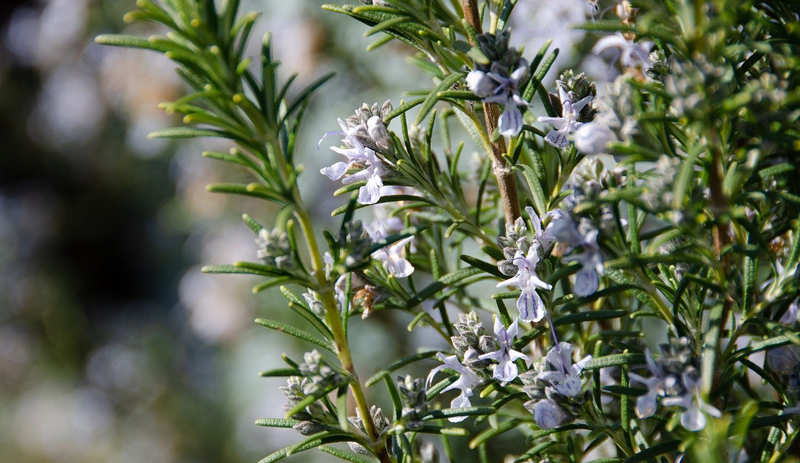
An interesting Spanish legend claims that Mary, mother of Jesus, draped her cloak over a rosemary bush while taking a momentary respite during her family’s journey to Egypt. It’s said that her garment turned the white flowers on the shrub to a lovely blue color, and that perhaps the herb’s name is simply derived from “Rose of Mary” thanks to this incredible transformation.
Rosemary, with its piney scent and light lemony flavor, lends itself well to numerous applications in the kitchen.
Powder and add dried leaves to spice blends for use as a dry rub on meats. Add whole fresh sprigs to stews or soups. The leaves go well, dried or fresh, in marinades.
You can add finely chopped rosemary to fried potatoes, or any sautéed vegetables. But wait until the end to avoid burning the leaves. Too much heat is never good when cooking with herbs, and you’ll get optimum flavor by adding them to the dish towards the end.
Use the stems and branches of rosemary when roasting or grilling meats. Let them dry and then burn them in the coals or the cookfire to impart the meal with rosemary’s delicious, bright flavor.
Rosemary in the Apothecary
Rosemary is a member of the mint family, Lamiaceae. Like many other members of this family, it enjoys a reputation as a useful tonic for digestive upset and stomach complaints.
A simple tea, perhaps with honey or agave nectar to sweeten, will ease cramps and bloating.
In many of the older herbals, rosemary was infused in red wine and prescribed to improve heart health and strengthen the cardiovascular system.
Many of rosemary’s beneficial constituents, such as rosmarinic and ursolic acids, are alcohol soluble. So this traditional use holds to reason. But many modern practitioners would likely suggest use of a tincture for these purposes.
Rosemary’s use as an herbal tonic for the mind dates back to antiquity. But modern science is also beginning to explore and understand the effect that rosemary has on cognitive function. Not only does the herb improve circulation and protect tissues from inflammation, rosemary contains carsonic acid. This property has been linked with counteracting free radical damage in the brain.
In short, not only is rosemary tea delicious, it’s also good for your body and mind!
Rosemary is a perennial evergreen that you can grow as an annual. You can also bring it inside in areas that experience cold winters. The herb is not frost tolerant and unlikely to survive temperatures below 10 to 20 F (-7 to -12 C.)
Plan to bring your plant indoors before it suffers exposure to freezing temperatures. Consider taking cuttings to root indoors for plants too big to move—a simple way to propagate soft-stemmed plants.
Rosemary prefers full sun. In areas where it can be grown as a perennial, it will also require space to thrive. The herb is drought tolerant once established.
A healthy plant can live for 20 years or more.
Plan to bring your rosemary indoors for the winter? Keep it in well-draining soil in a pot as deep as the plant is tall. For example, for a 8-inch-tall rosemary plant, you will need a pot with 8 inches of depth to accommodate the roots.
Add a layer of gravel or small rocks at the bottom of the pot to improve the drainage. Rosemary detests wet feet!
Place your plant in a well-lit area. Water dry soil every two weeks. Once or twice a week, use a spray bottle to mist the foliage, ensuring you dampen the leaves nicely.
With a little bit of care and attention, your rosemary plants will thrive. They’ll provide nourishing and flavorful leaves to use in your kitchen and apothecary for years to come.