Flavored sugar made with fresh herbs adds a natural burst of aroma, color, and taste to your favorite treats any time of year. Whether you grow herbs in your garden or pick up fresh sprigs from the market, these simple blends bring a touch of freshness to homemade cakes, teas, and gifts. Creating flavored sugars is easy; just combine herbs and quality sugar in a blender or jar, and you’ll have a colorful, aromatic sweetener that keeps beautifully for months.
Herbal flavored sugar is super fun to make and perfect for whipping up real-food cakes and confections. All that’s required is a blender or a sharp knife and quality sugar. We usually splurge and use an organic cane sugar so that the color of the herbs comes through.
Flavored sugar will keep for at least a year. The colors of the herbs stay as vibrant as they were the day they were harvested, which is amazing. Sugar is an incredible preservative!
Step 1: Choose Your Herbs for Flavored Sugar
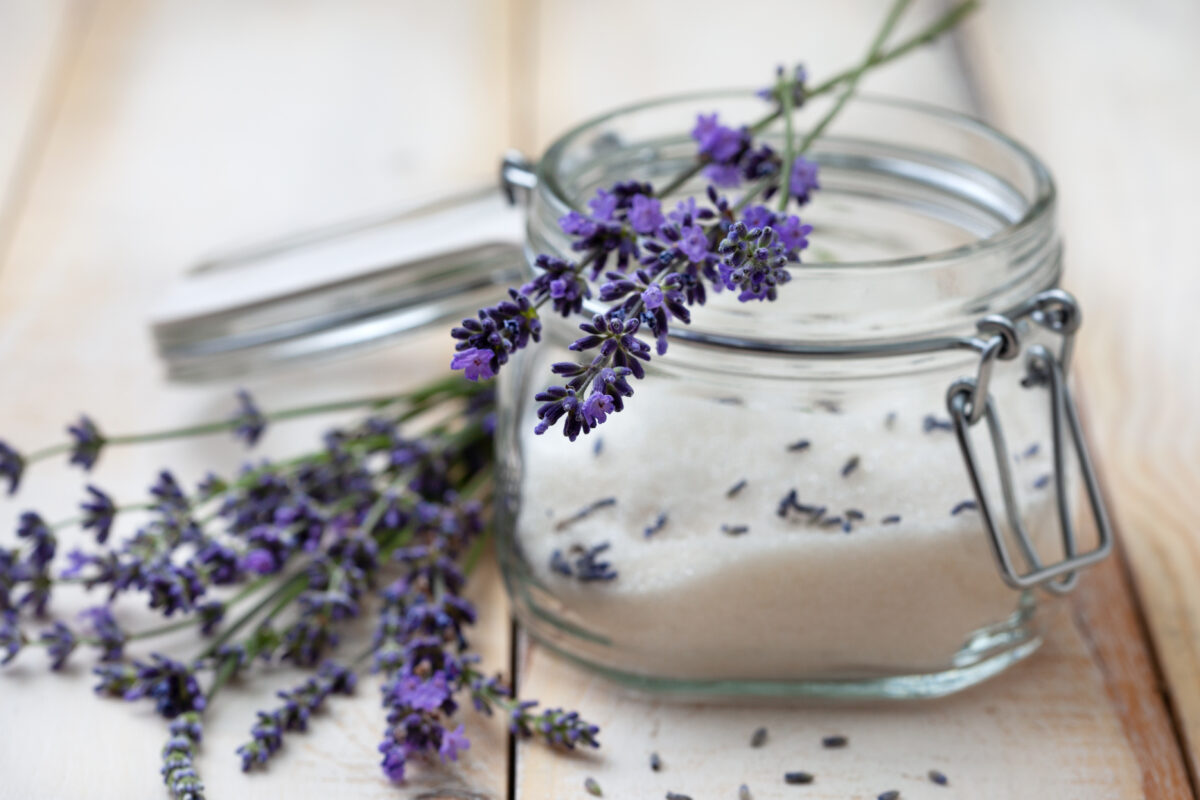
Whenever you have access to fresh herbs—whether from your garden, a market bunch, or a windowsill pot—try making some herbal goodies. Gather a few fresh herbs for your flavored sugar. Mint leaves, lavender buds, rugosa rose petals, hibiscus blooms, basil, and calendula all work beautifully. All are lovely, so let your taste buds be your guide.
Step 2: Prepare Fresh Herbs for Sugar
Clean and section your herbs. If you’ve picked a flower, like lavender, then pull off the flower head or petals to use and compost the stems. If you’ve chosen a leaf herb, like mint, remove the leaf from the stem for use.
Step 3: Blend Herbs with Sugar
Place one part herb and one part sugar in your blender. A 1:1 ratio works well for most herbs, but for stronger flavors such as lavender, reduce the herb amount by half. Experiment with the proportions until you find a flavored sugar that suits your taste.
Blend the herbs and sugar on low until mixed thoroughly. The sugar should slightly turn the color of the herb, and you should still see particles of the herb. You don’t want a fine powder—just a colorful mixture. The color will be more pronounced with herbs like rugosa rose and calendula. With leafy herbs, like mint, there’s a subtle color change, but the more you add, the darker it will be.
Put each flavored sugar into its own bowl and stir it around a bit more to make sure it’s well-blended.
If you’re using a knife only, cut each herb into small particles and mix them into the sugar vigorously. A handheld mixer would be useful if you have one.
Step 4: Use or Store Your Flavored Sugar
You can use the flavored sugar right away. Sprinkle it over baked goods, stir it into tea, or package it for a homemade gift.
Step 5: Infuse Sugar in a Jar for a Gentle Flavor
Another way to make flavored sugar is to fill a pint jar with sugar, then add de-stemmed or lightly chopped herbs. Let the mixture infuse for several days to weeks in a cool, dark place. This method is best suited to sugars for tea and other hot beverages. It won’t adopt any of the herb’s color, but it will be infused with its essential oils for a nice aroma.
Experiment with Flavored Sugar Year-Round
Whatever method you try, keep a few favorite herbs on hand and experiment with new combinations year-round. Fresh sprigs are easy to find in most groceries, so you can enjoy bright, aromatic flavored sugars even in winter. Share your favorite mixes with friends or gift a jar for an easy homemade treat.
This article about making flavored sugar with herbs was written for Hobby Farms magazine. Click here to subscribe.
Raising turkeys for meat and eggs is a popular choice and has a loyal following among small-scale, sustainable farmers. With a little know-how, it’s possible to successfully add these feathered fowl to your farm.
“I enjoy the birds, their sounds and expressions,” says Lynn Gillespie of The Living Farm, in Paonia, Colo. Gillespie started raising heritage varieties, including Narragansetts, Bourbon Reds, Slates and Bronze, alongside Broad Breasted Whites eight years ago and believes that the birds are a profitable addition to her farm.
The biggest reason for raising turkeys for meat, especially heritage varieties, is for the holiday market, according to Don Schrider, author of Storey’s Guide to Raising Turkeys (3rd edition, 2013).
“There is a huge demand for turkey at Thanksgiving and Christmas,” he says, “and it can be a very profitable market.”
But it’s also possible to create a market outside of Thanksgiving and Christmas. The birds produce eggs and meat that is popular for bacon, sausage and ground turkey.
Although raising turkeys for meat and eggs is low-maintenance and suitable for beginning farmers, they are not chickens.
“They might look similar,” Gillespie says, “but they need different care; if you raise your turkeys like chickens, there is a good chance that all your turkeys will die.”
Choosing the Best Turkeys for Meat Production
Farmers can choose between commercial/industrial varieties and heritage varieties when raising turkeys for meat.
Commercial/Industrial Varieties
Industrial varieties, such as the Broad Breasted White and the Broad Breasted Bronze, are fast-growing birds that produce meaty, moist breasts. It takes about 20 weeks to grow the birds; hens will grow up to 20 pounds and toms, up to 70 pounds. Industrial birds are often raised in poultry houses with limited light and access to the outdoors.
The rapid growth cycle of commercial varieties means the meat is cheaper to produce and sell, which can appeal to a broader consumer market.
Heritage Varieties
In contrast, heritage turkeys come in multiple varieties—the American Poultry Association recognizes seven distinct varieties, including Black, Bourbon Red and Royal Palm, each with its own feather pattern and color. Heritage birds are raised outdoors and take up to 16 months to reach 12 pounds.
Although the market for heritage turkeys is smaller, the birds fetch a premium price.
“You have to choose between meat and flavor,” Schrider says. “The volume of meat on an industrial bird is greater but the flavor of a heritage bird is much more intense.”
Where to Buy Poults and Eggs
Once you know which variety you want for raising turkeys for meat and eggs, locate a breeder. To ensure the birds come from disease-free stock, choose a hatchery that participates in the USDA’s National Poultry Improvement Plan; a reputable hatchery will be able to provide their NPIP number. Eggs and poults can be shipped via the U.S. Postal Service.
Raising Turkeys for Meat & Eggs: Poults
Industrial varieties are often raised in confinement. Poults are started in a small section of the poultry house, and as they grow and need additional space, they are moved into the main part. It’s also possible to raise industrial varieties on pasture.
Pasture Management
To keep poults safe, keep them in a brooder until they are at least 8 weeks old. Be sure to provide at least 1 square foot of floor space per poult to prevent cannibalism; after 6 weeks of age, increase it to a minimum of 2 square feet. Poults that are confined past 12 weeks of age need at least 3 square feet of floor space each. In a brooder, Gillespie favors keeping poults in groups of up to 15, but not more: Poults will potentially smother each other in larger numbers.
Once the birds are old enough, they can be released onto the pasture until harvest, either to free-range or be kept with electric fencing and a shelter. Be sure to keep turkeys and chickens separate, especially in areas where blackhead disease is a problem.
“Chickens will be immune, but they can be carriers and turkeys will get it,” Schrider explains.
To protect the flock, keep turkeys at least 200 feet from chicken pastures and use a barrier to keep them separate; both flocks should have their own pastures, housing, feed and watering equipment. If birds are being raised on pasture, it’s essential to provide shelter and roosts as well as fresh water and feed.
Feeding Nutrition & Tips
Pastured turkeys eat a mix of formulated food mix and forage.
“Poults need more protein than chicks,” Gillespie says. “You need to feed them a turkey starter, not a chicken starter.”
Gillespie also feeds her turkeys weeds, salad trimmings and alfalfa hay. “They should have a fresh supply of greens every day,” she says.
Predator Protection When Raising Turkeys for Meat & Eggs
On pasture, turkeys must be moved often. Electric net fencing is an inexpensive, easy-to-use system that allows for rotational grazing while keeping turkeys from wandering too far afield.
Cats, snakes, raccoons, foxes, hawks, owls, snakes and other predators prey on turkeys. A secure coop, electric fencing and galvanized wire pens are the best defense to keep your flock safe. Keep in mind that heritage varieties can fly. (The breasts of industrial birds are too heavy to allow them to take flight.) Schrider suggests clipping their wings to keep turkeys from escaping their fencing.
Marketing Turkey Meat and Eggs
When raising turkeys for meat, outside of Thanksgiving and Christmas, there is still a small but profitable market for turkey products, such as bacon, sausage and ground turkey. With a goal of increasing demand, the National Turkey Federation launched a 20 by 2020 campaign to encourage people to consume 20 pounds per capita of lean turkey meat by 2020.
Of the 80 Broad Breasted Whites and 20 heritage varieties Gillespie raises on The Living Farm, most are destined for Thanksgiving tables. Some of the heritage turkeys are reserved for breed stock, but she is confident the farm could sell turkey most of the year. Gillespie also acknowledges the challenge of marketing heritage varieties during the holidays.
“Stores sell turkeys below the cost of producing a turkey,” she says. “You have to educate your customers as to why your turkeys cost more than the store.” Raising certified organic turkeys is one way to boost your return on investment.
To boost year-round demand, Schrider encourages farmers to educate shoppers about heritage varieties, including the best cooking techniques.
“You’ve got to use heritage cooking techniques, such as slow-roasting and basting, with heritage birds,” he says. Organizations such as Slow Food USA and Chefs Collaborative have recipes for preparing heritage varieties on their website.
Beyond meat, there is a niche market for turkey eggs. Hens start laying at 32 weeks—compared with 20 weeks for chickens—and lay up to 120 eggs during peak laying season, which extends from January through June.
Although Schrider calls turkey eggs “perfectly good eating eggs,” he notes that the proteins in their egg whites are thicker than in chicken eggs, making them unsuitable for light, fluffy foods. “They are good for pound cake but not angel food cake,” he says.
The Living Farm delivers turkey eggs to its farm-to-table café, The Living Café, in Paonia, Colo., and features them on the menu. The over-easy offerings are popular, according to Gillespie. “It gives people a chance to try something new,” she says.
Heritage Turkey Breeds to Consider When Raising Turkeys for Meat & Eggs
Yumiko Yumiko/Flickr
Slow Food USA, an international grassroots membership organization for good, clean and fair food for all, has identified eight heritage turkey varieties that are facing extinction and encourages farmers to preserve these varieties by raising them and encouraging consumers to add them to their plates.
American Bronze: Classic Copper-Brown Heritage Bird
Until the Broad Breasted Bronze was replaced with the Broad Breasted White in the 1960s, it was one of the most popular turkey varieties in the United States. The birds have copper feathers on a background of brown and black with white bars on the tail. Toms weigh up to 36 pounds; hens can reach 20 pounds. The Bronze is listed on The Livestock Conservancy’s Conservation Priority List in the Watch category, with less than 2,500 annual registrations in the United States and an estimated global population of less than 10,000.
Black: Sleek Metallic Black Poultry Variety
Known as Black Spanish in Spain and Norfolk Blacks in England, Black Turkeys originated in Europe and were crossbred with wild turkeys after migrating to the United States with colonists. Although poults often have white or bronze feathers, the mature plumage is metallic black. The birds are small; toms weigh just 23 pounds, while hens weigh in around 14 pounds. The Black is also listed in the Watch category.
Bourbon Red: Rich Red Plumage and Flavorful Meat
Named for its birthplace of Bourbon County, Ky., this variety was developed from the Jersey Buff for improved meat production. Also known as Bourbon Butternut or Kentucky Red, the turkeys have brownish to dark-red plumage, heavy breasts and flavorful meat. Toms weigh up to 33 pounds, and hens tip the scales at 18 pounds. The Bourbon Red is also listed in the Watch category.
Jersey Buff: Light-Colored, Mild-Tempered Turkey
Also known as Buff, these turkeys were named for the color of their feathers. Toms weigh 21 pounds; hens, 12 pounds. The variety originated in the mid-Atlantic region and struggled to gain prominence despite its color providing advantages for processing. By 1915, it was nearly extinct. The variety is still available through small breeders and hatcheries. It is listed as Critical, with fewer than 200 annual registrations in the United States and an estimated global population of fewer than 2,000.
Midget White: Small, Efficient Meat and Egg Bird
A variety developed at the University of Massachusetts by crossing a commercial Broad Breasted White with a Royal Palm. The Midget White is a smaller bird with a broad breast. Toms weigh 13 pounds; hens average 8 pounds. Although it’s a flavorful meat bird, it was bred for improved egg production; hens lay up to 80 large eggs per year. It is also listed as Critical.
Narragansett: Hardy Bird with Traditional Coloring
Named for Narragansett Bay in Rhode Island, the variety is a cross between wild and domestic turkeys. The Narragansett has similar coloring to the Bronze breed but is smaller in size. Toms weigh 30 pounds; hens, 18. Hens are strong egg layers. It is currently a Threatened variety, with less than 1,000 annual registrations in the United States and an estimated global population of less than 5,000.
Royal Palm: Striking White with Black Feather Edges
With white plumage and contrasting metallic black edging on its feathers, the Royal Palm is a small turkey variety with toms weighing
16 pounds and hens averaging 10 pounds. The Royal Palm is also listed in the Watch category.
Slate: Blue-Gray Plumage and Rare Heritage Breed
This variety is also known as the Blue Slate, Blue or Lavender because of its solid to muddled blue plumage. Hens weigh about 14 pounds; toms average 23 pounds. Because there are fewer than 5,000 breeding birds in the United States—landing the Slate in the Watch category—production potential is unknown.
Convincing farmers to raise turkeys is a little like convincing diners to try turkey eggs for the first time. Gillespie offers some encouragement. “You will need to practice with turkeys before you are proficient at raising them,” she says. “Once you get the hang of it, it’s worth it.”
This article about raising turkeys for meat and eggs was written for Hobby Farms and Chickens magazines. Click here to subscribe.
Turkey recipes are a beloved staple at Thanksgiving and Christmas, but they’re delicious any time of year. Many of my traditional turkey recipes date back to my great-grandmother’s kitchen in Scotland, and while I’ve updated them for modern cooking, they retain all the rich, classic flavors of the originals. These three classic turkey recipes are perfect for family dinners or holiday feasts, offering timeless taste and simple steps to create memorable meals.
1. Bubbledy Jock: Traditional Scottish Turkey Recipe
Bubbledy Jock Ingredients
1 12- to 14-pound turkey, fresh (or thawed) and cleaned out
1 cup of plain breadcrumbs
1/2 cup milk
1 tablespoon dried parsley
1/2 teaspoon dried thyme
2 stalks of celery, finely chopped
1 dozen roasted chestnuts, shelled and coarsely chopped
1 turkey liver, sautéed and finely minced
1 pound pork or turkey sausage, casing removed
4 tablespoons salted butter, melted
3 cups chicken (or turkey) stock
1 tablespoon red raspberry jelly
salt
pepper
Bubbledy Jock Directions
Preheat the oven to 325°F and lower the rack. In a small bowl, combine the breadcrumbs with the milk until just moistened. Add the parsley and thyme, blending well. Add the celery, chestnuts and liver, stirring until well mixed. Stuff the body cavity of the turkey with this breadcrumb mixture, taking care not to densely pack the stuffing. Stuff the neck cavity of the turkey with the loose sausage meat, folding the neck skin shut over the top. Place the turkey in a roasting pan and brush with the melted butter. Pour a half cup of the stock into the pan around the turkey. Cover the bird with an aluminum foil tent and roast in the oven for 20 minutes per pound, basting with the butter frequently throughout the cooking time.
Once the turkey is fully roasted, remove it from the roasting pan and place it on a warmed serving platter. Skim the fat from the roasting pan, then add the remaining stock, the jelly, and salt and pepper to taste. Blend well. Pour this mixture into a saucepan, then bring to a boil. Let boil for two minutes, then reduce the heat to medium, stirring constantly, until the sauce is reduced to your preferred consistency. Serve with the turkey.
2. Turkey Puff Pie Recipe with Port Wine and Sausage
Turkey Puff Pie Ingredients
1 pound turkey meat, chopped roughly into inch-wide pieces
1/2 cup flour
1/2 teaspoon cinnamon
1/4 teaspoon nutmeg
1/2 teaspoon salt
1/4 teaspoon pepper
2/3 cup port wine
1 pound turkey or pork sausage, casing removed
1 8-ounce package puff pastry
1 large egg, beaten
1/2 cup chicken (or turkey) stock, warmed
Turkey Puff Pie Directions
Preheat the oven to 350°F. In a medium bowl, combine the flour, cinnamon, nutmeg, salt and pepper. Dredge the turkey pieces in the flour mixture, then place in a 2-quart casserole. Pour the port wine over the top of the turkey pieces, then cover and bake for 1 1/2 hours or until the turkey is cooked through. Increase the oven temperature to 400°F. Cover the turkey with an even layer of sausage. Cover the meat with a layer of puff pastry. Cut a dime-sized hole in the center of the pastry to allow the contents to vent. Brush the pastry evenly with the beaten egg, then bake for 30 minutes or until the pastry is golden brown. If the pastry begins to brown too quickly, cover with aluminum foil. Once the pie is done, remove it from the oven and slowly pour the stock through the vent hole into the pie. Do not overfill; you might not need all of the stock. Gently shake the pie pan to allow the stock to settle into the sausage and turkey. Let it set for 15 minutes, then serve.
3. Stovetop Turkey Recipe with Potatoes and Onions
Stovetop Turkey Ingredients
4 pounds of turkey meat, white and dark
1 stick salted butter
1 large Vidalia or sweet onion, thinly sliced
3 pounds of Yukon gold potatoes, cut into 1/4-inch-thick slices
3 cups chicken or turkey stock
1/4 cup fresh parsley, chopped
salt
pepper
Stovetop Turkey Directions
Melt half the stick of butter in a large saucepan over medium-high heat. Brown the turkey pieces a few at a time, ensuring that they are all golden brown on all sides. Place the browned turkey on a platter; keep warm. In a large stockpot or Dutch oven, melt one tablespoon of butter over medium heat. Carefully place one layer of onions, then cover with a layer of potato slices. Cover the potatoes with a layer of turkey meat. Chop the remaining butter into small pieces. Dot the turkey meat with bits of chopped butter. Repeat the layers of onions, potatoes and turkey. Top the turkey with more bits of butter, then top with a final layer of potatoes. Carefully pour the stock over the top of the layers. Place the lid on the pot, then simmer for 2 to 2 1/2 hours or until the turkey is tender and the potatoes are cooked through. Check from time to time to see whether more stock is needed and (if so) add it. Sprinkle with parsley before serving; season with salt and pepper to taste.
Whether you’re celebrating a holiday or enjoying a simple family dinner, these classic turkey recipes bring rich flavor and tradition to the table. Try one—or all three—and savor the taste of homemade turkey at its best.
This article about turkey recipes was written for Hobby Farms and Chickens magazines. Click here to subscribe.
Hedge apples (Maclura pomifera), also known as osage orange or horse apple, are distinctive green fruits often used as natural fall décor. Their textured surface and vivid color make them eye-catching additions to autumn displays, and they are commonly found along roadsides and fence lines throughout much of North America during the season.
The Ancient Story of Hedge Apples
Part of the fascination with hedge apples lies in their remarkable history of survival. Like other large, fleshy fruits native to North America, they once depended on an animal partner for seed dispersal. Scientists believe that this partner was a now-extinct species of giant ground sloth that fed on the fruit and spread its seeds across what is known as the Red River drainage of Texas, Oklahoma, and Arkansas.
When those prehistoric mammals disappeared, the osage orange tree seemingly lost its natural means of reproduction. Yet the species endured and spread far beyond its original range. Today, hedge apples grow across nearly every state and even into parts of Canada—a testament to the plant’s adaptability and human influence.
F.D. Richards/Flickr
Folklore and Function
Over the centuries, hedge apples have inspired a wealth of folklore. One enduring belief is that placing the fruit in basements or corners of homes will repel spiders and crickets. While scientific studies have found no evidence that hedge apples deter most pests, their sticky sap may have some repellent effect on cockroaches. The fruit’s unusual texture and color have also made it a traditional fixture in seasonal decorations and displays.
Though osage oranges are technically edible, they are not commonly consumed. You won’t see them mentioned often in foraging cookbooks. The seeds are difficult to extract from the dense, fibrous fruit. They are trapped inside the hard outer coating, embedded in woody flesh and encapsulated in a slimy pocket. Most reports suggest the flavor is far from appealing. Wildlife such as squirrels and horses may eat the fruit, but even they contribute little to seed dispersal.
The reason why the tree has been spread all across North America is less about the fruit and more about the wood.
The Wood That Built Fences
Miche`le/Flickr
The wide distribution of the hedge apple tree owes more to its strong, flexible wood than to its fruit. Native American tribes valued the bendable limbs for making bows, and early settlers soon recognized its durability for building fences. Before the invention of barbed wire in the late 19th century, rows of closely planted osage orange trees—kept trimmed and woven together—created living fences described as “horse high, bull strong, and hog tight.”
This practical use ensured that hedge apples were planted widely across the country, turning a once-regional species into a fixture of the rural landscape.
Hedge Apples Today: A Living Legacy
When the giant sloths and mammoths disappeared, the hedge apple tree might have vanished as well. Instead, human interest in its fruit and its remarkably strong wood ensured its survival and widespread planting. The unusual green fruit, while not ideal for consumption, attracted attention, and the tree’s wood proved invaluable for fences and bows, making it a practical resource for early settlers and Native Americans alike.
Today, hedge apples remain a popular feature in seasonal décor, appreciated for their distinctive appearance and historic significance. The fruit continues to inspire curiosity and folklore, while the tree itself stands as a reminder of the ways humans and plants have shaped each other’s histories. From rustic living fences to autumn table displays, the osage orange tree maintains its place in both the landscape and American culture.
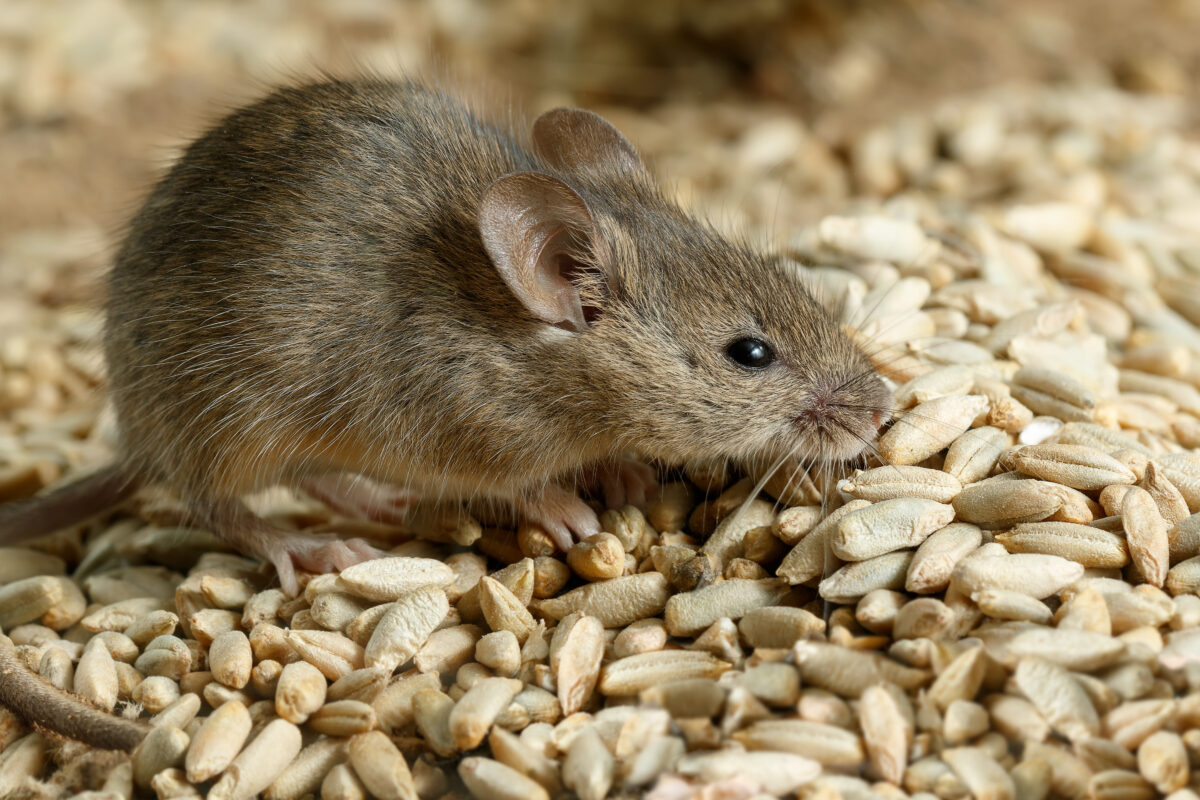
Rodent control becomes an important topic as winter approaches. Late fall is the time of year when mice, squirrels, voles, rats and chipmunks are trying to find a warm place for winter, and your farm buildings make an attractive target.
It’s easy to see why. Barns, sheds, stables, and pole buildings are generally not as well sealed off for rodent prevention—at least, not typically to the extent of a home. So there are more potential cracks, crevices, vents, and open barn door seals for rodents to access. Barns are also full of things that rodents seek out—feed, corn, oats as a food source (either spilled or contained), as well as bedding possibilities like hay, straw, and wood shavings. Finally, the warmth and dryness of these buildings is a big draw.
All of this can actually help you prepare and guard your buildings to help keep rodents outside as much as possible. By anticipating rodent habits, you can make it more difficult for them to move in and cause winter damage. Here are four ways to increase your rodent control on the farm.
1. Trap Mice and Rats Before They Settle In
This isn’t everybody’s favorite job, but setting basic mouse or rat traps in your farm buildings—and checking and resetting them regularly—can actually play a big role in controlling rodents. It doesn’t have to be elaborate. Simply a spoonful of peanut butter on a spring trap placed by a doorway makes a surprisingly effective and low-cost option. Make sure the traps are inaccessible to pets like dogs or cats, and ideally keep them out of the range of non-target animals like birds. If you’re consistent and maintain the traps for several weeks during the fall, you should be able to reduce pest numbers.
2. Rodent Control to Keep Feed Safe from Intruders
There are two elements at play here—protecting your animal feed so that it can’t be contaminated by rodents, and by doing so, you eliminate the attractant for better rodent control. Consider storing feed in airtight containers like galvanized trash cans or food-grade plastic/rubber containers. If these containers can also be in a rodent-proof shed or tack room, even better. Farms with higher feed needs may construct larger, custom, self-contained feeding systems that are efficient and rodent-proof. After this, general tidiness can go a long way towards keeping rodents away. Sweep up spilled feed right away.
3. Winter-Proof Your Barn and Outbuildings
This isn’t always possible—think of something like a three-sided animal shelter or hay storage—but some buildings can definitely benefit from additional winter sealing. This could range from tiny improvements—even worn weather sealing around doors and windows can be an open invitation to critters—to addressing larger issues like literal holes around wall joints, soffit, and siding. An arsenal of caulk, trim, screen, hardware cloth, and similar tools can be used to prevent access through a variety of small spaces.
4. Clear Hiding Spots to Discourage Rodents
Rodents are cautious and reluctant to ever dash across large regions of open space. They want to stealthily creep from one hiding location to another as they seek food and shelter. Rodent control means making your farmyard and your buildings much less attractive to rodents by keeping things clean. Avoid leaving that pile of pallets outside long-term. Try to clean up loose piles of hay, straw, leaves, and similar debris before it creates trouble. Keep the interior walls of your barn clear, so rodents can’t use the edges of the room to creep about.
Rodent Control: Final Thoughts
By taking these steps now—setting traps, protecting feed, securing buildings, and removing rodent hideouts—you can make your farm much less inviting to winter pests. A little preparation in the fall goes a long way toward preventing damage, protecting your feed, and keeping your barns and outbuildings safe all season long. Staying consistent and proactive is the key to keeping rodents outside where they belong.
This article about rodent control in the fall was written for Hobby Farms magazine. Click here to subscribe.
Raising turkeys with chickens is something that many poultry keepers consider. Turkeys have many of the same basic needs that chickens do, which makes adding a small flock of these all-American birds a thriftier choice than adding waterfowl or a herd of mammals.
Before you bring home a bunch of peeping poults, consider these six factors to determine whether turkeys are right for you.
Turkey Varieties for Raising Them with Chickens
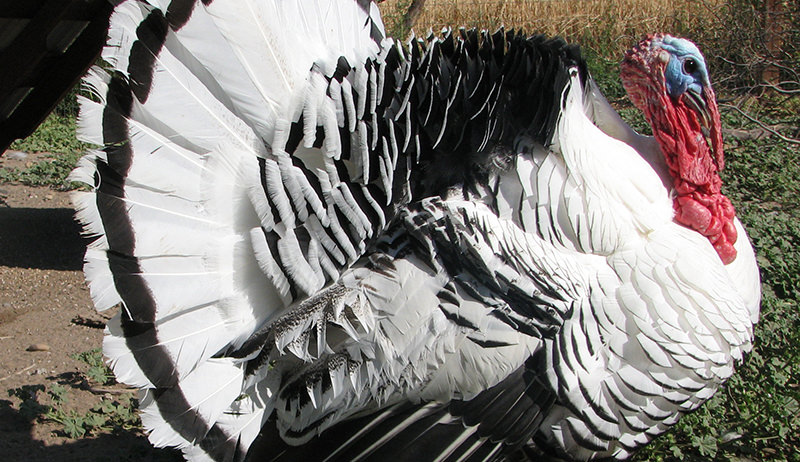
While there are dozens of breeds of domestic chicken, there is basically one breed of domestic turkey, Meleagris gallopavo, a direct descendant of the North American wild turkey. Several commercial and heritage varieties of domestic turkey exist, however. Small-scale farms have had success with such commercial varieties as the Broad-Breasted Bronze and the Broad-Breasted Large White (shown above), both of which grow quickly and have a high breast-meat yield.
The Large White is much more popular than the Bronze because of the Bronze’s dark-colored pin feathers, which sometimes remain on the bird after processing and detract from its appearance.
The American Poultry Association recognizes eight varieties of heritage turkeys, including the White Holland, Bourbon Red (shown below), Narragansett, Black, Slate, Standard Bronze, Beltsville Small White and Royal Palm. These varieties do not have the same feed conversion, growth or body size as the commercial varieties, but they are all stunning in appearance and are ideal for the hobby farmer as they tend to be more ornamental but can also serve dually as a meat bird.
I personally love the gray-blue plumage of the Slate and the contrast of the black bands of feathers against the white found on the Royal Palm.
When raising turkeys with chickens, remember that even small turkey varieties are larger than the largest standard-fowl chicken breeds. Be prepared to provide your turkey flock with roomier housing than what your roosters and hens have.
Each turkey requires approximately six square feet of space from age 2 months to adult. For a flock of six turkeys, a 40-square-foot coop would more than suffice. Because of their larger body mass, turkeys require more ventilation than chickens, especially during the hot summer months. Their greater size and weight also necessitate a sturdier perch than that used by chickens. We use a 2-by-4 with its edges sanded down, and installed 2 to 3 feet off the ground.
Similarly, turkey nest boxes must be large enough to provide turkey hens with the space they need to lay and brood eggs. Our turkey nest box (one per four turkey hens) measures 24 inches high by 18 inches wide by 24 inches deep.
Ranging and Fencing for Flocks Raising Turkeys with Chickens
Turkeys are excellent foragers and happily range freely … and widely. Naturally inquisitive, turkeys tend to wander pretty far, which occasionally leads to lost birds.
If you plan on raising turkeys with chickens free-range, consider either permanent or portable fencing (or both) for your flock. Permanent fencing provides them with a wider range and protection from local predators, while portable fencing allows you to change their paddock on a weekly or biweekly basis, allowing for pasture recovery.
When raising turkeys with chickens, bear in mind that, unlike chickens, turkeys love perching up high—very high. If you have stands of trees within your ranging area, you’ll probably find your flock high up in the branches.
On a similar note, you need fencing that is at least six feet tall. Turkeys that perch high also fly high. I’ve lost count of the number of times we had to search for Henrietta and her daughters, Alexandra and Catherine, in the state forests surrounding our farm. We always found them 10 to 12 feet up a tree we could not climb.
Common Illnesses to Watch for When Raising Turkeys with Chickens
Turkeys are susceptible to many of the same illnesses that can infect chickens, including avian influenza, pullorum, fowl pox and Newcastle. There is one condition, however, that poultry keepers raising chickens with turkeys need to know affects turkeys to a much greater degree: blackhead (Histomoniasis).
This illness affects turkeys of all ages and has an 80 percent to 100 percent mortality rate. Chickens can indeed develop blackhead, but this is rare; the bigger concern is that they serve as hosts for the blackhead parasite.
Because of this, it is strongly recommended that turkeys not be housed in the same coop as chickens or use the same run or paddock.
Laying and Breeding Turkeys
Turkey hens on the whole produce between 70 to 100 eggs in a laying season, which lasts about five to six months annually. Just as with chickens, certain varieties of turkey—the Royal Palm and Narragansett—go broody easily and make great mothers, while others—the Broad-Breasted Bronze and the Broad-Breasted Large White—rarely even mate, much less produce a fertile egg without artificial insemination.
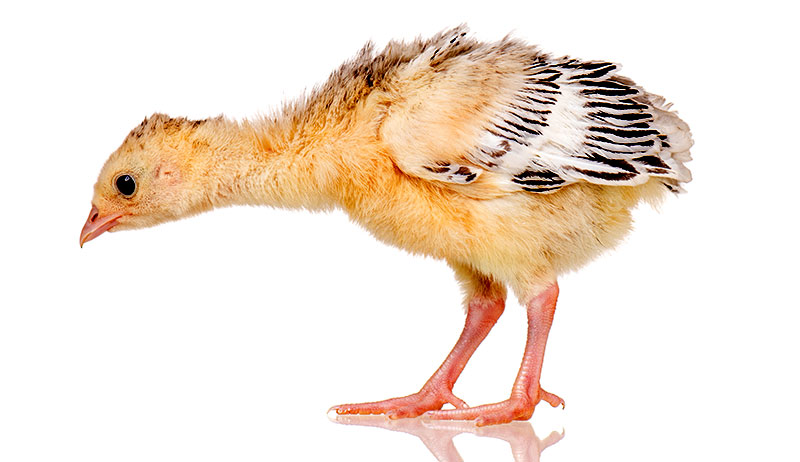
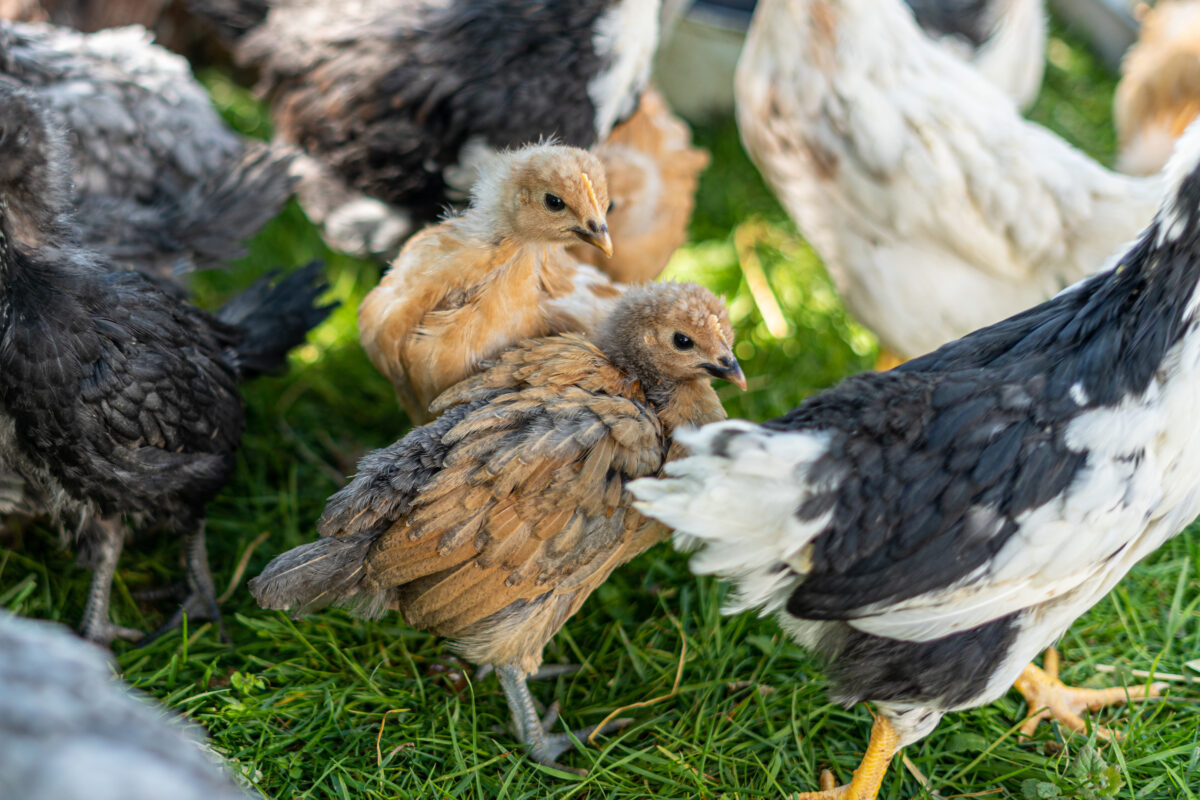
Whether it is gestated by a mother hen or incubated artificially, a turkey egg takes 28 days to hatch. The resulting infant, a poult, resembles a leaner, slightly taller chick, with a blip of flesh (its snood) at the base of its beak.
Shutterstock
Raising Poults Alongside Chickens
If you plan on raising turkeys with chickens from the time they hatch, be aware that poults have a reputation for not being the brightest baby birds around. They eat sawdust and fine shavings, so avoid using these for bedding in your brooder.
Poults need to be placed on their food so that they know where to find it. They need to be shown where their waterer is—and have their beaks dipped into the water so that they know there is actually water. Keep the water level in the saucer should shallow by adding pebbles or marbles, because poults will accidentally drown themselves with a regular water level.
Like baby chicks, they need a nutrient-rich starter, a heated brooder and fine grit to help them get through the first few weeks of life.
This article about raising turkeys with chickens was written for Chickens magazine. Click here to subscribe.
Keeping a closed flock of chickens comes with pros and cons, but for many chicken keepers, it is the best way to prevent disease from entering the coop.
Understanding What is a Closed Flock of Chickens
A closed flock means no adult or adolescent flock members are allowed to enter the coop or property.
While this may sound rather bleak to the backyard chicken enthusiast, many flock owners simply put a ban on adding adult chickens to their already existing flock.
Chicks are the perfect way to expand your closed flock of chickens without needing to worry about the spread of disease. However, care should be taken to avoid introducing vaccinated chicks to an unvaccinated flock and unvaccinated chicks to a vaccinated flock to avoid certain diseases from being spread.
Note: Chicks should be introduced to the flock by hatching your own eggs or by purchasing hatching eggs or baby chicks through a hatchery that supports the National Poultry Improvement Plan (NPIP).
Why Maintain a Closed Flock of Chickens?
A closed flock of chickens helps to reduce the chances of your flock contracting diseases and harmful bacteria from other poultry entering the flock or property.
Tips for Maintaining a Healthy Flock
Keeping a closed flock should involve more than refusing to add adult chickens to your flock. It should also include practicing a few biosecurity tips to keep your flock healthy and free of contagious diseases and pathogens.
As mentioned above, in a closed flock of chickens, no adult or young poultry (with the exception of chicks) should enter the flock or property. In addition, chickens entering the show ring should not be allowed to re-enter the property after visiting a show.
If possible, never visit other poultry flocks, as coming into contact with chickens and other poultry can make your own birds sick. Disease is often spread from flock to flock through a human carrier, so staying clear of other people’s poultry is wise when maintaining a closed flock.
Do’s and Don’ts for Your Flock
Keeping a closed flock of chickens is a practical disease-prevention tip for most backyard flocks. However, there are several things you should or should not do to help make this technique work.
Do’s
When expanding your flock, be sure to acquire chicks or hatching eggs from hatcheries that support the NPIP, as these hatcheries routinely check adult poultry for certain diseases and pathogens to ensure the guaranteed health of the chicks.
Continue to practice good biosecurity tips to keep your flock healthy.
When purchasing chicks, stay clear of birds that appear sick or injured.
Don’ts
Don’t allow your flock to die out. Chickens are flock creatures and need the companionship of another chicken to keep them happy.
Never allow visitors to enter your flock’s enclosure to prevent diseases from being spread via footwear from one flock to another.
Don’t bring home adult chickens. If adult chickens do enter the property, be sure to quarantine them for thirty days before introducing them to the rest of your flock.
Advantages of a Closed Flock of Chickens
There are many benefits to keeping a closed flock. Highly contagious poultry diseases such as avian influenza, Marek’s disease, and coccidiosis are just a few chicken diseases that can be spread by adding adult chickens to your flock.
In a flock of chickens, it’s the smaller, “less harmful” pathogens, such as bacteria, yeast, and parasites, that cause many flock members’ demise after being introduced to a newly acquired adult chicken.
Another consideration is the health of the new chickens in the coop. All chickens, including your own flock, carry a certain amount of bacteria and coccidia in their droppings. These pathogens are not bad in small doses, as your flock has built up an immunity to them. However, a newly acquired adult hen or rooster has not had the ability to build up an immunity to these pathogens, and can become sick or die.
Challenges of Keeping a Closed Flock
Tending to a closed flock is not for everyone, as this practice can have some disadvantages.
For chicken enthusiasts looking to purchase a rare breed or color, acquiring adult stock may be the best way to attain these chickens.
Staying clear of poultry shows and swap meets, and refusing to bring home new stock, may not be something some flock owners want to put into practice.
Another downside to keeping a closed flock of chickens is the inability to rehome chickens in need. For many chicken keepers, being able to adopt a hen or rooster in need is very rewarding.
Keeping a Flock of Chickens Healthy Without Closure
It is possible to keep your flock healthy by practicing good biosecurity if keeping a closed flock is not for you. Examining chickens and other poultry before the time of purchase is necessary to prevent bringing home diseases to your existing flock is a good place to start to keep your flock free of diseases.
Quarantining newly acquired adult and young chickens (excluding chicks) for a minimum of thirty days can go a long way to helping your flock stay healthy.
Final Tips for a Safe and Healthy Flock
Keeping a closed flock is a practical and inexpensive way to maintain the spread of disease in backyard flocks. Whether you raise your chickens for pleasure or purpose, this practice will help to ensure your flock stays happy and healthy.
How long do chickens lay eggs? The answer to this common question varies based on the health of the hen, genetics, breed, and even stress levels in the coop. Knowing what breeds to choose, managing stress and boosting egg production through nutrition can help hens produce more eggs for a longer period of time.
Annual Egg Production: How Long Do Chickens Lay Eggs
Novice chicken owners may be surprised to learn that chickens do not lay year-round. When a pullet reaches maturity and produces her first egg, she will lay throughout the entire year until the start of the autumn molt. (about the age of eighteen months).
After molting, hens spend the winter months recovering from the wear and tear of the previous egg-laying season. In all but the most northern regions, laying hens resume egg production in late winter or early spring.
When averaging how long do chickens lay eggs annually, a reasonable expectation is about seven to eight months per calendar year.
Dual-Purpose Hens and Extended Egg Laying
How long do chickens lay eggs can vary since not all breeds are created equal. If looking for a chicken to lay an abundance of eggs for several years, choosing a laying breed is essential. Egg-laying breeds fall into two categories: high production layers and dual-purpose chickens.
High production breeds, such as sex links (Golden Comets) and Leghorns, lay an outstanding number of eggs for two years before production drastically declines. Though rare, some sex link hens have been reported to consistently lay eggs until the age of five, and some can lay for even longer.
During the peak of their production, these hens can put out three hundred eggs annually, and will easily outlay all your other chickens. However, their short laying seasons can be a disadvantage to flock owners looking for longer production.
Dual-purpose breeds consistently produce fewer eggs than high-production hens (about two hundred to two hundred and fifty eggs annually per hen). While these hens lay fewer eggs, they tend to lay for more years, creating a more even flow of eggs for a longer period of time.
While all these breeds are excellent layers, Sussex and Plymouth Rocks are especially known for their longevity in egg production. Exceptional egg layers, these two heritage breeds consistently produce medium-sized brown eggs for the first four years of their lives, before egg production begins to drop off.
Keep in mind, chickens are individuals, so some hens may outlay expected numbers while others can produce significantly less than average production.
Mixing high-production breeds with dual-purpose chickens is a good way to help balance out a good flow of eggs consistently for several years without needing to add more hens to the coop each spring.
Egg Count Over a Hen’s Lifetime
The number of eggs a hen lays throughout the course of her life can vary, but a typical backyard hen should produce an average of six hundred to one thousand eggs over the course of her life.
Stress and Its Impact on How Long Chickens Lay Eggs
How long do chickens lay eggs will also depend on their environment. Is your henhouse a place of bliss? Or are chickens squabbling over the right to use the nesting boxes? Do predators frequently prey on your flock, whether in the coop or free-ranging in the backyard?
These questions may not seem like they would contribute to a chicken’s production, but high stress levels can cause egg laying to slow down or even cease.
Keep your flock happy and laying by providing plenty of nesting boxes and space in the coop and run for chickens to move about. Avoid housing aggressive breeds/chickens with easily bullied hens to help lower stress levels.
Last but not least, house chickens in a completely predator-proofed coop and run to prevent predator attacks from occurring in your backyard flock.
Chickens can become stressed for many reasons. Spending some time observing your flock will help you notice problems that arise and allow you to resolve stress factors more quickly.
Nutrition Tips for Hens to Maximize Egg Laying
Chickens are what they eat, so it’s little wonder that a chicken eating a healthy diet is more likely to outproduce a chicken eating foods with little nutrition. How long do chickens lay eggs is greatly affected by diet, so here are a few helpful hints to feed your flock for healthier, more abundant eggs.
Feeding for Longevity: How Long Do Chickens Lay Eggs
Probiotics work to keep your chicken’s gut and immune system healthy. Without poultry-specific probiotics, bad organisms can enter a chicken’s body, causing sickness and a decrease in egg production.
Prebiotics work to feed the probiotics and are a necessary part of a chicken’s diet. These two supplements work together to keep a chicken’s body healthy and in prime condition for egg laying.
Herbs That Support Long-Term Egg Laying
Many culinary herbs are chicken-safe and help reduce inflammation throughout the body, including the reproductive tract.
When left untreated, this inflammation can cause reproductive tumors and cancer. These medical conditions not only affect how long do chickens lay eggs, but they will also shorten a hen’s life.
Treats and Their Effect on How Long Hens Lay Eggs
The perfect treat during the winter months, scratch can cause as much harm as it can good. High in fats, calories, and carbohydrates, scratch can cause fat buildup around a laying hen’s organs.
As more fat accumulates, the hen’s body begins to weaken, and egg production ceases. Unlike humans, a chicken’s body can not lose the excess weight around their organs, so the best treatment for this diagnosis is prevention.
Did You Know? If a chicken’s body does not receive enough nutrition, she will withhold certain nutrients from her eggs. While this is vital for the hen’s existence, it’s bad news for the consumer eating eggs with less nutritional value.
Final Thoughts on How Long Chickens Lay Eggs
How long do chickens lay eggs varies for each hen, but with proper nutrition, reduced stress levels, and selecting long-laying breeds, filling your egg basket for several years without needing to replace your layers is possible.
This article about how long do chickens lay eggs was written for Hobby Farms and Chickens magazines. Click here to subscribe.
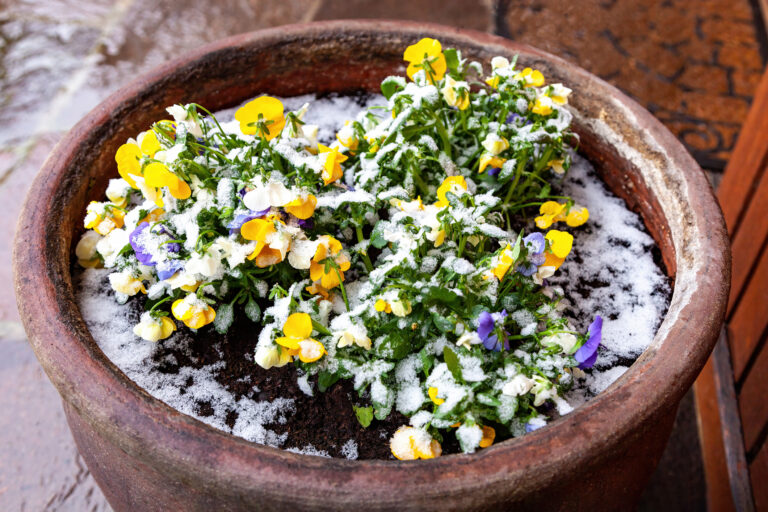
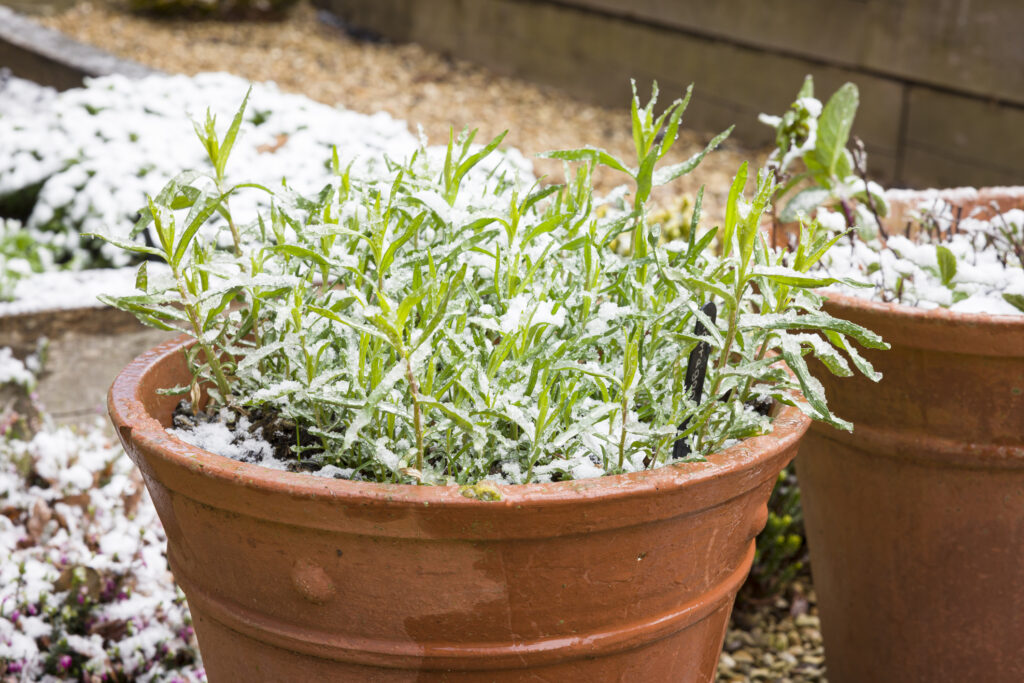
Pansy flowers in a ceramic pot covered with snow outdoors
The cold has arrived. As gardeners, we find ourselves longing for spring, when our gardens come back to life and we can spend time outside. It’s tempting to believe we can’t plant anything now, but there is a way to plant seeds for next spring. Winter sowing is a type of planting that involves planting seeds outdoors in winter. It sounds too easy, but it works! Many hardy annuals and perennials can be sown in winter to give plants a head start in spring.
What is Winter Sowing?
To answer this question, we’ll look at the basics of seed physiology. Many seeds require a period of cold and moist conditions to grow. The plants we observe in nature often have this requirement. This process is known as stratification. Plants typically form their seeds during late summer. These seeds fall to the ground and wait to grow. If those seeds germinate in the fall, they would be too weak to survive the winter cold. Stratification protects the seed, allowing it to germinate in spring when conditions are suitable for growth. Winter sowing involves planting seeds outdoors in a container during winter. This process allows the seeds to experience cold weather and germinate in spring.
Benefits of Winter Sowing
This planting method protects your seeds from animals and harsh weather conditions. You can scatter seeds in your garden during winter, but they will be at risk for several problems. Animals can eat them, rain can wash the seeds away, or winter winds may dry them out. Containers protect the seeds while giving them the proper cold treatment. Planting the seeds in containers allows the plants to harden off and stay compact naturally. Gardeners typically use milk jugs for winter sowing.
What Can I Winter Sow?
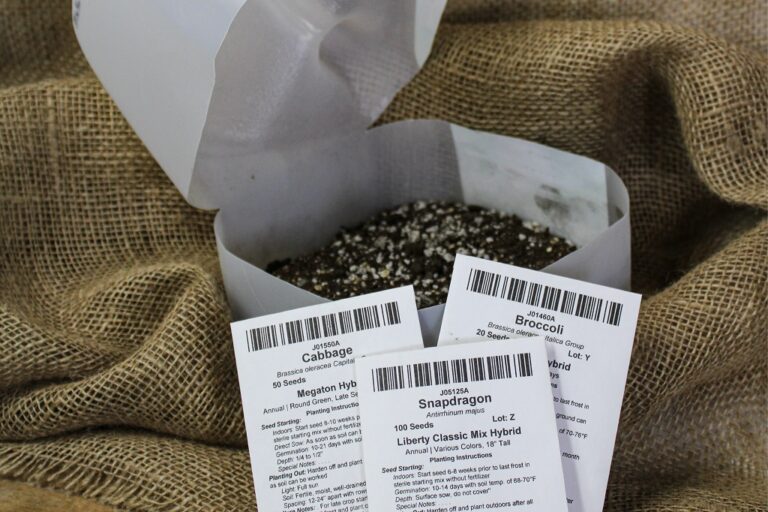
You can sow a variety of annuals and perennials using this method. Seed packets can provide information on germination requirements. For annuals, you’ll want to plant hardy species that tolerate frost. A few examples are sweet alyssum,pansies, and petunias. As you read the seed packets, you may see terms like reseeds or self-sows. Some annuals, like sweet alyssum, regularly self-seed in the garden, a sign they can be winter sown. Annuals prone to frost damage can be winter sown but should be planted later than hardier annuals. Many tropical annuals require warm soil and weather to germinate, making it better to start them in a home or greenhouse. A few examples are annual geraniums,impatiens, and coleus. Hardy perennials often have a cold requirement, making them an excellent choice for winter sowing. The seed packet will give you insight into their germination requirements.
When Should I Winter Sow?
As the name suggests, winter is ideal, but the exact timing will vary for different plants. Perennials and hardy annuals can be winter sown from December to March. Tender plants, like veggies and some annuals, should be sown in March or April after the threat of extreme cold has passed. Tender plants don’t require a cold treatment for germination.
Sowing The Seed
Winter sowing is a simple process and only requires a few materials. Here are the steps to successfully plant your seeds.
Step By Step Instructions For Sowing Seeds
Find a clean container- A milk jug is ideal, but you can use other containers too.
Cut the container- If using a milk jug, insert a serrated knifeabout 1.5 inches under the handle and work around the container, but don’t cut the hinge point under the handle. This cutting method allows you to open and close the container while keeping it in one piece. Marking the cut line is recommended before you start cutting.
Create drainage holes- Poke several holes in the bottom of the container to allow water and airflow. A milk jug will require a few holes toward the top for airflow and to avoid overheating on warmer days.
Add soil- Put a 2-4″ layer of seed starting potting mix in the container. Soil from the garden is unsuitable as it creates drainage issues and may contain weed seeds.
Moisten Soil- Add water to the mix to lightly moisten the soil and allow excess water to drain. Remember, you want the soil to be moist, not wet and soggy.
Sow the seeds- Sprinkle them on the soil and cover them with a thin new layer of soil. Read the seed packet to determine the proper planting depth for different seeds. Gently press the soil down to ensure the seed has firm contact with the soil.
Seal the Container- Use tape to seal the cut edges of the container. The container top should be left open to allow airflow and moisture for the seeds.
Label the Container- Use a plant label to record the type of seed and planting date. Tags will help you keep track of each plant and let you evaluate the results to prepare for next year.
Place the Containers outside- Find a sunny spot for your containers and leave them alone until spring. Make sure they’re in a location that receives rain and snow. If you live somewhere windy, consider using a milk crate to hold the containers in place. Return in spring to see the results!
Observe Seedling growth- Keep an eye on the emerging seedlings to ensure they have enough moisture and ventilation. You may need to open the container on warm days to avoid overheating the seedlings. Just make sure to close the container at night. Eventually, the seedlings can be separated and planted in the garden.
Plants To Consider
Here are some common plants to consider for winter sowing.
Note: This list is only a few plants suitable for winter sowing.
Winter sowing teaches us about seed germination while having fun in the process. You can use this activity tointroduce kids to gardeningtoo! As you plan for next year, consider sowing your seeds in winter to get a running start in spring.
At Jung Seed Co, we strive to be your go-to guide for all your gardening needs. Our YouTube channel,The Garden Doctor by Dick Zondag, is where he provides gardening tips for all levels of gardeners. When you need reliable gardening advice, turn to the trusted experts at Jung.
View our new catalog onlineor browseour website for your gardening favorites. Sign up forour weekly emailto receive info on new products, exclusive deals, and specials. Join our Facebook pageto discuss all things gardening!
About the Author: Matthew Olson is a professional horticulturist and garden writer. He has a bachelor’sdegree in horticulture from UW-River Falls and is a certified professional with the Minnesota Nursery and Landscape Association. His enthusiasm for plants and the outdoors brought him to the green industry. He regularly writes articles about gardening for both gardeners and industry professionals. He can be reached at matt@mattolsonhorticulture.com.
Aronia berry is a little-known native fruit that deserves a spot on your Thanksgiving table. Often called black chokeberry, this humble shrub produces glossy black fruits packed with antioxidants, vitamins, and flavor. While it may grow unnoticed along hedgerows in the Midwest, its health benefits and culinary versatility make it a perfect addition to your holiday dishes, from sauces to baked goods.
What Is the Aronia Berry?
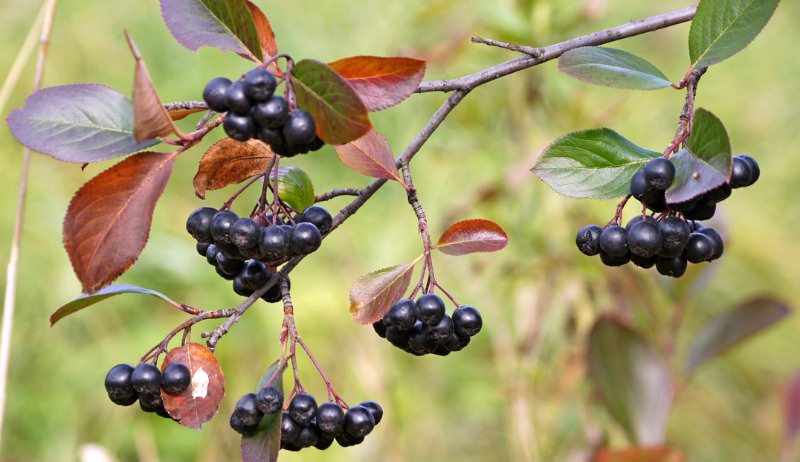
The aronia berry is a “trash tree” in the Midwest. It grows in hedgerows and goes virtually unnoticed. It’s often called black chokeberry. They’re often used by landscapers as ornamentals. In the spring, you’ll see them decorated with beautiful white flowers, which are then followed by dark, black berries. Finally, the shrub puts on a fall display of deep rust-colored leaves that is not to be missed.
Health Benefits
Aronia berry has three to four times the antioxidant content of blueberry, goji or pomegranate. It’s currently being studied for its beneficial effect on the cardiovascular system (blood pressure, cholesterol levels, heart attack prevention and recovery), the digestive system, the urinary tract (even better for UTIs than cranberry) and even cancer. Specifically, it is being tested against breast and colon cancer. In laboratory environments, it’s been shown to kill colon cancer cells with no damage to surrounding tissue. Very exciting stuff!
Aronia berry, aka chokeberry, is high in pectin. The first settlers added it to other fruits for a natural set for jams and jellies. It’s not likely that the chokeberry was at the first Thanksgiving, but that shouldn’t stop you from using it if it’s native to your area.
Growing and Harvesting Aronia Berry
Aronia grows very well in Midwestern soils. It’s a medium-sized shrub that tends to spread in clusters. The fruit is ready to pick in the fall, and it’s a real battle to get it before the birds do, so you might consider covering it with netting. It likes full sun and will perform very well year after year with very little input from you, the grower.
Using Aronia Berry in Thanksgiving Recipes
Aronia berries are versatile and can add a unique, tangy flavor to your Thanksgiving table. Here are some ideas to inspire your holiday menu:
Aronia Cranberry Sauce: Combine aronia berries with traditional cranberries for a naturally sweet and tart sauce. Add a touch of orange zest or cinnamon for extra warmth.
Holiday Baked Goods: Use aronia berries in pies, tarts, muffins, or quick breads. Their high pectin content helps jams and preserves set naturally.
Stuffing or Grain Salads: Toss dried aronia berries into cornbread stuffing, wild rice, or quinoa salads for color, texture, and a subtle tartness.
Festive Drinks: Make a warm aronia punch, add aronia juice to sparkling water, or create a spiced cocktail for a seasonal beverage.
Garnishes: Fresh or dried aronia berries can decorate desserts, cheese boards, or roasted vegetables, adding both color and a nutrient boost.
Aronia berries are at their peak in the fall, perfectly timed for Thanksgiving preparations. If fresh berries aren’t available, frozen aronia or aronia juice works beautifully in most recipes, making it easy to include this native superfood on your holiday table.
Including aronia berries on your Thanksgiving table is a simple way to celebrate a native, nutrient-packed fruit. Whether you use them fresh, frozen, or as juice, their unique flavor enhances sauces, baked goods, and drinks alike. Next year, consider planting your own aronia berry shrub and enjoy the satisfaction of serving a local superfood that’s good for both your family and the environment.
This article about the aronia berry was written for Hobby Farms magazine. Click here to subscribe.