Categories
Crops & Gardening

Pine Trees: An Overlooked Herbal Remedy

For the past week, my family has been making good on a resolution to take a family walk each day. It’s hard to imagine finding anything useful as an herbal medicine still growing in the winter landscape, but we find surprises when we expand our usual definition of a remedy.

The one thing in the landscape that is still green and soft are our pines. I make it a point to visit them every day just to hear the wind shushing through their needles. It’s one of my favorite spots on our property, and as I searched my mind for what to write about this week, I found myself staring out the back patio doors at those trees.

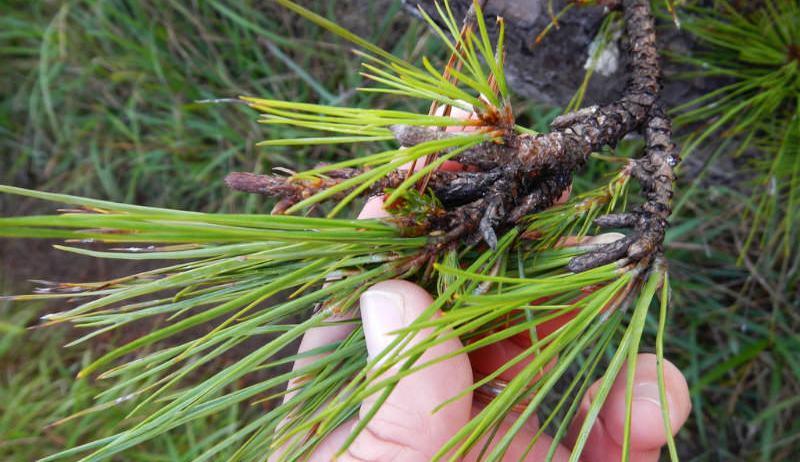
I think many of us overlook the pine tree (Pinus spp.) when looking for healing—some people overlook trees in general. The pine tree’s leaves aren’t the traditional shape for an “herb.” Nevertheless, it’s a medicinal plant with a long history.

Pine, known for its volatile oil, is most often used as an essential oil for external applications, though Hippocrates and Pliny write of using pine needles for many ailments. You may find them helpful for arthritis and gout, and a handful of the leaves added to a bath might be just the thing to help sooth sore muscles or relieve cold congestion.

Turpentine and Pine

For years, as I’ve stood behind our farmers’ market table, I’ve heard people tell me that their older family members routinely used turpentine as a medicine. I puzzled over this until I decided to track down turpentine’s origin. It turns out it’s a pine-tree product and isn’t as dangerous as it sounds. This is an example of why we should never discount folk medicine. At the base of many of these old medicine ways is a bit of science waiting to be discovered.

Turpentine is a solvent used in paint and varnish, hence my assumption that it was a chemical product. The truth is that it’s more like an essential oil, extracted through steam distillation of pine resin. The resulting product is slightly different than the essential oil, which is a tad less concentrated. Turpentine has been used topically in folkloric medicine for lice, cuts and congestion. It has even been used internally for worms, though internal use is no longer common. There’s also a long history of using turpentine to treat sore joints and chest congestion in both humans and animals.

Using Our Pine Needles

My husband is suffering with a sore shoulder, so it’s no coincidence that that tree caught my eye this week. I’m going to pour a hot bath for him tonight and fill a muslin bag (an old, clean sock works, as well) with a few healthy handfuls of pine needles. I think I’ll tell him he’s going to take a turpentine bath … that ought to freak him out.

Categories
Urban Farming

Orange Salsa

Orange Salsa - Photo by Judith Hausman (UrbanFarmOnline.com)

Citrus abounds in winter. Fragrant Meyer lemons weigh down California trees, and tangerines and grapefruits swell in Florida’s groves this time of year. Even if they aren’t local in your area, they are some of the freshest fruits available on grocery store shelves. I used a variety of citrus treasures in place of tomatoes to make a quick salsa and bring a little of that sunny imagery to my winter table. The sweet tang of oranges pairs so well with herbs and chilies to brighten winter fish or balance winter stews.

I especially like this salsa partnered with Moroccan seasonings like cumin and cinnamon. For a cozy main dish, serve it alongside braised chicken with olives or slow-cooked lamb. For a lighter dinner, simply spoon the salsa on top of broiled or grilled fish or shrimp.

If I were planning a special meal, I might take the time to prepare the fruit by cutting each section out of its outer skin. For a family and friends meal though, I simply peel the fruit and chop it as I would for tomato salsa, removing as many seeds as is practical. I used the parsley I have growing inside and a little lemongrass, but cilantro, of course, is the classic herb for salsa. Adjust the heat to the level you enjoy, a half jalapeño or tabasco pepper from my frozen supply is what I use.

Add lime juice if you feel the oranges you’ve used are too sweet. It’s avocado season, too, so you might add a chopped ripe avocado to the salsa. The color combination would be beautiful.

Yield: about 1 cup

Ingredients

  • 3 small oranges of any kind (navel, tangelo, blood oranges, tangerines or clementines)
  • 1/2 cup fresh parsley
  • cilantro to taste
  • lemongrass to taste (Use soft inside only.)
  • 3 T. olive oil 2 cloves garlic
  • 1/2 tsp. jalapeño or other hot pepper (or to taste)
  • lime juice, to taste
  • salt, to taste

Preparation

Peel oranges, retaining juice and removing seeds. Chop briefly in food processor or by hand, and pour into small bowl. In processor, roughly pulse all other ingredients. Gently toss oranges with herb mix. Allow to mellow for at least an hour. Serve at room temperature.

Read more of The Hungry Locavore »


Categories
Farm Management

8 Types of Homemade Items You Can Potentially Sell at a Farmers Market

Opportunities for hobby farmers and other small-scale growers to sell at farmers markets are available year-round in much of the country. During colder months when sales are slower, some farmers sell early greens or produce grown in greenhouses. If you choose this approach or even if you follow a more traditional growing schedule, you can sell many items at farmers markets before your main crops are ready to harvest.

A farmer needn’t sell a wide variety of products to succeed in the off-season. In fact, becoming known for a handful of items you produce or collect can be a successful strategy. Consider things you already make well and those you enjoy making. Are your pies, cookies or cake pops legendary in your family? Do you have bees and a surplus of beeswax that’s ready for a project? Do you possess quilting, wood-carving or needlework skills? Maximize such abilities. Dark, cold winter nights when holiday commitments have passed and the garden doesn’t need weeding are ideal times to work on products for the farmers market. Here are lists in eight categories of homemade items you can sell.

1. Homemade Bath & Beauty Products

  • Beeswax Lip Balm
  • Herbed Soaps
  • Goat Milk
  • Oatmeal
  • Bath Salt
  • Sugar Scrubs
  • Hand Creams
  • Natural Deodorants
homemade soap farmers market
Onuva Chowdhury/Flickr

2. Crafts & Handmade Items

  • Aprons
  • Quilts
  • Baby Items
  • Doll Clothes
  • Hand-painted Nativities
  • Christmas Ornaments
  • Hand-carved Spoons & Honey Dippers
  • Pottery
  • Needlework on Pillow Cases
  • Potholders

3. Baked Goods

  • Breads
  • Cookies
  • Cupcakes
  • Brownies
  • Specialty/Regional Items
  • Suckers
  • Cake Pops
  • Fudge
  • Homemade Candies & Caramel
  • Caramel & Candied Apples
jams pear butter farmers market
Alice Henneman/Flickr

4. Home-Canned Goods

  • Jams
  • Jellies
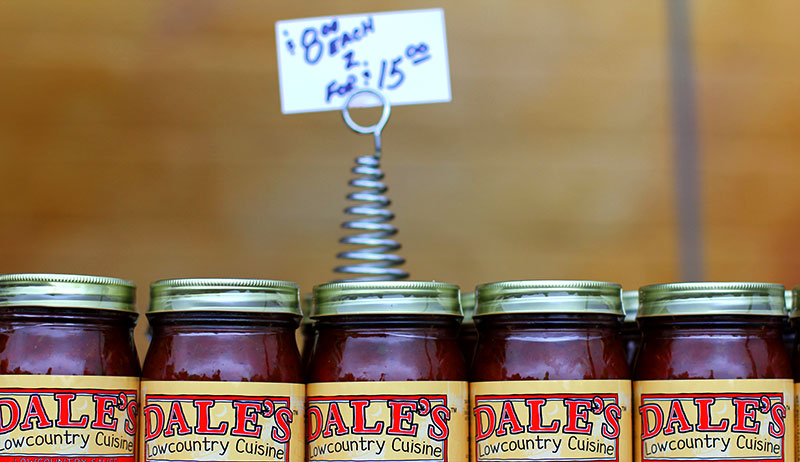
  • Salsa
  • Fruits
  • Vegetables
  • Sauerkraut
  • Relishes

5. Resale Items (New or Vintage)

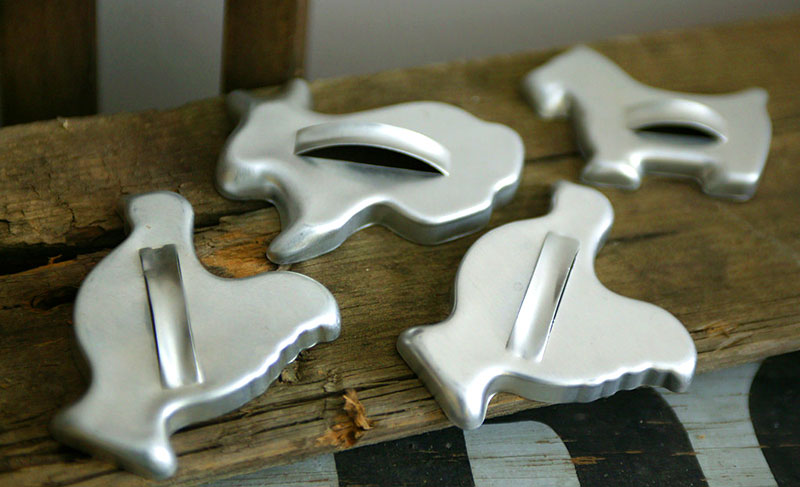
  • Cookie Cutters
  • Vintage Glass Rolling Pins
  • Marbles
  • Other Market Items That Fit Your Brand & Niche (Check with your market to make sure it allows resale items.)
cookie cutters
Jonnie Andersen/Flickr

6. Made-to-Order Food

  • Doughnuts
  • Fresh Lemonade
  • Fresh Juices
  • Smoothies
  • Homemade Ice Cream
  • Crepes
  • Tacos
  • Any Number of Foods on a Stick
  • Popcorn or Kettle Corn

7. Gourmet Dog Biscuits

  • Peanut Butter
  • Bacon
  • Sweet Potato & Pumpkin

8. Garden-Starter Supplies

  • Baskets
  • Vegetable Cages
  • Starting Trays
  • Stakes
  • Bulbs
  • Seed Potatoes
  • Unusual Varieties of Starts

Tips for Success

Once you know what you want to make and sell, your success depends on the execution of your plan and the presentation of your products at your farmers market booth. Here are some lessons I’ve learned.

1. Dependability

I find it important having several regular items, such as chocolate chip cookies and my made-to-order fresh lemonade, that customers can depend on getting each week. However, I’ve also noticed that customers like to shop and to see new things. I’ll occasionally offer a new baked good or different flavors of lemonade. (Strawberry rhubarb lemonade was a huge hit early in the spring while strawberries and rhubarb were in season locally.) Even though my produce changes with the seasons, my customers have come to know me for my lemonade and cookies.

2. Packaging

No matter what you sell, be sure the price is obvious. If you sell small items, put them in a nice basket or vintage enamelware bowl with a small sign attached. Poster boards and large chalkboards can work for a few things, but place pricing as close to the product as possible. Include important information such as what’s in the product (or what’s not in it), when was it made, your logo/farm name and care instructions. Offer business cards for people who want a way to remember your products or recommend them to others.

3. Rules & Regulations

Many states have specific rules and regulations when it comes to selling homemade foods and products, so don’t assume you can set up a booth and sell whatever you make. You must comply with your state laws as well as the rules of the farmers market where you want to sell. Contact the market ahead of time for its guidelines, and look up your state regulations online. Utah’s requirements are found in the document called Outdoor Market Requirements produced by the Utah Department of Agriculture and Food. Your state’s rules are probably called something similar. When doing online research, get information from an official government site.

Depending on what you plan to sell, you might also have to look up additional details for the following areas:

  • If you want to sell food products made at home, what’s required for you to establish a legal cottage kitchen?
  • Do you need to obtain a food handler’s permit for foods prepared on site?
  • What does your state require for selling cosmetics such as lip balm or deodorant?

Doing your research will not only keep your customers safe, it will keep your business safe as well.

Categories
News

Today’s Lunch Special: Chicken Sans Antibiotics

Cafeteria Special: Chicken Sans Antibiotics - Photo by USDA/Flickr (HobbyFarms.com)

More than 469 million lunches are served each year in the six city school districts served by the Urban School Food Alliance, a coalition that shares best food-purchasing practices in order to improve the quality of school lunches and keep costs low. USFA members—including the school districts of New York City, Los Angeles, Chicago, Miami-Dade, Dallas and Orlando—purchase more than $550 million in food and supplies annually, so when it announced at the end of last year that it planned to cease serving chicken raised with antibiotics, meat producers had no choice but to take notice.

The full spectrum of USFA’s chicken-procurement guidelines include:

That last one—no antibiotics ever—is a difficult one for me. I am 100 percent for eliminating the use of subtherapeutic antibiotics, but to say you’ll never eat meat from an animal that has been given antibiotics is either encouraging producers to not treat sick animals with antibiotics or it’s creating a great waste stream of animals that have been properly administered antibiotics as part of treating an illness. But given the choice between having chicken that has been given subtherapeutic antibiotics and chicken without antibiotics at all, I’ll take the chicken that has never been given antibiotics. USFA’s move communicates that these food providers feel chicken raised with antibiotics are not the best choice for their students.

Poultry Producers Say:

Just like it would be unreasonable to think California’s egg producers could have reconfigured the sizes of their cages and layouts of their barns to meet the new California egg law at the drop of a hat, chicken-meat producers also need time to adjust to the USFA no-antibiotics edict. While producers are working on figuring out what the heck to do with their chicken-feeding scheme, USFA will accept a written plan outlining their transition.

The National Chicken Council says “antibiotic-free” chicken meat is all that’s available on the market because antibiotics aren’t actually found in the meat. This is a good point but completely glosses over the idea that antibiotic overuse in animal agriculture is contributing to antibiotic resistance in human medicine, even if there’s no drug residue in the meat.

Producers also point out that poultry raised without subtherapeutic antibiotics is more expensive, as there’s a greater chance of bird illness and death and birds not given the feed additive grow slower.

Fast Food Says:

It’s not just lunch ladies demanding change in animal antibiotic use. When you’re dining out, it’s easy to ask your favorite local-restaurant chef about where he sources meats. When making choices in restaurant chains, your choices can be trickier, but a few fast-food chains have also made headlines for forgoing antibiotics in their meats:

  • Almost a year ago, Chick-Fil-A said it would switch to chicken raised without antibiotics within five years.
  • Panera Bread has been serving antibiotic free chicken, roasted turkey, ham and sausage in salads and sandwiches since 2004.
  • BurgerFi hamburger is sourced from Angus cattle raised without antibiotics.
  • Chicken and pork from Chipotle is sourced from sources that don’t feed antibiotics.

Injecting Your Opinion

If you have a child in one of these school districts—or if you attend one of these school districts yourself—I’d like to know your thoughts about this switch to keeping (poultry) drugs out of schools! Please leave a comment below.

If you’d like your school district to consider changing the way it sources poultry for school meals, share with its leaders the School Food FOCUS-Pew Charitable Trusts website and the National Resources Defense Council case study about antibiotic use in poultry.

« More The News Hog »

Categories
Recipes

Sugar-Free Marshmallows Kids Can Make

Sugar-free marshmallows have quickly become one of our favorite treats to make at home. They’re simple, require only a few ingredients and are wicked cool to brag about. “Yeah, I totally just made a batch of marshmallows for s’mores tonight.” That kind of thing.

One of the great parts about learning to make your own sweet treats is that you can control the ingredients. Store-bought marshmallows can have ingredients like corn syrup (yuck), dextrose (double yuck) and tetrasodium pyrophosphate (what is that?!) and any number of colorings. Do the whole family a favor: Learn how to make your own sugar-free marshmallows and make your dessert a little bit healthier.

The Sweet in Sugar-Free

When I say “sugar-free marshmallows,” what I mean is this recipe is totally devoid of white sugar and raw granulated sugar. Instead, they’re made with raw honey. Although, you end up heating the honey high enough to pasteurize it, it’s a big step above the white sugar you’ll find in the store. Try to find honey harvested in your area, so your marshmallows will be local, too!

On that note, have you ever thought of beekeeping so you can have honey in your own backyard? At my house, even the 6-year-old helps out with the bees, so don’t think you’re too young (or too old or too cool or too whatever) to get into beekeeping.

When you go to buy your local honey for this recipe, take a minute to talk to the beekeeper who’s selling it to you. Find out why they do what they do. Ask how often they get stung—it’s always a fun question! See if they might know of a good place for you and your kids to take a class in beekeeping.

Recipe: Honey Marshmallows

Alright, enough of my bee preaching—onto the recipe! A word of caution: Making these marshmallows involves heating honey to a very high temperature, so it’s a good idea that the kids in charge of making these have adult supervision. Plus, it helps to have an extra pair of hands and an extra set of eyes on the thermometer.

Ingredients

  • 1/4 cup organic gelatin
  • 1 cup cold, filtered water
  • 2 cups good-quality honey
  • 1/4 tsp. sea salt
  • 1 tsp. vanilla
  • butter

Preparation

Cover an 8½-by-11 casserole dish with parchment paper, allowing the paper to hang over the sides as “handles” so you can lift out your marshmallows. Grease the parchment paper with butter. Set up your stand mixer with the whisk attachment.

Pour the gelatin and 1/2 cup water into the bowl of your mixer. (If using a hand mixer, any bowl will do.) The gelatin will absorb the water and poof up a bit; this is called “blooming.”

Add the honey and salt into a medium-sized stockpot. Attach a candy thermometer to the side, or have a candy thermometer at the ready to dip into the honey every few minutes while heating.

Over medium heat, heat the honey to 240 degrees F—the soft-ball stage—making sure to stir constantly. This can take awhile, so be patient and keep stirring.

Once you’ve reached a soft ball, immediately remove the pan from heat and stir the vanilla in quickly. Continue mixing as you slowly add the honey into the gelatin in a slow, steady stream. Allow one of the kids to scrape every last drop from the pot with a silicone scraper as you continue to mix.

When everything is combined, turn your mixer to high and whip. Once the mixture has turned white, fluffy and glossy (this can take from 8 to 20 minutes), turn all of it out onto the parchment paper. Let it set up in a cool place with good air flow for at least 6 hours, but overnight is better; the longer it sits, the dryer the marshmallows will become. After they’ve set up, pull the parchment paper out of the pan, and use a pizza roller to slice your marshmallows into whatever size you desire.

Tips for Success

Sugar-Free Marshmallows Kids Can Make - Photo by Tessa Zundel (HobbyFarms.com)

  • Gather all your equipment and supplies first and put them out in front of you, where they’re easy to reach.
  • If you have a collar for your mixer or some way to cover up the top of your bowl while it whips your glop into marshmallow, do it. That stuff goes everywhere.
  • We turned the last batch of honey marshmallows into mini marshmallows by cutting them super small. We added cookie to the bottom of each serving dish and drizzled the marshmallows with melted chocolate. So much joy!
  • Right before Thanksgiving, we tried pumpkin marshmallows—pure delight!. Even just sprinkling some chocolate chips on top can turn them into a gourmet treat. Start experimenting with your own flavors and let us know what you come up with.
  • As you work tirelessly in the kitchen on your masterpieces, remember that the honey is going to harden and become nearly impossible to clean off once it sets up. Rinse your pans in hot water while the honey is still warm for quick cleanup.
Find more kid-friendly projects on HobbyFarms.com:

Categories
Equipment

7 Steps to Repair Wooden-Handled Tools

Winter is the perfect season to evaluate the status of your favorite wooden-handled garden tools, including trowels, hoes and shovels. If the handle is split, has been misused or no longer fits the tool head, it’s time to replace that tool. Pete Cecil, a blacksmith and historic preservation carpenter based in Oregon, offers the following steps for replacing a tool’s wooden handle.

Step 1

When a handle needs to be replaced, cut off the original handle, flush to the tool head. Then using a 1/4-inch drill bit, drill out a core where you can use a punch to remove what’s left. “The worst thing I’ve seen people do is throw the tool head in a fire to burn out the remaining wood,” Cecil says. “This ruins the temper on the tool itself.”

Step 2

After removing the damaged handle, select a new wooden one;these can typically be found at a hardware store. Handles are often made of hickory or ash, either as raw wood or with a shellac surface. Cecil prefers the raw ash handles, noting the wood is more flexible, easier to work with and has a nicer feel in the hands. If a shellac version is your only option, you can sand off the coating, first using 80-grit sandpaper and finishing with a 100-grit sandpaper to achieve smoothness for comfortable use.

Step 3

Use a 4-in-1 rasp to shape the handle so it fits nicely in the hole at the head of the tool. You may have to go over it with the rasp a few times to get a snug fit.

Step 4

Begin with the tool head and handle face-up on the workbench. Using a wooden mallet, tap the bottom of the handle to seat it in the tool head, using the the weight of the tool to help it fit. “I prefer seating the handle with a wooden mallet because it won’t mar the handle like a metal mallet will,” Cecil says.

Sometimes seating the new handle in the tool head may take more than one try, he notes. If the handle has a spot that’s too tight, remove it from the tool head and use the rasp to file it down a bit more. You can get the tool head off by using the handle’s weight and gravity to loosen and remove it.

Step 5

Handles have a small slot at the head end specifically designed for a wooden wedge. Drive a wooden wedge in to expand the handle a little bit, keeping the head in place. For some tools, there’s also a small metal wedge that goes into the wooden wedge to expand it even more. Install the metal wedge parallel to the wooden wedge; if put in at a 90-degree angle, it can split the new handle.

Step 6

After inserting the wooden wedge, use a fine saw to trim away any wood that overlaps from the handle beyond the tool head.

Step 7

After the tool is completely reassembled, treat the new wooden handle with boiled linseed oil. (Avoid using raw oil, as it will take months to dry.) Cecil suggests warming the handle first by rubbing it with a rag. Friction between the rag and wood creates warmth that will allow the linseed oil to absorb more easily into the wood.

A word of caution: “Rags that have been used with boiled linseed oil are combustible,” Cecil says. “They should not be left in a pail or contained space. I let mine dry out on the gravel in the drive outside the shop.”

Wooden-Handle Upkeep

For wooden handles that are still sturdy but simply showing their age with general wear and tear, some TLC will make them last for several more seasons. If the handle isn’t broken but the original shellac has become worn by time and weather, or has become dried and splintery, sand the wood and give it a coat of boiled linseed oil. As a blacksmith, Cecil also recommends regular care for tool heads to prevent rust. He applies a floor wax to the metal to help maintain the tool head for up to a year. Gardeners could add 30-weight motor oil as an alternative, he says, but blacksmiths generally prefer the floor wax approach.


Categories
Urban Farming

How to Control Hornworms


The month of January may seem a little early to start worrying about garden pests, but learning to identify and combat problem insects in the offseason will help prepare you for a successful spring and summer growing season. Today we are going to briefly look at a pair of common large caterpillars regularly found in home gardens: the tomato and tobacco hornworms (Order: Lepidoptera, Family: Sphingidae, Genus: Manduca).

Have you ever walked out into the garden only find that your tomato plant has been partially defoliated? This may be the work a hungry hornworm. These two big caterpillars are easily recognized for their large green bodies that reach nearly 4 inches long when fully grown and feature a large curved horn on their dorsal segment. They’re commonly confused, as the only major visual difference between the two is that the tomato hornworm has eight whitish chevron- or v-shaped markings on both sides and the tobacco hornworm has seven white stripes.

The first thing everyone wonders: Is the protruding horn poisonous or does it sting? No, the horn is not poisonous or even sharp. Its function isn’t known, but it might act as a visual deterrent for predators (or gardeners). The dangerous aspect of the hornworm is the massive body size and corresponding large appetite for plants in the nightshade (Solanaceae) family, especially tobacco and tomato crops. They’re so well-known for their appetite that their scientific genus Manduca means “devouring” in Latin. Both hornworms primarily target the leaves, but will also munch on the tomato fruit themselves.

How to Control Hornworms - Photo by Kevin Fogle (UrbanFarmOnline.com)

For organic gardeners, the best way to control these pests is by plucking them off plants and drowning them in a bucket of soapy water. However, the trick to removing hornworms is finding them. For such huge caterpillars, they can be very difficult to spot, even if you’re certain they’re present. Look for the hornworm’s large black dropping (known as frass in entomology speak). Fresh frass means you are close to the caterpillar. Common hiding places include the interior stalk and the undersides of leaves and branches.

If you happen to find a hornworm with a mound of white ovoid cocoons on its back, leave it alone even if it’s consuming your tomato leaves. The cocoons are from a parasitic wasp that lays its eggs under the caterpillar’s skin. When the eggs hatch, they feed on the live caterpillar and spin a series of silken cocoons on the back of the hornworm. The feeding larva will eventually weaken and kill the caterpillar. By leaving one infested caterpillar in your garden, you are helping promote a healthy population of parasitic wasps, which will naturally help keep the hornworms in check.

Additional controls include rototilling or cultivating the soil by hand in the fall to help destroy a large percentage of the overwintering hornworm pupae and decrease their population for next year.

Read more of Garden In Front »


Categories
Beginning Farmers

8 Terms You Need to Know to Talk GMOs

8 Terms You Need to Know to Talk GMOs - Photo by iStock/Thinkstock (HobbyFarms.com)

Genetic modification is a hot topic in the farm and food world—and one that tends to get small-scale farmers’ blood boiling. Since commercial cultivation of genetically modified crops started in the 1990s, more than 350 million acres in 22 countries have been planted with genetically modified crops, according to a 2010 report from the Food and Agriculture Organization of the United Nations. The most common GM crops are cotton, corn, canola and soybeans.

Despite their growing popularity, an ABC News poll conducted in 2015 found that 52 percent of respondents believed foods made from genetically modified organisms (GMOs) were unsafe and 93 percent believed foods containing GMOs should be labeled.

Although genetic modification is all over the news, there are a lot of misconceptions about the terms that are tossed around. What does GMO mean? Is it different from genetic modification and genetic engineering? Are hybrids GMOs? To reduce the confusion, we’ve defined eight common terms related to genetic modification and how they’re typically used.

1. Genetic Modification

Genetic modification is the process of modifying an organism by adding new genetic material or DNA. It’s also called genetic engineering or genetic manipulation. The goal of genetic modification is introducing new traits that are not currently present in that organism, including insect resistance, hardiness or modified nutrient content.

The Golden Rice Project is an example of genetic modification. Scientists added vitamin A to rice through genetic modification to help prevent dire health consequences resulting from rampant vitamin A deficiency in the developing world, where the grain is a staple crop.

Unlike breeding, which combines the DNA from species that could combine genetic material naturally (for example, two varieties of stone fruit or two breeds of cows) genetic modification combines DNA from different species that could not reproduce on their own (almonds and soybeans, fish and ducks).

2. Genetically Modified Organisms

The process of altering genetic material is called genetic modification; the plants, animals and other organisms that contain altered genetic material are called genetically modified organisms or GMOs.

GMOs can be raw ingredients like corn, canola and soybeans, or can be used as ingredients in prepared foods like sweeteners, canola oil, soups, cereals and snack foods.

The U.S. Food and Drug Administration notes that, “Foods [made] from genetically engineered plants must meet the same requirements, including safety requirements, as foods from traditionally bred plants.”

3. Biotechnology

This term refers to the use of living organisms to solve problems or develop new products. Genetic modification is one example of biotechnology; vaccinations and antibiotics were also created via biotechnology.

4. Breeding

Unlike genetic modification, which involves manually moving genetic material between organisms that could not combine on their own, breeding combines genetic material from two species that are genetically compatible.

Breeding can happen naturally (i.e., two unaltered farm dogs meeting behind the barn or bees carrying pollen from one flower to another) or through deliberate pairing of animal species or plant varieties (crossing a mildew-resistant tomato with a high-yield variety in a lab to create a new line with desirable traits from each plant).

Breeding can improve traits, providing those traits already exist in the organism. For example, oranges can be bred for increased vitamin C content because their genetic material already contains vitamin C.

5. Hybrid

The plants, animals or other organisms created through controlled breeding are called hybrids. In other words, breeding is the process of combining genetic material and a hybrid is the result.

While hybrids have advantages, including enhanced size, flavor or vigor, they also contain the negative traits of their parent organisms; controlled breeding can reduce the expression of these traits, but they still exist. Additionally, hybrid seeds should not be saved because the “mating” of two hybrids will not always produce offspring with the same desirable qualities as the parent organisms. Hybrids are not GMOs.

6. Open-Pollinated

Unlike hybrids, which are produced through controlled pollination, open-pollinated seed is produced via natural pollination between two plants. Reproduction can occur through cross-pollination between two plants (the pollen is carried by wind, water or insects) or self-pollination between the male and female flower parts on the same plant. Corn, carrots, squash and beets are cross-pollinating, while beans, peas, lettuce and tomatoes are self-pollinating.

7. Heirloom

While there is no clear-cut definition of an heirloom vegetable, fruit or flower, they’re generally varieties that were grown before World War II. Home gardeners often save the seeds, passing them down through generations to preserve the varieties. There are even stories of immigrants coming to the U.S. with seeds from their home countries in their pockets. Seed companies also sell heirloom varieties that have been preserved through the generations.

Most heirloom seeds are open-pollinated. The varieties offer different characteristics, including taste and appearance, from their hybrid counterparts.

8. Organic

In agriculture, organic is a term used to describe plant and animal products that were produced without synthetic products like pesticides and antibiotics. This rules out GMOs, but hybrids are fair game. Organic products do not contain genetically modified ingredients.

The U.S. Department of Agriculture regulates use of the term “organic.” To use the USDA Organic seal (or make the claim to consumers that products are organic), farmers and ranchers must meet strict standards. To obtain USDA organic certification, farms must undergo annual inspections to ensure compliance.

Read more about genetic modification on HobbyFarms.com:

  • Are GMOs in Your Food? Vermont Will Tell You
  • GMOs Vs. Pesticides: Which Evil Would You Choose?
  • GM Is OK, Researcher’s Say—But What Don’t We Know?
  • GMOs Cause Health Problems In Pigs
  • Monsanto’s Magically Appearing GM Wheat


Categories
Beginning Farmers

I’ve Got Worms In My Bedroom!

I’ve Got Worms In My Bedroom! - Photo by Cyn Cady (HobbyFarms.com)

That’s right, people. I’ve got worms in my bedroom, and I’m not ashamed to admit it. They are in my bedroom because the kids made me move them out of the living room, citing reasons like, “It’s so gross,” and “You’re weird,” and “I’m never having friends over ever again!” But I had to bring them inside because it was getting way too cold on the covered porch for my precious babies.

The worms are, I believe, red wigglers, or at least close enough. When I started this worm bin several months ago, my friend Barb advised me that I would need to buy worms, because it was mission-critical to get the right kind. Barb is a retired science teacher and my go-to person for all questions about the natural world because she’s very, very smart and does a lot of research so I don’t have to. But I could not get my head around shelling out $40 (the going rate on the interwebs) for a pound of red wiggler worms. I mean, they were worms, for crying out loud. I don’t pay that much for grassfed, organic ribeye steak.

At the nearby ranch where I keep my horse, Josie, there are piles and piles of manure in various stages of composting. When building the Fortress Garden, I used a lot of this and had noticed a large number of small red worms that, if they were not the official red wigglers, sure looked a heckuva lot like them.

I’ve Got Worms In My Bedroom! - Photo by Cyn Cady (HobbyFarms.com)

Off to the ranch I went, armed with a trowel and a large cottage-cheese container. I climbed to the top of a good-sized manure pile, dropped to my knees and started combing for worms. They were everywhere! I briefly considered going into the worm business. At 40 bucks a pop, I figured with the right extraction technique I could make heaps of cash. Then I considered the implications if the bottom were to fall out of the worm market, leaving me with thousands of homeless, unsold worms in my basement, and dropped the idea.

I spent a pleasant hour digging worms from the top of the nice toasty manure pile. Red wigglers live in the top few inches of composting material, and it was really easy to gather a bunch. I lugged my catch home and called Barb.

“They won’t work,” she said. “You have to get the exact right ones.” But they sure looked like red wigglers, so I ignored Barb’s advice and went about setting up the worm bin.

I was a bit nervous over the next several weeks, as I fed my adorable mongrel wormies shredded paper, leftover veggies, old bread and the like. But they seemed happy as clams, and some pretty bad-a** looking worm castings were dropping into the bottom tray. Compost teatime was just around the corner!

When I reached the point of adding a second tray, I was convinced. My low-budget manure-pile wormlets were doing their job admirably. If it was not so difficult and time-consuming to hug each and every one of my approximately 800 worms, I believe I would have. I called Barb, bursting with pride.

“Well, I’m glad,” she said. She sounded genuine, but I secretly hoped she was at least a little jealous. After all, she had shelled out the 40 bucks and all I did was get a little horse poop on the knees of my jeans, for the same result. I seek out Barb’s advice on a regular basis, because she’s right 99.9999999 percent of the time. But I have my .0000001 percent righteous worm bin right here at my bedside, and that’s good enough for me.

Ready to start composting yourself? Check out these articles:

« More Greenhorn Acres »


Categories
Poultry Urban Farming

The Good, Bad and Ugly of Winter Chicken Keeping

It’s easier to prepare for winter when it’s always the same. In many parts of the country, winter is cold, blustery and frozen through for months without relief. Because I grew up in Michigan, living in Kentucky has been confusing—winter has no consistency here.

In years past, we’ve had legitimate tornado warnings and thunderstorms in January. We’ve also had ice storms—last year’s sealed all the doors my chicken coop with a thick layer of ice, and the one five years prior left us without power for 10 hours. Last week, my flock survived nights reaching 0 degrees F, but next weekend it’s going to be 52 degrees in Louisville. It’s no wonder I have trouble remembering what month it is!

It just occurred to me that because most the country is south of where I live, many readers of this blog might be dealing with the same winter inconsistencies that I am.

This winter, for us, is mud season. (Just ask my dog.) Relief from the bitter temperatures is nice, but mud is a lot cleaner when it’s frozen. So, here’s the good, the bad and the ugly about these warmer, rainy days, and how they’re affecting my flock and my landscape.

The Good

My chickens are outside foraging in January! Foraging satisfies chickens’ natural behaviors, and they’re eating pests that never seem to go dormant in southern winters. That’s a win-win! Warm day make for a happy flock.

And my compost pile is breaking down. That’s a gardening win! The hens and the pullets have been taking turns turning it all morning.

The Bad

The periodic rain, hazy skies, and temperatures near 40 degrees means nothing dries. The ground is soft and spongy, making the lawn easy for chicken feet to rip and shred the land as they forage. While the chickens don’t track in the mud, my dog sure does.

Also, some water in my backyard hose remains frozen, so the soggy chicken poop on the patio gets to stick around until the hose thaws out completely. Tiptoeing across the patio to the yard to tend to the flock is necessary since I can’t hose off my shoes.

The Ugly

Animals are active. Across the field behind my backyard, birds are dancing though the sky and landing to forage. As pastoral as that sounds, a hawk just landed in a neighbor’s tree. Everyone’s out hunting for a nice meal, and that can get ugly.

Have I mentioned my patio?

Be Flexible

We chicken keepers make many choices to prepare our flocks for survival in the winter, so a warm weather surprise can shake us up a bit. My flock has only seen snow once so far, about two months ago. I’m hoping for some real winter weather soon—but not the dangerous kind or the muddy kind. While I keep my fingers crossed for big fluffy snowflakes landing on my free-ranging chickens, today’s chicken chore is to replace damp bedding with dry bedding.

How do the changes in weather affect how you care for your flock? Do you find that certain weather conditions change the way you maintain the coop? Let me know what you experience through the winter where you live.

Read more of Chicken Quarters »